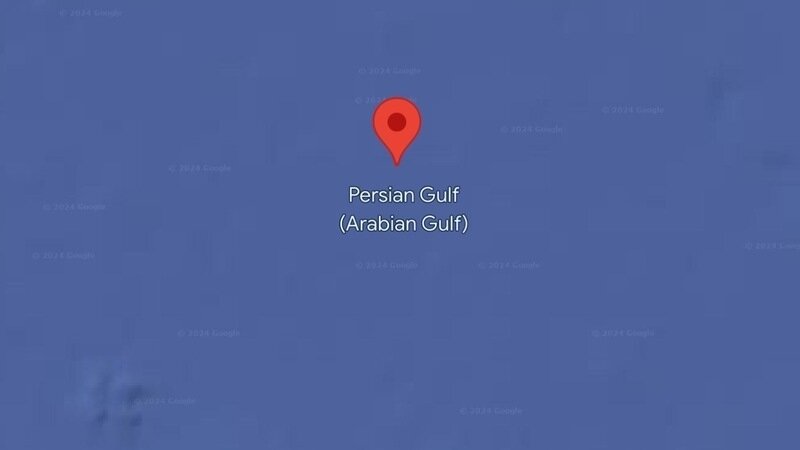
Stop Using the Fake Name ‘Arabian Gulf’: Google Must Respect History and International Law
Stop Using the Fake Name ‘Arabian Gulf’: Google Must Respect History and International Law
The Issue
To the management and executive team of Google,
We, the undersigned, urge you to uphold historical facts, international law, and scientific integrity by ceasing the use of the fabricated term “Arabian Gulf.” We demand that Google, as a global technology leader, exclusively use the historically and legally recognized name “Persian Gulf” for this vital waterway.
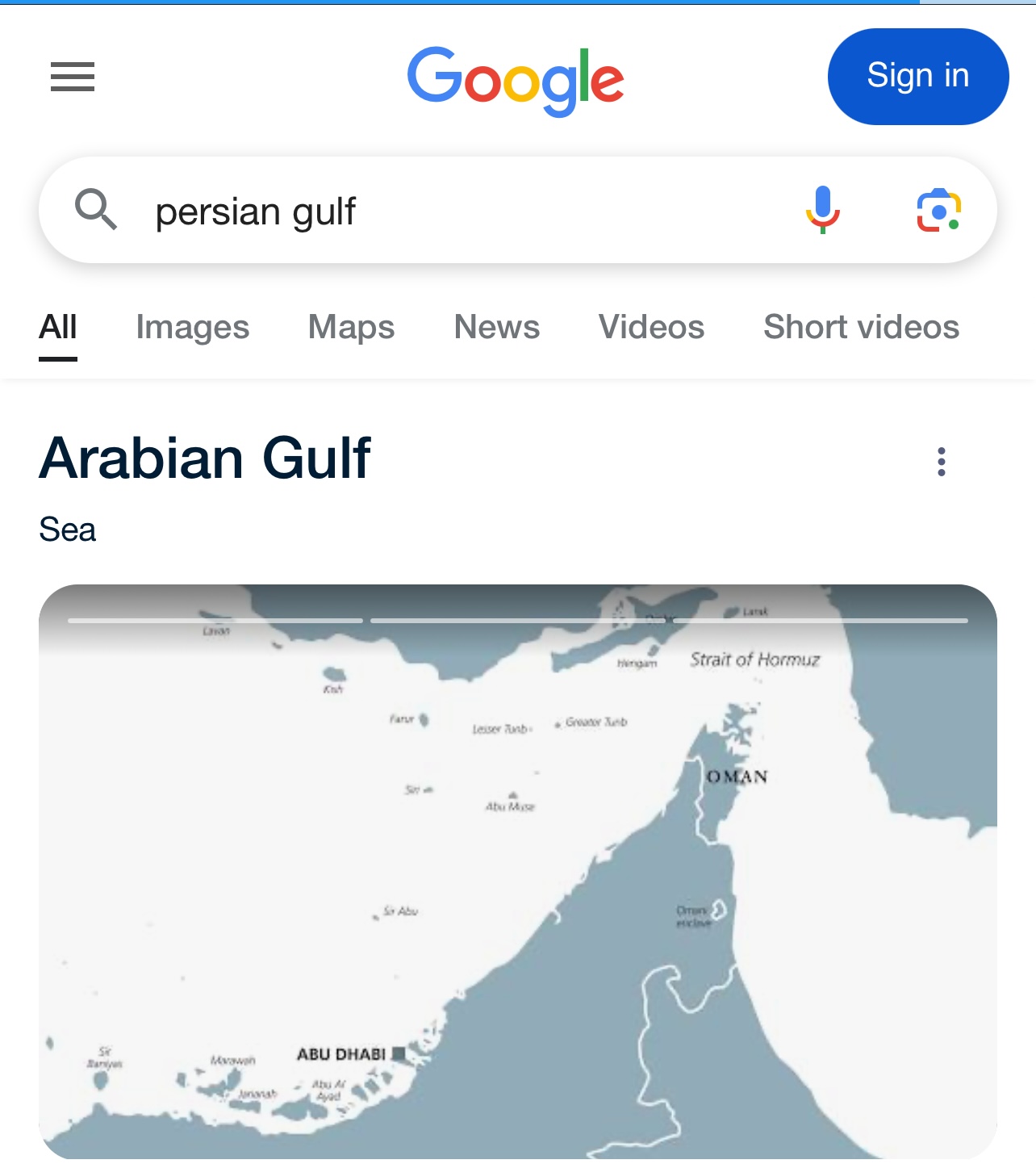
Why Should Google Only Use ‘Persian Gulf’?
1. Undeniable Historical Evidence
For over two millennia, the name “Persian Gulf” has been consistently used in historical texts and official maps. Key examples include:
• Achaemenid Inscriptions: The term “Sea of Pars” is clearly mentioned in inscriptions from the Achaemenid Empire (500 BCE), including the inscriptions of King Darius the Great.
• Source: Bisotun Inscription, translated by Professor Roland G. Kent.
• Maps by Ptolemy: The renowned Greek geographer Ptolemy (2nd century CE) referred to this body of water as “Sinus Persicus” (Persian Gulf) in his maps.
• Source: Geography of Ptolemy, translated by Edward Stevenson.
• European Medieval Maps: Maps from European cartographers between the 15th and 19th centuries consistently label this region as “Persian Gulf.”
2. Recognized by International Law
The name “Persian Gulf” is the only official and legal designation recognized by global institutions, including:
• The United Nations:
• The UN explicitly affirmed the name “Persian Gulf” in multiple resolutions, including UNAD 311/Qen.
• UNESCO:
• UNESCO consistently refers to the body of water as “Persian Gulf” in all its cultural and historical documents.
• International Cartographic Association:
• The association recommends adhering to historically accurate names in geographic naming conventions.
3. Refuting the Claim of ‘Local Usage’
Google might claim to reflect “names commonly used in the region.” However, this justification is invalid:
• Historical Accuracy Takes Precedence: Geographical names must be based on documented history, not influenced by political propaganda or fabricated narratives. The term “Arabian Gulf” was introduced in the 1960s for political purposes, without any historical basis.
• Source: The Persian Gulf in History, by Lawrence G. Potter.
• Neutrality and Scientific Integrity: As a global company, Google is expected to adhere to historical facts and international standards, rather than succumb to regional political pressures.
4. Consequences of Using a Fake Name
Using the term “Arabian Gulf” undermines historical truth and promotes misinformation. It also damages Google’s reputation as a neutral and trustworthy source of information, while exacerbating regional tensions.
Citations and References
1. United Nations Documents:
• Resolution UNAD 311/Qen, affirming the name “Persian Gulf.”
2. Historical Texts and Books:
• The Persian Gulf in History, by Lawrence G. Potter.
• Historical Atlas of the Persian Gulf, published by the University of London.
3. Historical Maps:
• Collections from the British Museum, which prominently feature “Persian Gulf.”
4. Academic Research:
• Articles in Journal of Historical Geography and other peer-reviewed publications.
What We Demand from Google:
1. Immediate Removal of the Fake Name: Google must eliminate the term “Arabian Gulf” from all its services, including Google Maps and Google Earth.
2. Adherence to Historical and International Standards: Google should exclusively use “Persian Gulf,” the historically and legally recognized name.
3. Transparency in Naming Policies: Google must disclose the criteria it uses for geographical naming and ensure that these criteria align with historical and legal facts.
Why This Matters
This issue is not merely about Iran; it concerns global respect for history, scientific integrity, and preventing deliberate distortions. Google, as a leading global corporation, has an ethical obligation to align its practices with truth and fairness.
Respectfully,

1,782
The Issue
To the management and executive team of Google,
We, the undersigned, urge you to uphold historical facts, international law, and scientific integrity by ceasing the use of the fabricated term “Arabian Gulf.” We demand that Google, as a global technology leader, exclusively use the historically and legally recognized name “Persian Gulf” for this vital waterway.
Why Should Google Only Use ‘Persian Gulf’?
1. Undeniable Historical Evidence
For over two millennia, the name “Persian Gulf” has been consistently used in historical texts and official maps. Key examples include:
• Achaemenid Inscriptions: The term “Sea of Pars” is clearly mentioned in inscriptions from the Achaemenid Empire (500 BCE), including the inscriptions of King Darius the Great.
• Source: Bisotun Inscription, translated by Professor Roland G. Kent.
• Maps by Ptolemy: The renowned Greek geographer Ptolemy (2nd century CE) referred to this body of water as “Sinus Persicus” (Persian Gulf) in his maps.
• Source: Geography of Ptolemy, translated by Edward Stevenson.
• European Medieval Maps: Maps from European cartographers between the 15th and 19th centuries consistently label this region as “Persian Gulf.”
2. Recognized by International Law
The name “Persian Gulf” is the only official and legal designation recognized by global institutions, including:
• The United Nations:
• The UN explicitly affirmed the name “Persian Gulf” in multiple resolutions, including UNAD 311/Qen.
• UNESCO:
• UNESCO consistently refers to the body of water as “Persian Gulf” in all its cultural and historical documents.
• International Cartographic Association:
• The association recommends adhering to historically accurate names in geographic naming conventions.
3. Refuting the Claim of ‘Local Usage’
Google might claim to reflect “names commonly used in the region.” However, this justification is invalid:
• Historical Accuracy Takes Precedence: Geographical names must be based on documented history, not influenced by political propaganda or fabricated narratives. The term “Arabian Gulf” was introduced in the 1960s for political purposes, without any historical basis.
• Source: The Persian Gulf in History, by Lawrence G. Potter.
• Neutrality and Scientific Integrity: As a global company, Google is expected to adhere to historical facts and international standards, rather than succumb to regional political pressures.
4. Consequences of Using a Fake Name
Using the term “Arabian Gulf” undermines historical truth and promotes misinformation. It also damages Google’s reputation as a neutral and trustworthy source of information, while exacerbating regional tensions.
Citations and References
1. United Nations Documents:
• Resolution UNAD 311/Qen, affirming the name “Persian Gulf.”
2. Historical Texts and Books:
• The Persian Gulf in History, by Lawrence G. Potter.
• Historical Atlas of the Persian Gulf, published by the University of London.
3. Historical Maps:
• Collections from the British Museum, which prominently feature “Persian Gulf.”
4. Academic Research:
• Articles in Journal of Historical Geography and other peer-reviewed publications.
What We Demand from Google:
1. Immediate Removal of the Fake Name: Google must eliminate the term “Arabian Gulf” from all its services, including Google Maps and Google Earth.
2. Adherence to Historical and International Standards: Google should exclusively use “Persian Gulf,” the historically and legally recognized name.
3. Transparency in Naming Policies: Google must disclose the criteria it uses for geographical naming and ensure that these criteria align with historical and legal facts.
Why This Matters
This issue is not merely about Iran; it concerns global respect for history, scientific integrity, and preventing deliberate distortions. Google, as a leading global corporation, has an ethical obligation to align its practices with truth and fairness.
Respectfully,
1,782
The Decision Makers
Petition Updates
Share this petition
Petition created on January 4, 2025