
Stop the release of BBC's 'Surviving Biafra' documentary
The Issue
Our Pain Is Not Entertainment: A Call to BBC to Listen Before Releasing Surviving Biafra
I was born into the silence left behind by the Biafra war.
In my family, grief was never something loudly spoken about. It lived quietly in the eyes of our elders, in interrupted conversations, in tears hidden behind forced strength. Growing up Igbo meant growing up surrounded by memories too painful to fully describe, memories of fathers who never returned home, mothers who buried starving children, families destroyed by war, and millions of innocent lives lost to violence, hunger, and suffering.
More than three million people died during the Biafra war. Many were civilians. Many were children. This is not distant history to us. It is inherited trauma. It lives in our homes, our stories, and our identity as Igbo people.
My family was affected by this war, just like countless others. Some survived with scars they carried for the rest of their lives. Some never spoke about what they saw because the pain was unbearable. Others died without ever receiving justice, recognition, or even the dignity of having their stories truly heard.
That is why many of us are deeply hurt and disturbed by the upcoming BBC documentary, Surviving Biafra, scheduled for release on June 1.
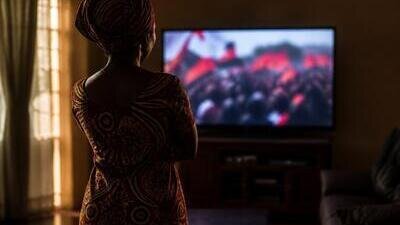
We are not opposed to history being told. We are opposed to our suffering being told without properly centering the voices of the people who lived through it and continue to carry its wounds. The story of Biafra is not simply content. It is not a production theme. It is the mass suffering of millions of human beings.
For decades, the Igbo perspective has often been minimized, politicized, or spoken over. Now, once again, many descendants and survivors fear that one of the darkest chapters in our history is being interpreted primarily through outside lenses rather than through the voices of those directly affected.
BBC is one of the most influential media institutions in the world. With that influence comes responsibility especially when telling stories involving war, trauma, starvation, and the deaths of millions.
Historical storytelling without deep consultation with affected communities risks becoming distortion rather than truth.
We are asking BBC to pause and genuinely engage with Igbo historians, survivors, descendants, and cultural voices before releasing this documentary. We are asking for transparency, consultation, and ethical storytelling that respects the memories of those who suffered and died.
Our pain should never become entertainment.
The memories of the dead deserve dignity.
The survivors deserve respect.
And future generations deserve the truth.
This petition is not rooted in hatred. It is rooted in humanity, memory, and justice. We are standing up to say that no one should tell the story of our trauma while silencing the people who endured it.
If you believe communities affected by historical tragedy deserve a meaningful voice in how their stories are told, we ask you to stand with us.
Honor the 3 million souls lost.
Let Igbos speak for themselves.
#HonorThe3Million
#LetIgbosSpeak

214
The Issue
Our Pain Is Not Entertainment: A Call to BBC to Listen Before Releasing Surviving Biafra
I was born into the silence left behind by the Biafra war.
In my family, grief was never something loudly spoken about. It lived quietly in the eyes of our elders, in interrupted conversations, in tears hidden behind forced strength. Growing up Igbo meant growing up surrounded by memories too painful to fully describe, memories of fathers who never returned home, mothers who buried starving children, families destroyed by war, and millions of innocent lives lost to violence, hunger, and suffering.
More than three million people died during the Biafra war. Many were civilians. Many were children. This is not distant history to us. It is inherited trauma. It lives in our homes, our stories, and our identity as Igbo people.
My family was affected by this war, just like countless others. Some survived with scars they carried for the rest of their lives. Some never spoke about what they saw because the pain was unbearable. Others died without ever receiving justice, recognition, or even the dignity of having their stories truly heard.
That is why many of us are deeply hurt and disturbed by the upcoming BBC documentary, Surviving Biafra, scheduled for release on June 1.
We are not opposed to history being told. We are opposed to our suffering being told without properly centering the voices of the people who lived through it and continue to carry its wounds. The story of Biafra is not simply content. It is not a production theme. It is the mass suffering of millions of human beings.
For decades, the Igbo perspective has often been minimized, politicized, or spoken over. Now, once again, many descendants and survivors fear that one of the darkest chapters in our history is being interpreted primarily through outside lenses rather than through the voices of those directly affected.
BBC is one of the most influential media institutions in the world. With that influence comes responsibility especially when telling stories involving war, trauma, starvation, and the deaths of millions.
Historical storytelling without deep consultation with affected communities risks becoming distortion rather than truth.
We are asking BBC to pause and genuinely engage with Igbo historians, survivors, descendants, and cultural voices before releasing this documentary. We are asking for transparency, consultation, and ethical storytelling that respects the memories of those who suffered and died.
Our pain should never become entertainment.
The memories of the dead deserve dignity.
The survivors deserve respect.
And future generations deserve the truth.
This petition is not rooted in hatred. It is rooted in humanity, memory, and justice. We are standing up to say that no one should tell the story of our trauma while silencing the people who endured it.
If you believe communities affected by historical tragedy deserve a meaningful voice in how their stories are told, we ask you to stand with us.
Honor the 3 million souls lost.
Let Igbos speak for themselves.
#HonorThe3Million
#LetIgbosSpeak
Petition Updates
Share this petition
Petition created on 28 May 2026