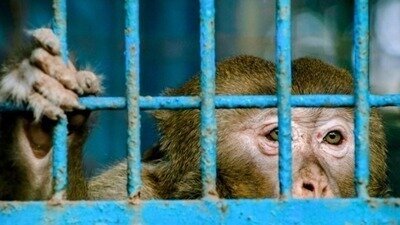

Stop the Online Exploitation, Abuse, and Torture of Monkeys on Social Media
The Issue
We demand that Facebook and all other major social-media platforms remove all content, images, videos, channels, and groups that show monkeys being used for online entertainment. This includes content created for social media, television, advertising, unofficial or fake rescues, fake outrage videos, unregistered wildlife parks or zoos, and street or holiday entertainment.
Many—if not all—of the monkeys used in such content have been illegally obtained, illegally trafficked, or illegally kept as pets. They are often protected species. In these cases, the platforms hosting the videos, the channel owners, and the individuals involved are enabling illegal wildlife trade and animal exploitation. As of 17 March 2025, animal-cruelty content is regulated under the UK Online Safety Act when viewable from within the UK and must not remain available on these platforms.
Between 2022 and 2025, hundreds of thousands of videos and images showing monkeys being exploited, mistreated, abused, or tortured for entertainment were visible on Facebook, Telegram, and YouTube. “Pet monkey” channels and similar accounts are aimed at broad audiences and are easily accessible to all age groups. Much of this content features baby and juvenile macaque monkeys being dressed like human infants, paraded around, forced to walk upright, wear clothing or shoes, carry backpacks, or participate in staged “school” scenarios.
Many juvenile monkeys are compelled to carry, hold, or care for newborns in unnatural and stressful positions. They are often forced to eat or drink on command for the camera, and in some cases, this may be the only food or drink they receive until the next filming session.
At the opposite extreme, some videos show baby monkeys being force-fed to the point of vomiting, sometimes using hoses as a method of torture. All of this content has appeared in public Facebook feeds and on other platforms without age restriction or warnings.
Baby monkeys generate the highest engagement, and as a result, food is sometimes withheld to keep them small and “cute.” Many have been filmed slowly starving over a series of videos before dying. Some abusers film and upload the burial of the same infant monkeys for further engagement. Viewers have also been exposed to videos showing poisonings, beatings, sexualised abuse, extreme cruelty, and deaths of hundreds of infants. Although media outlets reported similar issues nearly a decade ago, the problem has continued and expanded.
Another disturbing category includes staged “fake rescues” and “fake outrage” scenarios, where individuals intentionally place monkeys into abusive situations solely to film themselves “rescuing” them. These videos are uploaded for views, reactions, and monetisation across Facebook, Telegram, YouTube and other Social Media Platforms. From 2022 to 2025, there have been hundreds of thousands of such videos across thousands of channels and groups, which Facebook has continued to host openly.
Many viewers do not realise that the “cute monkey” videos they enjoy are the result of sustained abuse and coercive training. One method involves suspending monkeys by the neck for hours at a time over weeks or months to force them to stand and walk upright. Other methods are intentionally hidden beneath seemingly innocent scenes.
For example, holding a bottle of milk high so a newborn must stand to drink—something many viewers find harmless—is a training method intended to force bipedal behaviour. Viewers see only a brief, curated moment and never the remaining 23 hours of the monkey’s day, during which far more suffering occurs.
Monkey Hate Torture Content
In addition to entertainment content, platforms also host Monkey Hate torture videos created and shared by members of the so-called “Monkey Hate Community.” Facebook and Telegram host groups containing thousands of videos of horrific torture, including prolonged abuse and intentional killing of baby and juvenile monkeys. One Facebook group alone has had more than 30,000 members. These videos—often one to two hours long—are deliberately created for distribution on social media and have been viewed from within the UK and globally throughout 2023, 2024, and 2025.
Telegram also hosts closed groups containing highly graphic monkey abuse material, which can be accessed with relative ease. Technical failures have at times resulted in content from private groups becoming publicly visible, further enabling dissemination.
Hidden groups are not secure. Groups designated as “hidden” on Facebook or Telegram may still allow owners to add members freely or enable invitations, allowing harmful content to circulate unchecked.
According to a 2020 report by World Animal Protection, wildlife exploitation on social media platforms—including Facebook and Telegram—has escalated significantly. Monkeys are among the most exploited species online, commonly featured in “Pet Monkey” content and Monkey Hate Community groups where they are used for entertainment, financial profit, and deliberate torture.
World Animal Protection data indicates that thousands of primates are trafficked illegally each year, a trade fuelled in part by demand generated through social media exposure. Species such as macaques—frequently featured in these videos—are protected, and their presence in such content strongly indicates illegal trafficking and unlawful possession.
These practices raise serious regulatory and legal concerns.
Platform Failures and Regulatory Breaches
Despite stated platform policies prohibiting animal abuse, enforcement remains ineffective. Content depicting the mistreatment, distress, and torture of monkeys continues to circulate widely and remains accessible to UK users despite repeated reporting.
Under the UK Online Safety Act’s animal cruelty amendments, social media platforms are legally required to remove illegal animal cruelty content that is accessible and viewable from within the United Kingdom, regardless of where the content is uploaded or hosted. The continued availability of monkey torture content therefore represents a failure to comply with statutory obligations.
The Online Safety Act grants Ofcom enforcement powers, including the authority to require the prompt removal of illegal content, issue compliance notices, impose substantial financial penalties for systemic failures, mandate risk assessments and mitigation measures, and pursue further regulatory or legal action in cases of serious or repeated breaches.
This situation represents a failure of platform governance, a breach of UK online safety obligations, facilitation of illegal wildlife trafficking, and ongoing harm to protected, sentient animals.
Please sign this petition and support us in stopping the social-media videos, channels, and groups that exploit monkeys as pets and use them as entertainment, particularly where extreme cruelty and abuse are involved.
If you are a viewer within the UK who has seen any of the content described above, please sign this petition. It is helpful if you can also state in the comments that you have viewed such content from within the UK and approximately when you saw it.

53,809
The Issue
We demand that Facebook and all other major social-media platforms remove all content, images, videos, channels, and groups that show monkeys being used for online entertainment. This includes content created for social media, television, advertising, unofficial or fake rescues, fake outrage videos, unregistered wildlife parks or zoos, and street or holiday entertainment.
Many—if not all—of the monkeys used in such content have been illegally obtained, illegally trafficked, or illegally kept as pets. They are often protected species. In these cases, the platforms hosting the videos, the channel owners, and the individuals involved are enabling illegal wildlife trade and animal exploitation. As of 17 March 2025, animal-cruelty content is regulated under the UK Online Safety Act when viewable from within the UK and must not remain available on these platforms.
Between 2022 and 2025, hundreds of thousands of videos and images showing monkeys being exploited, mistreated, abused, or tortured for entertainment were visible on Facebook, Telegram, and YouTube. “Pet monkey” channels and similar accounts are aimed at broad audiences and are easily accessible to all age groups. Much of this content features baby and juvenile macaque monkeys being dressed like human infants, paraded around, forced to walk upright, wear clothing or shoes, carry backpacks, or participate in staged “school” scenarios.
Many juvenile monkeys are compelled to carry, hold, or care for newborns in unnatural and stressful positions. They are often forced to eat or drink on command for the camera, and in some cases, this may be the only food or drink they receive until the next filming session.
At the opposite extreme, some videos show baby monkeys being force-fed to the point of vomiting, sometimes using hoses as a method of torture. All of this content has appeared in public Facebook feeds and on other platforms without age restriction or warnings.
Baby monkeys generate the highest engagement, and as a result, food is sometimes withheld to keep them small and “cute.” Many have been filmed slowly starving over a series of videos before dying. Some abusers film and upload the burial of the same infant monkeys for further engagement. Viewers have also been exposed to videos showing poisonings, beatings, sexualised abuse, extreme cruelty, and deaths of hundreds of infants. Although media outlets reported similar issues nearly a decade ago, the problem has continued and expanded.
Another disturbing category includes staged “fake rescues” and “fake outrage” scenarios, where individuals intentionally place monkeys into abusive situations solely to film themselves “rescuing” them. These videos are uploaded for views, reactions, and monetisation across Facebook, Telegram, YouTube and other Social Media Platforms. From 2022 to 2025, there have been hundreds of thousands of such videos across thousands of channels and groups, which Facebook has continued to host openly.
Many viewers do not realise that the “cute monkey” videos they enjoy are the result of sustained abuse and coercive training. One method involves suspending monkeys by the neck for hours at a time over weeks or months to force them to stand and walk upright. Other methods are intentionally hidden beneath seemingly innocent scenes.
For example, holding a bottle of milk high so a newborn must stand to drink—something many viewers find harmless—is a training method intended to force bipedal behaviour. Viewers see only a brief, curated moment and never the remaining 23 hours of the monkey’s day, during which far more suffering occurs.
Monkey Hate Torture Content
In addition to entertainment content, platforms also host Monkey Hate torture videos created and shared by members of the so-called “Monkey Hate Community.” Facebook and Telegram host groups containing thousands of videos of horrific torture, including prolonged abuse and intentional killing of baby and juvenile monkeys. One Facebook group alone has had more than 30,000 members. These videos—often one to two hours long—are deliberately created for distribution on social media and have been viewed from within the UK and globally throughout 2023, 2024, and 2025.
Telegram also hosts closed groups containing highly graphic monkey abuse material, which can be accessed with relative ease. Technical failures have at times resulted in content from private groups becoming publicly visible, further enabling dissemination.
Hidden groups are not secure. Groups designated as “hidden” on Facebook or Telegram may still allow owners to add members freely or enable invitations, allowing harmful content to circulate unchecked.
According to a 2020 report by World Animal Protection, wildlife exploitation on social media platforms—including Facebook and Telegram—has escalated significantly. Monkeys are among the most exploited species online, commonly featured in “Pet Monkey” content and Monkey Hate Community groups where they are used for entertainment, financial profit, and deliberate torture.
World Animal Protection data indicates that thousands of primates are trafficked illegally each year, a trade fuelled in part by demand generated through social media exposure. Species such as macaques—frequently featured in these videos—are protected, and their presence in such content strongly indicates illegal trafficking and unlawful possession.
These practices raise serious regulatory and legal concerns.
Platform Failures and Regulatory Breaches
Despite stated platform policies prohibiting animal abuse, enforcement remains ineffective. Content depicting the mistreatment, distress, and torture of monkeys continues to circulate widely and remains accessible to UK users despite repeated reporting.
Under the UK Online Safety Act’s animal cruelty amendments, social media platforms are legally required to remove illegal animal cruelty content that is accessible and viewable from within the United Kingdom, regardless of where the content is uploaded or hosted. The continued availability of monkey torture content therefore represents a failure to comply with statutory obligations.
The Online Safety Act grants Ofcom enforcement powers, including the authority to require the prompt removal of illegal content, issue compliance notices, impose substantial financial penalties for systemic failures, mandate risk assessments and mitigation measures, and pursue further regulatory or legal action in cases of serious or repeated breaches.
This situation represents a failure of platform governance, a breach of UK online safety obligations, facilitation of illegal wildlife trafficking, and ongoing harm to protected, sentient animals.
Please sign this petition and support us in stopping the social-media videos, channels, and groups that exploit monkeys as pets and use them as entertainment, particularly where extreme cruelty and abuse are involved.
If you are a viewer within the UK who has seen any of the content described above, please sign this petition. It is helpful if you can also state in the comments that you have viewed such content from within the UK and approximately when you saw it.
The Decision Makers


Supporter Voices
Petition Updates
Share this petition
Petition created on 24 February 2024