
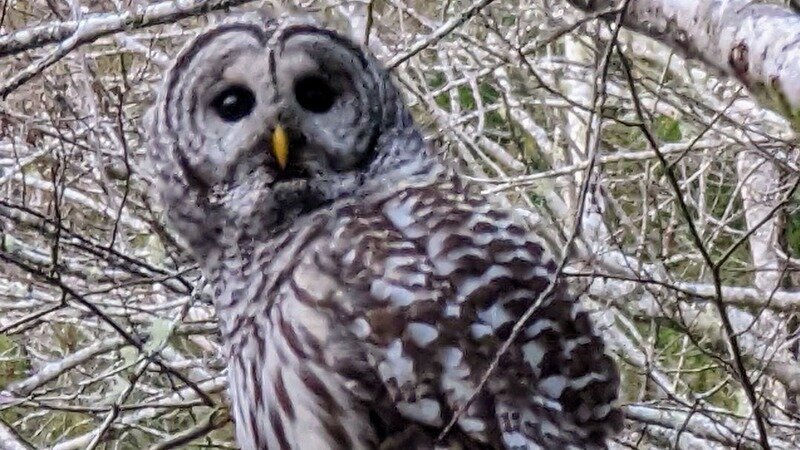
Stop the Culling of PNW Barred Owls: A Call for Compassionate Conservation
The Issue
To: The U.S. Fish and Wildlife Service, U.S. Department of the Interior, and All Relevant Authorities
We, the undersigned, stand united in our opposition to the federal government's decision to cull hundreds of thousands of barred owls in an attempt to save the endangered spotted owl. While we understand the urgency of preserving the spotted owl population, we believe that the mass killing of barred owls is an unethical and shortsighted approach that fails to address the root causes of the spotted owl's decline.
Key Points of Concern:
- Ethical Considerations: The proposed culling involves the deliberate killing of a vast number of barred owls, a practice that raises significant ethical concerns. Every species has intrinsic value, and it is our moral responsibility to seek solutions that do not involve the large-scale destruction of one species to save another.
- Ineffectiveness of Culling: Scientific evidence on the long-term effectiveness of culling as a conservation strategy is inconclusive. The complex ecological dynamics between barred and spotted owls, along with other environmental factors, suggest that culling may not lead to the desired outcome of significantly boosting the spotted owl population.
- Habitat Preservation: The primary driver of the spotted owl's decline is habitat loss due to logging and human encroachment. Efforts should be concentrated on preserving and restoring the old-growth forests that both owl species depend on, rather than resorting to lethal measures.
- Alternative Solutions: Non-lethal management strategies, such as habitat restoration, relocation programs, and research into fostering coexistence between the two owl species, should be prioritized. Investing in these alternatives can provide a more sustainable and humane path forward
- Biodiversity and Ecosystem Health: The culling of barred owls could have unforeseen consequences on biodiversity and ecosystem health. Barred owls play a role in their ecosystems, and their removal could disrupt ecological balances in unpredictable ways.
Our Demands:
- Immediate Suspension of the Culling Program: Halt the culling of barred owls and reevaluate the decision with input from independent scientists, ethicists, and conservationists.
- Increased Funding for Habitat Conservation: Allocate resources towards preserving and restoring old-growth forests, which are critical to the survival of both barred and spotted owls.
- Development of Non-Lethal Strategies: Invest in research and implementation of non-lethal methods to manage the interactions between barred and spotted owls.
- Public Transparency and Involvement: Ensure that the decision-making process is transparent and involves public consultation, providing stakeholders with opportunities to voice their concerns and suggestions.
This decision not only affects the owls but also sets a troubling precedent for how we value and treat wildlife. Supporting the killing of hundreds of thousands of barred owls to save a few thousand spotted owls undermines the principle that all lives are valuable. At a time when our nation is seeking compassion and unity, we must pursue solutions that reflect these values and do not resort to unnecessary violence.
We urge the federal authorities to reconsider the current plan and adopt a more compassionate, ethical, and scientifically sound approach to wildlife conservation. By signing this petition, we call for the protection of all species and the preservation of biodiversity through humane and sustainable practices.

739
The Issue
To: The U.S. Fish and Wildlife Service, U.S. Department of the Interior, and All Relevant Authorities
We, the undersigned, stand united in our opposition to the federal government's decision to cull hundreds of thousands of barred owls in an attempt to save the endangered spotted owl. While we understand the urgency of preserving the spotted owl population, we believe that the mass killing of barred owls is an unethical and shortsighted approach that fails to address the root causes of the spotted owl's decline.
Key Points of Concern:
- Ethical Considerations: The proposed culling involves the deliberate killing of a vast number of barred owls, a practice that raises significant ethical concerns. Every species has intrinsic value, and it is our moral responsibility to seek solutions that do not involve the large-scale destruction of one species to save another.
- Ineffectiveness of Culling: Scientific evidence on the long-term effectiveness of culling as a conservation strategy is inconclusive. The complex ecological dynamics between barred and spotted owls, along with other environmental factors, suggest that culling may not lead to the desired outcome of significantly boosting the spotted owl population.
- Habitat Preservation: The primary driver of the spotted owl's decline is habitat loss due to logging and human encroachment. Efforts should be concentrated on preserving and restoring the old-growth forests that both owl species depend on, rather than resorting to lethal measures.
- Alternative Solutions: Non-lethal management strategies, such as habitat restoration, relocation programs, and research into fostering coexistence between the two owl species, should be prioritized. Investing in these alternatives can provide a more sustainable and humane path forward
- Biodiversity and Ecosystem Health: The culling of barred owls could have unforeseen consequences on biodiversity and ecosystem health. Barred owls play a role in their ecosystems, and their removal could disrupt ecological balances in unpredictable ways.
Our Demands:
- Immediate Suspension of the Culling Program: Halt the culling of barred owls and reevaluate the decision with input from independent scientists, ethicists, and conservationists.
- Increased Funding for Habitat Conservation: Allocate resources towards preserving and restoring old-growth forests, which are critical to the survival of both barred and spotted owls.
- Development of Non-Lethal Strategies: Invest in research and implementation of non-lethal methods to manage the interactions between barred and spotted owls.
- Public Transparency and Involvement: Ensure that the decision-making process is transparent and involves public consultation, providing stakeholders with opportunities to voice their concerns and suggestions.
This decision not only affects the owls but also sets a troubling precedent for how we value and treat wildlife. Supporting the killing of hundreds of thousands of barred owls to save a few thousand spotted owls undermines the principle that all lives are valuable. At a time when our nation is seeking compassion and unity, we must pursue solutions that reflect these values and do not resort to unnecessary violence.
We urge the federal authorities to reconsider the current plan and adopt a more compassionate, ethical, and scientifically sound approach to wildlife conservation. By signing this petition, we call for the protection of all species and the preservation of biodiversity through humane and sustainable practices.
Supporter Voices
Petition Updates
Share this petition
Petition created on July 7, 2024