🚨 Stop the Black-Market Kitten Crisis! - Protect Our Animals and Communities

🚨 Stop the Black-Market Kitten Crisis! - Protect Our Animals and Communities
The Issue
Every year, thousands of kittens are imported into the United States under unsafe, unregulated, and often deceptive conditions. This hidden crisis is heartbreaking — and it threatens not only the animals themselves, but also public health, shelters, and responsible pet owners across the country.
Imagine a tiny kitten — sometimes under 4 months old — ripped from its mother, stuffed into a crate, and flown across the world in silence. Alone. Sick. Terrified.
U.S. cat import regulations are limited, focusing mostly on whether an animal looks healthy at entry rather than requiring full vaccination or disease screening. This regulatory gap allows sick or under-protected cats to cross borders, increasing the risk of contagious illness spreading to pets, shelters, and communities.
Many kittens arrive to USA under fake paperwork, forged vaccination records, and false identities. Some are covered in ringworm, fleas, urine or fecal. Others struggle to breathe from respiratory viruses. These animals are often sick, infected, or under-vaccinated. Some even die before reaching a new home.
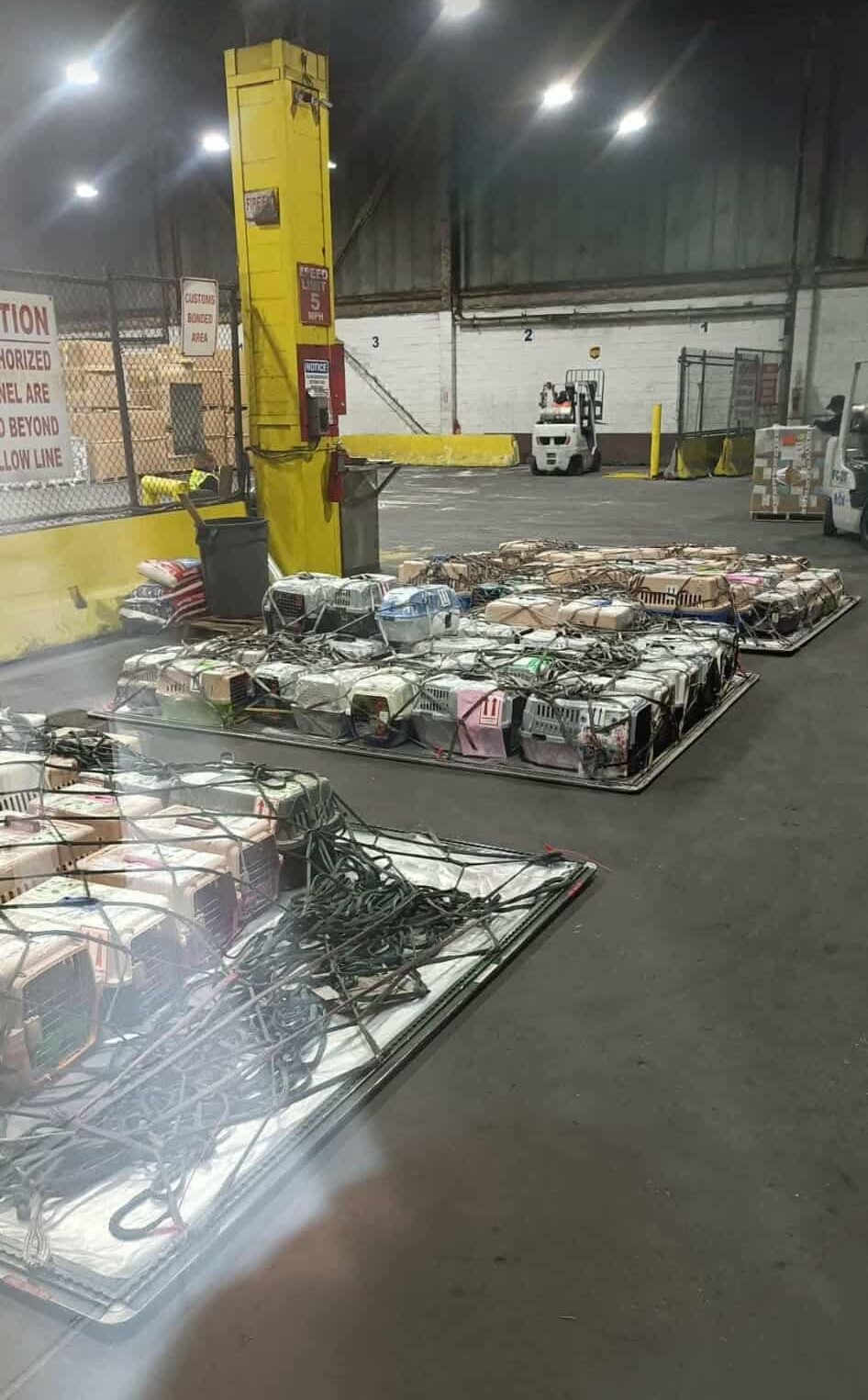
Some not blood related kitten or cats from different foreign breeders are packed into one/same pet carrier box and shipped via cargo which increased risk of spreading viruses and infections further. Others are carried by travelers or so-called "pet couriers" abusing USA tourist visas (B1/B2) by claim to be “tourists”—but in reality, they’re working illegally and abusing U.S. laws.
Behind these cute faces is a heartbreaking reality: suffering, disease, and cruelty. These couriers are paid to bring in animals while traveling on tourist visas, which prohibit employment or offering paid services. Their operations are part of an unregulated black market, hidden trade run by unlicensed agents and “couriers”, avoiding taxes and often involving money laundering, receiving international payments and smuggling earnings back out of the U.S, violate immigration and tax laws, and treat animals as nothing more than a profit-making product.
Cats are delivered to buyers immediately after landing—sometimes even before leaving the airport. Now imagine it being handed off at a U.S. airport with no vet check, no real paperwork, and no one asking a single question. Some cats continue to travel via cars in order to be personally deliver by domestic couriers (some don’t have USDA license or proper car for long distance travel).
This is happening every day—right now—and its legal loopholes, black-market couriers, and the failure of our border protections that allow it.
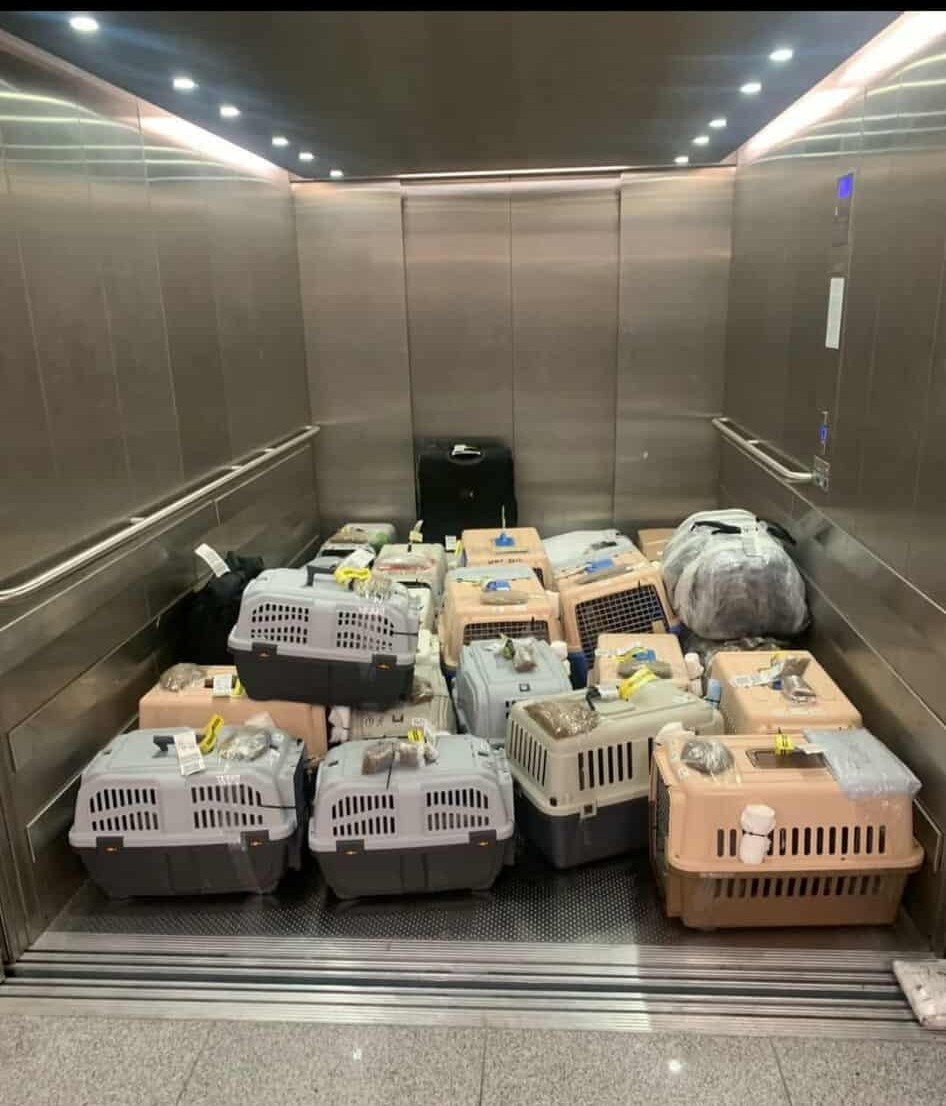
Worse, these kittens are frequently part of a hidden commercial trade, falsely declared as “personal pets,” allowing breeders and agents to bypass import laws and profit while animals pay the price. Couriers often on return flights travel with no animals, or with a different animal than they brought in, confirming these are undeclared commercial transactions. There is currently no system to log or track individuals repeatedly importing animals.
Larger groups are forced into harsh cargo conditions, sometimes for many hours or even days before reaching their final destination.
These animals often arrive severely terrifying, underweight, sneezing, coughing, dehydrated, infected, or even dying. Many are too young to have full immunity or proper full vaccinations. Stress during travel weakens cats’ immune system. Many kittens arrive carrying respiratory infections, gastrointestinal illness, parasites, or viruses. Recovery can take weeks — some do not survive. Convenience for humans does not equal a humane experience for the animal.
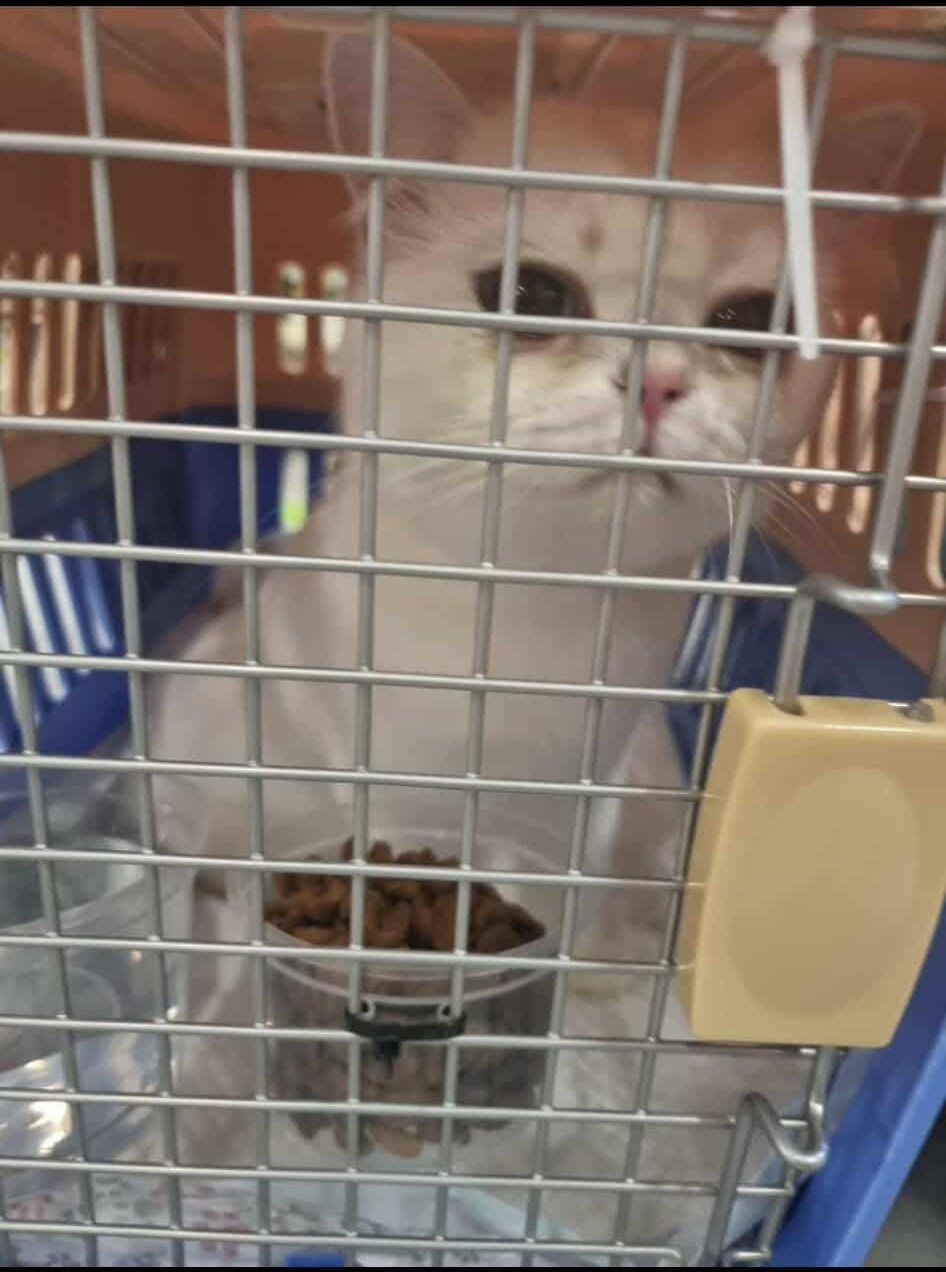
Viruses, bacteria and parasites such as herpesvirus, calicivirus, feline panleukopenia, coronavirus, FIP, retroviruses like FeLV and FIV, Giardia, coccidia, Cryptosporidium, zoonoses (including parasites like Toxoplasma which risk to pregnant women), fungi like Ringworm, etc. that put other pets in USA —and even humans—at risk.
Convenience for humans does not equal a humane experience for the animal.
Even more alarming, many of these imported cats and kittens are unspayed or unneutered, leading to a sharp rise in backyard breeding operations, which lack oversight, unwanted litters, overcrowding/overwhelmed shelters which rising euthanasia rates, veterinary care, and destroying pure breed ethical standards. This practice directly fuels overpopulation, the growth of unlicensed breeders who avoid vet animals, pay taxes and ultimately increases the number of animals ending up on the streets.
Our system is broken — and animals are paying the price.
_____________________
This petition is not about stopping responsible, legal cat importation — it’s about stopping preventable suffering and real danger. When sick, under-vaccinated, or intact cats are brought into the U.S. through illegal channels, animals suffer, diseases spread, shelters are strained, and families are put at risk. This is happening right now — and it continues because the gaps remain open. By signing and sharing, you are standing up for animals who cannot protect themselves and helping stop unsafe practices before more cats pay the price. Silence allows it to continue. Your voice helps end it.
🚨 OVERALL What’s going wrong?
- Disease Risks
Imported cats can carry serious and contagious diseases — including rabies, feline panleukopenia, feline infectious peritonitis (FIP), and zoonotic parasites. Even with documents, vaccines can be faked, or administered too early to be effective.
❗ The CDC warns that rabies incubation can last up to 6 months — enough to slip past border checks.
2. Fake Veterinary Records
Many cases have been documented of forged vaccination records, invalid microchip, and cats arriving with no verified origin or health proof.
3. Animal Welfare Violations
Long-distance transport causes extreme stress, injuries, and in many cases, death in transit. Kittens are often shipped far too young — separated from their mothers early, just to meet export deadlines.
4. Overcrowded U.S. Shelters
Many imported cats are sold and then abandoned. Some buyers never pick them up. Others are dumped when they arrive sick, unsocialized, or different from advertised photos.
🚫 Over 3 million cats enter shelters each year in the U.S. — many due to irresponsible breeding and import failures.
💔 Around 800,000 are euthanized annually due to overcrowding.
5. Unregulated Backyard Breeding
Cats are often imported unneutered and used for illegal or unethical breeding in unsanitary backyard conditions. This fuels genetic problems, cruelty, and the spread of disease.
6. Environmental and Ecosystem Risk
Lost or abandoned imported cats may:
· Spread disease to native wildlife and feral colonies
· Hunt endangered bird species
· Disrupt the local ecosystem
7. Hidden commercial trade, unregulated black market and undeclared commercial transactions
Black-market importers exploit legal loopholes for profit, using tourist visas, falsified documents, and no tracking of buyers or sellers.
8. Violation of the tourist visa regulation
Tourist visas are misused to illegally import animals for profit, not allow to work under any circumstances.
_________________________________________________________________________________________________
📣 We Demand Action:
🚨 We are calling on the USDA, CDC, U.S. Customs and Border Protection, and Congress to take immediate action.
✅ Impose stricter import requirements for cats
✅ Raise and ban the minimum age for import from 4 months to 6 months. 6 month age could be simply verified by a licensed veterinarian at the border or at entry point by teeth examination.
✅ Require full report of rabies, FVRCP vaccination proof (with booster), and test result for rabies antibodies from accredited veterinary laboratory in foreign country. Allow veterinarian to complete random rabies antibody check at USA border in order to verified true vaccination.
✅ Prohibit/ Ban the import of intact (unspayed/unneutered) cats without certified breeding program approval by agriculture department and cats’ association (TICA/CFA). Licensed breeders or registered cattery as business is must.
✅ Require all imported cats to undergo mandatory in-person veterinary inspections and health checks upon arrival at all U.S. ports of entry in order to check for visible skin conditions, parasites, illness such as sneezing, coughing, excessive eyes discharge, diarrhea, ringworm, skin disease, and confirming age by teeth examination.
✅ Require submission of Respiratory PCR, Fecal PCR, and Full Fecal Profile screening for highly contagious diseases (e.g., calicivirus, rhinotracheitis/Herpesvirus, Bordetella, toxoplasmosis) from license veterinary or laboratory. If any concern, random check could be performed at the border and animal placed under quarantine until test result completed (3-4 days).
✅ Create a national database of imported animals with full microchip traceability
✅ Track every person entering the U.S. with animals by passport, flight history, and pet microchip, with alerts for frequent or high-volume travelers which flag repeated activity that may signal commercial trade.
✅ Investigate and prosecute illegal pet courier networks operating under tourist visas
✅Strictly regulate and license customs brokers involved in live animal shipments
✅ Limit the number of animals imported per individual per month/year to prevent covert/masked commercial activity/imports
✅Enforce documentation checks and licensing requirements for all importers
✅ Investigate illegal pet courier networks using tourist visas for profit (search social media for example)
✅ Investigate and prosecute document forgery and illegal breeding
These simple yet powerful steps will help stop cruelty at the border, protect public health, and ensure that animals coming into the U.S. are healthy, legal, and safe.
______________________________________________________________________________________________________
🙏 Why It Matters:
If you’ve ever loved a cat, you know they deserve better. 4 months is too young to travel overseas, protected or build strong immune system, build up antigens against viruses. Many kittens arrive malnourished, sick, or infected, with no vet check or quarantine. Some die during or shortly after arrival. No animal should suffer in silence, shoved into a dark crate for hours/days or flown halfway across the world with fake medical records. Thousands of animals are suffering in silence under a broken, dangerous system.
This is not just about cats and kittens. It’s about public health and trust, border security, immigration integrity, biosecurity, protecting responsible pet ownership, basic compassion and human decency.
If we don’t act now, the cycle of illegal sales, disease spread, and animal suffering will only continue. Right now, we are letting helpless animals fall through the cracks while black-market agents profit. We're putting responsible breeders, rescues, and shelters at risk. We're opening the door to disease, fraud, and cruelty.
📢 Call to Action
Please stand with us. Sign, share, speak out this petition to protect our borders, our homes, people, public health in America and the animals we cherish. Every signature brings us closer to humane, responsible, and lawful animal care.
Together, we can demand a system that values compassion and accountability.
Sign this petition to say: enough is enough.
✅ How You Can Help
- Sign this petition
- Share it with your friends, shelters, rescues, vet clinics, breeders, social media and community.
- Together, we can fix what’s broken.
- Email it to your local representatives and ask them to act
✊ Your Signature Helps
- Help and end the abuse of cats at USA borders
- Stop underground trafficking and illegal profit schemes
- Prevent disease outbreaks and zoonotic threats
- Protect the health of animals and preserve responsible, ethical breeding practices in the U.S.
- Give a voice to the voiceless
🖊️If you've ever loved a cat—these matters to you. Let’s stop the silent cruelty and suffering. Let’s protect our pets, shelters, animals, and communities, hold the system accountable from the harm caused by unregulated cat imports.
📬 Contact Authorities
USDA Animal Care: animalcare@usda.gov
CDC Animal Imports: CDCAnimalImports@cdc.gov
CBP Complaints: https://help.cbp.gov/s/complaints
Find your Senator or Representative: https://www.congress.gov/members
Immigration and Financial Enforcement Agencies:
U.S. Immigration and Customs Enforcement (ICE): https://www.ice.gov/contact – For violations of visa rules and illegal work under tourist visas.
U.S. Department of Treasury – Financial Crimes Enforcement Network (FinCEN): https://www.fincen.gov/contact – For tracking money laundering and undeclared income from illegal pet trade.
Internal Revenue Service (IRS) Criminal Investigation Division: https://www.irs.gov/compliance/criminal-investigation – For undeclared income and tax evasion related to illegal animal imports.
National & International Animal Welfare Organizations:
ASPCA: https://www.aspca.org
Humane Society of the U.S.: https://www.humanesociety.org
Best Friends Animal Society: https://www.bestfriends.org
PETA: https://www.peta.org
American Veterinary Medical Association: https://www.avma.org

856
The Issue
Every year, thousands of kittens are imported into the United States under unsafe, unregulated, and often deceptive conditions. This hidden crisis is heartbreaking — and it threatens not only the animals themselves, but also public health, shelters, and responsible pet owners across the country.
Imagine a tiny kitten — sometimes under 4 months old — ripped from its mother, stuffed into a crate, and flown across the world in silence. Alone. Sick. Terrified.
U.S. cat import regulations are limited, focusing mostly on whether an animal looks healthy at entry rather than requiring full vaccination or disease screening. This regulatory gap allows sick or under-protected cats to cross borders, increasing the risk of contagious illness spreading to pets, shelters, and communities.
Many kittens arrive to USA under fake paperwork, forged vaccination records, and false identities. Some are covered in ringworm, fleas, urine or fecal. Others struggle to breathe from respiratory viruses. These animals are often sick, infected, or under-vaccinated. Some even die before reaching a new home.
Some not blood related kitten or cats from different foreign breeders are packed into one/same pet carrier box and shipped via cargo which increased risk of spreading viruses and infections further. Others are carried by travelers or so-called "pet couriers" abusing USA tourist visas (B1/B2) by claim to be “tourists”—but in reality, they’re working illegally and abusing U.S. laws.
Behind these cute faces is a heartbreaking reality: suffering, disease, and cruelty. These couriers are paid to bring in animals while traveling on tourist visas, which prohibit employment or offering paid services. Their operations are part of an unregulated black market, hidden trade run by unlicensed agents and “couriers”, avoiding taxes and often involving money laundering, receiving international payments and smuggling earnings back out of the U.S, violate immigration and tax laws, and treat animals as nothing more than a profit-making product.
Cats are delivered to buyers immediately after landing—sometimes even before leaving the airport. Now imagine it being handed off at a U.S. airport with no vet check, no real paperwork, and no one asking a single question. Some cats continue to travel via cars in order to be personally deliver by domestic couriers (some don’t have USDA license or proper car for long distance travel).
This is happening every day—right now—and its legal loopholes, black-market couriers, and the failure of our border protections that allow it.
Worse, these kittens are frequently part of a hidden commercial trade, falsely declared as “personal pets,” allowing breeders and agents to bypass import laws and profit while animals pay the price. Couriers often on return flights travel with no animals, or with a different animal than they brought in, confirming these are undeclared commercial transactions. There is currently no system to log or track individuals repeatedly importing animals.
Larger groups are forced into harsh cargo conditions, sometimes for many hours or even days before reaching their final destination.
These animals often arrive severely terrifying, underweight, sneezing, coughing, dehydrated, infected, or even dying. Many are too young to have full immunity or proper full vaccinations. Stress during travel weakens cats’ immune system. Many kittens arrive carrying respiratory infections, gastrointestinal illness, parasites, or viruses. Recovery can take weeks — some do not survive. Convenience for humans does not equal a humane experience for the animal.
Viruses, bacteria and parasites such as herpesvirus, calicivirus, feline panleukopenia, coronavirus, FIP, retroviruses like FeLV and FIV, Giardia, coccidia, Cryptosporidium, zoonoses (including parasites like Toxoplasma which risk to pregnant women), fungi like Ringworm, etc. that put other pets in USA —and even humans—at risk.
Convenience for humans does not equal a humane experience for the animal.
Even more alarming, many of these imported cats and kittens are unspayed or unneutered, leading to a sharp rise in backyard breeding operations, which lack oversight, unwanted litters, overcrowding/overwhelmed shelters which rising euthanasia rates, veterinary care, and destroying pure breed ethical standards. This practice directly fuels overpopulation, the growth of unlicensed breeders who avoid vet animals, pay taxes and ultimately increases the number of animals ending up on the streets.
Our system is broken — and animals are paying the price.
_____________________
This petition is not about stopping responsible, legal cat importation — it’s about stopping preventable suffering and real danger. When sick, under-vaccinated, or intact cats are brought into the U.S. through illegal channels, animals suffer, diseases spread, shelters are strained, and families are put at risk. This is happening right now — and it continues because the gaps remain open. By signing and sharing, you are standing up for animals who cannot protect themselves and helping stop unsafe practices before more cats pay the price. Silence allows it to continue. Your voice helps end it.
🚨 OVERALL What’s going wrong?
- Disease Risks
Imported cats can carry serious and contagious diseases — including rabies, feline panleukopenia, feline infectious peritonitis (FIP), and zoonotic parasites. Even with documents, vaccines can be faked, or administered too early to be effective.
❗ The CDC warns that rabies incubation can last up to 6 months — enough to slip past border checks.
2. Fake Veterinary Records
Many cases have been documented of forged vaccination records, invalid microchip, and cats arriving with no verified origin or health proof.
3. Animal Welfare Violations
Long-distance transport causes extreme stress, injuries, and in many cases, death in transit. Kittens are often shipped far too young — separated from their mothers early, just to meet export deadlines.
4. Overcrowded U.S. Shelters
Many imported cats are sold and then abandoned. Some buyers never pick them up. Others are dumped when they arrive sick, unsocialized, or different from advertised photos.
🚫 Over 3 million cats enter shelters each year in the U.S. — many due to irresponsible breeding and import failures.
💔 Around 800,000 are euthanized annually due to overcrowding.
5. Unregulated Backyard Breeding
Cats are often imported unneutered and used for illegal or unethical breeding in unsanitary backyard conditions. This fuels genetic problems, cruelty, and the spread of disease.
6. Environmental and Ecosystem Risk
Lost or abandoned imported cats may:
· Spread disease to native wildlife and feral colonies
· Hunt endangered bird species
· Disrupt the local ecosystem
7. Hidden commercial trade, unregulated black market and undeclared commercial transactions
Black-market importers exploit legal loopholes for profit, using tourist visas, falsified documents, and no tracking of buyers or sellers.
8. Violation of the tourist visa regulation
Tourist visas are misused to illegally import animals for profit, not allow to work under any circumstances.
_________________________________________________________________________________________________
📣 We Demand Action:
🚨 We are calling on the USDA, CDC, U.S. Customs and Border Protection, and Congress to take immediate action.
✅ Impose stricter import requirements for cats
✅ Raise and ban the minimum age for import from 4 months to 6 months. 6 month age could be simply verified by a licensed veterinarian at the border or at entry point by teeth examination.
✅ Require full report of rabies, FVRCP vaccination proof (with booster), and test result for rabies antibodies from accredited veterinary laboratory in foreign country. Allow veterinarian to complete random rabies antibody check at USA border in order to verified true vaccination.
✅ Prohibit/ Ban the import of intact (unspayed/unneutered) cats without certified breeding program approval by agriculture department and cats’ association (TICA/CFA). Licensed breeders or registered cattery as business is must.
✅ Require all imported cats to undergo mandatory in-person veterinary inspections and health checks upon arrival at all U.S. ports of entry in order to check for visible skin conditions, parasites, illness such as sneezing, coughing, excessive eyes discharge, diarrhea, ringworm, skin disease, and confirming age by teeth examination.
✅ Require submission of Respiratory PCR, Fecal PCR, and Full Fecal Profile screening for highly contagious diseases (e.g., calicivirus, rhinotracheitis/Herpesvirus, Bordetella, toxoplasmosis) from license veterinary or laboratory. If any concern, random check could be performed at the border and animal placed under quarantine until test result completed (3-4 days).
✅ Create a national database of imported animals with full microchip traceability
✅ Track every person entering the U.S. with animals by passport, flight history, and pet microchip, with alerts for frequent or high-volume travelers which flag repeated activity that may signal commercial trade.
✅ Investigate and prosecute illegal pet courier networks operating under tourist visas
✅Strictly regulate and license customs brokers involved in live animal shipments
✅ Limit the number of animals imported per individual per month/year to prevent covert/masked commercial activity/imports
✅Enforce documentation checks and licensing requirements for all importers
✅ Investigate illegal pet courier networks using tourist visas for profit (search social media for example)
✅ Investigate and prosecute document forgery and illegal breeding
These simple yet powerful steps will help stop cruelty at the border, protect public health, and ensure that animals coming into the U.S. are healthy, legal, and safe.
______________________________________________________________________________________________________
🙏 Why It Matters:
If you’ve ever loved a cat, you know they deserve better. 4 months is too young to travel overseas, protected or build strong immune system, build up antigens against viruses. Many kittens arrive malnourished, sick, or infected, with no vet check or quarantine. Some die during or shortly after arrival. No animal should suffer in silence, shoved into a dark crate for hours/days or flown halfway across the world with fake medical records. Thousands of animals are suffering in silence under a broken, dangerous system.
This is not just about cats and kittens. It’s about public health and trust, border security, immigration integrity, biosecurity, protecting responsible pet ownership, basic compassion and human decency.
If we don’t act now, the cycle of illegal sales, disease spread, and animal suffering will only continue. Right now, we are letting helpless animals fall through the cracks while black-market agents profit. We're putting responsible breeders, rescues, and shelters at risk. We're opening the door to disease, fraud, and cruelty.
📢 Call to Action
Please stand with us. Sign, share, speak out this petition to protect our borders, our homes, people, public health in America and the animals we cherish. Every signature brings us closer to humane, responsible, and lawful animal care.
Together, we can demand a system that values compassion and accountability.
Sign this petition to say: enough is enough.
✅ How You Can Help
- Sign this petition
- Share it with your friends, shelters, rescues, vet clinics, breeders, social media and community.
- Together, we can fix what’s broken.
- Email it to your local representatives and ask them to act
✊ Your Signature Helps
- Help and end the abuse of cats at USA borders
- Stop underground trafficking and illegal profit schemes
- Prevent disease outbreaks and zoonotic threats
- Protect the health of animals and preserve responsible, ethical breeding practices in the U.S.
- Give a voice to the voiceless
🖊️If you've ever loved a cat—these matters to you. Let’s stop the silent cruelty and suffering. Let’s protect our pets, shelters, animals, and communities, hold the system accountable from the harm caused by unregulated cat imports.
📬 Contact Authorities
USDA Animal Care: animalcare@usda.gov
CDC Animal Imports: CDCAnimalImports@cdc.gov
CBP Complaints: https://help.cbp.gov/s/complaints
Find your Senator or Representative: https://www.congress.gov/members
Immigration and Financial Enforcement Agencies:
U.S. Immigration and Customs Enforcement (ICE): https://www.ice.gov/contact – For violations of visa rules and illegal work under tourist visas.
U.S. Department of Treasury – Financial Crimes Enforcement Network (FinCEN): https://www.fincen.gov/contact – For tracking money laundering and undeclared income from illegal pet trade.
Internal Revenue Service (IRS) Criminal Investigation Division: https://www.irs.gov/compliance/criminal-investigation – For undeclared income and tax evasion related to illegal animal imports.
National & International Animal Welfare Organizations:
ASPCA: https://www.aspca.org
Humane Society of the U.S.: https://www.humanesociety.org
Best Friends Animal Society: https://www.bestfriends.org
PETA: https://www.peta.org
American Veterinary Medical Association: https://www.avma.org
856
The Decision Makers


Supporter Voices
Share this petition
Petition created on February 14, 2026