Stop Tanui's Deportation Order, A Racialized LGBTQ+ Refugee Claimant.

Stop Tanui's Deportation Order, A Racialized LGBTQ+ Refugee Claimant.
The Issue
Please sign and share to help Tanui Stay in Canada
Isaack Kiprotich Tanui is a 38-year-old LGBTQ+ refugee claimant of Kenyan origin, a valuable member of the African community living in the Greater Toronto Area (GTA). On 7th January 2025, Tanui received a deportation letter from the Canada Border Services Authority (CBSA). Studies have shown that queer African refugee claimants in Canada experience oppression and segregation at the intersection of race, gender, sexuality, class and place of origin through immigration holding centers and indeterminate incarceration and deportations. Studies have shown that when bodies are constructed as deviant, the presumption is that these bodies are deserving of social sanction, surveillance, legal punishment, or eradication (Foucault,1977). Such institutionalized biases and violence are lived by most queer African refugee claimants navigating Canada immigration laws, practices and policies, that have historically criminalized Blacks/Africans and even worse non-gender conforming refugee claimants.
LGBTQ+ individuals and all non gender conforming individuals all over the world continue to fight for acceptance and equality all over the world. As they navigate dangerous borders running from their homophobic countries of origin, borders follow them everywhere. The recent past has seen disproportionate deportation orders being issued and exposing LGBTQ plus refugee claimants to situations of dire persecution and risk of death.
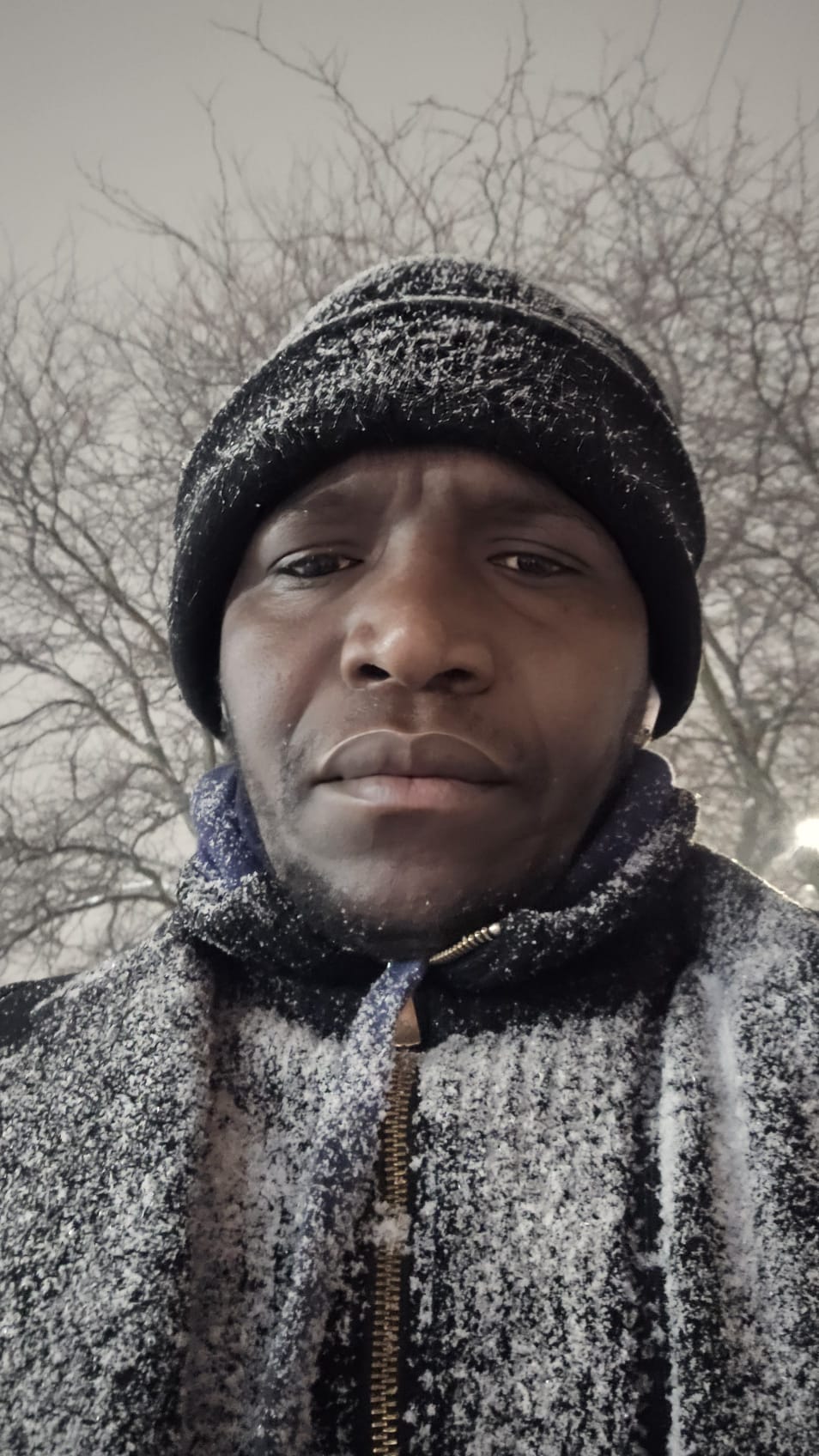
Tanui came to Canada on May 5th, 2018 with his gay partner to escape situations that could have resulted in his persecution including death if their non heteronormative relationship was discovered. They both come from a particular community in Kenya where any deviation from heteronormativity (male/female relationship) is met with persecution and even death. They both filed a refugee claim together. Just like any migrants and immigrants to Canada, Tanui and his partner experienced settlement challenges upon arriving in Canada and their gay relationship fell apart before they went for their hearing. This is not unusual for any immigrant or migrant family or romantic relationships who due to settlement challenges at the intersection of race, gender, class, and place of origin face settlement challenges that in most cases cause relationships and families to fall apart. When Tanui and his gay partner fell apart, even though they had filed their refugee claim as a couple, the complexity of their claim began. Tanui’s partner told their lawyer that since their relationship had fallen apart, their hearing dates for their claim should be different. They were both given hearing dates that were one week apart. When his partner’s hearing date came, Tanui’s partner was granted protection on the first hearing on the grounds of his non-gender conforming status. However, a week later when Tanui’s hearing date came, Tanui was denied his refugee claim, even though he had the same grounds as his ex-partner and were both using the same lawyer. This raises the question of why his claim was denied, yet they both faced similar risks and had similar claims.
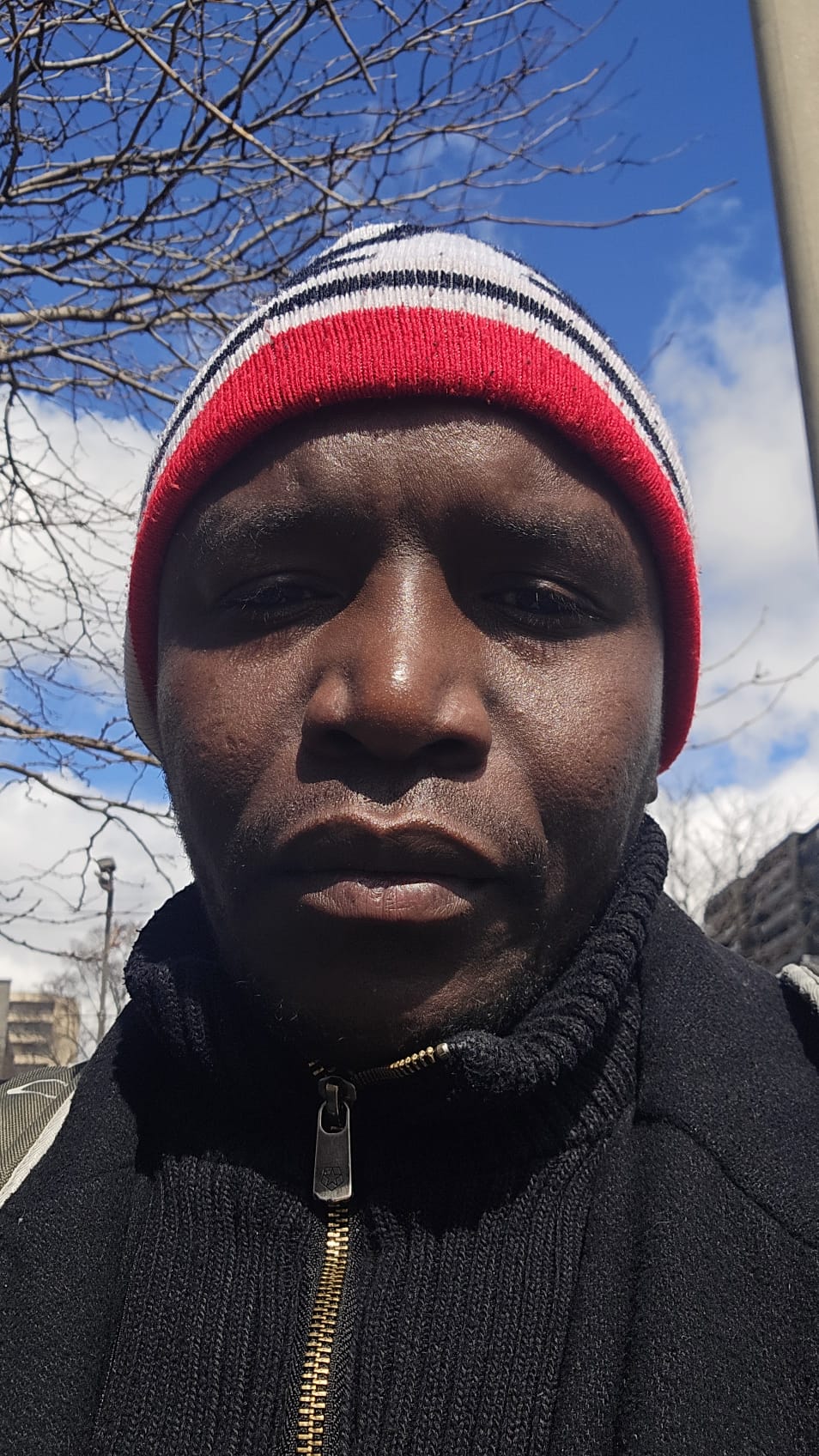
The CBSA took his Kenyan passport too. He is expected to go to the CBSA office on Monday, January 13th, 2025 to be advised of his deportation date. Tanui is traumatized and stressed thinking that there is a possibility of being returned to a place where he ran away from due to his sexuality. His mental health is significantly affected especially because in the recent past, there has been several situations where African refugee claimants have been denied due process and deportation orders issued, as well as being apprehended impromptu at CBSA reporting offices and secretly deported when they go to report as constantly required by CBSA. While the Canadian immigration services have to do their due diligence in authenticating refugee claims, queer African refugee claimants encounter the immigration process with all manners of anxiety and trauma.
Tanui is an athlete by profession but has been working as a forklift operator until September 2024 when his work permit expired. When he applied for a renewal, he was notified in November that the work permit could not be renewed, and is currently unemployed. Tanui’s several other appeals of his refugee claim that have followed have also been rejected. Tanui has not filed for a humanitarian and compassionate claim as his lawyer has advised him that humanitarian grounds will not grant him a crown to stay in Canada’, a notion that I find interesting.
In addition, his Pre-Removal Risk Assessment (PRRA) application was rejected on the ground that not much evidence is available to show that Kenya is unsafe for his unique claim. The big question here is, how come his risk is being disregarded, yet his ex-partner’s risk was considered on the same grounds they both made a claim? While in the recent past, Kenya claimed to be a non-gender conforming friendly, within individual communities, the non-gender conforming individuals face multidimensional risks. Most of their disappearances and oppression have been discoursed to other reasons to cover up the fact that they are related to being non-gender-conforming. Tanui’s claims beat the generalized checklist that would fit the Canadian immigration assessment criteria of non-gender conforming refugee claimants. His claim requires an individualized review and consideration as there is no one-size-fits-all in the criticality of cultural diversities. The risks embodied in one going against cultural norms such as his relationship with his ex-partner who is already granted status are real. Tanui is a law-abiding individual with no criminal record on file. His is not a unique case.
United Nations High Commission for Refugees (UNHCR) guidelines define refugees as people who cannot return to their country of origin due to well-founded fear of persecution, conflict, death threats, violence, or other circumstances troubling public order, making the residents seek international protection through refugee claims. UNHCR guidelines also acknowledge that non-binary conforming persons are at heightened risk of violence, abuse, discrimination, and exploitation in countries that are not embracing non-gender conforming citizens. This rejection has been noted to cause deaths and violence at home and in transit.

While Canada is globally known as a welcoming nation to freedom of sexual orientation and gender identity expression and welcoming to non-gender conforming individuals, queer African refugee claimants continue to experience multilayered discrimination at the intersection of race, gender, class and place of origin.. The expectation by Canadian immigration adjudicators that queer African refugee claimants should provide evidence of their persecution from their countries of origin on sexual minority status, adds another layer of complexity. Queer African refugee claimants are highly likely unable to exhibit their queerness openly in their countries of origin due to fear of persecution, and therefore may not have the standardized evidence. The UNHCR guidelines emphasize countries such as Canada that are deemed safe for divergent sexual expression and gender identification to avoid standardizing recognition standards of authentic sexual minority refugee claimants.
To queer African refugee claimants, running away from their homophobic home countries as Tanui's case is a necessary strategy for survival. This is demonstrated by the recent killing of an openly gay man in Kenya (Ombuor & Healy, 2023). Many have been surveyed, arrested, imprisoned, tortured, murdered, and publicly humiliated because of their sexuality or gender identity. Disguising as a gender normative individual in their countries of origin is a matter of survival. It is within this context that some queer African refugee claimants such as Tanui ends up migrating to Canada. The search for identity, intimacy, community, and security by queer African refugee claimants traverses escaping oppression within their country of origin, in transit, borders, and the host countries such as Tanui’s situation. For queer African refugee claimants, race, gender, sexuality, class, and place of origin intersect and interact to block them from fitting the ‘authentic’ queer representation. In most cases, these refugee claimants’ are deemed as fake claimants, and are mostly subjected to incarceration or disproportionate deportations.
While we acknowledge and appreciate the allowing of Tanui's partner's claim and granting him status, it still leaves many questions regarding the rejecting of Tanui's LGBTQ+ claim. What is it about Tanui's LGBTQ+ identity is different from his partners? Tanui and his partner even though their relationship fell apart, don't they both require protection? With the deportation order in his hands, Tanui is already a minority within minorities at multiple intersections.
I am humbly initiating this petition as a Canadian citizen requesting the Canadian Immigration Minister; Immigration Refugee and Citizenship Canada (IRCC), and the Canada Border Services Association (CBSA) officials to reconsider Tanui’s refugee claim and grant him the same protection they granted his partner.
Sincerely,
A Caring Canadian Citizen

2,161
The Issue
Please sign and share to help Tanui Stay in Canada
Isaack Kiprotich Tanui is a 38-year-old LGBTQ+ refugee claimant of Kenyan origin, a valuable member of the African community living in the Greater Toronto Area (GTA). On 7th January 2025, Tanui received a deportation letter from the Canada Border Services Authority (CBSA). Studies have shown that queer African refugee claimants in Canada experience oppression and segregation at the intersection of race, gender, sexuality, class and place of origin through immigration holding centers and indeterminate incarceration and deportations. Studies have shown that when bodies are constructed as deviant, the presumption is that these bodies are deserving of social sanction, surveillance, legal punishment, or eradication (Foucault,1977). Such institutionalized biases and violence are lived by most queer African refugee claimants navigating Canada immigration laws, practices and policies, that have historically criminalized Blacks/Africans and even worse non-gender conforming refugee claimants.
LGBTQ+ individuals and all non gender conforming individuals all over the world continue to fight for acceptance and equality all over the world. As they navigate dangerous borders running from their homophobic countries of origin, borders follow them everywhere. The recent past has seen disproportionate deportation orders being issued and exposing LGBTQ plus refugee claimants to situations of dire persecution and risk of death.
Tanui came to Canada on May 5th, 2018 with his gay partner to escape situations that could have resulted in his persecution including death if their non heteronormative relationship was discovered. They both come from a particular community in Kenya where any deviation from heteronormativity (male/female relationship) is met with persecution and even death. They both filed a refugee claim together. Just like any migrants and immigrants to Canada, Tanui and his partner experienced settlement challenges upon arriving in Canada and their gay relationship fell apart before they went for their hearing. This is not unusual for any immigrant or migrant family or romantic relationships who due to settlement challenges at the intersection of race, gender, class, and place of origin face settlement challenges that in most cases cause relationships and families to fall apart. When Tanui and his gay partner fell apart, even though they had filed their refugee claim as a couple, the complexity of their claim began. Tanui’s partner told their lawyer that since their relationship had fallen apart, their hearing dates for their claim should be different. They were both given hearing dates that were one week apart. When his partner’s hearing date came, Tanui’s partner was granted protection on the first hearing on the grounds of his non-gender conforming status. However, a week later when Tanui’s hearing date came, Tanui was denied his refugee claim, even though he had the same grounds as his ex-partner and were both using the same lawyer. This raises the question of why his claim was denied, yet they both faced similar risks and had similar claims.
The CBSA took his Kenyan passport too. He is expected to go to the CBSA office on Monday, January 13th, 2025 to be advised of his deportation date. Tanui is traumatized and stressed thinking that there is a possibility of being returned to a place where he ran away from due to his sexuality. His mental health is significantly affected especially because in the recent past, there has been several situations where African refugee claimants have been denied due process and deportation orders issued, as well as being apprehended impromptu at CBSA reporting offices and secretly deported when they go to report as constantly required by CBSA. While the Canadian immigration services have to do their due diligence in authenticating refugee claims, queer African refugee claimants encounter the immigration process with all manners of anxiety and trauma.
Tanui is an athlete by profession but has been working as a forklift operator until September 2024 when his work permit expired. When he applied for a renewal, he was notified in November that the work permit could not be renewed, and is currently unemployed. Tanui’s several other appeals of his refugee claim that have followed have also been rejected. Tanui has not filed for a humanitarian and compassionate claim as his lawyer has advised him that humanitarian grounds will not grant him a crown to stay in Canada’, a notion that I find interesting.
In addition, his Pre-Removal Risk Assessment (PRRA) application was rejected on the ground that not much evidence is available to show that Kenya is unsafe for his unique claim. The big question here is, how come his risk is being disregarded, yet his ex-partner’s risk was considered on the same grounds they both made a claim? While in the recent past, Kenya claimed to be a non-gender conforming friendly, within individual communities, the non-gender conforming individuals face multidimensional risks. Most of their disappearances and oppression have been discoursed to other reasons to cover up the fact that they are related to being non-gender-conforming. Tanui’s claims beat the generalized checklist that would fit the Canadian immigration assessment criteria of non-gender conforming refugee claimants. His claim requires an individualized review and consideration as there is no one-size-fits-all in the criticality of cultural diversities. The risks embodied in one going against cultural norms such as his relationship with his ex-partner who is already granted status are real. Tanui is a law-abiding individual with no criminal record on file. His is not a unique case.
United Nations High Commission for Refugees (UNHCR) guidelines define refugees as people who cannot return to their country of origin due to well-founded fear of persecution, conflict, death threats, violence, or other circumstances troubling public order, making the residents seek international protection through refugee claims. UNHCR guidelines also acknowledge that non-binary conforming persons are at heightened risk of violence, abuse, discrimination, and exploitation in countries that are not embracing non-gender conforming citizens. This rejection has been noted to cause deaths and violence at home and in transit.
While Canada is globally known as a welcoming nation to freedom of sexual orientation and gender identity expression and welcoming to non-gender conforming individuals, queer African refugee claimants continue to experience multilayered discrimination at the intersection of race, gender, class and place of origin.. The expectation by Canadian immigration adjudicators that queer African refugee claimants should provide evidence of their persecution from their countries of origin on sexual minority status, adds another layer of complexity. Queer African refugee claimants are highly likely unable to exhibit their queerness openly in their countries of origin due to fear of persecution, and therefore may not have the standardized evidence. The UNHCR guidelines emphasize countries such as Canada that are deemed safe for divergent sexual expression and gender identification to avoid standardizing recognition standards of authentic sexual minority refugee claimants.
To queer African refugee claimants, running away from their homophobic home countries as Tanui's case is a necessary strategy for survival. This is demonstrated by the recent killing of an openly gay man in Kenya (Ombuor & Healy, 2023). Many have been surveyed, arrested, imprisoned, tortured, murdered, and publicly humiliated because of their sexuality or gender identity. Disguising as a gender normative individual in their countries of origin is a matter of survival. It is within this context that some queer African refugee claimants such as Tanui ends up migrating to Canada. The search for identity, intimacy, community, and security by queer African refugee claimants traverses escaping oppression within their country of origin, in transit, borders, and the host countries such as Tanui’s situation. For queer African refugee claimants, race, gender, sexuality, class, and place of origin intersect and interact to block them from fitting the ‘authentic’ queer representation. In most cases, these refugee claimants’ are deemed as fake claimants, and are mostly subjected to incarceration or disproportionate deportations.
While we acknowledge and appreciate the allowing of Tanui's partner's claim and granting him status, it still leaves many questions regarding the rejecting of Tanui's LGBTQ+ claim. What is it about Tanui's LGBTQ+ identity is different from his partners? Tanui and his partner even though their relationship fell apart, don't they both require protection? With the deportation order in his hands, Tanui is already a minority within minorities at multiple intersections.
I am humbly initiating this petition as a Canadian citizen requesting the Canadian Immigration Minister; Immigration Refugee and Citizenship Canada (IRCC), and the Canada Border Services Association (CBSA) officials to reconsider Tanui’s refugee claim and grant him the same protection they granted his partner.
Sincerely,
A Caring Canadian Citizen
2,161
The Decision Makers

Share this petition
Petition created on January 11, 2025