Stop Silica Mine to Preserve What's Mine

Stop Silica Mine to Preserve What's Mine
The Issue
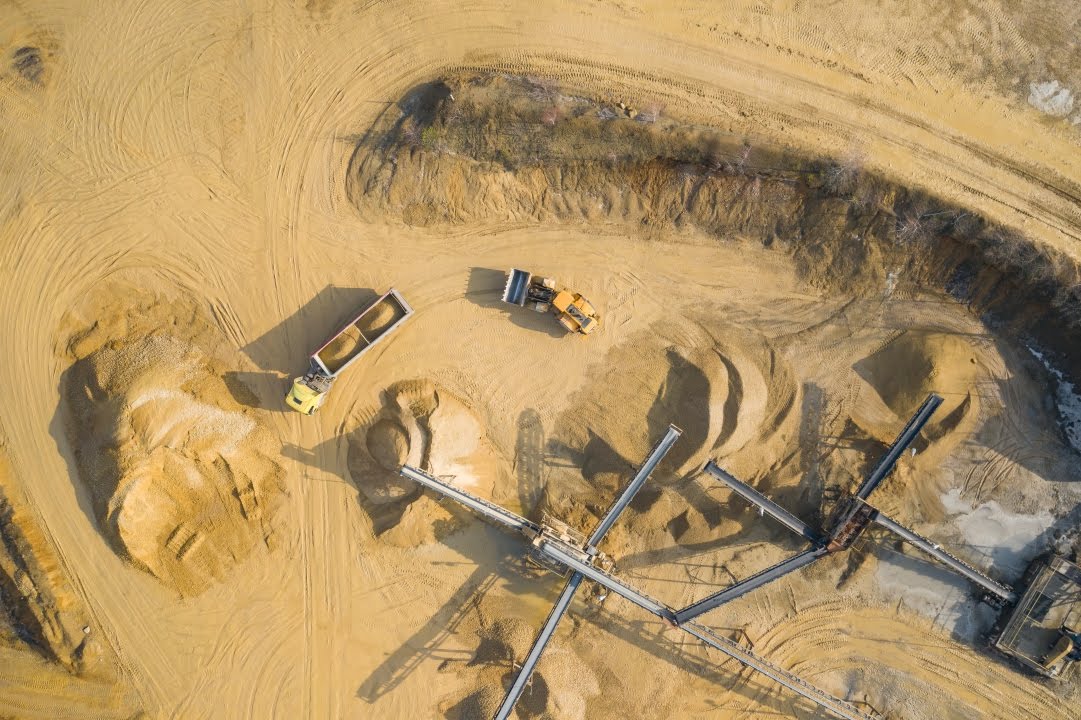
Mining is the process of extracting useful materials from the earth. Some examples of substances that are mined include coal, gold, or iron ore.
Some examples of the negative environmental impacts of mining include
- Climate change
- Deforestation/habitat destruction
- Pollution
- Soil erosion
- Human-wildlife conflictl
- Loss of biodiversity.
Mines are highly damaging to the ecosystems surrounding them. The SPM (Suspended Particulate Matter) generated by silica mining and from the rubble heaped on the side of mines, is posing threat to the local environment. These particles get accumulated on leaves and thus they disturb the photosynthesis and respiration process. In general, mining should be stopped because the particular reason for this matter is that not only does it affect our environment it also affects our health.
In almost all cases, silica mining uses open pit or dredging mining methods with standard mining equipment. Except for temporarily disturbing the immediate area while mining operations are active, sand and gravel mining usually has limited environmental impact.
Exposure to silica dust can lead to the respiratory complications such as
- pneumoconiosis
- asbestosis
- silicosis
Silicosis is caused by inhaling fine particles from the large amounts of dust generated by mining activities such as blasting and drilling. Silica dust particles become trapped in lung tissue causing inflammation and scarring. The particles also reduce the lungs' ability to take in oxygen.
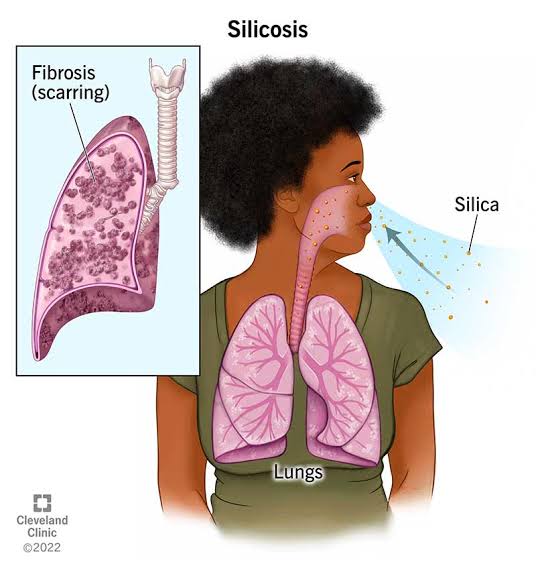
Silicosis results in permanent lung damage and is a progressive, debilitating, and sometimes fatal disease.The high amount of silica means that there is a very high risk of workers developing breathing problems and silicosis if they breathe in dust made from these products. An increase in the number of workers diagnosed with silicosis and progressive massive fibrosis has been linked to working with engineered stone. Silica sand mining or processing can affect drinking water sources. Any mine may create a pathway for chemicals and/or bacteria to reach the groundwater more easily. Over time, the silica dust particles can cause lung inflammation that leads to the formation of lung nodules and scarring in the lungs called pulmonary fibrosis. This is a progressive disease that normally takes 10–30 years after first exposure to develop.
TAKE ACTION TO THIS MATTER!
Contact information:
E-mail: clayde2005emperado@gmail.com Mobile Number: 0995-038-0902

The Issue
Mining is the process of extracting useful materials from the earth. Some examples of substances that are mined include coal, gold, or iron ore.
Some examples of the negative environmental impacts of mining include
- Climate change
- Deforestation/habitat destruction
- Pollution
- Soil erosion
- Human-wildlife conflictl
- Loss of biodiversity.
Mines are highly damaging to the ecosystems surrounding them. The SPM (Suspended Particulate Matter) generated by silica mining and from the rubble heaped on the side of mines, is posing threat to the local environment. These particles get accumulated on leaves and thus they disturb the photosynthesis and respiration process. In general, mining should be stopped because the particular reason for this matter is that not only does it affect our environment it also affects our health.
In almost all cases, silica mining uses open pit or dredging mining methods with standard mining equipment. Except for temporarily disturbing the immediate area while mining operations are active, sand and gravel mining usually has limited environmental impact.
Exposure to silica dust can lead to the respiratory complications such as
- pneumoconiosis
- asbestosis
- silicosis
Silicosis is caused by inhaling fine particles from the large amounts of dust generated by mining activities such as blasting and drilling. Silica dust particles become trapped in lung tissue causing inflammation and scarring. The particles also reduce the lungs' ability to take in oxygen.
Silicosis results in permanent lung damage and is a progressive, debilitating, and sometimes fatal disease.The high amount of silica means that there is a very high risk of workers developing breathing problems and silicosis if they breathe in dust made from these products. An increase in the number of workers diagnosed with silicosis and progressive massive fibrosis has been linked to working with engineered stone. Silica sand mining or processing can affect drinking water sources. Any mine may create a pathway for chemicals and/or bacteria to reach the groundwater more easily. Over time, the silica dust particles can cause lung inflammation that leads to the formation of lung nodules and scarring in the lungs called pulmonary fibrosis. This is a progressive disease that normally takes 10–30 years after first exposure to develop.
TAKE ACTION TO THIS MATTER!
Contact information:
E-mail: clayde2005emperado@gmail.com Mobile Number: 0995-038-0902
Petition Closed
Share this petition
Petition Updates
Share this petition
Petition created on June 4, 2023