Stop Fake Recycled Plastics from China!

Stop Fake Recycled Plastics from China!
The Issue
To. The Government of the People’s Republic of China
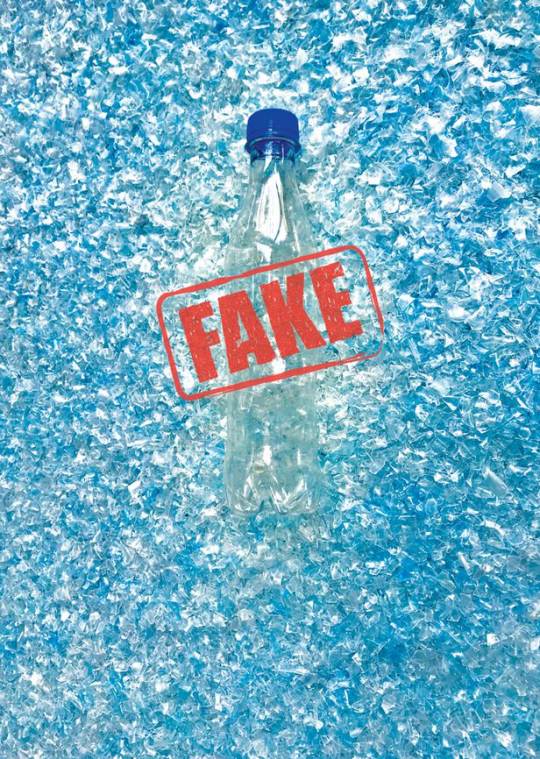
We are deeply concerned about the growing issue of greenwashing in recycled plastics. Recycled plastic was originally intended to reduce plastic waste, limit microplastic pollution, and save fossil energy. However, the massive circulation of fake recycled materials from China in international markets is undermining these purposes. This problem is not only an environmental crisis but also a serious threat to China’s international credibility and global reputation.
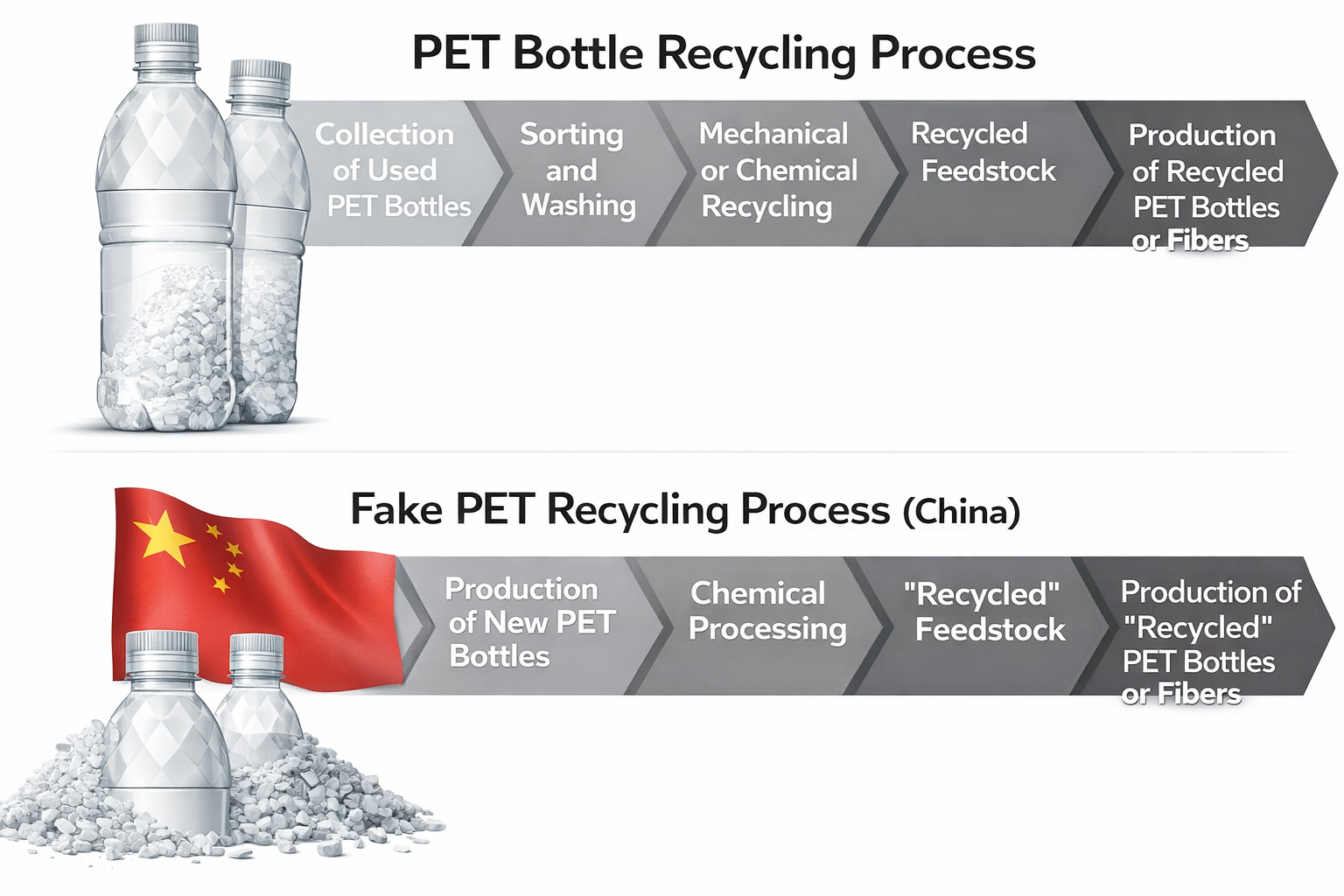
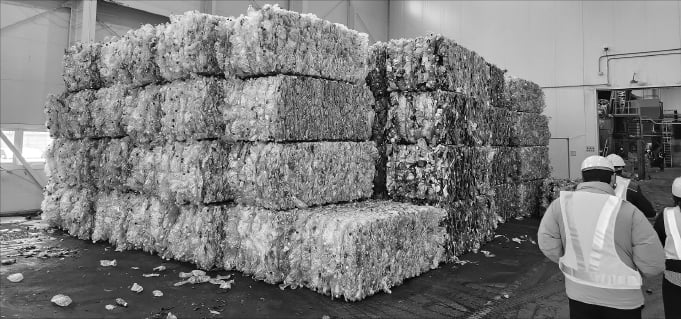
According to a 2024 report by The Korea Economic Daily, an estimated 12,000 tons of fake recycled PET materials entered Korea last year, most of them originating from mainland China or transported through third countries such as Vietnam and Malaysia. Scientific analysis conducted by Korea’s largest recycled material producer confirmed that these so-called “recycled” plastics contained none of the impurities normally found in genuine recycled feedstock, proving them to be fake.
When such materials enter the market, the very meaning of “eco-friendly” collapses. The United Nations Environment Programme (UNEP) reports that proper recycling reduces energy use by 30–40% and significantly cuts carbon emissions. By contrast, fake recycled materials release more microplastics than ordinary plastics and provide no fossil energy savings. Even worse, the spread of cheap fake feedstock undermines legitimate producers, which in the long run destroys the foundation of the global recycling industry.
We therefore urge the Chinese government to take the following actions immediately:
• Establish a government-led collection system: Take responsibility for plastic waste collection and record all quantities in a transparent public database to guarantee 100% traceability.
• Supply only to certified companies: Deliver collected plastics exclusively to government-certified companies or state-owned enterprises, eliminating opportunities for fake recycled feedstock to enter the market.
• Achieve economies of scale and efficiency: Operate recycling as a nationwide program to reduce administrative costs, avoid the need for plant-by-plant inspections, and ensure standardized quality control.
• Create national economic benefits: By exporting government-verified recycled feedstock, China can gain trust and competitiveness in global markets, turning the current stigma of “fake recycling” into an opportunity to lead the green industry.
If these measures are implemented, China will not only solve the problem of fake recycled materials but also become a global leader in sustainable industry. Microplastic pollution will decrease, the recycling sector will regain international trust, and legitimate companies will be protected.
Most importantly, China will gain direct economic benefits by securing credibility in the global export market for recycled feedstock. Over time, “Made in China” recycled materials could even become the global standard. Furthermore, strengthening true recycling is a concrete step toward achieving China’s national goal of carbon neutrality by 2060, as it accelerates emissions reduction and supports long-term sustainable growth.
We strongly urge the Chinese government to ban the distribution of fake recycled plastics and to introduce a government-led collection system without delay. This is not only a domestic concern but also a challenge that affects the entire planet.
By acting now, China has the chance to restore international trust, strengthen its economic competitiveness, and take decisive steps toward its 2060 carbon neutrality goal. The world is watching, and with responsible leadership, China can demonstrate that it is committed to protecting both the environment and the future of humanity.

9
The Issue
To. The Government of the People’s Republic of China
We are deeply concerned about the growing issue of greenwashing in recycled plastics. Recycled plastic was originally intended to reduce plastic waste, limit microplastic pollution, and save fossil energy. However, the massive circulation of fake recycled materials from China in international markets is undermining these purposes. This problem is not only an environmental crisis but also a serious threat to China’s international credibility and global reputation.
According to a 2024 report by The Korea Economic Daily, an estimated 12,000 tons of fake recycled PET materials entered Korea last year, most of them originating from mainland China or transported through third countries such as Vietnam and Malaysia. Scientific analysis conducted by Korea’s largest recycled material producer confirmed that these so-called “recycled” plastics contained none of the impurities normally found in genuine recycled feedstock, proving them to be fake.
When such materials enter the market, the very meaning of “eco-friendly” collapses. The United Nations Environment Programme (UNEP) reports that proper recycling reduces energy use by 30–40% and significantly cuts carbon emissions. By contrast, fake recycled materials release more microplastics than ordinary plastics and provide no fossil energy savings. Even worse, the spread of cheap fake feedstock undermines legitimate producers, which in the long run destroys the foundation of the global recycling industry.
We therefore urge the Chinese government to take the following actions immediately:
• Establish a government-led collection system: Take responsibility for plastic waste collection and record all quantities in a transparent public database to guarantee 100% traceability.
• Supply only to certified companies: Deliver collected plastics exclusively to government-certified companies or state-owned enterprises, eliminating opportunities for fake recycled feedstock to enter the market.
• Achieve economies of scale and efficiency: Operate recycling as a nationwide program to reduce administrative costs, avoid the need for plant-by-plant inspections, and ensure standardized quality control.
• Create national economic benefits: By exporting government-verified recycled feedstock, China can gain trust and competitiveness in global markets, turning the current stigma of “fake recycling” into an opportunity to lead the green industry.
If these measures are implemented, China will not only solve the problem of fake recycled materials but also become a global leader in sustainable industry. Microplastic pollution will decrease, the recycling sector will regain international trust, and legitimate companies will be protected.
Most importantly, China will gain direct economic benefits by securing credibility in the global export market for recycled feedstock. Over time, “Made in China” recycled materials could even become the global standard. Furthermore, strengthening true recycling is a concrete step toward achieving China’s national goal of carbon neutrality by 2060, as it accelerates emissions reduction and supports long-term sustainable growth.
We strongly urge the Chinese government to ban the distribution of fake recycled plastics and to introduce a government-led collection system without delay. This is not only a domestic concern but also a challenge that affects the entire planet.
By acting now, China has the chance to restore international trust, strengthen its economic competitiveness, and take decisive steps toward its 2060 carbon neutrality goal. The world is watching, and with responsible leadership, China can demonstrate that it is committed to protecting both the environment and the future of humanity.
9
Petition Updates
Share this petition
Petition created on January 8, 2026