

Stop Copenhagen Zoo from using unwanted pets as food
The Issue
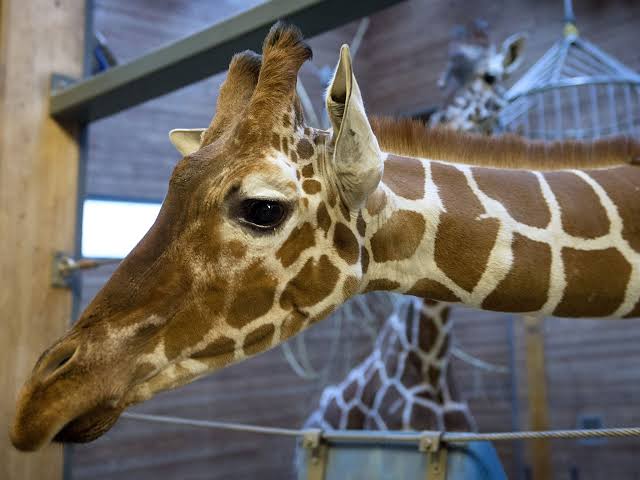

No animal is 'unwanted'. Each one deserves a chance to be loved and cared for in a suitable environment, not labelled as worthless and discarded like a mere object. It is disheartening to learn that Copenhagen Zoo is asking the public to donate their unwanted pets, only to turn them into a food supply for other animals. This practice not only undermines the ethical treatment of animals but also disregards the countless alternatives available for rehoming pets to loving families or rescue organizations.
While it is understood that zoos need to provide for the nutritional requirements of their animals, sourcing food in this manner is both irresponsible and ethically questionable. Many pet owners find themselves in difficult situations, unable to continue caring for their beloved animals due to unforeseen circumstances. Our society has long embraced the idea of rescue organizations and sanctuaries as places where animals can find a new life. The notion that these pets could instead end up as food is deeply troubling.
Marius (6 February 2012 – 9 February 2014) was a male giraffe living at Copenhagen Zoo. Though healthy, he was genetically unsuitable for future captive breeding, as his genes were over-represented in the captive population, so the zoo authorities decided to euthanize him. Despite several offers to adopt Marius and an online petition to save him, he was killed on 9 February 2014. EAZA member Krakow Zoo said it offered to adopt Marius but received an unexplained refusal from the EAZA.[13] A last-minute offer by EAZA member Yorkshire Wildlife Park to adopt Marius into a bachelor herd in its giraffe house was declined. Eventually Marius the Giraffe was put down with a bolt gun. Marius was dissected in front of families and children.
Dublin Zoo in Ireland was "saddened" by the giraffe's death, calling it "cold, calculated, cynical and callous"
Moscow Zoo in Russia condemned the actions, saying it did not support killing policies and also expressed concern for the potential harm to children who attended the dissection.
Many Zoo's around the world could not understand the zoo's reasonings for killing Marius.
If the public start donating their unwanted animals to Zoo's like this, what will be the future of these domestic animals who rely on us to be looked after and cared for? Copenhagen Zoo needs to consider seeking alternative, ethical sources for meeting the dietary needs of its carnivorous inhabitants.
Animal welfare is a reflection of our humanity. Ensuring ethical practices in how we treat animals in captivity and beyond is crucial. Copenhagen Zoo has an opportunity to set an example by discontinuing this practice of asking members of the public to donate their unwanted pets.
Stand with me in urging Copenhagen Zoo to change their approach and support alternatives that do not involve using unwanted pets as food. Ultimately, if Copenhagen Zoo are unable to provide for the animals in their care, the Zoo should be shut down and the animals should be adopted by other zoos who adopt a more sensible and ethical approach to feeding these animals. Let's make sure another Marius is not killed in the name of donations!
3,910
The Issue
No animal is 'unwanted'. Each one deserves a chance to be loved and cared for in a suitable environment, not labelled as worthless and discarded like a mere object. It is disheartening to learn that Copenhagen Zoo is asking the public to donate their unwanted pets, only to turn them into a food supply for other animals. This practice not only undermines the ethical treatment of animals but also disregards the countless alternatives available for rehoming pets to loving families or rescue organizations.
While it is understood that zoos need to provide for the nutritional requirements of their animals, sourcing food in this manner is both irresponsible and ethically questionable. Many pet owners find themselves in difficult situations, unable to continue caring for their beloved animals due to unforeseen circumstances. Our society has long embraced the idea of rescue organizations and sanctuaries as places where animals can find a new life. The notion that these pets could instead end up as food is deeply troubling.
Marius (6 February 2012 – 9 February 2014) was a male giraffe living at Copenhagen Zoo. Though healthy, he was genetically unsuitable for future captive breeding, as his genes were over-represented in the captive population, so the zoo authorities decided to euthanize him. Despite several offers to adopt Marius and an online petition to save him, he was killed on 9 February 2014. EAZA member Krakow Zoo said it offered to adopt Marius but received an unexplained refusal from the EAZA.[13] A last-minute offer by EAZA member Yorkshire Wildlife Park to adopt Marius into a bachelor herd in its giraffe house was declined. Eventually Marius the Giraffe was put down with a bolt gun. Marius was dissected in front of families and children.
Dublin Zoo in Ireland was "saddened" by the giraffe's death, calling it "cold, calculated, cynical and callous"
Moscow Zoo in Russia condemned the actions, saying it did not support killing policies and also expressed concern for the potential harm to children who attended the dissection.
Many Zoo's around the world could not understand the zoo's reasonings for killing Marius.
If the public start donating their unwanted animals to Zoo's like this, what will be the future of these domestic animals who rely on us to be looked after and cared for? Copenhagen Zoo needs to consider seeking alternative, ethical sources for meeting the dietary needs of its carnivorous inhabitants.
Animal welfare is a reflection of our humanity. Ensuring ethical practices in how we treat animals in captivity and beyond is crucial. Copenhagen Zoo has an opportunity to set an example by discontinuing this practice of asking members of the public to donate their unwanted pets.
Stand with me in urging Copenhagen Zoo to change their approach and support alternatives that do not involve using unwanted pets as food. Ultimately, if Copenhagen Zoo are unable to provide for the animals in their care, the Zoo should be shut down and the animals should be adopted by other zoos who adopt a more sensible and ethical approach to feeding these animals. Let's make sure another Marius is not killed in the name of donations!
The Decision Makers

Supporter Voices
Petition Updates
Share this petition
Petition created on 6 August 2025