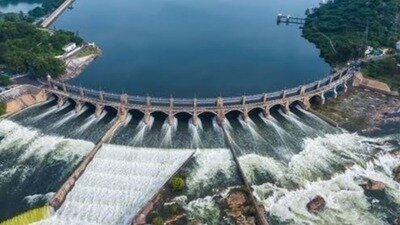

Stop building Mekedatu dam
The Issue
Cauvery river is flowing 800 km from Karnataka to the Bay of Bengal. The river originates from Talakaveri, Karnataka. The river flows for about 320 km (200 mi) through the Deccan Plateau in Karnataka before entering Tamil Nadu. It flows further eastward in Tamil Nadu for 416 km (258 mi) before flowing into the Bay of Bengal near Poompuhar in Mayiladuthurai district of Tamil Nadu. The river supports agriculture, hydroelectric power, and cultural traditions.
The river is mentioned in various Hindu religious texts including the Mahabharata and the Puranas. In ancient Tamil literature, the river is referenced to as Ponni meaning "the golden one".
Mekedatu is a proposed balancing reservoir and hydroelectric project across the Cauvery River in Karnataka, India. It is a long running dispute between two neighbour states - Karanataka and TamilNadu.
The Karnataka government wants to build dam for the purpose of:
- To supply drinking water to the Bengaluru Metropolitan Region and nearby towns
- Store surplus water during monsoon season and generate about 400 MW of hydroelectric power
Why Tamilnadu opposes:
Karnataka is expected to release Cauvery water to Tamil Nadu through three sources:
- Natural flows: Water flowing downstream of the River Kabini, from the catchment areas of the Krishnarajasagar (KRS) reservoir, the sub-basins of the Shimsha, Arkavathi and Suvarnavathi rivers, as well as water from minor rivers.
- Kabini Dam: Water released from the Kabini Dam.
- Krishnarajasagar (KRS) Dam: Water released from the KRS Dam.
- The second and third sources are under Karnataka’s control. Therefore, water can be released to Tamil Nadu from these reservoirs only after Karnataka has ensured that sufficient water is stored for its own requirements.
- However, the first source is different, as there is currently no dam obstructing the natural flow of water from these areas. As a result, water from these catchments has been reaching Tamil Nadu without hindrance so far.
- The concern is that Karnataka may seek to block or regulate this natural source of Cauvery water through the proposed Mekedatu dam, thereby potentially affecting the flow of water to Tamil Nadu.
How it will affect Tamilnadu farmers:
If blocking or significantly regulating the natural inflows described above could affect farmers mainly through reduced and less predictable Cauvery flows.
• Less water for irrigation: Lower inflows into Tamil Nadu could reduce the water available for Cauvery delta irrigation, particularly for kuruvai, samba and thaladi paddy cultivation.
• Delayed sowing: If water does not arrive on time, farmers may have to postpone planting or leave some land uncultivated.
• Lower crop yields: Insufficient irrigation during critical stages of paddy growth can reduce yields and, in severe cases, cause crop failure.
• Greater dependence on groundwater: Farmers may have to rely more heavily on borewells, increasing pumping costs and putting additional pressure on groundwater.
• Higher cultivation costs: Farmers could face increased expenses for diesel/electricity for pumping, irrigation equipment and, potentially, re-sowing.
• Greater uncertainty: Irregular or delayed releases make it harder for farmers to plan their cropping calendar and decide how much land to cultivate.
• Impact beyond paddy: Reduced Cauvery availability can also affect sugarcane, banana, pulses and other crops grown in the delta and adjoining irrigated areas.
• Economic impact: Lower production can affect farm income, agricultural labour employment and local businesses that depend on the farming economy.
Environmental Concerns if Mekedatu is built:
1. The project would require around 12000 acres in which 98% is forest land.
2. Around 500 households will be affected
3. The proposed reservoir is inside Cauvery Wildlife Sanctuary which is a home to tigers, leopards, Asian elephants and many others.
4. Cauvery also contains India's iconic freshwater fish and endangered hump-backed Masheer.
Stopping Mekedatu not only protects irrigation in Tamilnadu but also saves environment in Karnataka. Kindly show your support by signing this petition to "Stop Mekedatu Project".

78
The Issue
Cauvery river is flowing 800 km from Karnataka to the Bay of Bengal. The river originates from Talakaveri, Karnataka. The river flows for about 320 km (200 mi) through the Deccan Plateau in Karnataka before entering Tamil Nadu. It flows further eastward in Tamil Nadu for 416 km (258 mi) before flowing into the Bay of Bengal near Poompuhar in Mayiladuthurai district of Tamil Nadu. The river supports agriculture, hydroelectric power, and cultural traditions.
The river is mentioned in various Hindu religious texts including the Mahabharata and the Puranas. In ancient Tamil literature, the river is referenced to as Ponni meaning "the golden one".
Mekedatu is a proposed balancing reservoir and hydroelectric project across the Cauvery River in Karnataka, India. It is a long running dispute between two neighbour states - Karanataka and TamilNadu.
The Karnataka government wants to build dam for the purpose of:
- To supply drinking water to the Bengaluru Metropolitan Region and nearby towns
- Store surplus water during monsoon season and generate about 400 MW of hydroelectric power
Why Tamilnadu opposes:
Karnataka is expected to release Cauvery water to Tamil Nadu through three sources:
- Natural flows: Water flowing downstream of the River Kabini, from the catchment areas of the Krishnarajasagar (KRS) reservoir, the sub-basins of the Shimsha, Arkavathi and Suvarnavathi rivers, as well as water from minor rivers.
- Kabini Dam: Water released from the Kabini Dam.
- Krishnarajasagar (KRS) Dam: Water released from the KRS Dam.
- The second and third sources are under Karnataka’s control. Therefore, water can be released to Tamil Nadu from these reservoirs only after Karnataka has ensured that sufficient water is stored for its own requirements.
- However, the first source is different, as there is currently no dam obstructing the natural flow of water from these areas. As a result, water from these catchments has been reaching Tamil Nadu without hindrance so far.
- The concern is that Karnataka may seek to block or regulate this natural source of Cauvery water through the proposed Mekedatu dam, thereby potentially affecting the flow of water to Tamil Nadu.
How it will affect Tamilnadu farmers:
If blocking or significantly regulating the natural inflows described above could affect farmers mainly through reduced and less predictable Cauvery flows.
• Less water for irrigation: Lower inflows into Tamil Nadu could reduce the water available for Cauvery delta irrigation, particularly for kuruvai, samba and thaladi paddy cultivation.
• Delayed sowing: If water does not arrive on time, farmers may have to postpone planting or leave some land uncultivated.
• Lower crop yields: Insufficient irrigation during critical stages of paddy growth can reduce yields and, in severe cases, cause crop failure.
• Greater dependence on groundwater: Farmers may have to rely more heavily on borewells, increasing pumping costs and putting additional pressure on groundwater.
• Higher cultivation costs: Farmers could face increased expenses for diesel/electricity for pumping, irrigation equipment and, potentially, re-sowing.
• Greater uncertainty: Irregular or delayed releases make it harder for farmers to plan their cropping calendar and decide how much land to cultivate.
• Impact beyond paddy: Reduced Cauvery availability can also affect sugarcane, banana, pulses and other crops grown in the delta and adjoining irrigated areas.
• Economic impact: Lower production can affect farm income, agricultural labour employment and local businesses that depend on the farming economy.
Environmental Concerns if Mekedatu is built:
1. The project would require around 12000 acres in which 98% is forest land.
2. Around 500 households will be affected
3. The proposed reservoir is inside Cauvery Wildlife Sanctuary which is a home to tigers, leopards, Asian elephants and many others.
4. Cauvery also contains India's iconic freshwater fish and endangered hump-backed Masheer.
Stopping Mekedatu not only protects irrigation in Tamilnadu but also saves environment in Karnataka. Kindly show your support by signing this petition to "Stop Mekedatu Project".
Petition Updates
Share this petition
Petition created on 8 August 2026