
Stop Animal Abuse and Implement Stricter Laws
The Issue
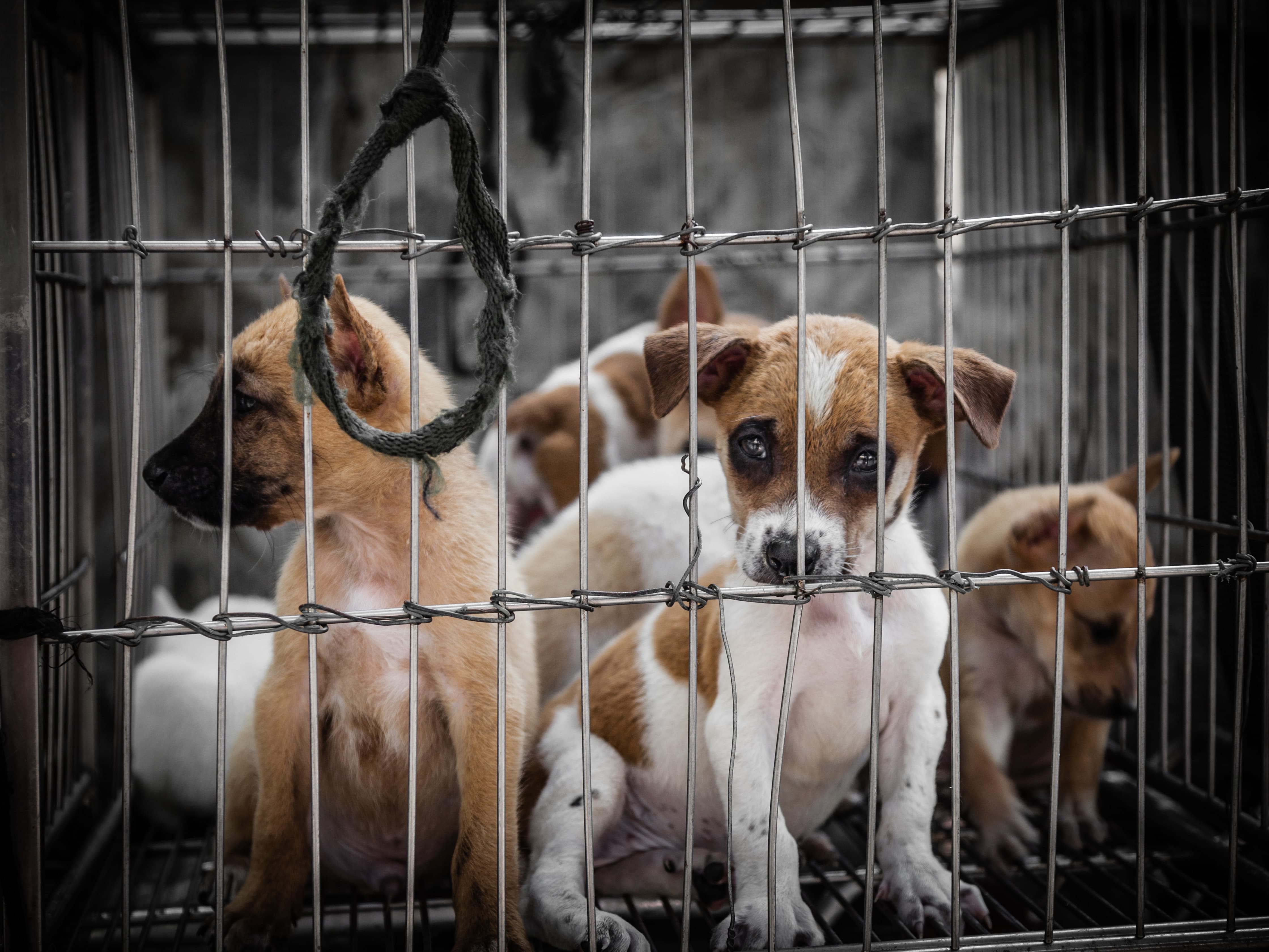
I have personally witnessed the heart-wrenching effects of animal abuse. The sight of innocent creatures suffering at the hands of humans is a painful reality that needs immediate attention. Every year, thousands of animals suffer from neglect, cruelty, and violence. According to the American Society for the Prevention of Cruelty to Animals (ASPCA), nearly 1 million animals are abused or killed in connection with domestic violence each year in America alone.
•INTRODUCTION
Something momentous happened in 2014 in the evolution of global animal law. For the first time, an international tribunal recognized animal welfare as normative matter that has status at the international level, describing it as ‘an ethical responsibility for human beings in general’ and ‘a globally recognized issue.
•ANIMAL PROTECTION AS A GLOBAL CONCERN
I use the term animal protection’ to refer to both animal welfare and the conservation of animal species. However, animal protection as used here is not just a shorthand label to describe two different things at the same time. It is also meant to express a connection, and an overlap in conceptual underpinnings, between welfare and conservation, which are often thought of as distinct and even, to some extent, opposed ideas. The term ‘animal protection’ is intended to signify that these two categories of legal norms are actually connected, and share underlying foundations. In turn, the developments in the international trade context on animal welfare and wildlife protection can be understood not as dissociated phenomena but as conceptually linked initiatives building international norms of animal protection. I aim to show that trade law has contributed to the articulation of more holistic norms regarding the protection of animals which connect conservation and welfare, rather than keeping them apart as distinct categories.
Republic Act 8485 – Animal Welfare Act of 1998
An Act to promote animal welfare in the Philippines, otherwise known as “The Animal Welfare Act of 1998”.
The Animal Welfare Act of 1998 is the first law in the Philippines that aimed to protect the welfare of animals by prohibiting acts of cruelty towards animals, such as maltreatment, torture, killing, and neglect. The animal welfare law also regulates the sale, transport, and handling of animals to ensure their welfare. Violators of this law may face penalties, including fines and imprisonment.
Republic Act 10631 – Philippine Animal Welfare Act of 2013
An Act amending certain sections of Republic Act No. 8485, otherwise known as “The Animal Welfare Act of 1998”.
This animal welfare law strengthens the Animal Welfare Act of 1998 by providing stricter penalties for animal cruelty. It includes higher fines and longer imprisonment terms for offenders. The law also includes provisions on responsible pet ownership, such as the requirement for pet owners to have their pets vaccinated, registered, and properly cared for.
Republic Act 9482
This Act provides for the control, prevention of the spread and eventual eradication of human and animal rabies.
A National Rabies Prevention and Control Program shall be established, and its functions shall include the following: mass vaccination of dogs; establishment of a central database system for registered and vaccinated dogs; impounding, field control and disposition of unregistered and unvaccinated dogs; promoting information and education campaigns on the prevention and control of rabies. The Act further provides for the following matters: responsibilities of pet owners, government agencies and local government units; dog population control; and penalties.
The belief that animals should be accorded some form of rights is an ancient one. In its modern form, the list of basic animal rights is becoming more concrete. For example, because animals desire to live free from suffering, confinement, and death humanity should take these relatable interests into account, and defend their right to enjoy an existence free from these cruelties.
What Are Some Examples Of Animal Rights?
•Right to be free from torture
•Right to be free from death
•Right to be free from confinement
8 Ways To Stop Animal Abuse
1. Adopt AND Rescue Animal
Pets in animal rescues come from a variety of backgrounds. Often, they come from homes where they suffer abuse. Adopting a rescue animal and giving it proper love and care goes a long way to stop animal abuse.
2. Care For Your Pet Properly
Stopping animal abuse starts at home. Taking care of your pet properly is the most important part of pet ownership. Your pet needs exercise and a diet that fits their needs. They also may need yearly visits to the vet to make sure they are in good health. Owning a pet comes with responsibility to care for the animal the correct way.
3. Teach Kids To Love Animals
Another way to stop animal abuse is to invest in the future. Showing children a good influence on how to treat animals is very important. Showing animals respect in front of children goes a long way in preventing animal cruelty.
4. Support Animal Rescues
One of the best ways to stop animal abuse is to support the experts. Animal rescues are designed to save animals and prevent abuse as much as possible. Supporting animal rescues with a donation or volunteering goes a long way to stop animal abuse.
5. Avoid Products With Animal Testing
Be a smart and empathetic shopper. Read the labels and do your research. If you want to stop animal abuse and prevent animal cruelty, you can start by not buying products that test on animals. This may force brands to pivot and test products in a more humane way.
6. Foster A Pet
You can’t adopt every animal in need. However, you may be able to temporarily take in an animal in need. Before this pet can find a permanent home, you can take them out of a bad situation and give them a loving place to live. This can be helpful is stopping animal abuse.
7. Safely Report If You Witness Animal Cruelty
If you witness or suspect animal abuse, contact the proper authorities. It may not be safe to intervene yourself. However, you can help stop animal cruelty by alerting advocates for animals of an abusive situation. These animals could wind up in shelters where they can find a better home.
8. Support Laws That Protect Animals
In your local government, support laws that protect animals. Animal cruelty laws vary throughout the country. You can help make your area a safer place for animals by supporting the proper laws and ordinances.
This petition aims to urge lawmakers to implement stricter laws against animal abuse and ensure their enforcement. It is our moral obligation as a society to protect these voiceless beings from harm and provide them with a safe environment where they can thrive.
We need your support in this fight against animal abuse. By signing this petition, you are not only giving voice to these innocent creatures but also taking a stand against cruelty and injustice. Together we can make a difference! Please sign this petition now!

1,576
The Issue
I have personally witnessed the heart-wrenching effects of animal abuse. The sight of innocent creatures suffering at the hands of humans is a painful reality that needs immediate attention. Every year, thousands of animals suffer from neglect, cruelty, and violence. According to the American Society for the Prevention of Cruelty to Animals (ASPCA), nearly 1 million animals are abused or killed in connection with domestic violence each year in America alone.
•INTRODUCTION
Something momentous happened in 2014 in the evolution of global animal law. For the first time, an international tribunal recognized animal welfare as normative matter that has status at the international level, describing it as ‘an ethical responsibility for human beings in general’ and ‘a globally recognized issue.
•ANIMAL PROTECTION AS A GLOBAL CONCERN
I use the term animal protection’ to refer to both animal welfare and the conservation of animal species. However, animal protection as used here is not just a shorthand label to describe two different things at the same time. It is also meant to express a connection, and an overlap in conceptual underpinnings, between welfare and conservation, which are often thought of as distinct and even, to some extent, opposed ideas. The term ‘animal protection’ is intended to signify that these two categories of legal norms are actually connected, and share underlying foundations. In turn, the developments in the international trade context on animal welfare and wildlife protection can be understood not as dissociated phenomena but as conceptually linked initiatives building international norms of animal protection. I aim to show that trade law has contributed to the articulation of more holistic norms regarding the protection of animals which connect conservation and welfare, rather than keeping them apart as distinct categories.
Republic Act 8485 – Animal Welfare Act of 1998
An Act to promote animal welfare in the Philippines, otherwise known as “The Animal Welfare Act of 1998”.
The Animal Welfare Act of 1998 is the first law in the Philippines that aimed to protect the welfare of animals by prohibiting acts of cruelty towards animals, such as maltreatment, torture, killing, and neglect. The animal welfare law also regulates the sale, transport, and handling of animals to ensure their welfare. Violators of this law may face penalties, including fines and imprisonment.
Republic Act 10631 – Philippine Animal Welfare Act of 2013
An Act amending certain sections of Republic Act No. 8485, otherwise known as “The Animal Welfare Act of 1998”.
This animal welfare law strengthens the Animal Welfare Act of 1998 by providing stricter penalties for animal cruelty. It includes higher fines and longer imprisonment terms for offenders. The law also includes provisions on responsible pet ownership, such as the requirement for pet owners to have their pets vaccinated, registered, and properly cared for.
Republic Act 9482
This Act provides for the control, prevention of the spread and eventual eradication of human and animal rabies.
A National Rabies Prevention and Control Program shall be established, and its functions shall include the following: mass vaccination of dogs; establishment of a central database system for registered and vaccinated dogs; impounding, field control and disposition of unregistered and unvaccinated dogs; promoting information and education campaigns on the prevention and control of rabies. The Act further provides for the following matters: responsibilities of pet owners, government agencies and local government units; dog population control; and penalties.
The belief that animals should be accorded some form of rights is an ancient one. In its modern form, the list of basic animal rights is becoming more concrete. For example, because animals desire to live free from suffering, confinement, and death humanity should take these relatable interests into account, and defend their right to enjoy an existence free from these cruelties.
What Are Some Examples Of Animal Rights?
•Right to be free from torture
•Right to be free from death
•Right to be free from confinement
8 Ways To Stop Animal Abuse
1. Adopt AND Rescue Animal
Pets in animal rescues come from a variety of backgrounds. Often, they come from homes where they suffer abuse. Adopting a rescue animal and giving it proper love and care goes a long way to stop animal abuse.
2. Care For Your Pet Properly
Stopping animal abuse starts at home. Taking care of your pet properly is the most important part of pet ownership. Your pet needs exercise and a diet that fits their needs. They also may need yearly visits to the vet to make sure they are in good health. Owning a pet comes with responsibility to care for the animal the correct way.
3. Teach Kids To Love Animals
Another way to stop animal abuse is to invest in the future. Showing children a good influence on how to treat animals is very important. Showing animals respect in front of children goes a long way in preventing animal cruelty.
4. Support Animal Rescues
One of the best ways to stop animal abuse is to support the experts. Animal rescues are designed to save animals and prevent abuse as much as possible. Supporting animal rescues with a donation or volunteering goes a long way to stop animal abuse.
5. Avoid Products With Animal Testing
Be a smart and empathetic shopper. Read the labels and do your research. If you want to stop animal abuse and prevent animal cruelty, you can start by not buying products that test on animals. This may force brands to pivot and test products in a more humane way.
6. Foster A Pet
You can’t adopt every animal in need. However, you may be able to temporarily take in an animal in need. Before this pet can find a permanent home, you can take them out of a bad situation and give them a loving place to live. This can be helpful is stopping animal abuse.
7. Safely Report If You Witness Animal Cruelty
If you witness or suspect animal abuse, contact the proper authorities. It may not be safe to intervene yourself. However, you can help stop animal cruelty by alerting advocates for animals of an abusive situation. These animals could wind up in shelters where they can find a better home.
8. Support Laws That Protect Animals
In your local government, support laws that protect animals. Animal cruelty laws vary throughout the country. You can help make your area a safer place for animals by supporting the proper laws and ordinances.
This petition aims to urge lawmakers to implement stricter laws against animal abuse and ensure their enforcement. It is our moral obligation as a society to protect these voiceless beings from harm and provide them with a safe environment where they can thrive.
We need your support in this fight against animal abuse. By signing this petition, you are not only giving voice to these innocent creatures but also taking a stand against cruelty and injustice. Together we can make a difference! Please sign this petition now!
Supporter Voices
Petition Updates
Share this petition
Petition created on November 25, 2023