
Species, Not Stock: ban wild animal photo props in Egypt’s tourist areas
The Issue
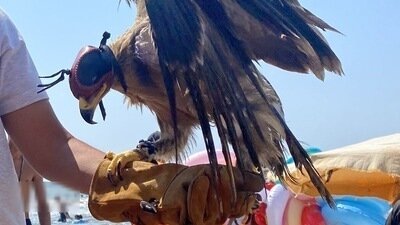
In tourist areas across Egypt, wild animals are used as props for souvenir photographs. Birds of prey, owls, constrictor snakes and primates are carried through public places and handed to members of the public to hold and photograph for a fee.
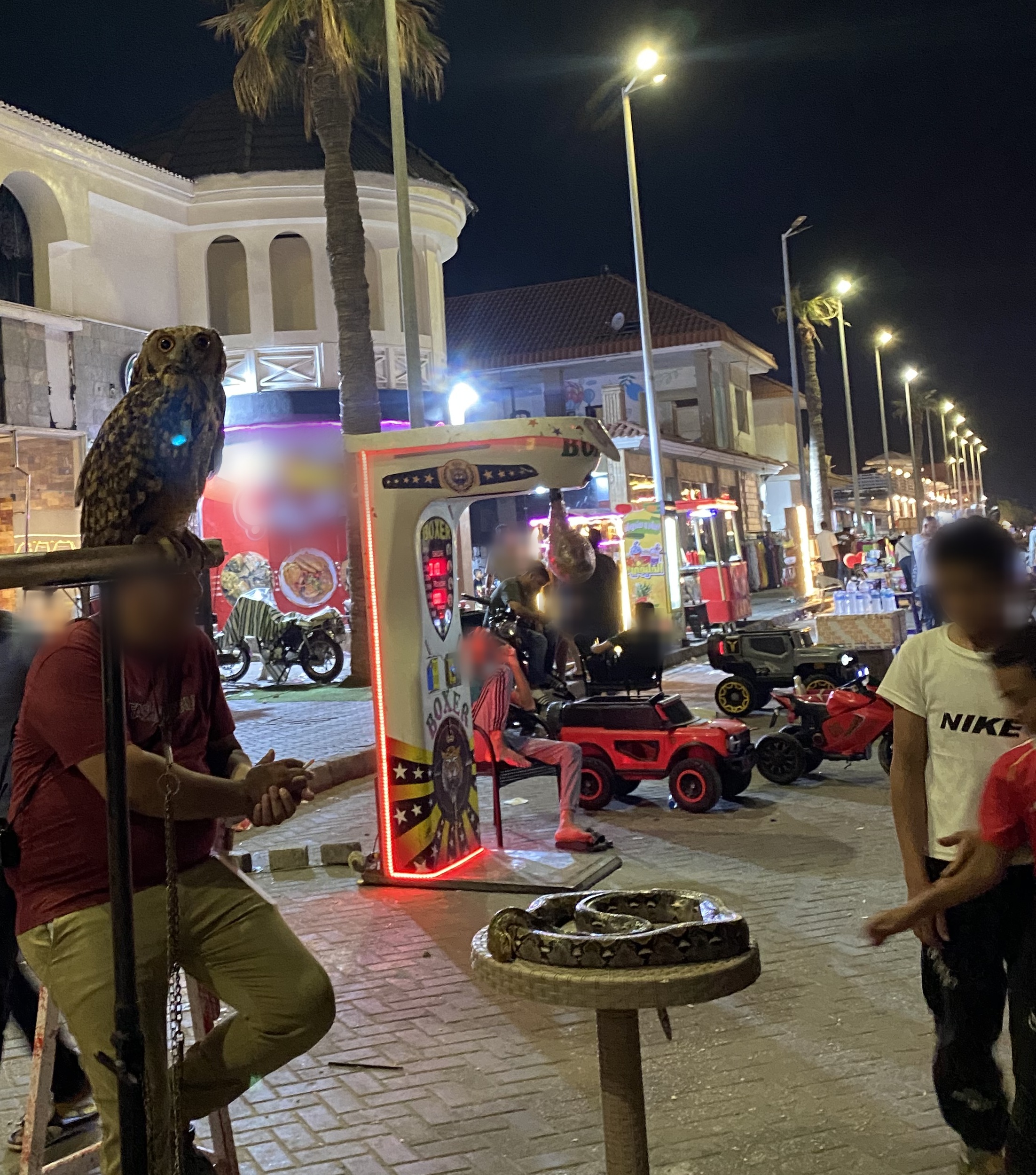
I am a lawyer in Egypt. In August 2026 I documented this practice in Ras El Bar, Damietta Governorate, where the animals are worked across the town: the public beach by day, the Nile street and the market at night.
Egyptian law treats wild birds and animals as protected. This trade treats them as stock.
CONDITIONS
The animals are tethered by chain or cord through the working day and handled repeatedly by strangers, in crowds, in direct sun and under lights at night. Nothing discloses their origin, health status or vaccination history to the people handling them.
RISKS
These conditions belong to the work and cannot be improved while it continues. Wild animals handled at this frequency, in crowds that include children, carry recognised risks of rabies, salmonella, and injury from talons and constrictors. The use of captive wild animals as photographic props is documented internationally as a welfare and public health problem, and organisations including Born Free have called for it to be prohibited.
THE LAW
The practice is already unlawful. Article 28 of Environment Law No. 4 of 1994 prohibits catching, killing, possessing, moving about with, selling and displaying for sale the wild birds and animals whose species are listed in the executive regulations. Birds of prey and owls are among them. Article 84 provides for imprisonment and a fine of between 5,000 and 50,000 Egyptian pounds, and in every case requires the court to order confiscation of the animals seized and of the equipment used.
The prohibition is not in doubt. What is absent is enforcement in the one place the trade operates, which is the public street and the public beach.
LIVELIHOODS
The people holding the chains are seasonal workers, and they are not the object of this petition. The animals reach them through a chain of supply that no permit covers, and the activity occupies public land that no permit authorises. A governorate decision reaches both, at the level of the permit rather than the individual.
DEMANDS
To the Governor of Damietta:
1. Issue a governorate decision prohibiting the use of live animals for paid photography and entertainment in public places.
2. Direct the local units to enforce it as unlicensed occupation of public property.
To the Ministry of Local Development and Environment:
3. Seize the animals used in this trade in Ras El Bar under Law No. 4 of 1994 and place them in appropriate care pending legal proceedings.
4. Establish a seasonal inspection of Egypt’s tourist areas, run jointly by the Nature Protection Sector and the regional branches of the Environmental Affairs Agency.
The practice returns with every season. A decision taken now would prevent the next one. Signatures on this petition will be submitted to the Governorate of Damietta together with the documentation.

44
The Issue
In tourist areas across Egypt, wild animals are used as props for souvenir photographs. Birds of prey, owls, constrictor snakes and primates are carried through public places and handed to members of the public to hold and photograph for a fee.
I am a lawyer in Egypt. In August 2026 I documented this practice in Ras El Bar, Damietta Governorate, where the animals are worked across the town: the public beach by day, the Nile street and the market at night.
Egyptian law treats wild birds and animals as protected. This trade treats them as stock.
CONDITIONS
The animals are tethered by chain or cord through the working day and handled repeatedly by strangers, in crowds, in direct sun and under lights at night. Nothing discloses their origin, health status or vaccination history to the people handling them.
RISKS
These conditions belong to the work and cannot be improved while it continues. Wild animals handled at this frequency, in crowds that include children, carry recognised risks of rabies, salmonella, and injury from talons and constrictors. The use of captive wild animals as photographic props is documented internationally as a welfare and public health problem, and organisations including Born Free have called for it to be prohibited.
THE LAW
The practice is already unlawful. Article 28 of Environment Law No. 4 of 1994 prohibits catching, killing, possessing, moving about with, selling and displaying for sale the wild birds and animals whose species are listed in the executive regulations. Birds of prey and owls are among them. Article 84 provides for imprisonment and a fine of between 5,000 and 50,000 Egyptian pounds, and in every case requires the court to order confiscation of the animals seized and of the equipment used.
The prohibition is not in doubt. What is absent is enforcement in the one place the trade operates, which is the public street and the public beach.
LIVELIHOODS
The people holding the chains are seasonal workers, and they are not the object of this petition. The animals reach them through a chain of supply that no permit covers, and the activity occupies public land that no permit authorises. A governorate decision reaches both, at the level of the permit rather than the individual.
DEMANDS
To the Governor of Damietta:
1. Issue a governorate decision prohibiting the use of live animals for paid photography and entertainment in public places.
2. Direct the local units to enforce it as unlicensed occupation of public property.
To the Ministry of Local Development and Environment:
3. Seize the animals used in this trade in Ras El Bar under Law No. 4 of 1994 and place them in appropriate care pending legal proceedings.
4. Establish a seasonal inspection of Egypt’s tourist areas, run jointly by the Nature Protection Sector and the regional branches of the Environmental Affairs Agency.
The practice returns with every season. A decision taken now would prevent the next one. Signatures on this petition will be submitted to the Governorate of Damietta together with the documentation.
The Decision Makers

Petition Updates
Share this petition
Petition created on August 17, 2026