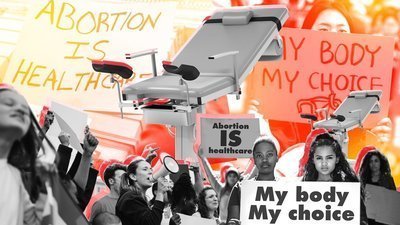

#SafeAbortion Petition: Take A Stand With COSMOPOLITAN
The Issue
Despite being legal for more than 22 years, your access to a safe abortion is under threat. In 2018 the Department of Social Development said, ‘It is estimated that between 52 to 58% of the estimated 260 000 abortions that take place in South Africa every year are illegal.’ So why, when it’s been legal for over two decades, are women risking dangerous, backstreet abortions?
According to a 2017 survey by Bhekisisa Centre for Health Journalism, less than five percent of SA’s public clinics and hospitals offered abortions in that year, while a staggering 32% of women in SA don’t know abortion is legal. In addition, less than five percent of SA’s public clinics and hospitals offer abortions. Our laws are brilliant: they give you autonomy over your body and protect your freedom of choice. The problem is in how these laws are implemented. Actual access to free, safe abortions varies depending on where you live, who your doctor is, and how openly you were educated about your reproductive healthcare options. That’s where the alarmingly disparate experiences of abortions comes in. Not every woman in South Africa is receiving the same kind of care.
Lack of resources and the moral stigma that plagues abortion are just some of the reasons why many women still pursue illegal and unsafe methods of termination, which can result in death.
COSMO is calling on the Department of Health to formalise safe abortion guidelines in accordance with the Choice on Termination of Pregnancy Act (1996). The preamble of this act states the following:
'Recognising that the decision to have children is fundamental to women's physical, psychological and social health, and that universal access to reproductive healthcare includes family planning and contraception, termination of pregnancy, as well as sexuality education and counselling programmes and services; recognising that the State has the responsibility to provide reproductive health to all, and also to provide safe conditions under which the right of choice can be exercised without fear or harm; believing that termination of pregnancy is not a form of contraception or population control; this Act, therefore, repeals the restrictive and inaccessible provisions of the Abortion and Sterilization Act, 1975 (Act No.2 of 1975), and promotes reproductive rights and extends freedom of choice by affording every woman the right to choose whether to have an early, safe and legal termination of pregnancy according to her individual beliefs.'
- We want Government to help equalise and standardise the quality of care across the country and offer support to government facilities where there aren’t specialists able to offer abortion services to patients.
- Struggling provincial health departments should turn to private providers (like Marie Stopes) who can assist in providing safe, free access to abortion across the country.
We are calling for the increase in generic medication options in order to broaden access and lower costs for all clinics across the country. - We are calling on the Department of Health to provide consistent contraceptive options to women that are free and easily available. Many contraceptives have not been available during the last two years, making access to the right contraceptive option very difficult.
- School governing bodies are still in charge of what happens in schools, meaning reproductive-healthcare education remains disparate across the country and at the prerogative of each school’s governing body – often made up of parents or teachers who don’t follow national guidelines due to personal believes or values. COSMO is calling on the Department of Health to formalise abortion guidelines and education to avoid the disparities.
Take a stand and sign the COSMO #SafeAbortion petition.

Petition Closed
The Issue
Despite being legal for more than 22 years, your access to a safe abortion is under threat. In 2018 the Department of Social Development said, ‘It is estimated that between 52 to 58% of the estimated 260 000 abortions that take place in South Africa every year are illegal.’ So why, when it’s been legal for over two decades, are women risking dangerous, backstreet abortions?
According to a 2017 survey by Bhekisisa Centre for Health Journalism, less than five percent of SA’s public clinics and hospitals offered abortions in that year, while a staggering 32% of women in SA don’t know abortion is legal. In addition, less than five percent of SA’s public clinics and hospitals offer abortions. Our laws are brilliant: they give you autonomy over your body and protect your freedom of choice. The problem is in how these laws are implemented. Actual access to free, safe abortions varies depending on where you live, who your doctor is, and how openly you were educated about your reproductive healthcare options. That’s where the alarmingly disparate experiences of abortions comes in. Not every woman in South Africa is receiving the same kind of care.
Lack of resources and the moral stigma that plagues abortion are just some of the reasons why many women still pursue illegal and unsafe methods of termination, which can result in death.
COSMO is calling on the Department of Health to formalise safe abortion guidelines in accordance with the Choice on Termination of Pregnancy Act (1996). The preamble of this act states the following:
'Recognising that the decision to have children is fundamental to women's physical, psychological and social health, and that universal access to reproductive healthcare includes family planning and contraception, termination of pregnancy, as well as sexuality education and counselling programmes and services; recognising that the State has the responsibility to provide reproductive health to all, and also to provide safe conditions under which the right of choice can be exercised without fear or harm; believing that termination of pregnancy is not a form of contraception or population control; this Act, therefore, repeals the restrictive and inaccessible provisions of the Abortion and Sterilization Act, 1975 (Act No.2 of 1975), and promotes reproductive rights and extends freedom of choice by affording every woman the right to choose whether to have an early, safe and legal termination of pregnancy according to her individual beliefs.'
- We want Government to help equalise and standardise the quality of care across the country and offer support to government facilities where there aren’t specialists able to offer abortion services to patients.
- Struggling provincial health departments should turn to private providers (like Marie Stopes) who can assist in providing safe, free access to abortion across the country.
We are calling for the increase in generic medication options in order to broaden access and lower costs for all clinics across the country. - We are calling on the Department of Health to provide consistent contraceptive options to women that are free and easily available. Many contraceptives have not been available during the last two years, making access to the right contraceptive option very difficult.
- School governing bodies are still in charge of what happens in schools, meaning reproductive-healthcare education remains disparate across the country and at the prerogative of each school’s governing body – often made up of parents or teachers who don’t follow national guidelines due to personal believes or values. COSMO is calling on the Department of Health to formalise abortion guidelines and education to avoid the disparities.
Take a stand and sign the COSMO #SafeAbortion petition.
The Decision Makers

Petition Updates
Share this petition
Petition created on 16 September 2019