

Snarls of the Road
The Issue
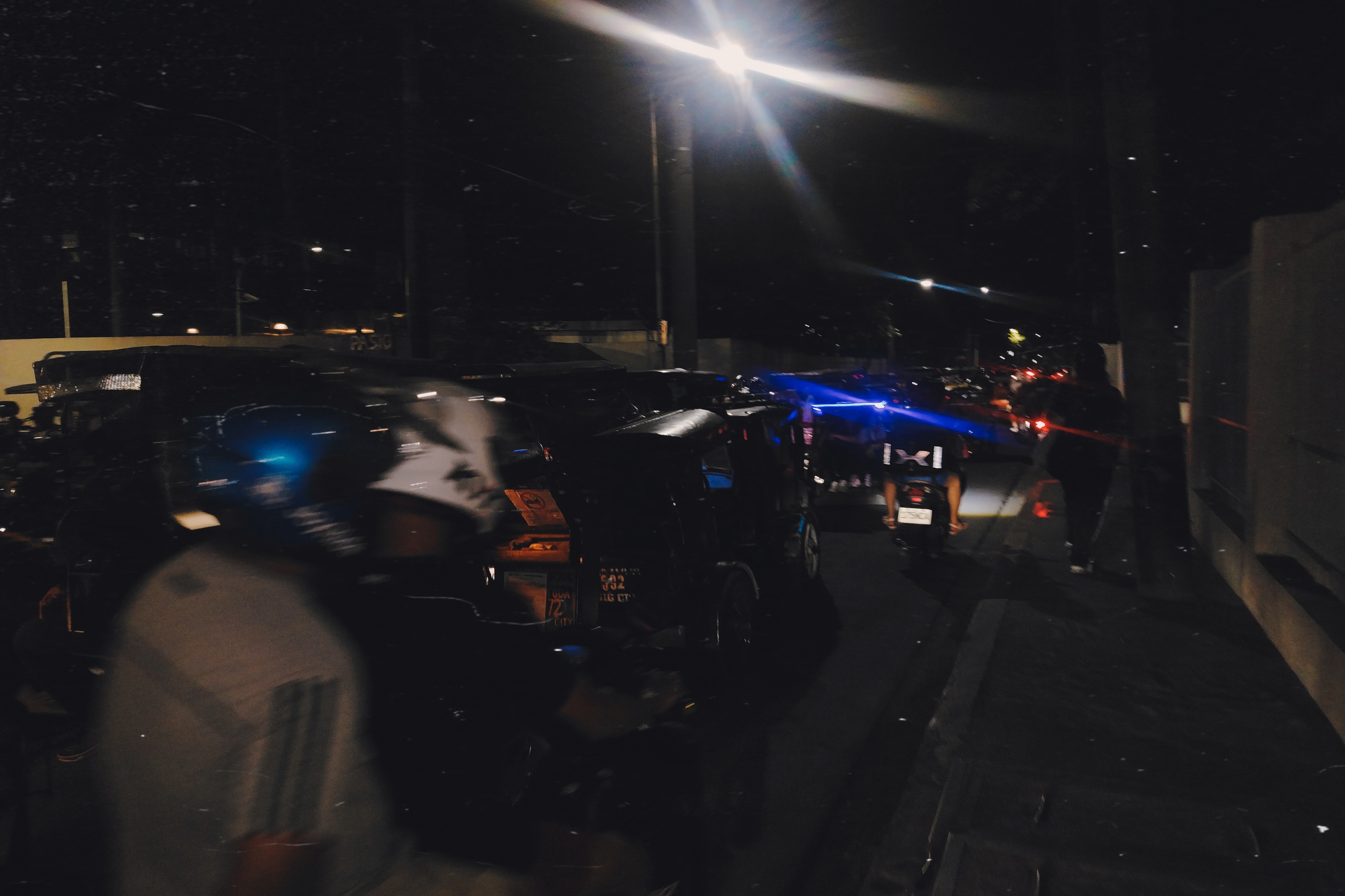
Heavy traffic is a major issue in many cities, often causing people to be late for work or personal appointments. This problem occurs when there are more vehicles on the road than the streets can handle, leading to slow movement and long delays. These delays do more than just waste time; they also increase fuel costs and add to air pollution. To manage this, many people try to travel during less busy hours or use public transportation to ensure they arrive on time.
According to the Metropolitan Transportation Commission (2026), vehicle congestion could make the numbers of accidents higher. The Bay Freeway Patrol reported that there were 5,200 collisions that occurred in 2022. Another thing, traffic could cause increased time travel, making it a challenge for everyday commuters, especially workers and students. Another important issue tackled by the commission is that it could worsen the state of air quality, leading to health-related issues caused by air pollution. Furthermore, traffic congestion could also impact the prices of goods, especially when they are spoiled due to long periods of traveling. The Metropolitan Transportation Commission suggests that people should consider not using their personal vehicles, as this could add to the traffic congestion. It is suggested by the commission to use public transportation, to walk, and to use bicycles. In accordance with StreetLight Data (2024), there are different solutions depending on the situation, and the best choice is to conduct traffic analysis. In this way planners could propose the most suitable solution to improve traffic flow. Road diets were also mentioned, as they were said to lessen traffic and accidents. Road diets reduce the number of lanes intended for drivers.
To conclude, improving traffic flow is the responsibility of city planners, traffic engineers, and local government officials, who must work together to modernize urban transportation. To create lasting change, these leaders should invest in reliable public transit systems and safer infrastructure for walking and cycling, which reduces the total number of cars on the road. Additionally, they can implement smart technology, such as synchronized traffic signals that adjust to real-time conditions, to prevent unnecessary idling. By focusing on both better road management and alternative travel options, these authorities can reduce congestion and create a more efficient environment for all commuters. But in the end, it all starts with us—now is the day to start, now is the day to stop the congested roads.
References:
Metropolitan Transportation Commission. (2026, January 21) The dangers of traffic congestion. https://share.google/ItovzBK5EYB89e5PV
StreetLight Data. (2024, December 21). What’s the Quickest Way to Solve a City’s Traffic Congestion? https://www.streetlightdata.com/best-city-traffic-congestion-solutions/

21
The Issue
Heavy traffic is a major issue in many cities, often causing people to be late for work or personal appointments. This problem occurs when there are more vehicles on the road than the streets can handle, leading to slow movement and long delays. These delays do more than just waste time; they also increase fuel costs and add to air pollution. To manage this, many people try to travel during less busy hours or use public transportation to ensure they arrive on time.
According to the Metropolitan Transportation Commission (2026), vehicle congestion could make the numbers of accidents higher. The Bay Freeway Patrol reported that there were 5,200 collisions that occurred in 2022. Another thing, traffic could cause increased time travel, making it a challenge for everyday commuters, especially workers and students. Another important issue tackled by the commission is that it could worsen the state of air quality, leading to health-related issues caused by air pollution. Furthermore, traffic congestion could also impact the prices of goods, especially when they are spoiled due to long periods of traveling. The Metropolitan Transportation Commission suggests that people should consider not using their personal vehicles, as this could add to the traffic congestion. It is suggested by the commission to use public transportation, to walk, and to use bicycles. In accordance with StreetLight Data (2024), there are different solutions depending on the situation, and the best choice is to conduct traffic analysis. In this way planners could propose the most suitable solution to improve traffic flow. Road diets were also mentioned, as they were said to lessen traffic and accidents. Road diets reduce the number of lanes intended for drivers.
To conclude, improving traffic flow is the responsibility of city planners, traffic engineers, and local government officials, who must work together to modernize urban transportation. To create lasting change, these leaders should invest in reliable public transit systems and safer infrastructure for walking and cycling, which reduces the total number of cars on the road. Additionally, they can implement smart technology, such as synchronized traffic signals that adjust to real-time conditions, to prevent unnecessary idling. By focusing on both better road management and alternative travel options, these authorities can reduce congestion and create a more efficient environment for all commuters. But in the end, it all starts with us—now is the day to start, now is the day to stop the congested roads.
References:
Metropolitan Transportation Commission. (2026, January 21) The dangers of traffic congestion. https://share.google/ItovzBK5EYB89e5PV
StreetLight Data. (2024, December 21). What’s the Quickest Way to Solve a City’s Traffic Congestion? https://www.streetlightdata.com/best-city-traffic-congestion-solutions/
Petition Updates
Share this petition
Petition created on February 4, 2026