
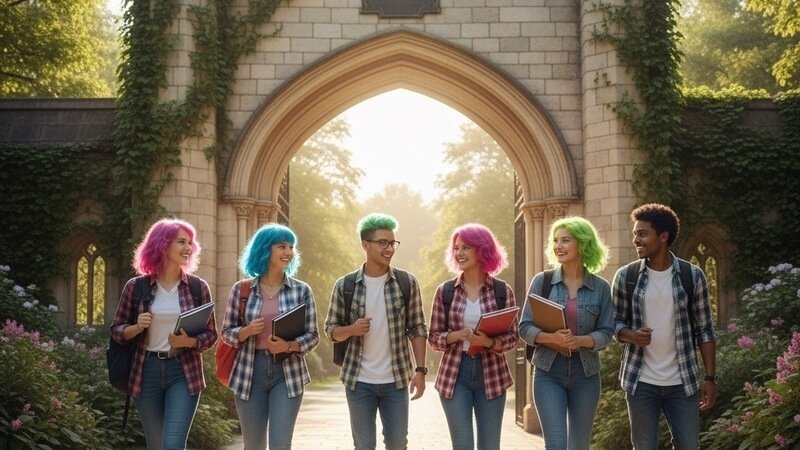
Self-Expression Is Not Misconduct: Hair Color Does Not Affect Academic Performance
Self-Expression Is Not Misconduct: Hair Color Does Not Affect Academic Performance
The Issue
In many schools in the Philippines, students are still disciplined or judged based on their hair color, despite the absence of evidence that it affects learning or behavior. Hair color is often treated as a violation rather than a form of self-expression. As a student, I have observed that learners with colored hair are sometimes labeled as irresponsible, undisciplined, or academically weak—even when their academic performance proves otherwise.
This mindset creates unnecessary discrimination and pressure among students. Instead of focusing on academic excellence, values formation, and mental well-being, students are forced to conform to appearance-based standards that do not contribute to learning outcomes. As a result, some students experience stress, low self-esteem, and exclusion, which may negatively affect their motivation and participation in school.
Academic performance is measured through grades, class participation, projects, examinations, and conduct—not physical appearance. There is no study or policy that directly links hair color to poor academic achievement. In fact, many students who express themselves through hair color continue to excel academically, actively participate in class, and follow school rules.
According to the Department of Education’s commitment to inclusive and learner-centered education, schools should promote environments that respect individuality while maintaining discipline and respect. Self-expression, when done responsibly, does not disrupt learning. Instead, allowing students to express themselves can improve confidence, engagement, and sense of belonging in school.
Disciplinary actions based solely on hair color shift attention away from real issues affecting education, such as quality of instruction, student welfare, and academic support. Policies should prioritize behavior, performance, and values rather than appearance.
Therefore, we respectfully call on the school administration to:
1. Recognize that hair color does not affect academic performance or intelligence.
2. Stop using hair color as a basis for disciplinary action or academic judgment.
3. Promote an inclusive school environment that respects responsible self-expression.
4. Focus school policies on discipline, behavior, and academic achievement rather than physical appearance.
Allowing students to express themselves through hair color does not weaken discipline—it strengthens trust, respect, and student well-being. Education should empower learners, not restrict them based on outdated standards. Students deserve to be judged by their efforts, abilities, and character, not by the color of their hair.
By supporting this petition, you are standing up for fairness, inclusivity, and a learning environment that truly prioritizes academic growth and student rights.
Self-expression is not misconduct. Academic performance is not defined by appearance.

28
The Issue
In many schools in the Philippines, students are still disciplined or judged based on their hair color, despite the absence of evidence that it affects learning or behavior. Hair color is often treated as a violation rather than a form of self-expression. As a student, I have observed that learners with colored hair are sometimes labeled as irresponsible, undisciplined, or academically weak—even when their academic performance proves otherwise.
This mindset creates unnecessary discrimination and pressure among students. Instead of focusing on academic excellence, values formation, and mental well-being, students are forced to conform to appearance-based standards that do not contribute to learning outcomes. As a result, some students experience stress, low self-esteem, and exclusion, which may negatively affect their motivation and participation in school.
Academic performance is measured through grades, class participation, projects, examinations, and conduct—not physical appearance. There is no study or policy that directly links hair color to poor academic achievement. In fact, many students who express themselves through hair color continue to excel academically, actively participate in class, and follow school rules.
According to the Department of Education’s commitment to inclusive and learner-centered education, schools should promote environments that respect individuality while maintaining discipline and respect. Self-expression, when done responsibly, does not disrupt learning. Instead, allowing students to express themselves can improve confidence, engagement, and sense of belonging in school.
Disciplinary actions based solely on hair color shift attention away from real issues affecting education, such as quality of instruction, student welfare, and academic support. Policies should prioritize behavior, performance, and values rather than appearance.
Therefore, we respectfully call on the school administration to:
1. Recognize that hair color does not affect academic performance or intelligence.
2. Stop using hair color as a basis for disciplinary action or academic judgment.
3. Promote an inclusive school environment that respects responsible self-expression.
4. Focus school policies on discipline, behavior, and academic achievement rather than physical appearance.
Allowing students to express themselves through hair color does not weaken discipline—it strengthens trust, respect, and student well-being. Education should empower learners, not restrict them based on outdated standards. Students deserve to be judged by their efforts, abilities, and character, not by the color of their hair.
By supporting this petition, you are standing up for fairness, inclusivity, and a learning environment that truly prioritizes academic growth and student rights.
Self-expression is not misconduct. Academic performance is not defined by appearance.
28
Petition Updates
Share this petition
Petition created on February 5, 2026