

Science Without Suffering: Stand Against Animal Testing!
The Issue
SCIENCE WITHOUT SUFFERING: STAND AGAINST ANIMAL TESTING!
THE ISSUE
In today’s society it is absurdly alarming that we live in a world where we discover the ruthless awakening of experimentation and testing of distinct animals in different laboratories, corporations, and organizations, that profit and support this unethical activity. It is time to voice out this issue and stop the harmful use and testing of animals for science's sake. We believe that the innocent and precious lives of animals shouldn't be sacrificed for the purpose of development and innovation. It is about time we embrace cruelty-free methods that encourage both progress and the hindrance of animal suffering.
INFORMATION ON THE ISSUE
To start out and address this social issue, we will delve into the extensive information and interesting facts about animal testing, (Stone, 2023) stated that the term “animal testing” refers to procedures performed on living animals for purposes of research into basic biology and illnesses, evaluating the efficacy of novel medications, and testing the safety of consumer and industrial goods such as food additives, cosmetics, household cleansers, and industrial/agrochemical for human health and/or the environment.
Different procedures or methods are classified to have a prospective capability to cause a great amount of torture, terror, distress and suffering leading to the killing and unfortunate death of the animal at the end of the experiment. (Cruelty Free International, 2023) listed different varieties of experiments that includes injecting or force feeding animals with potentially harmful substances, surgically removing animals’ organs or tissues to deliberately cause damage, subjecting animals to frightening scenarios to create stress, anxiety and depression, infliction of wounds, burns and other injuries to study healing and last but not the least, the exposure to drugs, chemicals or infectious disease at levels that cause illness, pain and distress, or death. These are some of the usually selected procedures, but there are more methods that are used in animal testing.
Next, (Stone, 2023) also mentioned that many different species are used around the world, but the most common include mice, fish, rats, rabbits, guinea pigs, hamsters, farm animals, birds, cats, dogs, mini-pigs, and non-human primates (monkeys, and in some countries, chimpanzees). An estimated 115 million animals are employed annually in experimental research across the globe. However, the exact number is unknown because data regarding the use of animals for testing and research are only collected and published by a tiny percentage of countries. For instance, fish, amphibians, reptiles, invertebrates, purpose-bred rats, mice, and birds make up up to 90% of the animals utilized in laboratories in the United States, yet these creatures are not included in official statistics. Without a doubt, the Department of Agriculture is greatly underestimated.
FACTS ON THE ISSUE
USA (2022)
In 2022, there were over 1.27 million animals kept in captivity for research and laboratory use, not including rats, mice, birds, reptiles, amphibians, and agricultural animals used in agricultural experiments. The number of rats and mice used were estimated to have been 111 million.
Canada (2022)
In 2022, over 3.52 million animals were used for experiments reported by institutions certified by the Canadian Council on Animal Care (CACC).
Of these, 105,253 animals were subjected to “severe pain near, at, or above the pain tolerance threshold of unanesthetized conscious animals.”
UK (2023)
2.68 million procedures on animals were conducted in 2023.
Among the procedures, 80,400 were classified as “severe” including long term processes that required assistance with normal activities like feeding and drinking, or where significant deficits in behaviors/activities persist.
WHO ARE THE BENEFICIARIES OF THE ADVOCACY?
- Animals
Subject to painful experiments, the termination of animal testing would benefit the animals as they will no longer endure suffering, pain, and death in research and testing. Despite some still believing that animal testing benefits human welfare, the pain and suffering experimental animals go through is not worth any human welfare because of unreliable results due to stress and trauma from the animal, increase of effective alternatives, and lastly, ethical considerations that suggest inflicting harm toward sentient beings is inherently wrong. According to (F. Barbara Orlans, 1993, p. 129) the American Veterinary Medical Association defines animal pain as an unpleasant sensory and emotional experience perceived as arising from a specific region of the body and associated with actual or potential tissue damage. Common tests like the Draize test and LD50 test that both inflict intense pain and suffering to experimental animals are unjustifiable. (F. Barbara Orlans, 1993, p. 154) also stated that since death is the required endpoint, dying animals are not put out of their misery by euthanasia.
Animal testing should end because it violates animal rights. The argument for human welfare does not justify the pain, suffering, and trauma the experimental animals endure. Animals deserve the treatment of respect and dignity, and not just some tool for selfish human gains, after all, humans are animals too.
- Scientists
By reducing reliance on animals for testing, this will help in addressing ethical issues and promote more humane research practices. (Cruelty Free International, 2023) has a list of alternative methods that does not put animals in harm’s way. An example is the “organs-on-chips” method that facilitate research without the use of animals. This method also reduces cost and expenditure, which will benefit scientists in their research progression.
The use of alternatives to animal testing not only benefit animals, but also the scientists by practicing more ethical approach and less expenditure on the research.
In conclusion, ending animal testing benefits both animals and scientists. By practicing alternatives, we prevent the pain and suffering of sentient beings while encouraging ethical methods for research. Shifting to cruelty-free methods show dignity for animals and enhance the integrity and efficiency of scientific research.
- Companies and Brands
Companies gain by appealing to a wider market that values cruelty-free products when they cease using animals in testing. Additionally, they lessen the possibility of consumer and activist blowback. They can also save money by employing quicker and more precise substitutes, such as lab-grown tissues or computer models, which can also increase the safety of the product for people. In the end, businesses avoid possible unethical procedures related to animal welfare laws, increase trust, and save money.
- Global Public Health
Global public health is relevant to the stoppage of animal testing because alternative testing techniques can produce more accurate data that better forecast how humans will react to new medications, therapies, and substances. Sometimes human biology cannot be accurately modeled by animal models, leading to the development of dangerous or useless goods. Through human-relevant techniques such as organ-on-a-chip technology or sophisticated simulations, researchers can enhance drug efficacy and safety, which could result in improved health outcomes worldwide. Avoiding animal testing also lowers the possibility of being exposed to dangerous substances that might be discharged into the environment during trials, which could have wider ramifications for public health.
PLAN TO SOLVE THE ISSUE
Now to solve this issue, technological advancements has given us alternatives for animal testing. (Cruelty Free International, 2023) suggested ways and other techniques for science progress without putting animals in harm’s way. Science is constantly evolving and so are methods that do not harm animal lives. Some types of non-animal testing methods are:
- Cell Cultures
Scientists can now grow nearly every type of human cell and animal cell, even forming 3D structures such as mini organs, which provide more accurate tests for therapies.
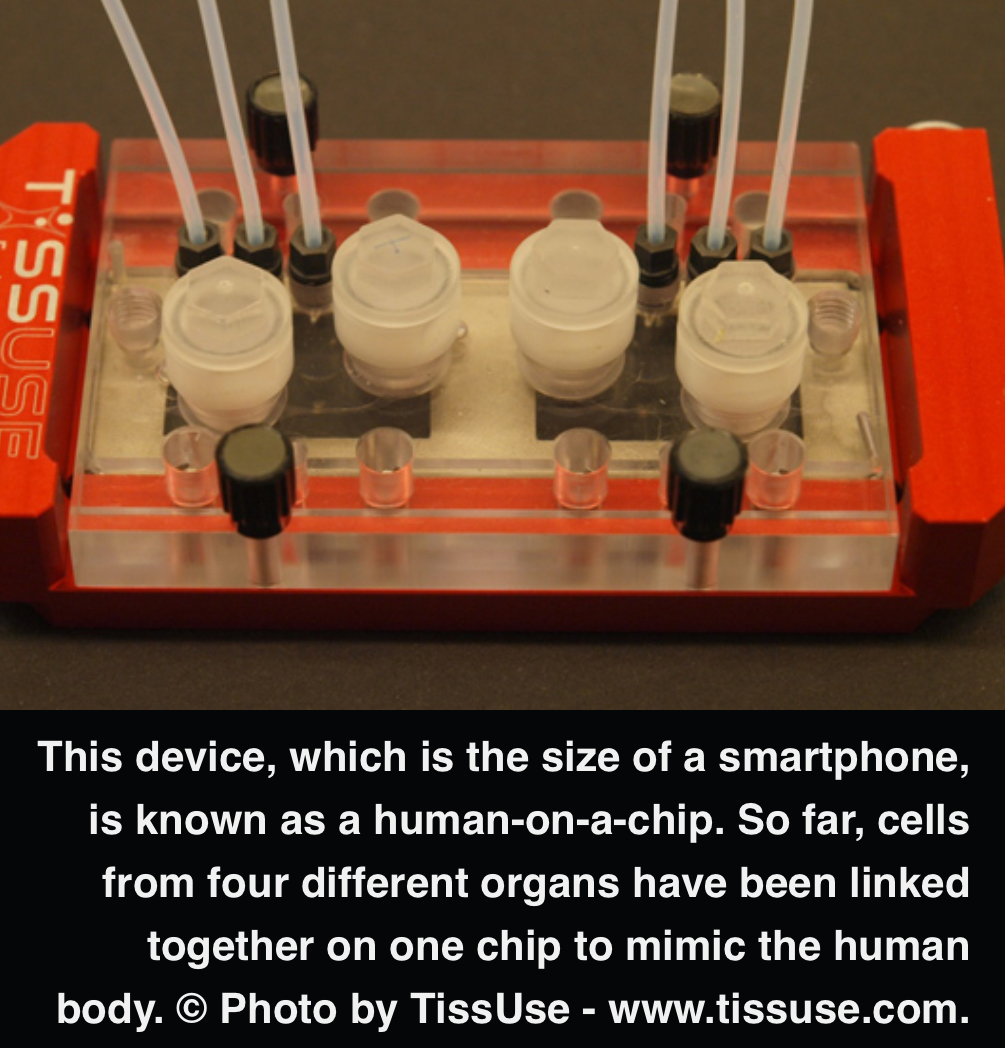
To study biological and disease processes, as well as drug metabolism, they innovated little devices called “organs-on-chips”, that replicate organs like the lungs, heart, and kidney. These tiny chips can aid in studying diseases and drug metabolism without the use of animals. The ultimate goal is to create a full “human-on-a-chip”. Cell cultures are essential and routinely used for chemical safety testing, vaccine production, and drug development, as they are responsible for numerous breakthroughs in cancers, sepsis, kidney diseases, and AIDS.
- Human Tissues
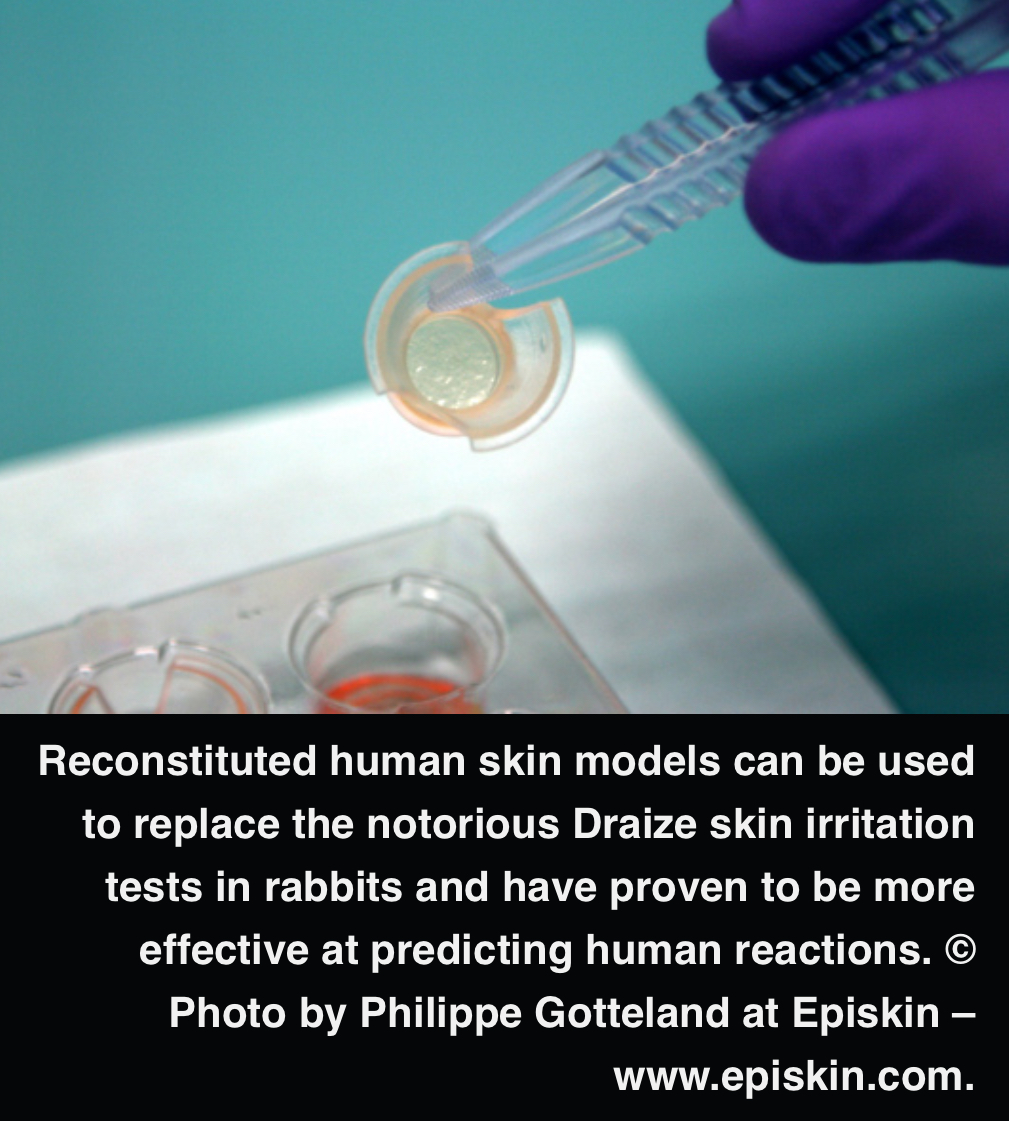
Compared to animal testing, human tissues (both healthy and diseased) provide a more accurate way of studying human biology. Tissues that are donated from surgeries such as, biopsies and cosmetic procedures can be used for testing. For example, there are skin and eye models that have been created and developed from reconstituted human skin. These models are used to replace the cruel rabbit irritation tests. Additionally, after a person dies, post-mortem tissues from the brain has been crucial in providing leads and information to understanding brain regeneration, as well as the effects of multiple sclerosis and Parkinson’s disease.
- Computer Models
With the advancements in computer technology, computer models of various human body systems like the heart, lungs, kidneys, and more, can be utilized instead of animal testing. These computer models allow for virtual experiments with the help of existing data and mathematical calculations. Additionally, There are also data mining tools that can predict the possible hazards of substances by analyzing existing data from other similar compounds.

- Volunteer Studies
Advances in technology has led us to the development of sophisticated scanning machines and recording techniques that can safely study human volunteers. Brain imaging machines can be used to track the progression and treatment of brain diseases by comparing healthy individuals. Another technique that can be used is micro-dosing. The micro-doses injected into the human volunteers allow for the assessment of how small doses of potential new drugs behave in the body, with the use of sensitive devices for analysis. Additionally, studies on topics that are less advanced like nutrition, drug addiction, and pain, can be conducted with consenting humans. These studies can help offer insights that replace animal testing, and allow for participants to share their experiences.
ADVOCATING CAN ALSO HELP AID THIS ISSUE!
It is also good to know that actively advocating for animal welfare also helps. May it be through social media, campaigns, local organizations, these will all help with engagement and give spotlight to the issue. Additionally, supporting legislations that protects animal welfare can contribute to popularizing the issue and terminate it.
For the closing remarks, terminating animal testing is a step forward to a more compassionate and ethical society. Rejecting the practice of using animals shows that we see them as sentient beings, and not just tools for our cosmetic products. Let us stand against this issue to ensure a society that recognize animal rights and their dignity. Let us progress as a society without sacrificing innocent and helpless lives.
“THE PRICE OF KNOWLEDGE SHOULD NEVER BE SUFFERING.”
REFERENCES:
Cruelty Free International. (2023). Alternatives to Animal Testing | Cruelty Free International. Crueltyfreeinternational.org. https://crueltyfreeinternational.org/about-animal-testing/alternatives-animal-testing
Dunnuck, H. (2024). Save the Animals: Stop Animal Testing. Www.lonestar.edu; Lone Star College. https://www.lonestar.edu/stopanimaltesting.htm
PETA. (2019). 7 ways to help animals in experiments | action | peta.org. PETA. https://www.peta.org/action/easy-ways-help-animals-used-killed-experiments/
PETA. (2017). Experiments on Animals: Overview. PETA; PETA. https://www.peta.org/issues/animals-used-for-experimentation/animals-used-experimentation-factsheets/animal-experiments-overview/
Stone, K. (2023, July 6). About animal testing. Humane Society International. https://www.hsi.org/news-resources/about/

532
The Issue
SCIENCE WITHOUT SUFFERING: STAND AGAINST ANIMAL TESTING!
THE ISSUE
In today’s society it is absurdly alarming that we live in a world where we discover the ruthless awakening of experimentation and testing of distinct animals in different laboratories, corporations, and organizations, that profit and support this unethical activity. It is time to voice out this issue and stop the harmful use and testing of animals for science's sake. We believe that the innocent and precious lives of animals shouldn't be sacrificed for the purpose of development and innovation. It is about time we embrace cruelty-free methods that encourage both progress and the hindrance of animal suffering.
INFORMATION ON THE ISSUE
To start out and address this social issue, we will delve into the extensive information and interesting facts about animal testing, (Stone, 2023) stated that the term “animal testing” refers to procedures performed on living animals for purposes of research into basic biology and illnesses, evaluating the efficacy of novel medications, and testing the safety of consumer and industrial goods such as food additives, cosmetics, household cleansers, and industrial/agrochemical for human health and/or the environment.
Different procedures or methods are classified to have a prospective capability to cause a great amount of torture, terror, distress and suffering leading to the killing and unfortunate death of the animal at the end of the experiment. (Cruelty Free International, 2023) listed different varieties of experiments that includes injecting or force feeding animals with potentially harmful substances, surgically removing animals’ organs or tissues to deliberately cause damage, subjecting animals to frightening scenarios to create stress, anxiety and depression, infliction of wounds, burns and other injuries to study healing and last but not the least, the exposure to drugs, chemicals or infectious disease at levels that cause illness, pain and distress, or death. These are some of the usually selected procedures, but there are more methods that are used in animal testing.
Next, (Stone, 2023) also mentioned that many different species are used around the world, but the most common include mice, fish, rats, rabbits, guinea pigs, hamsters, farm animals, birds, cats, dogs, mini-pigs, and non-human primates (monkeys, and in some countries, chimpanzees). An estimated 115 million animals are employed annually in experimental research across the globe. However, the exact number is unknown because data regarding the use of animals for testing and research are only collected and published by a tiny percentage of countries. For instance, fish, amphibians, reptiles, invertebrates, purpose-bred rats, mice, and birds make up up to 90% of the animals utilized in laboratories in the United States, yet these creatures are not included in official statistics. Without a doubt, the Department of Agriculture is greatly underestimated.
FACTS ON THE ISSUE
USA (2022)
In 2022, there were over 1.27 million animals kept in captivity for research and laboratory use, not including rats, mice, birds, reptiles, amphibians, and agricultural animals used in agricultural experiments. The number of rats and mice used were estimated to have been 111 million.
Canada (2022)
In 2022, over 3.52 million animals were used for experiments reported by institutions certified by the Canadian Council on Animal Care (CACC).
Of these, 105,253 animals were subjected to “severe pain near, at, or above the pain tolerance threshold of unanesthetized conscious animals.”
UK (2023)
2.68 million procedures on animals were conducted in 2023.
Among the procedures, 80,400 were classified as “severe” including long term processes that required assistance with normal activities like feeding and drinking, or where significant deficits in behaviors/activities persist.
WHO ARE THE BENEFICIARIES OF THE ADVOCACY?
- Animals
Subject to painful experiments, the termination of animal testing would benefit the animals as they will no longer endure suffering, pain, and death in research and testing. Despite some still believing that animal testing benefits human welfare, the pain and suffering experimental animals go through is not worth any human welfare because of unreliable results due to stress and trauma from the animal, increase of effective alternatives, and lastly, ethical considerations that suggest inflicting harm toward sentient beings is inherently wrong. According to (F. Barbara Orlans, 1993, p. 129) the American Veterinary Medical Association defines animal pain as an unpleasant sensory and emotional experience perceived as arising from a specific region of the body and associated with actual or potential tissue damage. Common tests like the Draize test and LD50 test that both inflict intense pain and suffering to experimental animals are unjustifiable. (F. Barbara Orlans, 1993, p. 154) also stated that since death is the required endpoint, dying animals are not put out of their misery by euthanasia.
Animal testing should end because it violates animal rights. The argument for human welfare does not justify the pain, suffering, and trauma the experimental animals endure. Animals deserve the treatment of respect and dignity, and not just some tool for selfish human gains, after all, humans are animals too.
- Scientists
By reducing reliance on animals for testing, this will help in addressing ethical issues and promote more humane research practices. (Cruelty Free International, 2023) has a list of alternative methods that does not put animals in harm’s way. An example is the “organs-on-chips” method that facilitate research without the use of animals. This method also reduces cost and expenditure, which will benefit scientists in their research progression.
The use of alternatives to animal testing not only benefit animals, but also the scientists by practicing more ethical approach and less expenditure on the research.
In conclusion, ending animal testing benefits both animals and scientists. By practicing alternatives, we prevent the pain and suffering of sentient beings while encouraging ethical methods for research. Shifting to cruelty-free methods show dignity for animals and enhance the integrity and efficiency of scientific research.
- Companies and Brands
Companies gain by appealing to a wider market that values cruelty-free products when they cease using animals in testing. Additionally, they lessen the possibility of consumer and activist blowback. They can also save money by employing quicker and more precise substitutes, such as lab-grown tissues or computer models, which can also increase the safety of the product for people. In the end, businesses avoid possible unethical procedures related to animal welfare laws, increase trust, and save money.
- Global Public Health
Global public health is relevant to the stoppage of animal testing because alternative testing techniques can produce more accurate data that better forecast how humans will react to new medications, therapies, and substances. Sometimes human biology cannot be accurately modeled by animal models, leading to the development of dangerous or useless goods. Through human-relevant techniques such as organ-on-a-chip technology or sophisticated simulations, researchers can enhance drug efficacy and safety, which could result in improved health outcomes worldwide. Avoiding animal testing also lowers the possibility of being exposed to dangerous substances that might be discharged into the environment during trials, which could have wider ramifications for public health.
PLAN TO SOLVE THE ISSUE
Now to solve this issue, technological advancements has given us alternatives for animal testing. (Cruelty Free International, 2023) suggested ways and other techniques for science progress without putting animals in harm’s way. Science is constantly evolving and so are methods that do not harm animal lives. Some types of non-animal testing methods are:
- Cell Cultures
Scientists can now grow nearly every type of human cell and animal cell, even forming 3D structures such as mini organs, which provide more accurate tests for therapies.
To study biological and disease processes, as well as drug metabolism, they innovated little devices called “organs-on-chips”, that replicate organs like the lungs, heart, and kidney. These tiny chips can aid in studying diseases and drug metabolism without the use of animals. The ultimate goal is to create a full “human-on-a-chip”. Cell cultures are essential and routinely used for chemical safety testing, vaccine production, and drug development, as they are responsible for numerous breakthroughs in cancers, sepsis, kidney diseases, and AIDS.
- Human Tissues
Compared to animal testing, human tissues (both healthy and diseased) provide a more accurate way of studying human biology. Tissues that are donated from surgeries such as, biopsies and cosmetic procedures can be used for testing. For example, there are skin and eye models that have been created and developed from reconstituted human skin. These models are used to replace the cruel rabbit irritation tests. Additionally, after a person dies, post-mortem tissues from the brain has been crucial in providing leads and information to understanding brain regeneration, as well as the effects of multiple sclerosis and Parkinson’s disease.
- Computer Models
With the advancements in computer technology, computer models of various human body systems like the heart, lungs, kidneys, and more, can be utilized instead of animal testing. These computer models allow for virtual experiments with the help of existing data and mathematical calculations. Additionally, There are also data mining tools that can predict the possible hazards of substances by analyzing existing data from other similar compounds.
- Volunteer Studies
Advances in technology has led us to the development of sophisticated scanning machines and recording techniques that can safely study human volunteers. Brain imaging machines can be used to track the progression and treatment of brain diseases by comparing healthy individuals. Another technique that can be used is micro-dosing. The micro-doses injected into the human volunteers allow for the assessment of how small doses of potential new drugs behave in the body, with the use of sensitive devices for analysis. Additionally, studies on topics that are less advanced like nutrition, drug addiction, and pain, can be conducted with consenting humans. These studies can help offer insights that replace animal testing, and allow for participants to share their experiences.
ADVOCATING CAN ALSO HELP AID THIS ISSUE!
It is also good to know that actively advocating for animal welfare also helps. May it be through social media, campaigns, local organizations, these will all help with engagement and give spotlight to the issue. Additionally, supporting legislations that protects animal welfare can contribute to popularizing the issue and terminate it.
For the closing remarks, terminating animal testing is a step forward to a more compassionate and ethical society. Rejecting the practice of using animals shows that we see them as sentient beings, and not just tools for our cosmetic products. Let us stand against this issue to ensure a society that recognize animal rights and their dignity. Let us progress as a society without sacrificing innocent and helpless lives.
“THE PRICE OF KNOWLEDGE SHOULD NEVER BE SUFFERING.”
REFERENCES:
Cruelty Free International. (2023). Alternatives to Animal Testing | Cruelty Free International. Crueltyfreeinternational.org. https://crueltyfreeinternational.org/about-animal-testing/alternatives-animal-testing
Dunnuck, H. (2024). Save the Animals: Stop Animal Testing. Www.lonestar.edu; Lone Star College. https://www.lonestar.edu/stopanimaltesting.htm
PETA. (2019). 7 ways to help animals in experiments | action | peta.org. PETA. https://www.peta.org/action/easy-ways-help-animals-used-killed-experiments/
PETA. (2017). Experiments on Animals: Overview. PETA; PETA. https://www.peta.org/issues/animals-used-for-experimentation/animals-used-experimentation-factsheets/animal-experiments-overview/
Stone, K. (2023, July 6). About animal testing. Humane Society International. https://www.hsi.org/news-resources/about/
Petition Updates
Share this petition
Petition created on October 13, 2024