Say NO! To The Willow Project
The Issue
Sometimes, big plans come at a big cost, like The Willow Project in Alaska. It's not just about getting oil; it's about putting our planet and its creatures on the line. We need to think hard about this because saying yes to The Willow Project might mean saying goodbye to the Earth we know, and the animals that call it home. The green light for The Willow Project isn't just a thumbs-up for money making; it's a potential disaster for our environment. My petition is here to convince, and to show you why moving forward with The Willow Project will be like throwing our planet under a bus. We're talking about destroying the Earth's balance and putting wildlife at risk. Let's dive into why saying NO to The Willow Project is the best way to keep our planet and wildlife safe.
The Willow Project is a controversial proposed oil development in Northern Alaska by ConocoPhillips. Despite President Biden's promises to shift away from non-renewable energy sources, the project remains under consideration. If approved, it would contribute significantly to climate pollution and negatively impact the environment, particularly, indigenous communities and wildlife. “In the current energy crisis, the Biden administration should be focused on strengthening U.S. energy security and standing with the working families of Alaska by supporting the responsible development of federal lands and waters, not acting to restrict it. Said Frank Macchiarola” (Friedman, L.). As custodians of this planet, we must consider the long-term consequences of such projects, prioritizing sustainable alternatives that safeguard our ecosystems and preserve the delicate balance of our natural world.
One reason why we should be saying NO to this project is due to its climate and environmental impact it will bring to earth. This project suggests that the production and consumption of the extracted oil would result in a substantial amount of carbon pollution. This pollution includes the release of carbon dioxide, a major driver of climate change. “The Biden administration acknowledges that Willow, if completed, would release an additional 9.2 million metric tons of carbon pollution into the atmosphere each year—roughly equivalent to the pollution generated by two million gas-powered cars”(Turrentine, J.). This indicates that it would add millions of metric tons of carbon into the atmosphere annually. This additional carbon contributes to the overall concentration of greenhouse gases, intensifying the warming of the planet. This intensification further accelerates the warming of the planet, leading to detrimental effects such as rising sea levels, extreme weather events, and disruptions to ecosystems. “There is a rapidly closing window of opportunity to secure a liveable and sustainable future for all, a report noted. Once passed, the 1.5 degree-tipping point would precipitate a cascade of devastating effects, including rising sea levels and extreme heat waves, that could lead to millions of deaths worldwide by the end of the century” (Turrentine, J.). According to the authors of the IPCC, the most effective measure to avert severe consequences is for nations globally to cease the combustion of fossil fuels. This activity is the main cause, responsible for more than three-quarters of the carbon emissions that lead to the increase in global temperatures. Rejecting this project is essential for saving the health and sustainability of our planet, and by prioritizing environmentally responsible decisions, we contribute to a future that values and preserves the delicate balance of our global ecosystems.
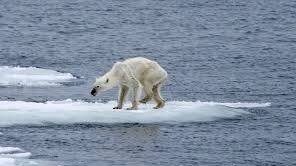
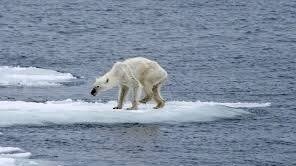
Another reason to say NO to the Willow project is because it will harm our wildlife. The potential harm and destruction to wildlife caused by The Willow Project are complex and stem from the extensive infrastructure development, habitat disruption, and increased human activity associated with oil extraction. "Willow’s development would require the building of hundreds of miles of roads, pipelines, and other infrastructure that would bring harm to the NPR-A’s currently near-pristine ecosystem. Some conservationists estimate the project alone could result in the loss of 532 acres of wetlands, 619 acres of habitat disturbances for polar bears, and more than 17,000 acres of such disturbances for birds” (Turrentine, J.) These alarming estimates paint a terrifying picture of the potential devastation that could unfold for our wildlife, underscoring the urgency of rejecting a project that threatens to irreversibly alter and diminishes the delicate balance of our natural habitats. We must prioritize the preservation of our diverse ecosystems and the myriad species that depend on them, recognizing that the cost of the Willow project extends far beyond economic considerations. A senior attorney at the Center for Biological Diversity, Kristen Monsell says “Protecting one area of the Arctic so you can destroy another doesn’t make sense, and it won’t help the people and wildlife who will be upended by the Willow project”(Friedman, L.) I choose this quote because I feel as though it perfectly encapsulates the contradictions of the Willow project's purported benefits. Saying we need to harm one part of the Arctic to protect another doesn't make sense when it comes to taking care of our environment. If we go ahead with the Willow project, building roads and structures, we're not just hurting the ecosystems right there. We're also messing with the overall health of the whole Arctic environment. It's like trying to fix one thing but accidentally breaking something else.
SAY NO TO THE WILLOW PROJECT AND PROTECT OUR ENVIRONMENT & WILDLIFE.
resources.
Friedman, L. (2023, March 12). Biden administration approves huge Alaska Oil Project. The New York Times. https://www.nytimes.com/2023/03/12/climate/biden-willow-arctic-drilling-restrictions.html?searchResultPosition=2
Turrentine, J. (2023, November 13). Why the willow project is a bad idea. Be a Force for the Future. https://www.nrdc.org/stories/why-willow-project-bad-idea

12
The Issue
Sometimes, big plans come at a big cost, like The Willow Project in Alaska. It's not just about getting oil; it's about putting our planet and its creatures on the line. We need to think hard about this because saying yes to The Willow Project might mean saying goodbye to the Earth we know, and the animals that call it home. The green light for The Willow Project isn't just a thumbs-up for money making; it's a potential disaster for our environment. My petition is here to convince, and to show you why moving forward with The Willow Project will be like throwing our planet under a bus. We're talking about destroying the Earth's balance and putting wildlife at risk. Let's dive into why saying NO to The Willow Project is the best way to keep our planet and wildlife safe.
The Willow Project is a controversial proposed oil development in Northern Alaska by ConocoPhillips. Despite President Biden's promises to shift away from non-renewable energy sources, the project remains under consideration. If approved, it would contribute significantly to climate pollution and negatively impact the environment, particularly, indigenous communities and wildlife. “In the current energy crisis, the Biden administration should be focused on strengthening U.S. energy security and standing with the working families of Alaska by supporting the responsible development of federal lands and waters, not acting to restrict it. Said Frank Macchiarola” (Friedman, L.). As custodians of this planet, we must consider the long-term consequences of such projects, prioritizing sustainable alternatives that safeguard our ecosystems and preserve the delicate balance of our natural world.
One reason why we should be saying NO to this project is due to its climate and environmental impact it will bring to earth. This project suggests that the production and consumption of the extracted oil would result in a substantial amount of carbon pollution. This pollution includes the release of carbon dioxide, a major driver of climate change. “The Biden administration acknowledges that Willow, if completed, would release an additional 9.2 million metric tons of carbon pollution into the atmosphere each year—roughly equivalent to the pollution generated by two million gas-powered cars”(Turrentine, J.). This indicates that it would add millions of metric tons of carbon into the atmosphere annually. This additional carbon contributes to the overall concentration of greenhouse gases, intensifying the warming of the planet. This intensification further accelerates the warming of the planet, leading to detrimental effects such as rising sea levels, extreme weather events, and disruptions to ecosystems. “There is a rapidly closing window of opportunity to secure a liveable and sustainable future for all, a report noted. Once passed, the 1.5 degree-tipping point would precipitate a cascade of devastating effects, including rising sea levels and extreme heat waves, that could lead to millions of deaths worldwide by the end of the century” (Turrentine, J.). According to the authors of the IPCC, the most effective measure to avert severe consequences is for nations globally to cease the combustion of fossil fuels. This activity is the main cause, responsible for more than three-quarters of the carbon emissions that lead to the increase in global temperatures. Rejecting this project is essential for saving the health and sustainability of our planet, and by prioritizing environmentally responsible decisions, we contribute to a future that values and preserves the delicate balance of our global ecosystems.
Another reason to say NO to the Willow project is because it will harm our wildlife. The potential harm and destruction to wildlife caused by The Willow Project are complex and stem from the extensive infrastructure development, habitat disruption, and increased human activity associated with oil extraction. "Willow’s development would require the building of hundreds of miles of roads, pipelines, and other infrastructure that would bring harm to the NPR-A’s currently near-pristine ecosystem. Some conservationists estimate the project alone could result in the loss of 532 acres of wetlands, 619 acres of habitat disturbances for polar bears, and more than 17,000 acres of such disturbances for birds” (Turrentine, J.) These alarming estimates paint a terrifying picture of the potential devastation that could unfold for our wildlife, underscoring the urgency of rejecting a project that threatens to irreversibly alter and diminishes the delicate balance of our natural habitats. We must prioritize the preservation of our diverse ecosystems and the myriad species that depend on them, recognizing that the cost of the Willow project extends far beyond economic considerations. A senior attorney at the Center for Biological Diversity, Kristen Monsell says “Protecting one area of the Arctic so you can destroy another doesn’t make sense, and it won’t help the people and wildlife who will be upended by the Willow project”(Friedman, L.) I choose this quote because I feel as though it perfectly encapsulates the contradictions of the Willow project's purported benefits. Saying we need to harm one part of the Arctic to protect another doesn't make sense when it comes to taking care of our environment. If we go ahead with the Willow project, building roads and structures, we're not just hurting the ecosystems right there. We're also messing with the overall health of the whole Arctic environment. It's like trying to fix one thing but accidentally breaking something else.
SAY NO TO THE WILLOW PROJECT AND PROTECT OUR ENVIRONMENT & WILDLIFE.
resources.
Friedman, L. (2023, March 12). Biden administration approves huge Alaska Oil Project. The New York Times. https://www.nytimes.com/2023/03/12/climate/biden-willow-arctic-drilling-restrictions.html?searchResultPosition=2
Turrentine, J. (2023, November 13). Why the willow project is a bad idea. Be a Force for the Future. https://www.nrdc.org/stories/why-willow-project-bad-idea
Petition Updates
Share this petition
Petition created on December 11, 2023