Save the Night Sky — Reduce Light Pollution Worldwide
Save the Night Sky — Reduce Light Pollution Worldwide
The Issue
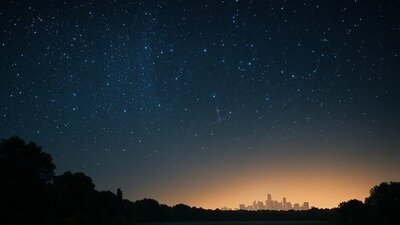
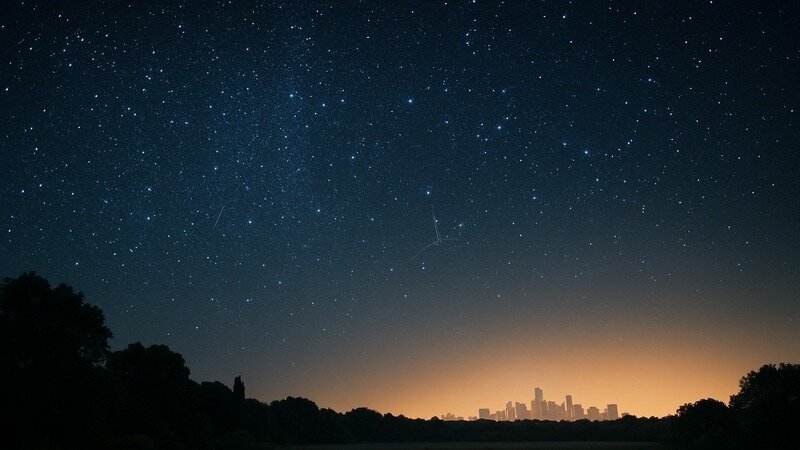
I still remember the first time I saw a star-filled night on a trip far from the city — the sky was alive with stars, like the universe was watching me. Back home, the sky is almost empty, just a faint glow and a couple of stars. I realized billions of kids may never see this wonder, and it makes me wish the night sky could feel magical for everyone, not just a few lucky people away from city lights.
Light pollution is more than an inconvenience; it obscures the stars and has profound effects on our environment and health. According to the International Dark-Sky Association, light pollution increases by about 6% each year, disrupting nocturnal wildlife, affecting human circadian rhythms, and wasting massive amounts of energy. National Geographic reports that over 80% of the global population lives under skyglow, never experiencing a true starry night sky.
Reducing light pollution is crucial for preserving this natural wonder and safeguarding biodiversity, human health, and energy resources. The solutions are simple and achievable: adopting shielded outdoor lights, using LEDs with adjustable brightness, and adding motion sensors to reduce unnecessary lighting.
Governments, urban planners, and businesses must work together to implement these practices. If we act now, we can bring the stars back — ensuring that children everywhere grow up under a blanket of stars, with the same curiosity and wonder that has inspired humanity for generations.

50
The Issue
I still remember the first time I saw a star-filled night on a trip far from the city — the sky was alive with stars, like the universe was watching me. Back home, the sky is almost empty, just a faint glow and a couple of stars. I realized billions of kids may never see this wonder, and it makes me wish the night sky could feel magical for everyone, not just a few lucky people away from city lights.
Light pollution is more than an inconvenience; it obscures the stars and has profound effects on our environment and health. According to the International Dark-Sky Association, light pollution increases by about 6% each year, disrupting nocturnal wildlife, affecting human circadian rhythms, and wasting massive amounts of energy. National Geographic reports that over 80% of the global population lives under skyglow, never experiencing a true starry night sky.
Reducing light pollution is crucial for preserving this natural wonder and safeguarding biodiversity, human health, and energy resources. The solutions are simple and achievable: adopting shielded outdoor lights, using LEDs with adjustable brightness, and adding motion sensors to reduce unnecessary lighting.
Governments, urban planners, and businesses must work together to implement these practices. If we act now, we can bring the stars back — ensuring that children everywhere grow up under a blanket of stars, with the same curiosity and wonder that has inspired humanity for generations.
50
Petition Updates
Share this petition
Petition created on 6 September 2025