Save Street Trees from being felled

Save Street Trees from being felled
The Issue
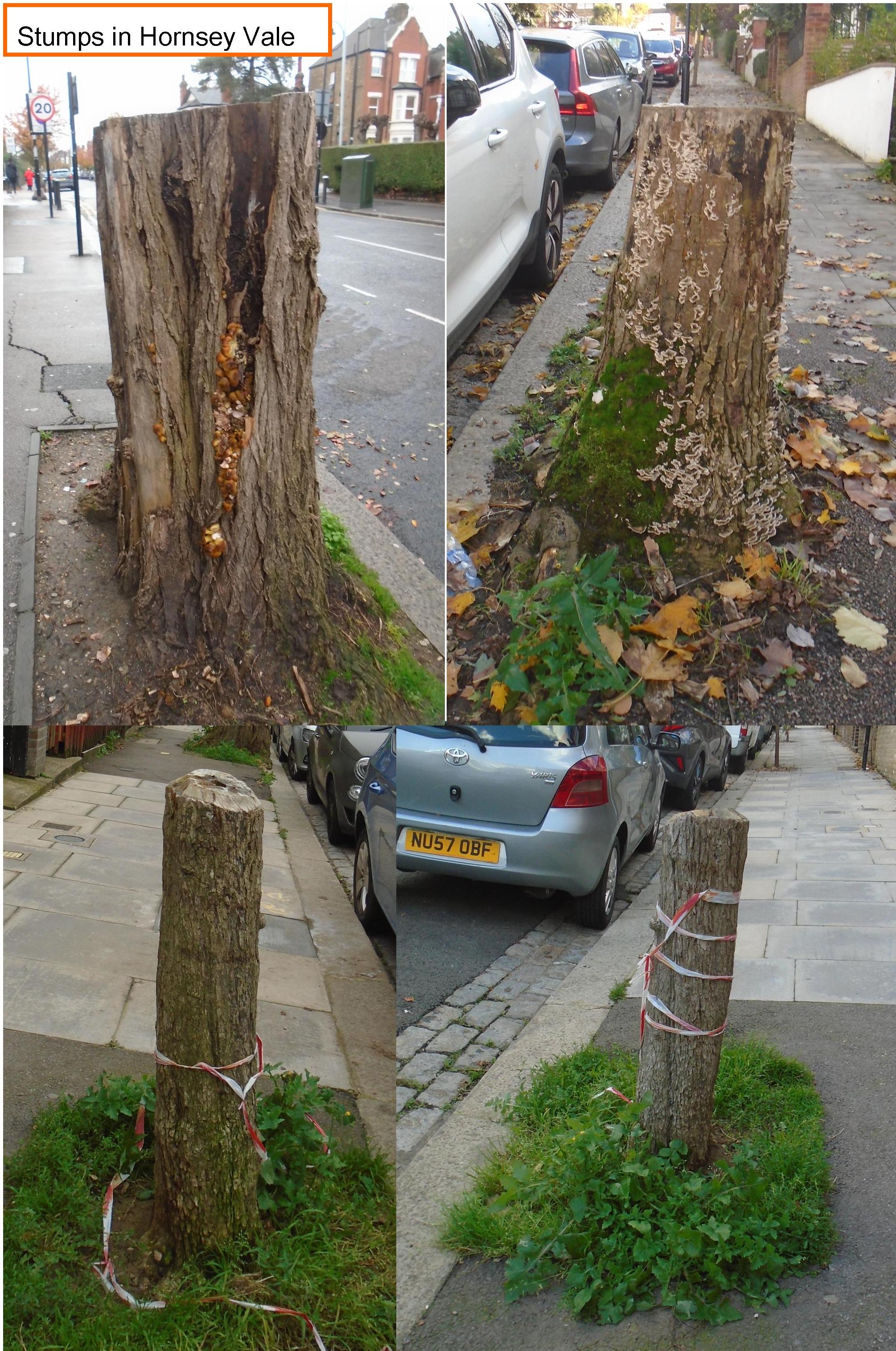
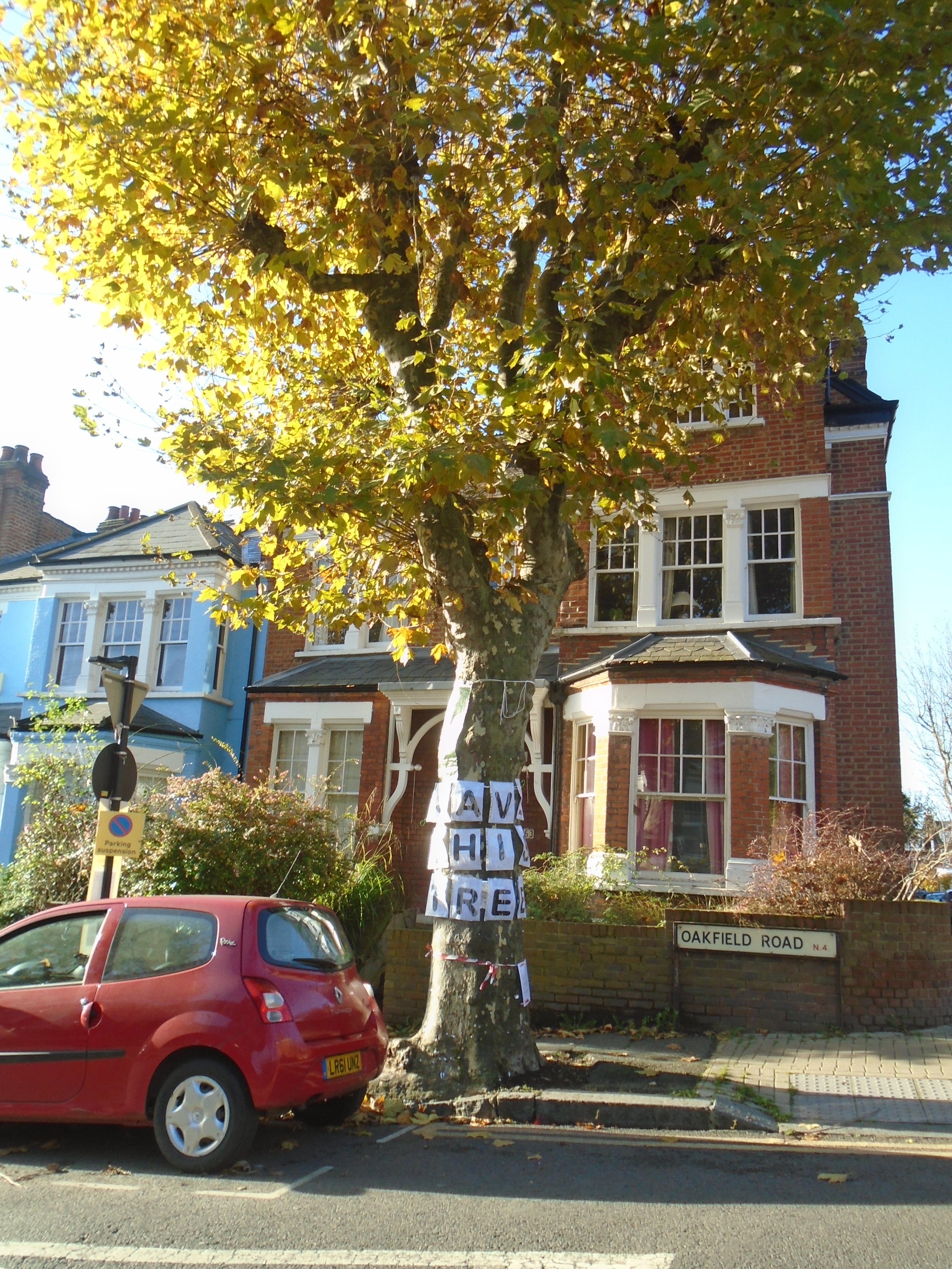
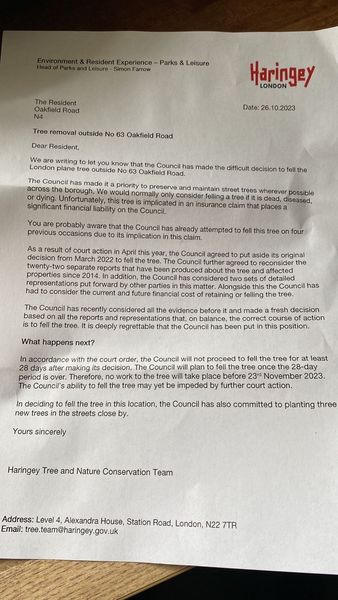
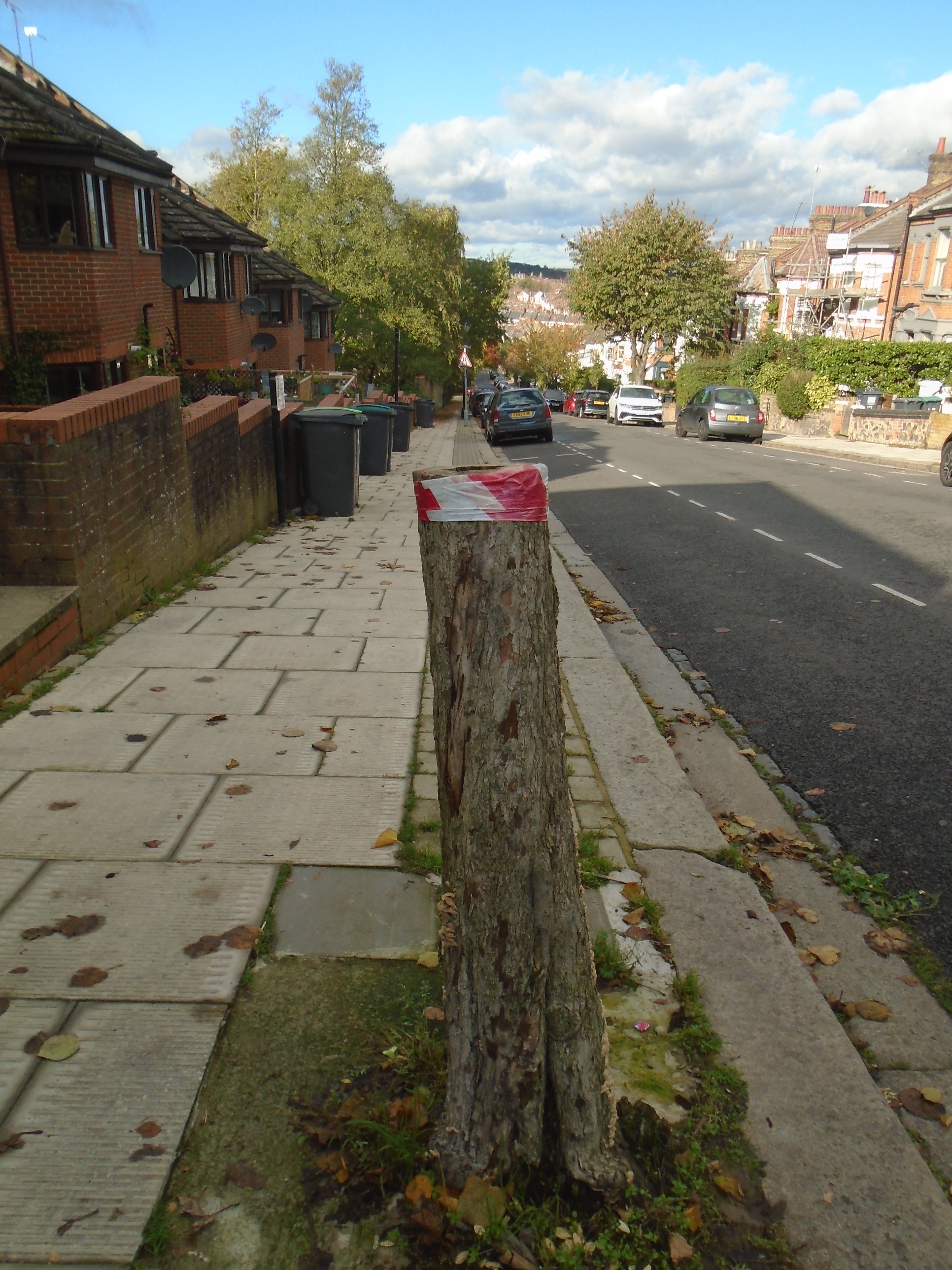
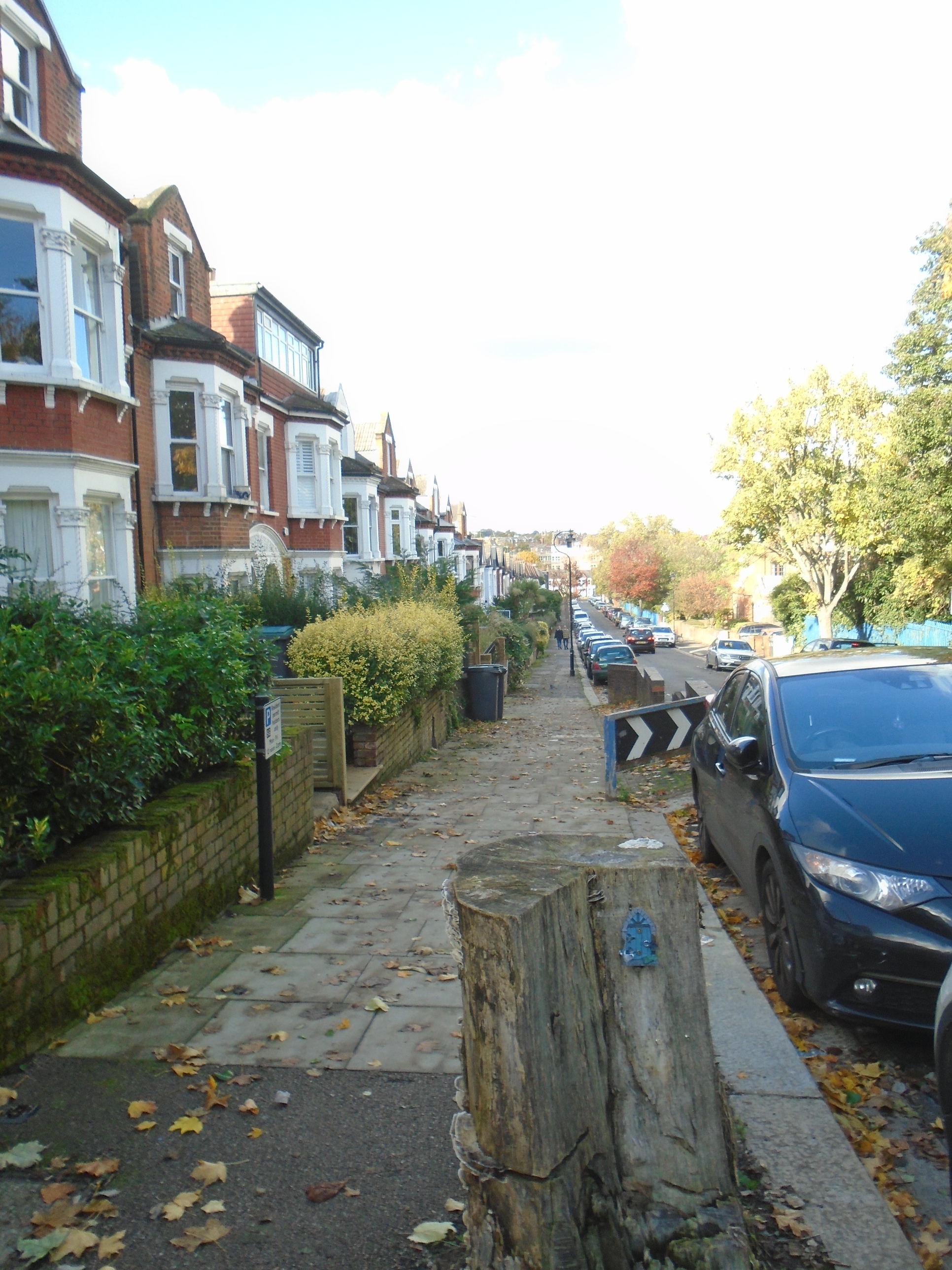
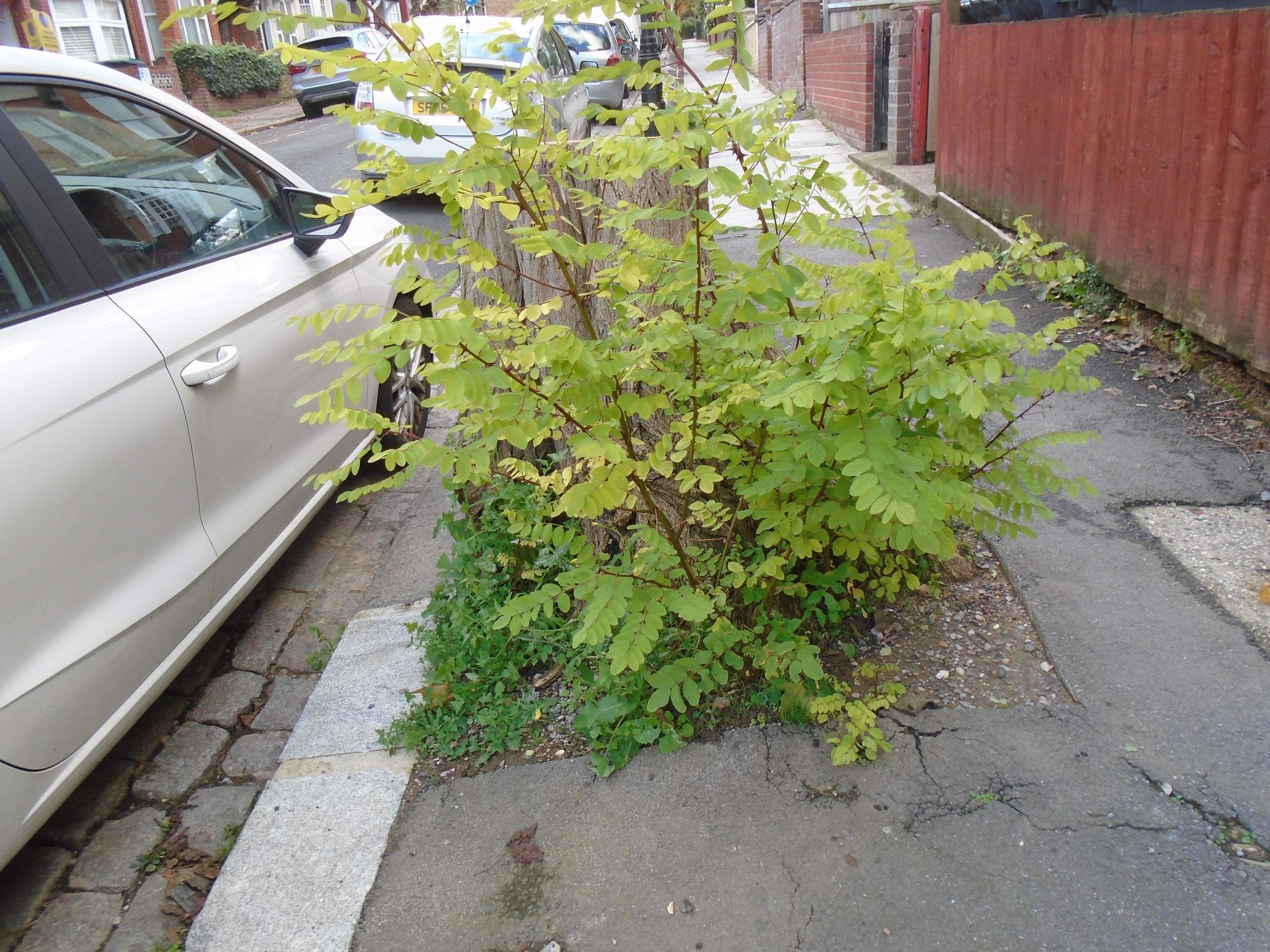
The streets where I live were once lined with living, blossoming, beautiful trees. Now, they are increasingly lined with the stumps of dead trees, or with living trees wearing their death warrants. These dead or missing trees are victims of insurance companies.
If a house was poorly constructed it may have a problem with subsidence. London has clay soil which expands in wet weather and shrinks in dry weather. This causes movement and damage to buildings, especially if they have inadequate foundations.
If the property suffers from subsidence, the householder’s insurance company blames the roots of nearby trees. They tell the council to fell the tree or they will refuse to pay for the property to be underpinned. This is expensive and it may be cheaper to demolish the house and rebuild it. By blaming the tree, the insurers push the cost onto the rate payers.
It may not be the tree that caused the subsidence and felling the tree won’t reverse subsidence.
Currently, a tree implicated in a subsidence claim, or judged to be implicated in a future claim, is felled at the council’s expense and is not replaced. The council must use public money from council tax to subsidise the house sale of private citizens.
The chainsaw massacre needs to stop. If the tree is implicated in an insurance claim and must be felled, the insurance company responsible must
* pay for the tree to be felled and pay for the wood to be removed
* pay for an immediate replacement native tree that has non-invasive roots*; install that tree in the place the old one was, not in a forest far away
* pay for that replacement tree to be looked after and if it dies, replace it, for 10 years.
BUT FIRST: We can avoid felling the tree.
The tree roots can be stopped from damaging the house by digging a trench in the garden of the house, carefully isolating the gas, electricity, sewage, internet and water, severing all roots found. Then a root proof barrier can be put in the trench. In this way, the tree is managed by having its roots pruned. It will have plenty of roots left, facing away from the root proof barrier.
Trees are essential for ameliorating climate change. Their roots prevent erosion. They provide shade and wind protection, attract wildlife and improve air quality. We condemn Bolsonaro for destroying the Amazon rainforest but we are destroying our own trees.
* Uk native trees for the wildlife: rowan, hawthorn, holly, birch, dogwood, dwarf apple.
Too many trees have gone already.
Please sign this petition.
I have been mapping where the trees/stumps/empty pits are in Hornsey Vale. https://hornseyvaletrees.wordpress.com/
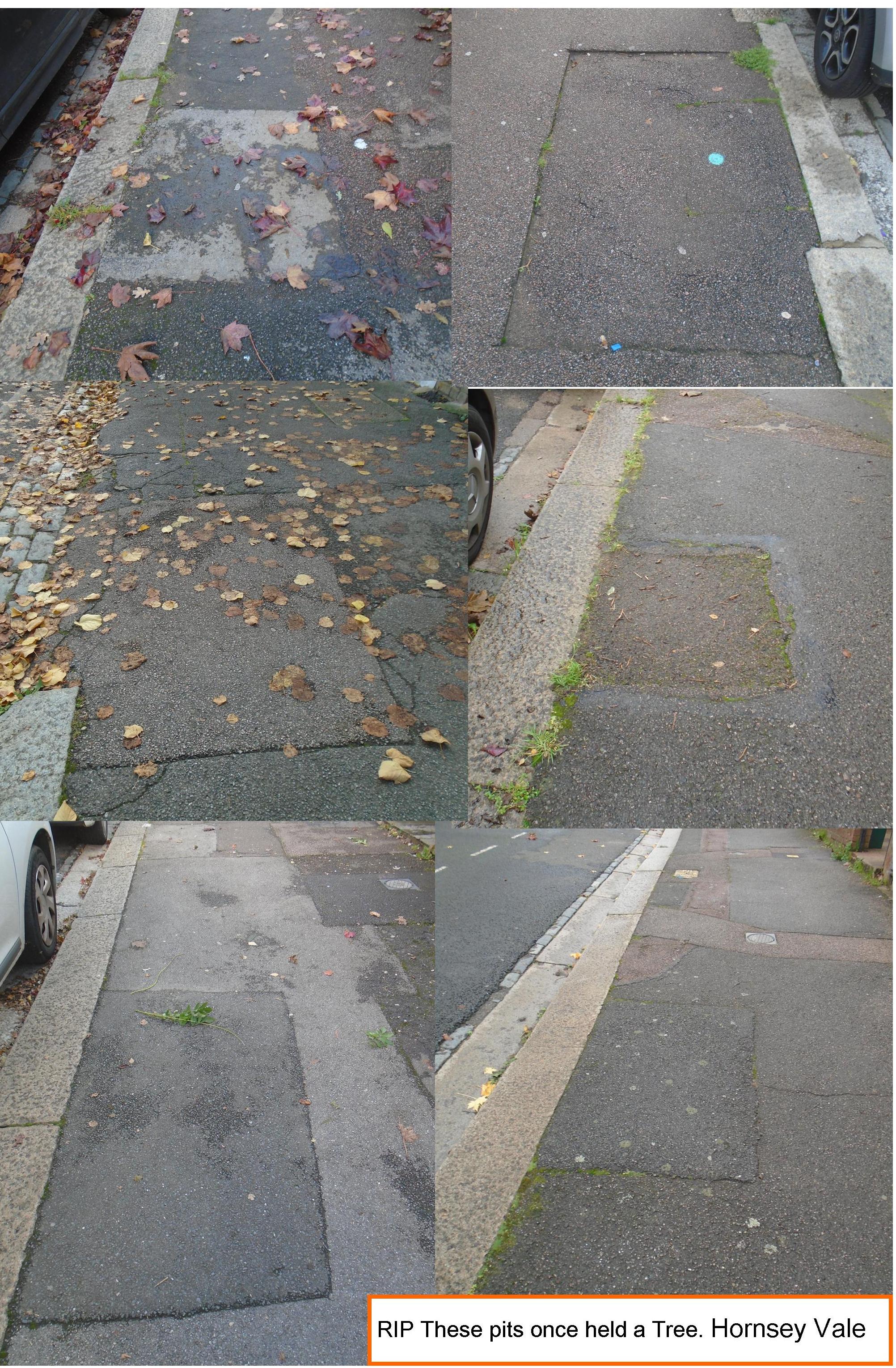
These maps show 134 trees (including 16 saplings planted in the last 2 years) and 74 missing trees. The pavements have all been replaced over the past 15 years, so this represents a 35.5% loss of trees over 15 years, or 2.4% per year. While it is good so many saplings have been planted recently, they are far short of the number of trees lost.

2,412
The Issue
The streets where I live were once lined with living, blossoming, beautiful trees. Now, they are increasingly lined with the stumps of dead trees, or with living trees wearing their death warrants. These dead or missing trees are victims of insurance companies.
If a house was poorly constructed it may have a problem with subsidence. London has clay soil which expands in wet weather and shrinks in dry weather. This causes movement and damage to buildings, especially if they have inadequate foundations.
If the property suffers from subsidence, the householder’s insurance company blames the roots of nearby trees. They tell the council to fell the tree or they will refuse to pay for the property to be underpinned. This is expensive and it may be cheaper to demolish the house and rebuild it. By blaming the tree, the insurers push the cost onto the rate payers.
It may not be the tree that caused the subsidence and felling the tree won’t reverse subsidence.
Currently, a tree implicated in a subsidence claim, or judged to be implicated in a future claim, is felled at the council’s expense and is not replaced. The council must use public money from council tax to subsidise the house sale of private citizens.
The chainsaw massacre needs to stop. If the tree is implicated in an insurance claim and must be felled, the insurance company responsible must
* pay for the tree to be felled and pay for the wood to be removed
* pay for an immediate replacement native tree that has non-invasive roots*; install that tree in the place the old one was, not in a forest far away
* pay for that replacement tree to be looked after and if it dies, replace it, for 10 years.
BUT FIRST: We can avoid felling the tree.
The tree roots can be stopped from damaging the house by digging a trench in the garden of the house, carefully isolating the gas, electricity, sewage, internet and water, severing all roots found. Then a root proof barrier can be put in the trench. In this way, the tree is managed by having its roots pruned. It will have plenty of roots left, facing away from the root proof barrier.
Trees are essential for ameliorating climate change. Their roots prevent erosion. They provide shade and wind protection, attract wildlife and improve air quality. We condemn Bolsonaro for destroying the Amazon rainforest but we are destroying our own trees.
* Uk native trees for the wildlife: rowan, hawthorn, holly, birch, dogwood, dwarf apple.
Too many trees have gone already.
Please sign this petition.
I have been mapping where the trees/stumps/empty pits are in Hornsey Vale. https://hornseyvaletrees.wordpress.com/
These maps show 134 trees (including 16 saplings planted in the last 2 years) and 74 missing trees. The pavements have all been replaced over the past 15 years, so this represents a 35.5% loss of trees over 15 years, or 2.4% per year. While it is good so many saplings have been planted recently, they are far short of the number of trees lost.
2,412
The Decision Makers

Petition Updates
Share this petition
Petition created on 5 November 2023