
Save AfroFest: Demand Transparency, Business Relief and a Secure 2027 Return
The Issue
An injustice has been served. The City Hall of Toronto has given its African-Canadian community a bad check, and we are here to protest this injustice.
AfroFest Is More Than a Festival. It Is Our Cultural Home.
For nearly four decades, AfroFest has brought African music, art, food, heritage, entrepreneurship and community to Toronto.
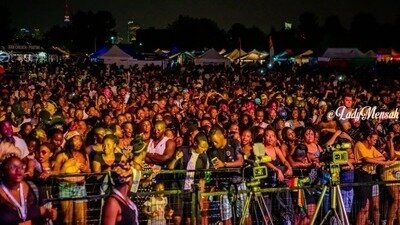
It has given artists a stage, families a gathering place, visitors a reason to come to our city and African-Canadian-owned businesses an opportunity to reach tens of thousands of customers.
AfroFest was scheduled to return to Woodbine Park from August 14 to 16, 2026. More than 100 vendors and over 40 local and international artists were reportedly expected to participate. In addition, tens of thousands of people were looking forward to these dates on their calendar both within Canada and from the rest of the world.
Instead, AfroFest 2026 has been cancelled.
Music Africa, the nonprofit organization behind AfroFest, said the decision was made after months of planning and consultation with the City of Toronto. The organization explained that the decision was rooted in protecting the safety and well-being of the community.
We respect that responsibility. Public safety must never be compromised.
But safety does not remove the need for transparency. It makes transparency even more important.
The Public Deserves Answers
Music Africa has said that Woodbine Park’s operational capacity was reduced from its longstanding limit of approximately 17,000 people to 5,000 for 2026.
AfroFest regularly attracts tens of thousands of people throughout each festival day. Organizers considered ticketing, fencing, controlled entry and enhanced security. However, they concluded that thousands of additional people could still travel to the park, creating an unmanageable safety risk outside the gates.
Alternative venues were explored, but no suitable location was secured in time.
This leaves the community with serious and reasonable questions.
What metric was used to establish the reported 5,000-person limit?
Was it based on usable square footage, emergency exits, fire-code requirements, security resources, transit capacity, environmental restrictions or another professional standard?
Who conducted the assessment? When was it completed? Why was the final direction reportedly communicated so late in the planning process? Was the same methodology applied consistently to other major festivals and events using comparable public spaces?
When a successful cultural institution outgrows its venue, that growth should lead to planning, investment and expansion—not the disappearance of the event.
African-Canadian-Owned Businesses Are Paying the Price
The cancellation is not only a cultural loss. It is also a direct economic blow to Canadian businesses.
Vendors, caterers, retailers, importers and service providers invested in inventory, ingredients, equipment, permits, staffing, advertising, transportation, storage and refrigeration because they reasonably expected AfroFest 2026 to proceed.
Some Canadian businesses secured culturally specific products through international supply chains to meet the expected demand. Those purchases were made by businesses operating in Canada, using Canadian capital, to serve customers at a Toronto event.
The resulting losses are local.
They include rent that may go unpaid, employee shifts that may disappear, wages that may not be issued, tax revenue that may never be generated and family savings that may be lost.
Perishable inventory may spoil. Other products may accumulate storage, refrigeration, insurance and financing costs. Some businesses may be forced to discount their inventory, dispose of products, assume additional debt or carry stock until 2027.
For a small business operating on narrow margins, one cancelled festival can become one lost season—and one lost season can become a closed business.
These businesses did not cause the cancellation. They should not be left to bear its financial consequences alone.
This Is Also a Question of Equity
AfroFest’s cancellation raises broader questions about how Toronto supports cultural institutions created by African, Caribbean and Black communities.
We are not asking for special treatment.
We are asking for equal urgency, equal investment, equal transparency and equal access to municipal problem-solving.
Toronto celebrates diversity as part of its identity. That commitment must be demonstrated through its decisions, resources and institutions—not only through speeches and public statements.
If other major cultural events are met with solutions when they face growth, venue or logistical challenges, AfroFest deserves the same determination.
We Call on the City of Toronto To:
1. Release a transparent public account of the decisions and circumstances that led to the cancellation of AfroFest 2026.
2. Publish the data, methodology, professional assessment and governing standard used to establish Woodbine Park’s reported 5,000-person operational capacity.
3. Confirm whether the same capacity and safety methodology is applied consistently to comparable festivals and public events.
4. Disclose the venues, dates, formats and other alternatives considered before AfroFest 2026 was cancelled.
5. Meet urgently with Music Africa, affected African-Canadian-owned businesses and community representatives.
6. Establish emergency relief, storage assistance and alternative vending opportunities for businesses with verified losses.
7. Complete a local economic-impact assessment measuring lost revenue, jobs, wages, taxes, inventory costs and the risk of business closures.
8. Publish a binding and accountable plan for AfroFest 2027, including the venue, funding, transit arrangements, safety measures, crowd-management strategy, deadlines and community consultation process.
9. Review municipal support for African, Caribbean and Black cultural festivals to ensure fairness, consistency and transparency.
10. Require Toronto’s mayoral candidates and municipal leaders to clearly explain how they will protect AfroFest and ensure equitable access to Toronto’s cultural infrastructure.
We Will Not Be Silent
AfroFest belongs to the artists who performed on its stages.
It belongs to the businesses that invested in its marketplace.
It belongs to the volunteers who gave their time, the families who returned year after year and the community that carried its spirit from one generation to the next.
It belongs to the thousands of people in our community who show up each year to celebrate, come rain or sunshine.
That community deserves answers. It deserves fairness. It deserves action.
AfroFest must not be treated as expendable.
African-Canadian-owned businesses must not be abandoned.
Sign this petition and call on the City of Toronto to provide transparency, support affected businesses and secure AfroFest’s strong, safe and properly supported return in 2027.
Learn More and Follow the Campaign
The Save AfroFest website contains the campaign’s supporting information, community stories and latest developments:
Visit the official campaign website: saveafrofest.com
Volunteer With Save AfroFest: Join Our Community Today

177
The Issue
An injustice has been served. The City Hall of Toronto has given its African-Canadian community a bad check, and we are here to protest this injustice.
AfroFest Is More Than a Festival. It Is Our Cultural Home.
For nearly four decades, AfroFest has brought African music, art, food, heritage, entrepreneurship and community to Toronto.
It has given artists a stage, families a gathering place, visitors a reason to come to our city and African-Canadian-owned businesses an opportunity to reach tens of thousands of customers.
AfroFest was scheduled to return to Woodbine Park from August 14 to 16, 2026. More than 100 vendors and over 40 local and international artists were reportedly expected to participate. In addition, tens of thousands of people were looking forward to these dates on their calendar both within Canada and from the rest of the world.
Instead, AfroFest 2026 has been cancelled.
Music Africa, the nonprofit organization behind AfroFest, said the decision was made after months of planning and consultation with the City of Toronto. The organization explained that the decision was rooted in protecting the safety and well-being of the community.
We respect that responsibility. Public safety must never be compromised.
But safety does not remove the need for transparency. It makes transparency even more important.
The Public Deserves Answers
Music Africa has said that Woodbine Park’s operational capacity was reduced from its longstanding limit of approximately 17,000 people to 5,000 for 2026.
AfroFest regularly attracts tens of thousands of people throughout each festival day. Organizers considered ticketing, fencing, controlled entry and enhanced security. However, they concluded that thousands of additional people could still travel to the park, creating an unmanageable safety risk outside the gates.
Alternative venues were explored, but no suitable location was secured in time.
This leaves the community with serious and reasonable questions.
What metric was used to establish the reported 5,000-person limit?
Was it based on usable square footage, emergency exits, fire-code requirements, security resources, transit capacity, environmental restrictions or another professional standard?
Who conducted the assessment? When was it completed? Why was the final direction reportedly communicated so late in the planning process? Was the same methodology applied consistently to other major festivals and events using comparable public spaces?
When a successful cultural institution outgrows its venue, that growth should lead to planning, investment and expansion—not the disappearance of the event.
African-Canadian-Owned Businesses Are Paying the Price
The cancellation is not only a cultural loss. It is also a direct economic blow to Canadian businesses.
Vendors, caterers, retailers, importers and service providers invested in inventory, ingredients, equipment, permits, staffing, advertising, transportation, storage and refrigeration because they reasonably expected AfroFest 2026 to proceed.
Some Canadian businesses secured culturally specific products through international supply chains to meet the expected demand. Those purchases were made by businesses operating in Canada, using Canadian capital, to serve customers at a Toronto event.
The resulting losses are local.
They include rent that may go unpaid, employee shifts that may disappear, wages that may not be issued, tax revenue that may never be generated and family savings that may be lost.
Perishable inventory may spoil. Other products may accumulate storage, refrigeration, insurance and financing costs. Some businesses may be forced to discount their inventory, dispose of products, assume additional debt or carry stock until 2027.
For a small business operating on narrow margins, one cancelled festival can become one lost season—and one lost season can become a closed business.
These businesses did not cause the cancellation. They should not be left to bear its financial consequences alone.
This Is Also a Question of Equity
AfroFest’s cancellation raises broader questions about how Toronto supports cultural institutions created by African, Caribbean and Black communities.
We are not asking for special treatment.
We are asking for equal urgency, equal investment, equal transparency and equal access to municipal problem-solving.
Toronto celebrates diversity as part of its identity. That commitment must be demonstrated through its decisions, resources and institutions—not only through speeches and public statements.
If other major cultural events are met with solutions when they face growth, venue or logistical challenges, AfroFest deserves the same determination.
We Call on the City of Toronto To:
1. Release a transparent public account of the decisions and circumstances that led to the cancellation of AfroFest 2026.
2. Publish the data, methodology, professional assessment and governing standard used to establish Woodbine Park’s reported 5,000-person operational capacity.
3. Confirm whether the same capacity and safety methodology is applied consistently to comparable festivals and public events.
4. Disclose the venues, dates, formats and other alternatives considered before AfroFest 2026 was cancelled.
5. Meet urgently with Music Africa, affected African-Canadian-owned businesses and community representatives.
6. Establish emergency relief, storage assistance and alternative vending opportunities for businesses with verified losses.
7. Complete a local economic-impact assessment measuring lost revenue, jobs, wages, taxes, inventory costs and the risk of business closures.
8. Publish a binding and accountable plan for AfroFest 2027, including the venue, funding, transit arrangements, safety measures, crowd-management strategy, deadlines and community consultation process.
9. Review municipal support for African, Caribbean and Black cultural festivals to ensure fairness, consistency and transparency.
10. Require Toronto’s mayoral candidates and municipal leaders to clearly explain how they will protect AfroFest and ensure equitable access to Toronto’s cultural infrastructure.
We Will Not Be Silent
AfroFest belongs to the artists who performed on its stages.
It belongs to the businesses that invested in its marketplace.
It belongs to the volunteers who gave their time, the families who returned year after year and the community that carried its spirit from one generation to the next.
It belongs to the thousands of people in our community who show up each year to celebrate, come rain or sunshine.
That community deserves answers. It deserves fairness. It deserves action.
AfroFest must not be treated as expendable.
African-Canadian-owned businesses must not be abandoned.
Sign this petition and call on the City of Toronto to provide transparency, support affected businesses and secure AfroFest’s strong, safe and properly supported return in 2027.
Learn More and Follow the Campaign
The Save AfroFest website contains the campaign’s supporting information, community stories and latest developments:
Visit the official campaign website: saveafrofest.com
Volunteer With Save AfroFest: Join Our Community Today
The Decision Makers

Supporter Voices
Petition Updates
Share this petition
Petition created on August 2, 2026