ROYAL COMMISSION into Police Shootings in QLD

ROYAL COMMISSION into Police Shootings in QLD
The issue
1. Converging Calls for Inquiry
The Australia New Zealand Lived Experience Advisory Council for Police-Related Deaths calls for a Royal Commission is not speculative. It reflects a convergence of concern across multiple, credible domains, including policing, civil society and oversight bodies.
The Crime and Corruption Commission, established under the Crime and Corruption Act 2001, has a clear mandate to examine the incidence and prevention of crime and corruption, including the analysis of policing methods. Although a dedicated review was identified as a high priority during a spike in shootings around 2014, there is no publicly available, ongoing or longitudinal body of research tracking and analysing police shootings over time.
In practical terms, the Commission’s role remains largely confined to case oversight and investigation. Its research function has not been consistently directed to shootings as a systemic issue. The position is therefore one where both the mandate and capability exist, but the research gap remains.

The late Ian Leavers in his capacity as President of the Queensland Police Union, publicly advocated for a Royal Commission into police shootings. His position is significant in that it originates from within the policing profession. The key elements of his argument were that any inquiry should adopt a national perspective, examine the role of mental health in critical incidents, address the cumulative impact of shootings on police personnel, and recognise the need for timely access to mental health care.
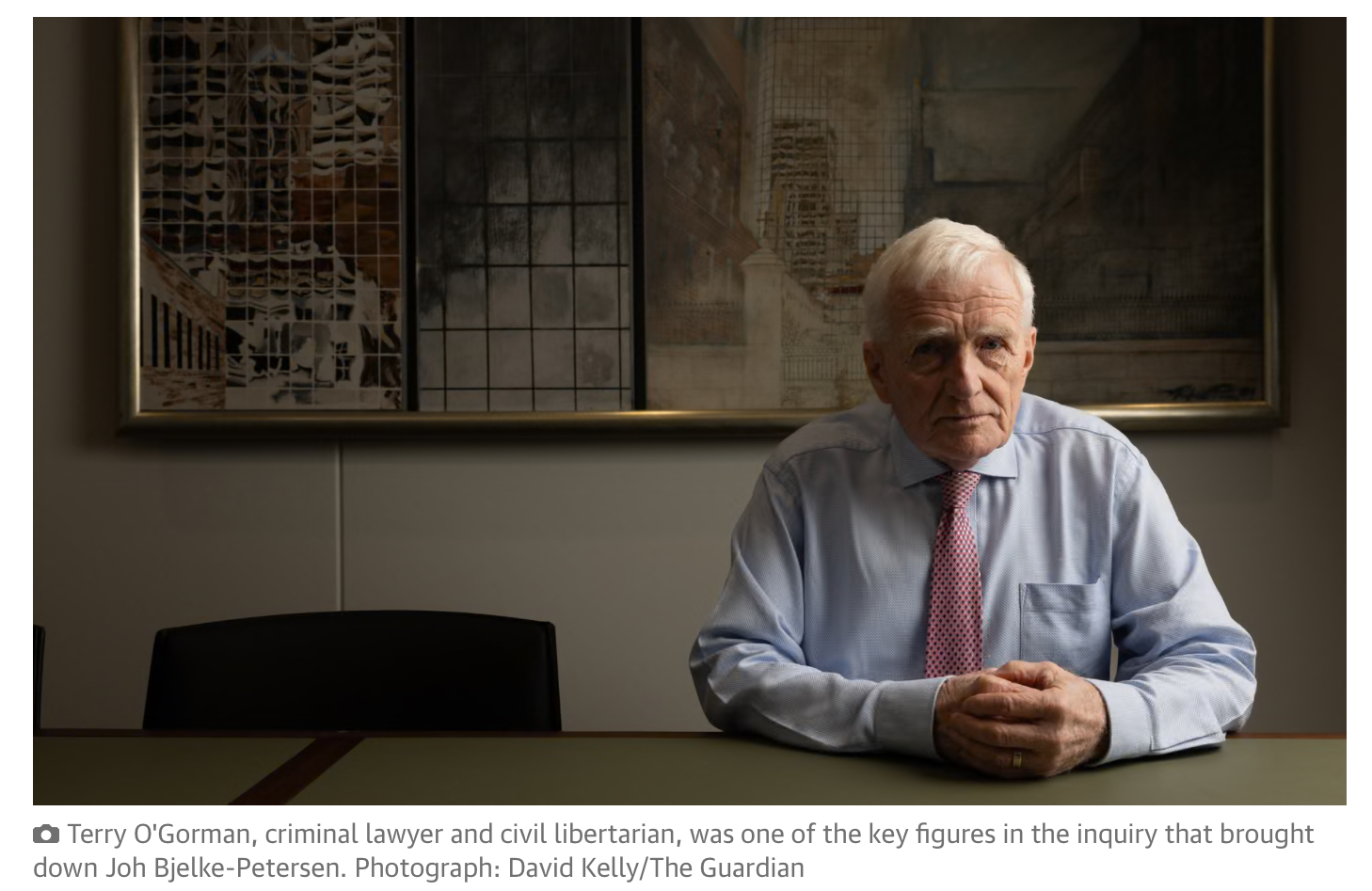
That position has been reinforced by the Queensland Council for Civil Liberties. But it’s Vice President, Terry O’Gorman, has emphasised the importance of examining the 23 police shootings recorded in Queensland between 2021 and 2024, with a view to understanding why firearm use in that jurisdiction is comparatively high and how it might be reduced. He has also drawn attention to the limitations of current accountability mechanisms, noting that post incident processes tend to be internal, with limited public reporting and little capacity for cumulative, system-wide analysis.
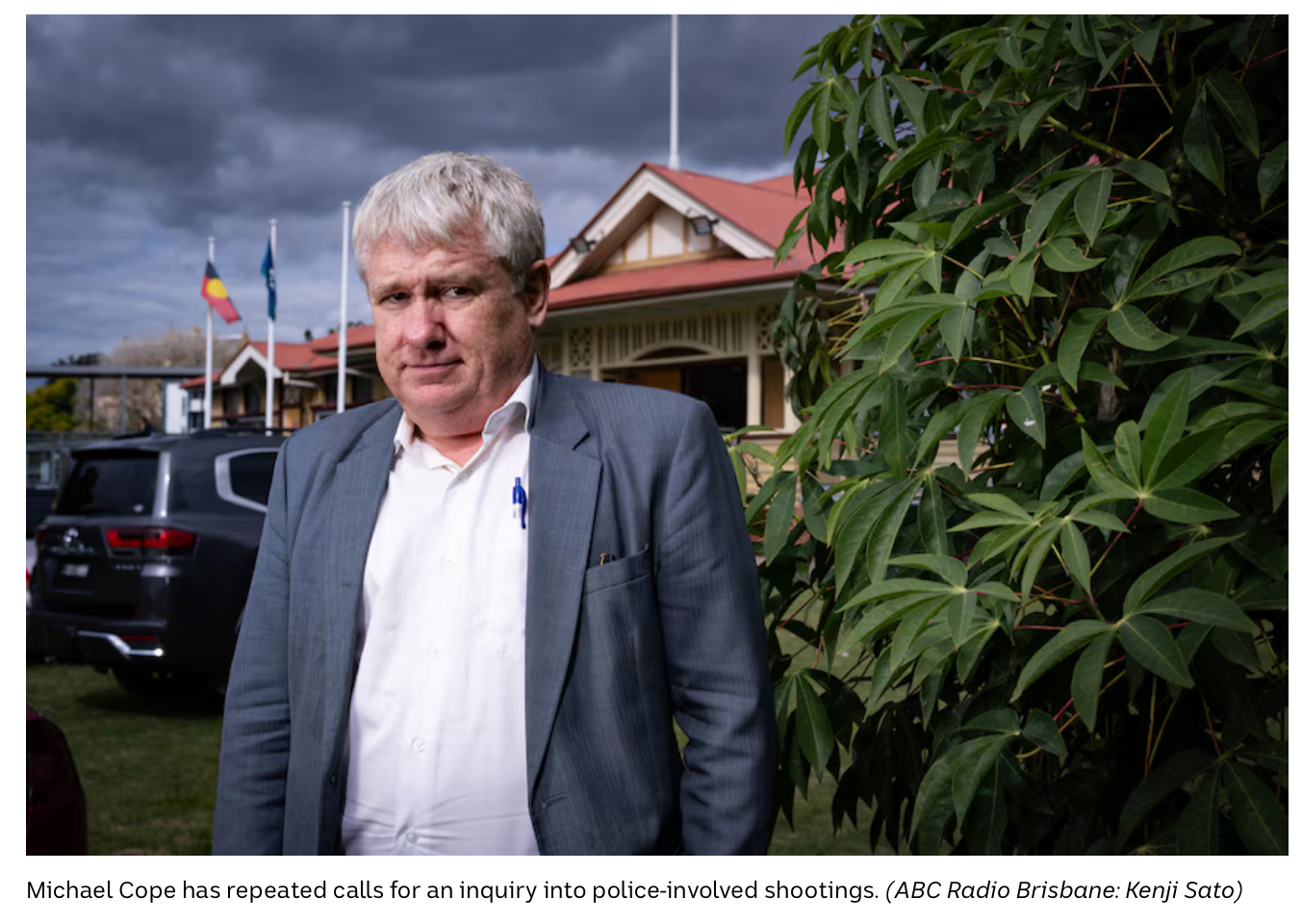
Similarly, following a cluster of police-involved shooting incidents in Townsville in 2025, QCCL President Michael Cope reiterated that reliance on incident-specific review is unlikely to yield meaningful insights into systemic drivers, and that a broader, structured inquiry is required.
The Queensland Coroner’s decision to progress an inquiry into the Townsville shooting cluster further reflects a level of judicial concern regarding recurring features across incidents. Importantly, this aligns with earlier observations that such events should be understood not only in isolation but within a broader national and systemic context.
Recent incident data adds to that concern. Police and media reporting indicate that four Queensland police shootings occurred within the first four months of 2026, three of which were non fatal. While non fatal incidents may fall outside the threshold for coronial inquest, they remain critical indicators of operational practice, decision making and risk exposure.
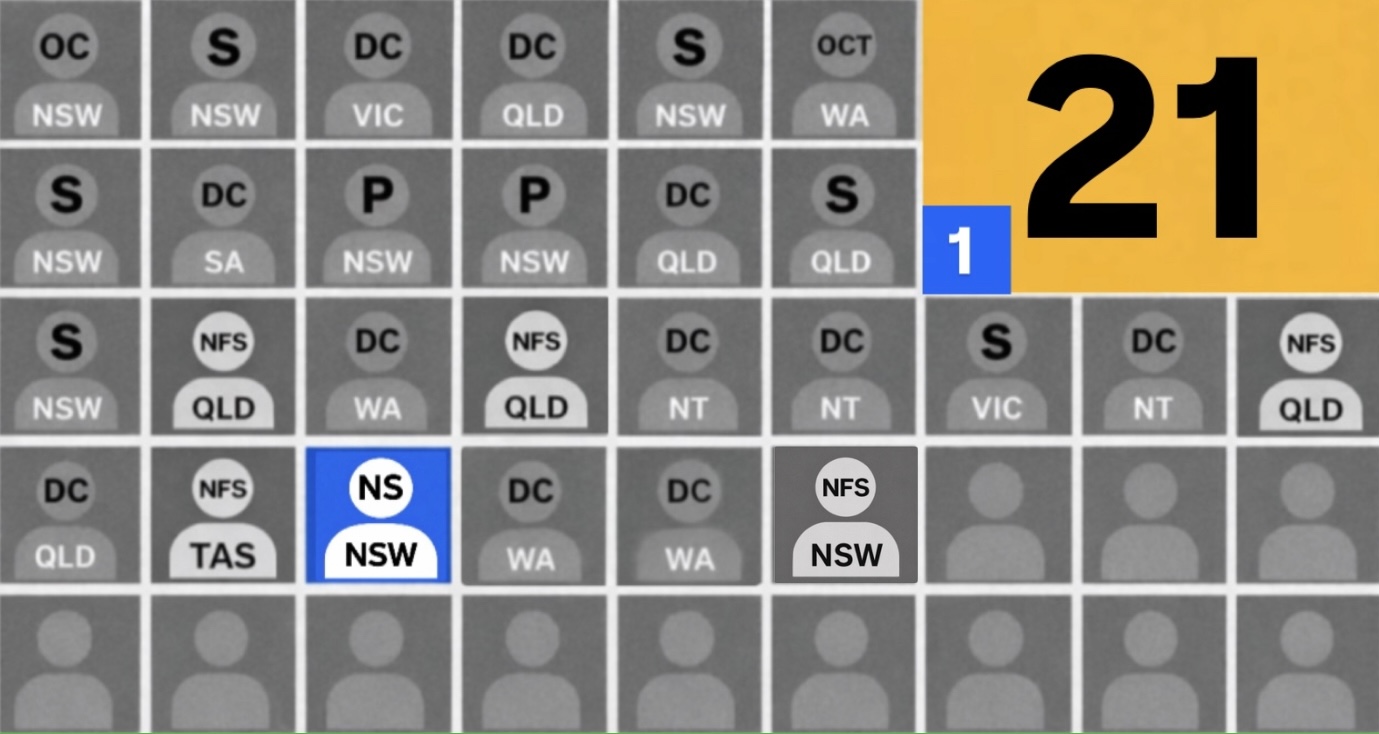
At a national level, data from the Australian Institute of Criminology indicates an increase in Indigenous deaths in custody in the thirty five years since the Royal Commission into Aboriginal Deaths in Custody. Notably, the explanatory material accompanying that dataset highlights a significant temporal lag, with final figures dependent on the completion of coronial processes. This delay limits the capacity for timely analysis and policy response, and underscores the limitations of relying solely on retrospective mechanisms.
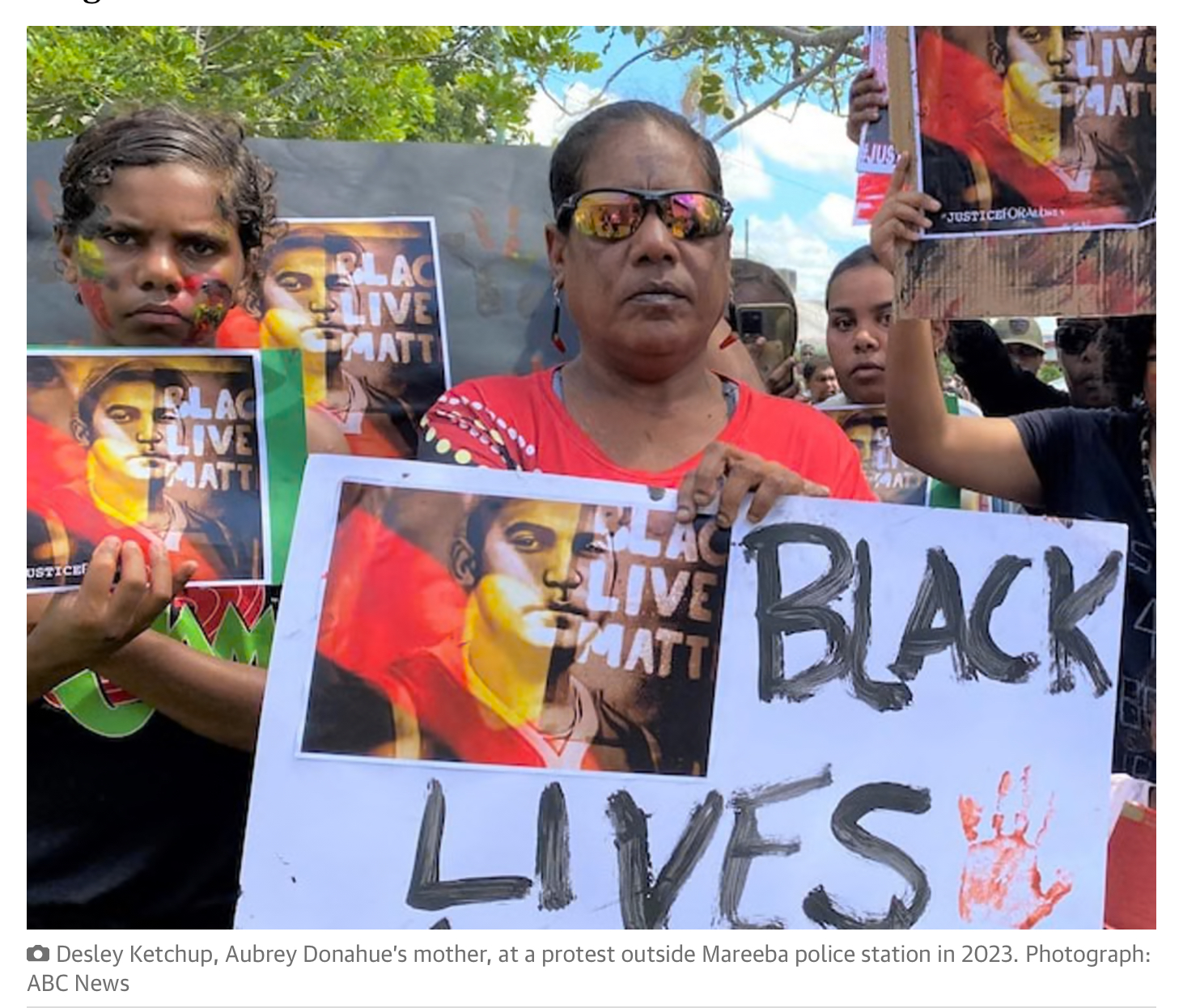
The fatal 2019 police shooting of Kumanjayi Walker was a case of officer-induced jeopardy by a racist constable with a contempt for accountability, the Northern Territory coroner noted in findings handed down in 2025.
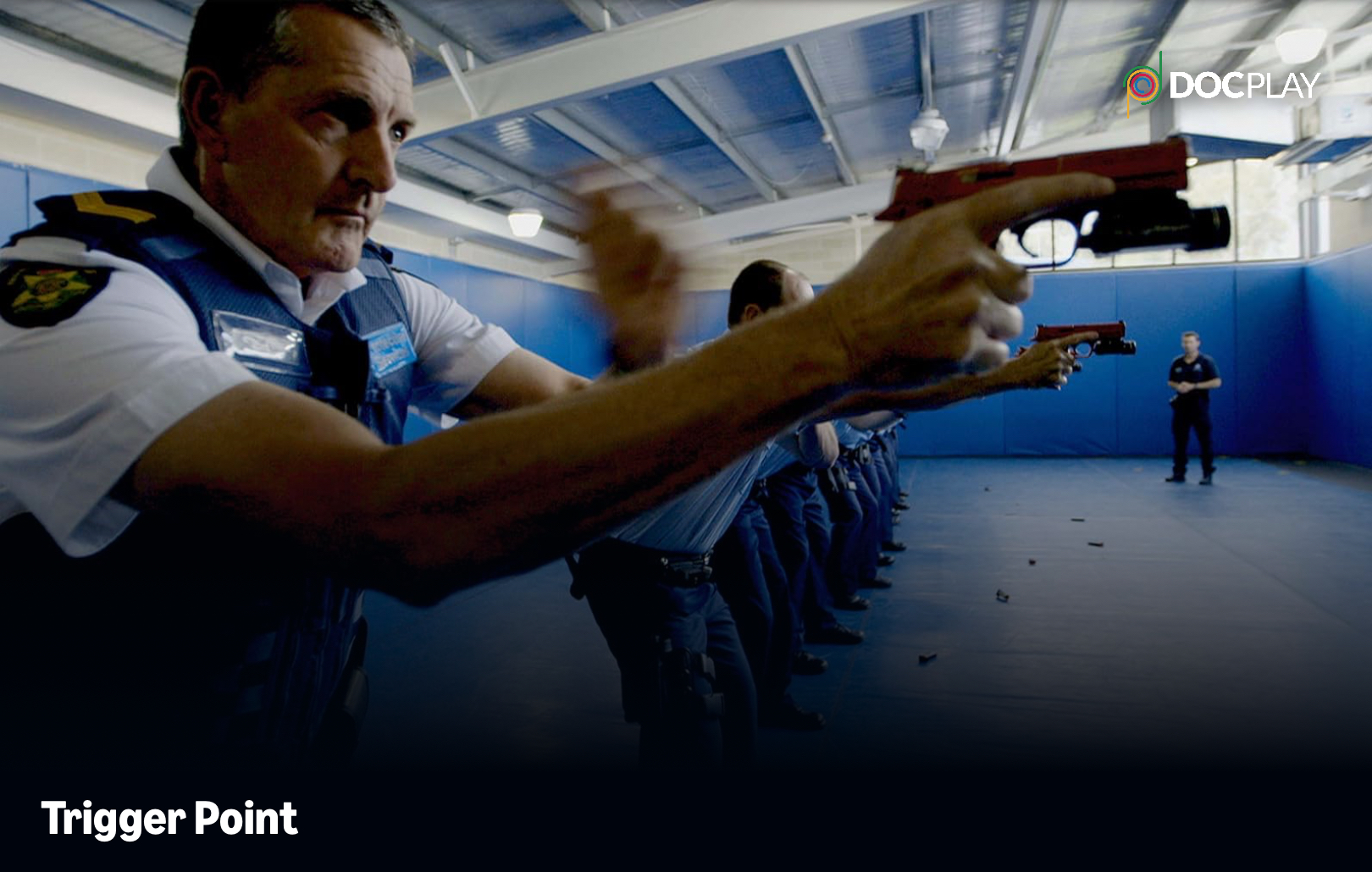
The experience in Victoria provides a relevant comparative model. As reported by John Silvester, Victoria once recorded police shootings at a rate exceeding other jurisdictions, with each incident historically assessed in isolation and found legally justified. It was only when cases were examined collectively that systemic issues became apparent, prompting the introduction of Project Beacon in 1994, a retraining program focused on de escalation and minimising the use of force. That reform significantly reduced shootings, although later increases required further review of training protocols.
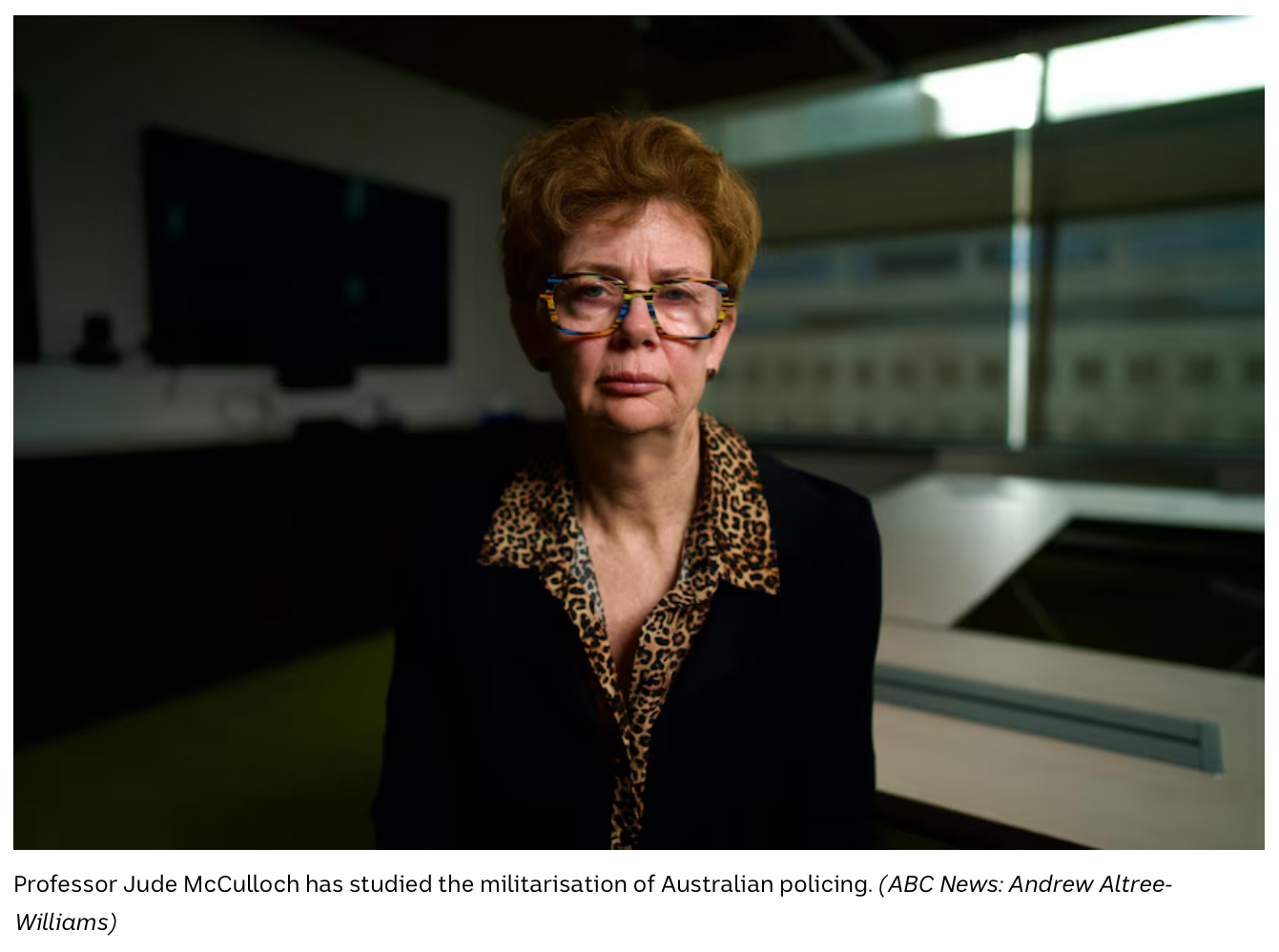
Academic analysis by Jude McCulloch supports this systemic view, noting that a culture of the gun can emerge where officers are placed in situations that make firearm use appear legally justified but operationally avoidable. The Victorian experience demonstrates that meaningful reduction in police shootings depends on recognising patterns, addressing training and culture, and prioritising the preservation of life as the central policing objective. Taken together, these developments point to a consistent conclusion. When concerns are raised across policing, civil liberties, oversight bodies and empirical data sources, the issue is no longer one of isolated incidents. It is indicative of systemic factors that warrant structured, independent and evidence driven examination.
2. The Emerging Evidence Base
There are now several developments which materially strengthen the case for a Royal Commission.
(c) New evidence concerning firearm performance
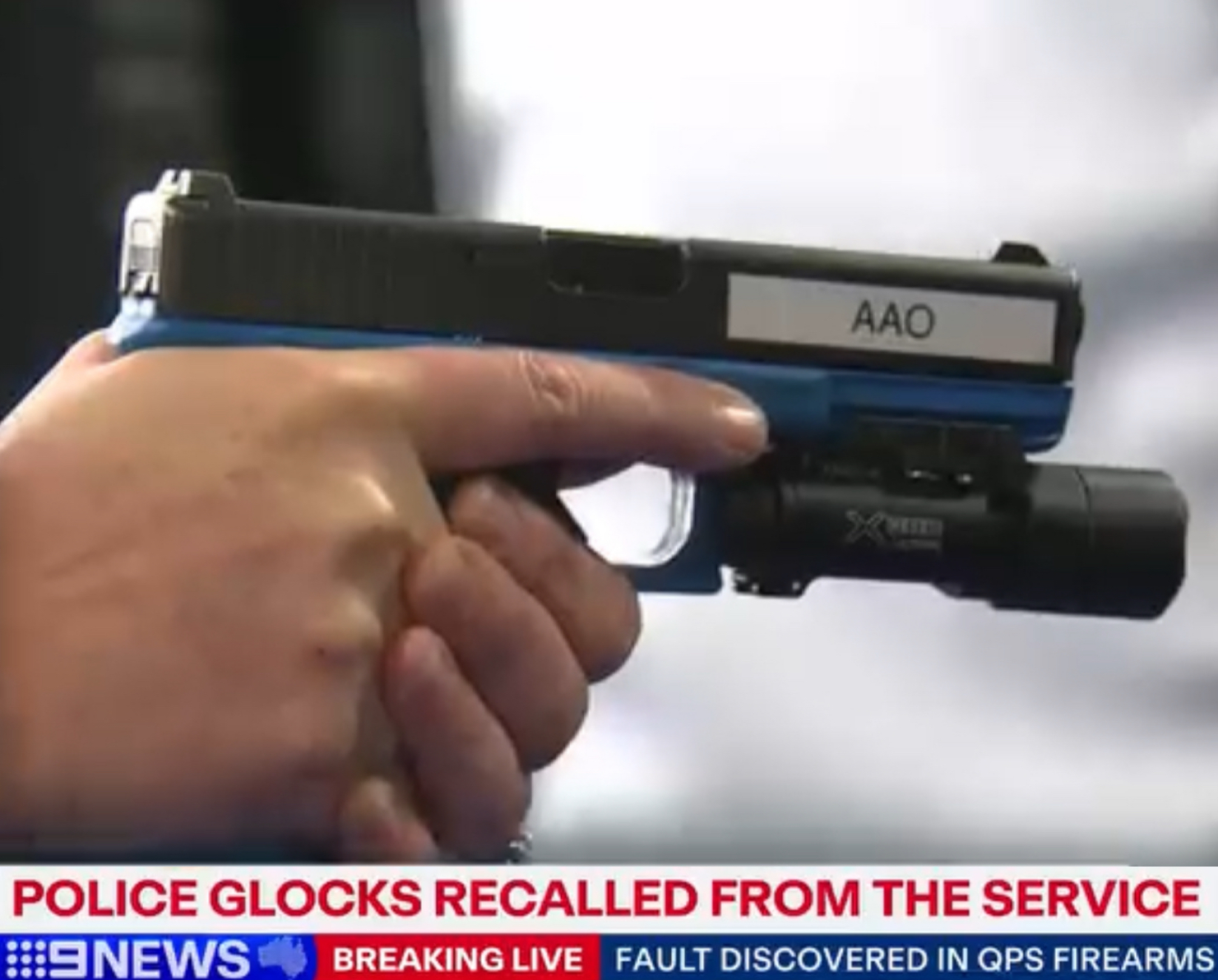
Recent reporting confirms that the Queensland Police Service is undertaking a statewide recall and testing of more than 15,000 service issued Glock pistols after armourers identified a defect capable of causing multiple rounds to discharge when the trigger is held, rather than a single shot. While no specific incident has yet been attributed to the fault, its confirmed existence is of clear legal significance. As a matter of principle, where new facts arise that may affect the cause or manner of death, coronial findings may be reopened. A defect of this kind plainly meets that threshold, raising a real question as to whether prior shootings involving multiple discharges were influenced by mechanical factors not previously identified, and strengthening the case for a comprehensive independent inquiry.
QCCL Terry OGorman questions the following points;
“How many glocks have been identified as having malfunctioned. How long has this been identified by QPS as a problem. What has the glock manufacturer said is the cause of the problem. Has the QPS obtained an alternative opinion on the matter as Glock cannot be relied upon to provide the sole opinion as to the cause of the misfirings”
Particularly in relation to, the Royal Commission call:
[1] have individual particular glocks been identified by serial number or otherwise as having misfired.
[2] Have those specific glocks been cross referred with ESC and Coronial records as having been involved in a particular police shooting whether fatal or not.
[3] if there has been a link established between a defective particular Glock and a specific fatal shooting, has the matter been referred back to the Coroner to establish whether there is a need to reopen any specific case of a fatal police shooting in Qld.
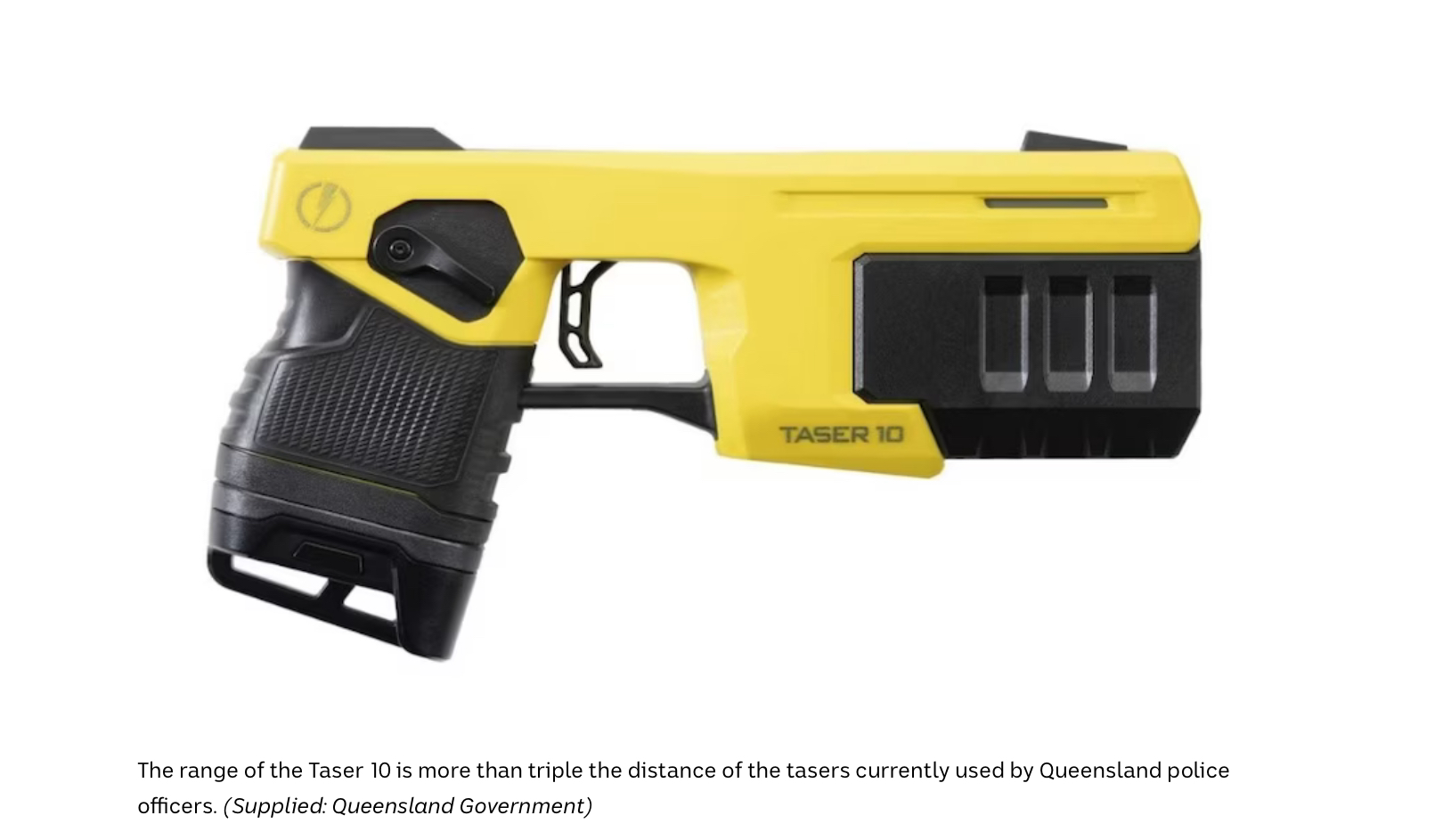
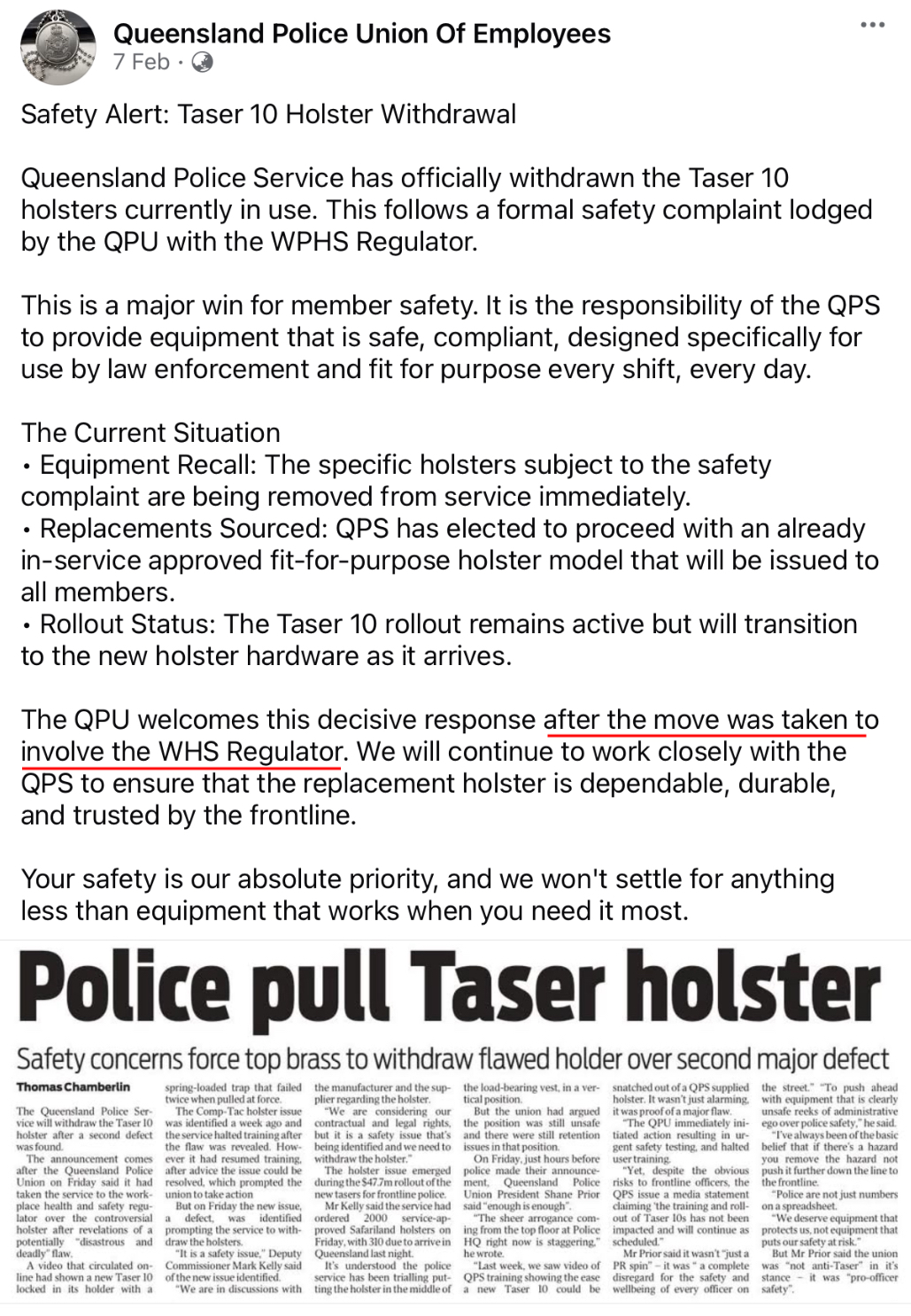
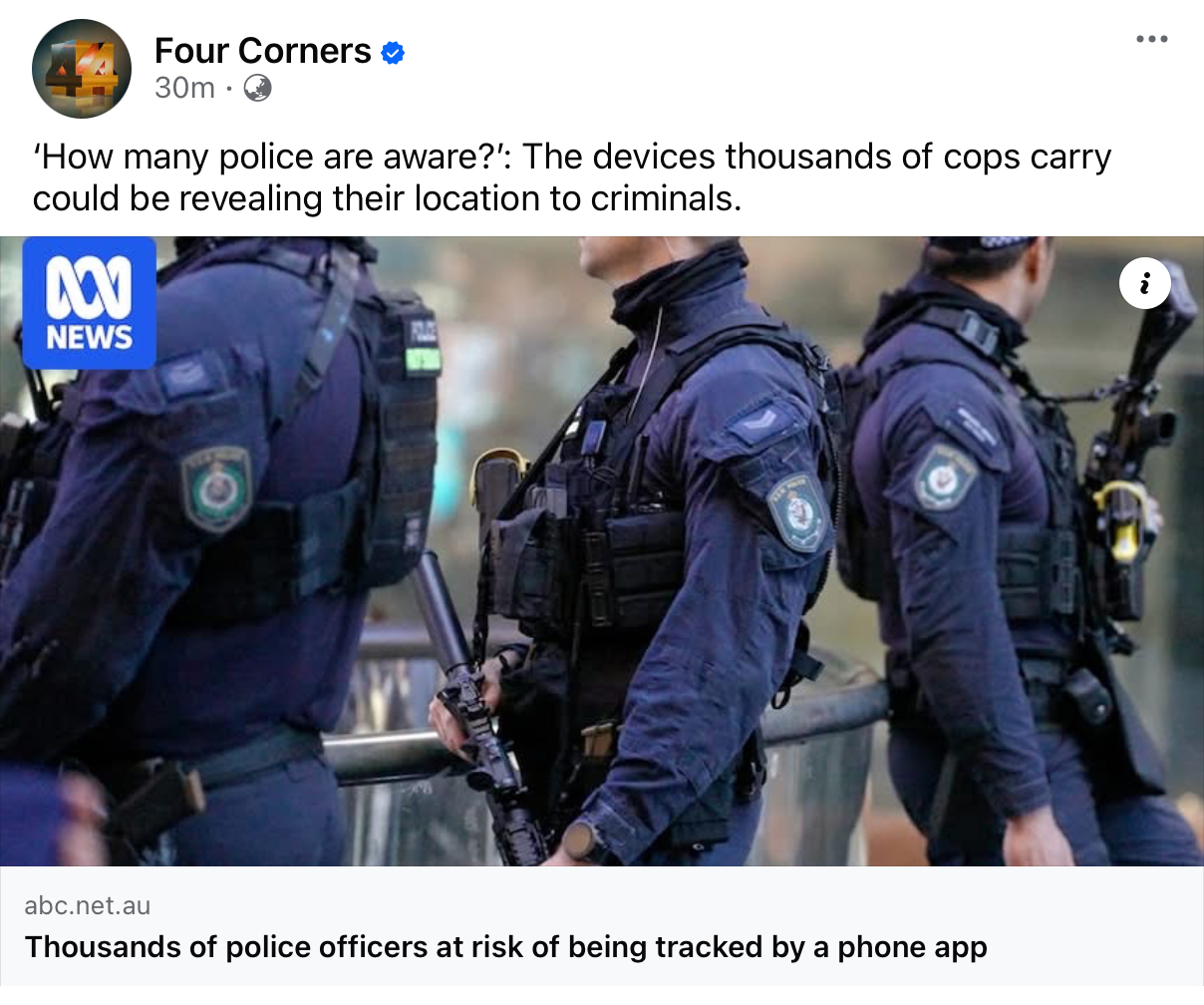
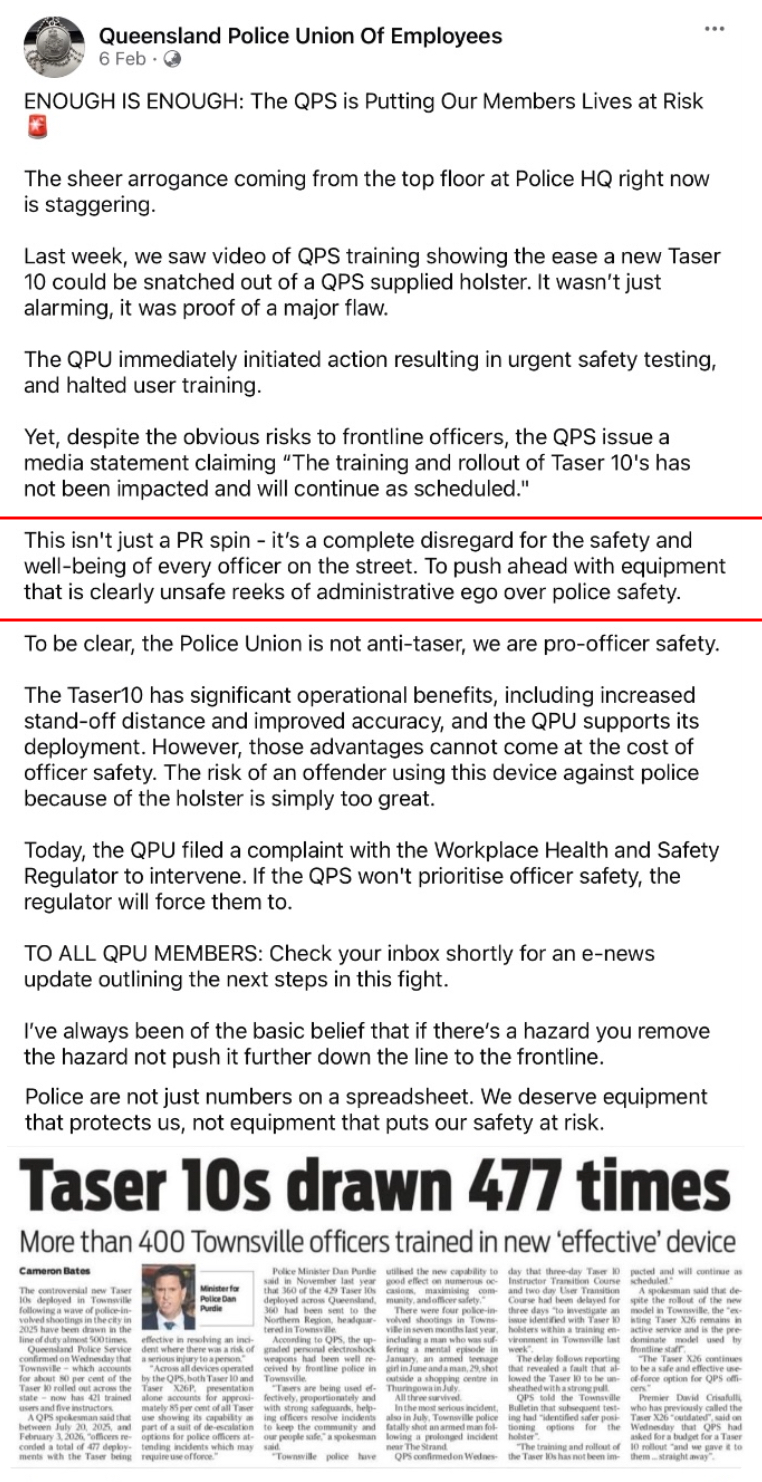
(d) Defective Taser Holsters
(e) WHS Prosecutions
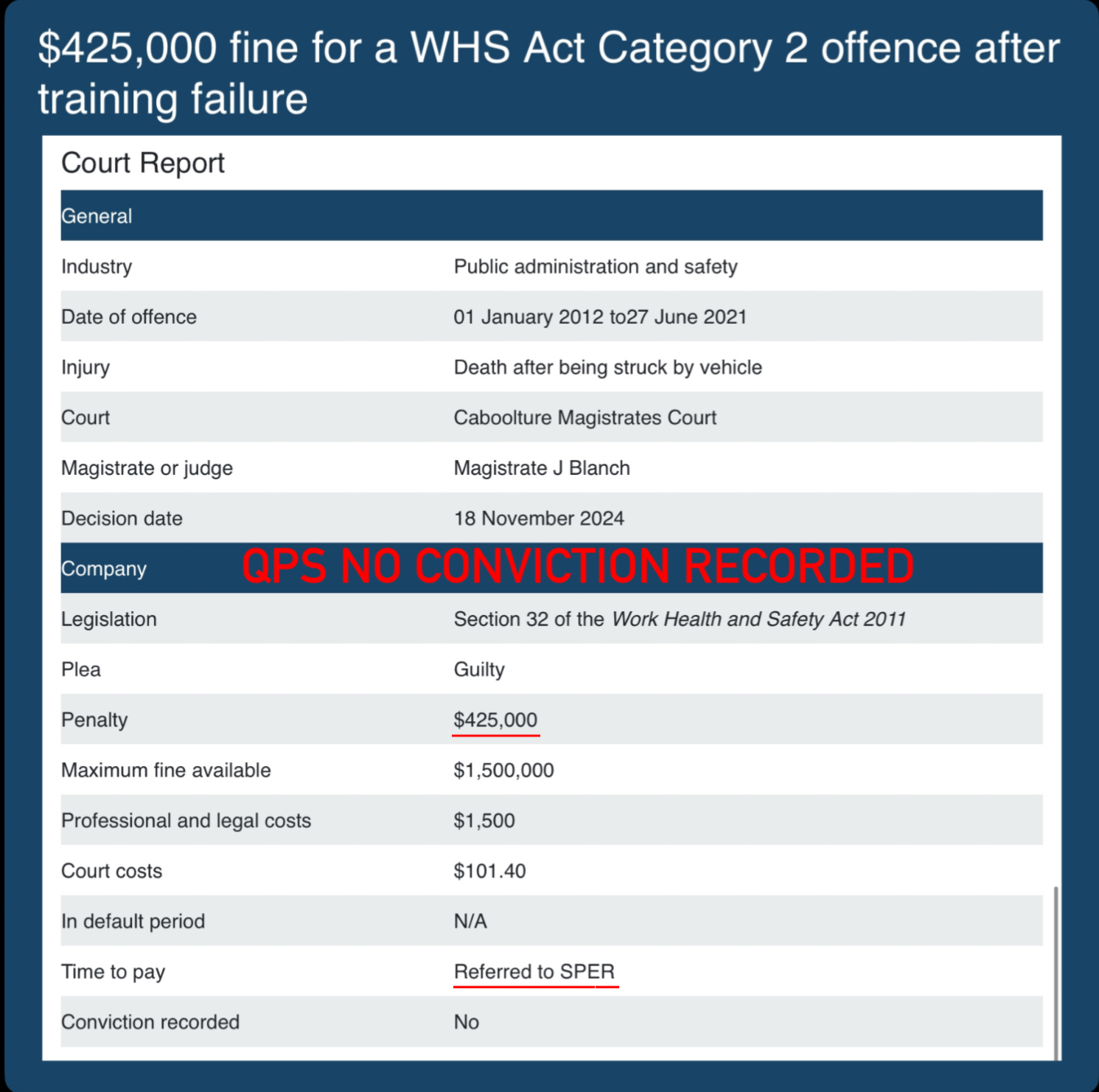
Magistrate Blanch found that in the QPS first ever prosecution they had failed to provide adequate training, noting a pattern of injuries related to similar incidents between 2014 and 2020 leading to the death of a QPS sergeant. There is little to no information publicly provided on WHS notifications, investigations or prosecutions for any Queensland police shootings.
(e) The 5.399 million dollar question
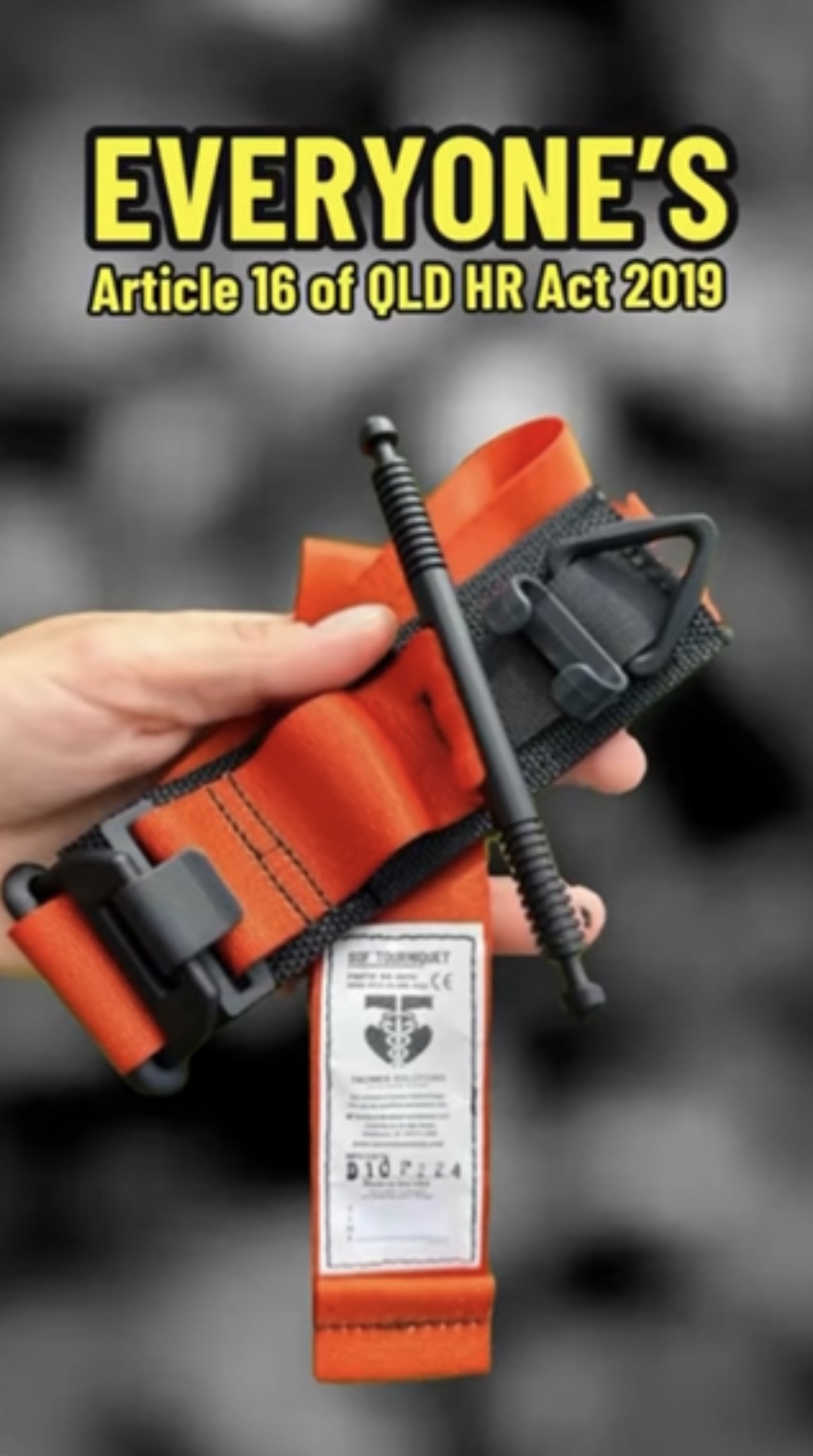
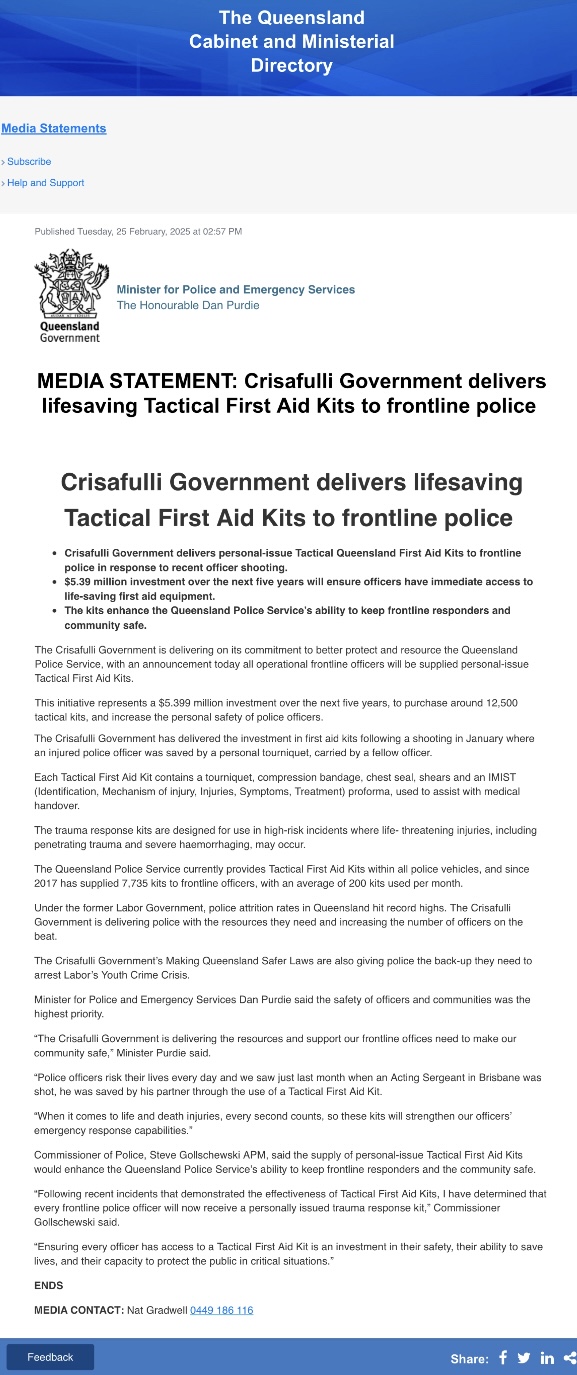
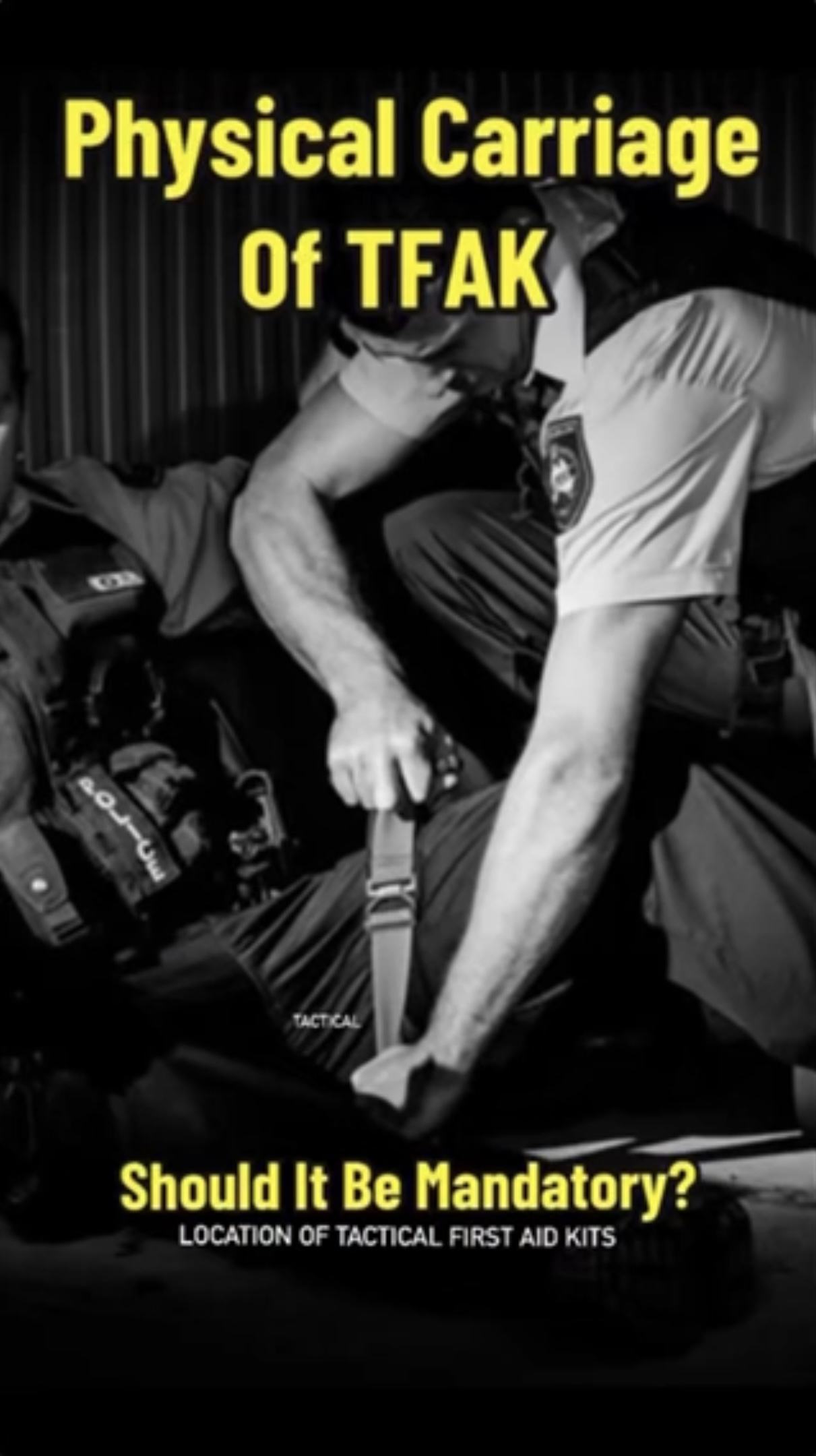
The Australia New Zealand Advisory Council for Police Related Deaths identified, and publicly raised as early as October 2024, the systemic risk arising from officers not physically carrying Tactical First Aid Kits. That concern followed coronial findings which exposed delay in first aid to a person shot by police, yet stopped short of requiring a practical, in-the-moment remedy.
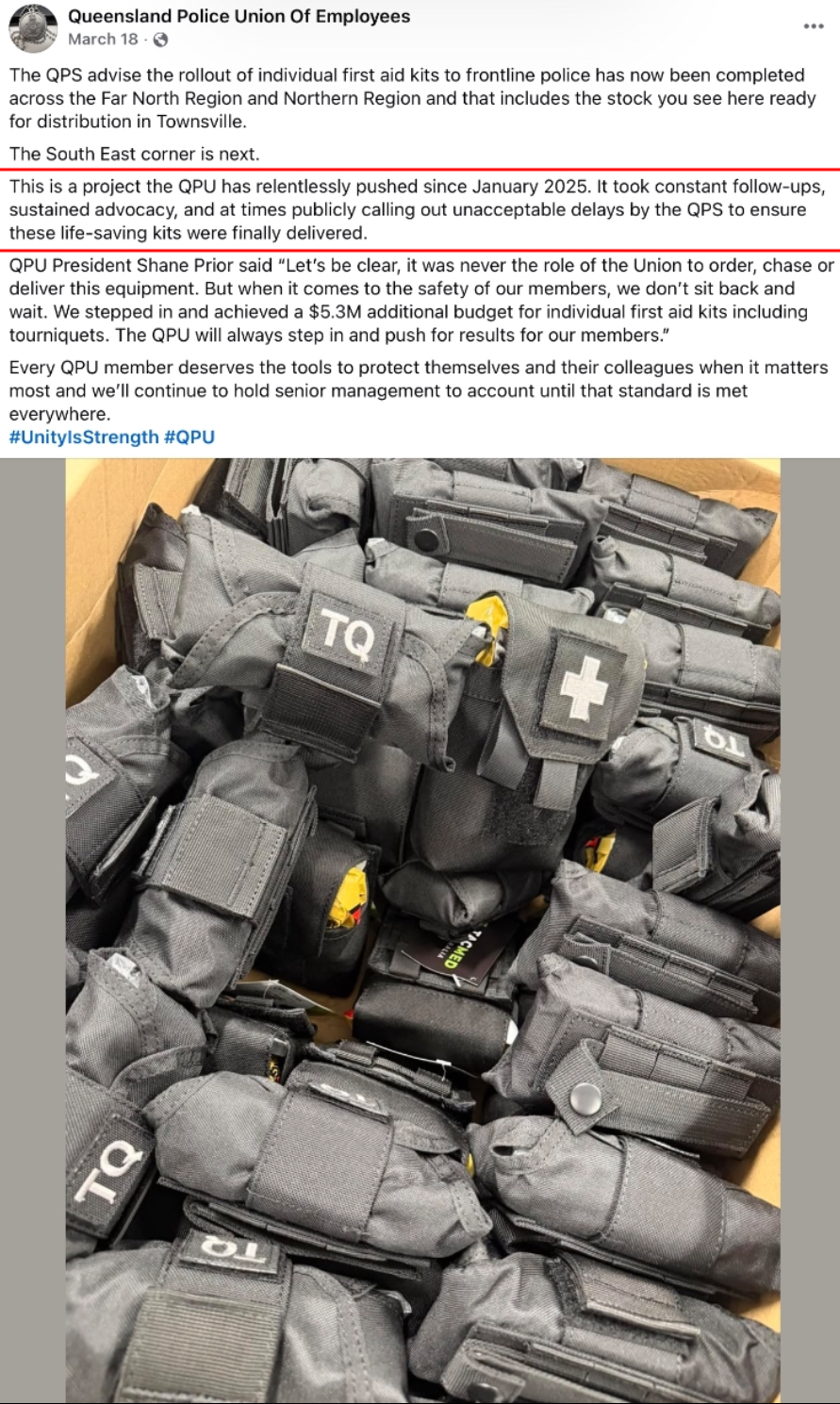
The Council later supported the Queensland Police Union of Employees and Luke Forte’s campaign after the January 2025 shooting of an Acting Sergeant with his own firearm. His life was reportedly saved by a colleague using a personally purchased tourniquet. Shane Prior then called for all frontline officers to be issued personal tactical first aid equipment.
The government response that followed was notably swift. As Mr Prior observed, the speed of that response was itself the abnormality.
Kits will not be mandatory
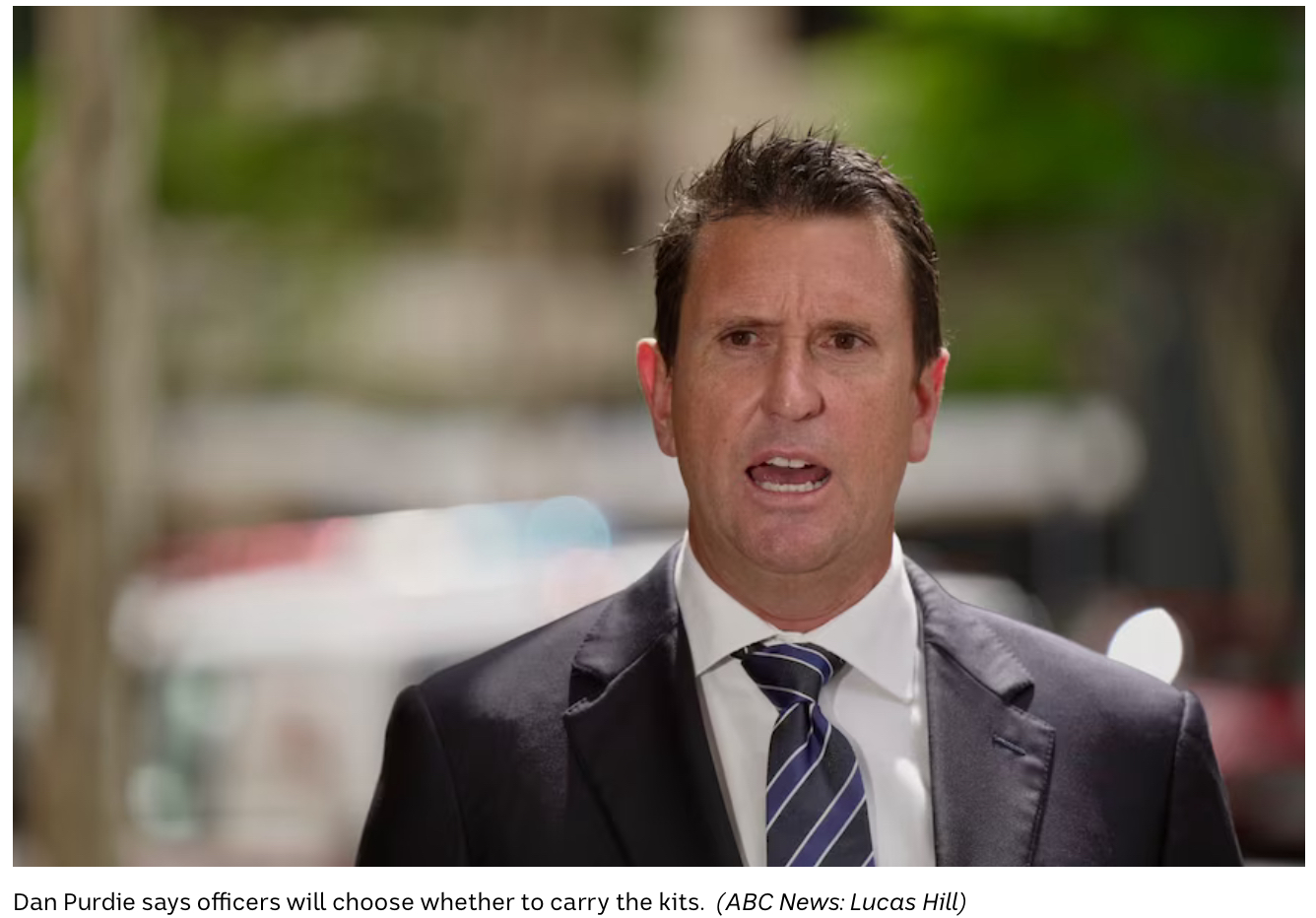
Police Minister Dan Purdie said the kits will not be mandatory for officers to wear.
"Police everyday face different situations and we trust police individually to do their own risk assessments," he said
(f) Audit evidence of systemic risk blind spots
In 2025, the Audit Office of New South Wales reported that the New South Wales Police Force had not adequately examined whether workplace hazards or stressors contributed to 171 critical incidents between mid 2019 and mid 2024. Those incidents involved death or serious injury to police or members of the public. The central finding was that organisational risk was not being properly interrogated.
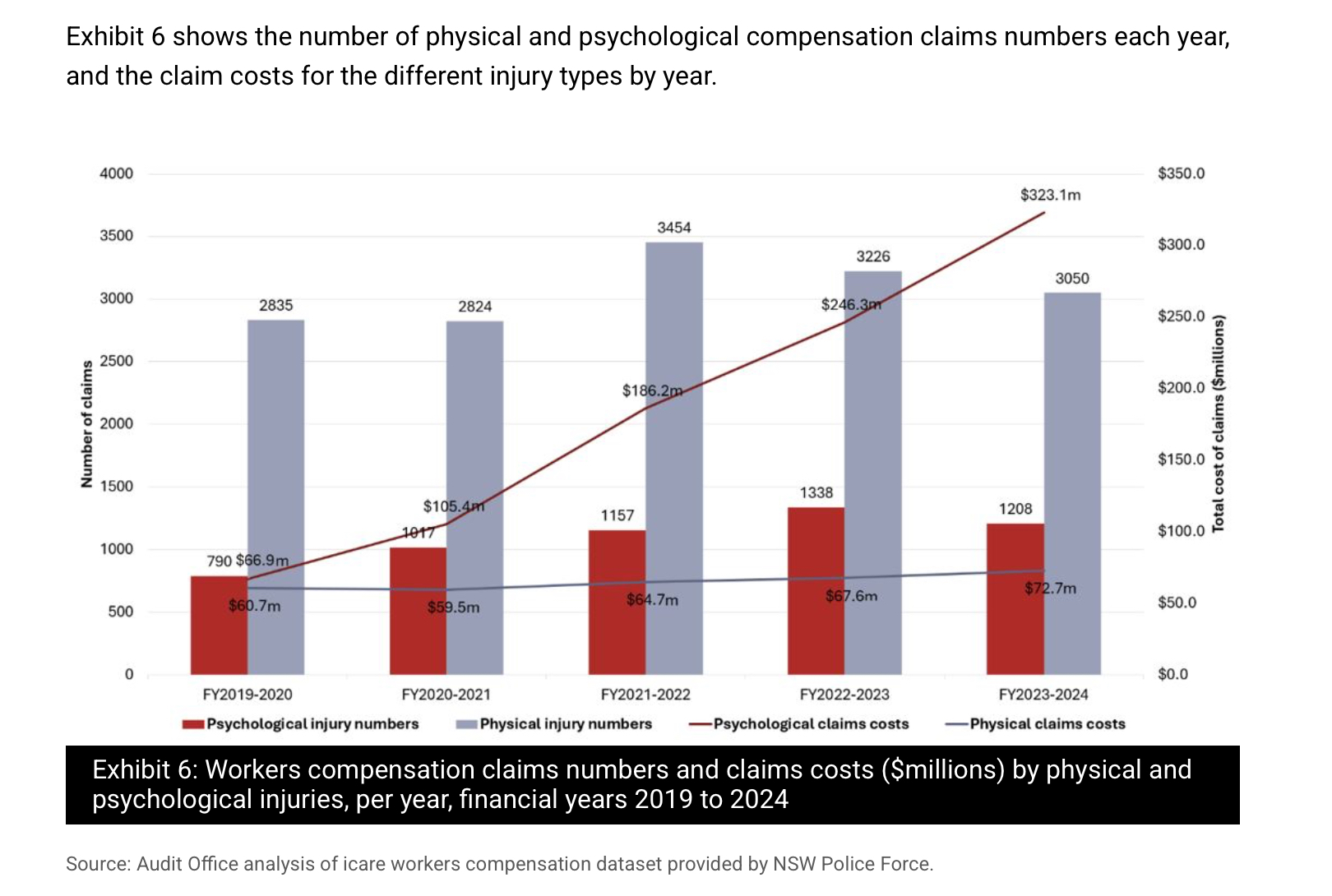
By contrast, the last detailed performance audit in Queensland dealing with police mental health was undertaken by the Queensland Audit Office in 2017 to 2018. There has not been a comparable recent public audit of similar scope.
The position that emerges is one where:
- critical incidents are occurring,
- organisational risk factors may not be adequately examined, and
- there is no contemporary, public, system wide audit in Queensland addressing those issues.
That gap is material. It bears directly on the capacity of the system to identify and respond to risk before it manifests in fatal or near fatal outcomes.Taken together, these matters constitute a cogent evidentiary foundation for a Royal Commission.
4. Limits of the Current Framework
At present, police shootings are addressed through:
internal investigation by Ethical Standards Command,
oversight by the Crime and Corruption Commission, and
individual coronial inquests.
Each mechanism performs a defined role. None is directed to the central question, namely:
Why are police shootings occurring at the present rate, and what measures are required to reduce that rate?
Internal investigations are confined to the circumstances of a particular incident.
Coronial inquests are similarly bounded by the facts of the individual case.
Oversight bodies do not routinely publish comprehensive, cross case analyses accessible to the public.
The consequence is that incidents are examined in isolation. Patterns, if they exist, are not systematically identified.
5. The Case for a Royal Commission
A Royal Commission is appropriate where there is:
evidence of systemic issues,
matters extending across multiple institutions,
an impact on public confidence, and
a lack of adequate mechanisms to resolve the issues identified.
Those conditions are met.
A Royal Commission would provide:
compulsory powers to obtain relevant material across agencies,
the capacity to examine all police shootings since the last systemic review,
independence sufficient to ensure public confidence in its findings, and
a framework directed to prevention, not merely retrospective analysis.
It would permit proper examination of matters which cannot be addressed in isolation, including:
training in high risk encounters involving mental health and edged weapons,
the relative use of firearms and less lethal options,
decision making under stress and the adequacy of supervision,
equipment performance and procurement standards, and
transparency and reporting following incidents.
6. Scope Beyond Mental Health
Mental health is a relevant factor in a number of incidents. It is not the sole issue.
There is already extensive material demonstrating deficiencies in mental health resourcing across Australia. Further inquiry confined to that issue risks overlooking operational, organisational and equipment related factors within policing itself.
The inquiry should therefore be framed more broadly, so as to examine the interaction between policing practices, training, equipment, supervision and external service systems.
7. Human and Workforce Consequences
Police shootings have consequences that extend beyond the immediate incident.
They affect:
the person shot and their family,
the wider community, and
the officers involved.
There is evidence that repeated exposure to such incidents has had a cumulative effect on the police workforce. That is not a separate issue. It is indicative of a system operating under strain.
A system in which lethal force becomes a recurrent outcome is one that requires examination.
8. A Prevention Focus
Any inquiry of this nature must address prevention.
From an ANZLEAC4PRD perspective, that includes consideration of:
real time supervision and access to clinical advice during high risk incidents,
the application of workplace health and safety principles to operational policing,
independent monitoring mechanisms with a preventive focus, and
improved transparency in relation to both fatal and non fatal use of force.
The relevant question is not confined to what has occurred. It extends to what can be done, in practical terms, to reduce the likelihood of recurrence.
9. Conclusion
The present circumstances are not routine.
There is:
a sustained pattern of police shootings,
no recent systemic review of those incidents,
emerging evidence that may affect prior findings, and
a convergence of calls for inquiry from within policing, civil liberties bodies and the coronial jurisdiction.
In those circumstances, incremental or piecemeal responses are unlikely to be sufficient.
A Royal Commission represents a proportionate and necessary step to identify causes, restore confidence and, most importantly, inform measures directed to the preservation of life.
Recommendation
That the Queensland Government establish a Royal Commission into police shootings with terms of reference to:
Examine all police shootings in Queensland since 2015, both fatal and non fatal.
Identify systemic patterns, causes and contributing risk factors.
Investigate equipment performance, including any firearm defects.
Assess training, supervision and operational decision making.
Report publicly with findings and recommendations directed to prevention.

45
The issue
1. Converging Calls for Inquiry
The Australia New Zealand Lived Experience Advisory Council for Police-Related Deaths calls for a Royal Commission is not speculative. It reflects a convergence of concern across multiple, credible domains, including policing, civil society and oversight bodies.
The Crime and Corruption Commission, established under the Crime and Corruption Act 2001, has a clear mandate to examine the incidence and prevention of crime and corruption, including the analysis of policing methods. Although a dedicated review was identified as a high priority during a spike in shootings around 2014, there is no publicly available, ongoing or longitudinal body of research tracking and analysing police shootings over time.
In practical terms, the Commission’s role remains largely confined to case oversight and investigation. Its research function has not been consistently directed to shootings as a systemic issue. The position is therefore one where both the mandate and capability exist, but the research gap remains.
The late Ian Leavers in his capacity as President of the Queensland Police Union, publicly advocated for a Royal Commission into police shootings. His position is significant in that it originates from within the policing profession. The key elements of his argument were that any inquiry should adopt a national perspective, examine the role of mental health in critical incidents, address the cumulative impact of shootings on police personnel, and recognise the need for timely access to mental health care.
That position has been reinforced by the Queensland Council for Civil Liberties. But it’s Vice President, Terry O’Gorman, has emphasised the importance of examining the 23 police shootings recorded in Queensland between 2021 and 2024, with a view to understanding why firearm use in that jurisdiction is comparatively high and how it might be reduced. He has also drawn attention to the limitations of current accountability mechanisms, noting that post incident processes tend to be internal, with limited public reporting and little capacity for cumulative, system-wide analysis.
Similarly, following a cluster of police-involved shooting incidents in Townsville in 2025, QCCL President Michael Cope reiterated that reliance on incident-specific review is unlikely to yield meaningful insights into systemic drivers, and that a broader, structured inquiry is required.
The Queensland Coroner’s decision to progress an inquiry into the Townsville shooting cluster further reflects a level of judicial concern regarding recurring features across incidents. Importantly, this aligns with earlier observations that such events should be understood not only in isolation but within a broader national and systemic context.
Recent incident data adds to that concern. Police and media reporting indicate that four Queensland police shootings occurred within the first four months of 2026, three of which were non fatal. While non fatal incidents may fall outside the threshold for coronial inquest, they remain critical indicators of operational practice, decision making and risk exposure.
At a national level, data from the Australian Institute of Criminology indicates an increase in Indigenous deaths in custody in the thirty five years since the Royal Commission into Aboriginal Deaths in Custody. Notably, the explanatory material accompanying that dataset highlights a significant temporal lag, with final figures dependent on the completion of coronial processes. This delay limits the capacity for timely analysis and policy response, and underscores the limitations of relying solely on retrospective mechanisms.
The fatal 2019 police shooting of Kumanjayi Walker was a case of officer-induced jeopardy by a racist constable with a contempt for accountability, the Northern Territory coroner noted in findings handed down in 2025.
The experience in Victoria provides a relevant comparative model. As reported by John Silvester, Victoria once recorded police shootings at a rate exceeding other jurisdictions, with each incident historically assessed in isolation and found legally justified. It was only when cases were examined collectively that systemic issues became apparent, prompting the introduction of Project Beacon in 1994, a retraining program focused on de escalation and minimising the use of force. That reform significantly reduced shootings, although later increases required further review of training protocols.
Academic analysis by Jude McCulloch supports this systemic view, noting that a culture of the gun can emerge where officers are placed in situations that make firearm use appear legally justified but operationally avoidable. The Victorian experience demonstrates that meaningful reduction in police shootings depends on recognising patterns, addressing training and culture, and prioritising the preservation of life as the central policing objective. Taken together, these developments point to a consistent conclusion. When concerns are raised across policing, civil liberties, oversight bodies and empirical data sources, the issue is no longer one of isolated incidents. It is indicative of systemic factors that warrant structured, independent and evidence driven examination.
2. The Emerging Evidence Base
There are now several developments which materially strengthen the case for a Royal Commission.
(c) New evidence concerning firearm performance
Recent reporting confirms that the Queensland Police Service is undertaking a statewide recall and testing of more than 15,000 service issued Glock pistols after armourers identified a defect capable of causing multiple rounds to discharge when the trigger is held, rather than a single shot. While no specific incident has yet been attributed to the fault, its confirmed existence is of clear legal significance. As a matter of principle, where new facts arise that may affect the cause or manner of death, coronial findings may be reopened. A defect of this kind plainly meets that threshold, raising a real question as to whether prior shootings involving multiple discharges were influenced by mechanical factors not previously identified, and strengthening the case for a comprehensive independent inquiry.
QCCL Terry OGorman questions the following points;
“How many glocks have been identified as having malfunctioned. How long has this been identified by QPS as a problem. What has the glock manufacturer said is the cause of the problem. Has the QPS obtained an alternative opinion on the matter as Glock cannot be relied upon to provide the sole opinion as to the cause of the misfirings”
Particularly in relation to, the Royal Commission call:
[1] have individual particular glocks been identified by serial number or otherwise as having misfired.
[2] Have those specific glocks been cross referred with ESC and Coronial records as having been involved in a particular police shooting whether fatal or not.
[3] if there has been a link established between a defective particular Glock and a specific fatal shooting, has the matter been referred back to the Coroner to establish whether there is a need to reopen any specific case of a fatal police shooting in Qld.
(d) Defective Taser Holsters
(e) WHS Prosecutions
Magistrate Blanch found that in the QPS first ever prosecution they had failed to provide adequate training, noting a pattern of injuries related to similar incidents between 2014 and 2020 leading to the death of a QPS sergeant. There is little to no information publicly provided on WHS notifications, investigations or prosecutions for any Queensland police shootings.
(e) The 5.399 million dollar question
The Australia New Zealand Advisory Council for Police Related Deaths identified, and publicly raised as early as October 2024, the systemic risk arising from officers not physically carrying Tactical First Aid Kits. That concern followed coronial findings which exposed delay in first aid to a person shot by police, yet stopped short of requiring a practical, in-the-moment remedy.
The Council later supported the Queensland Police Union of Employees and Luke Forte’s campaign after the January 2025 shooting of an Acting Sergeant with his own firearm. His life was reportedly saved by a colleague using a personally purchased tourniquet. Shane Prior then called for all frontline officers to be issued personal tactical first aid equipment.
The government response that followed was notably swift. As Mr Prior observed, the speed of that response was itself the abnormality.
Kits will not be mandatory
Police Minister Dan Purdie said the kits will not be mandatory for officers to wear.
"Police everyday face different situations and we trust police individually to do their own risk assessments," he said
(f) Audit evidence of systemic risk blind spots
In 2025, the Audit Office of New South Wales reported that the New South Wales Police Force had not adequately examined whether workplace hazards or stressors contributed to 171 critical incidents between mid 2019 and mid 2024. Those incidents involved death or serious injury to police or members of the public. The central finding was that organisational risk was not being properly interrogated.
By contrast, the last detailed performance audit in Queensland dealing with police mental health was undertaken by the Queensland Audit Office in 2017 to 2018. There has not been a comparable recent public audit of similar scope.
The position that emerges is one where:
- critical incidents are occurring,
- organisational risk factors may not be adequately examined, and
- there is no contemporary, public, system wide audit in Queensland addressing those issues.
That gap is material. It bears directly on the capacity of the system to identify and respond to risk before it manifests in fatal or near fatal outcomes.Taken together, these matters constitute a cogent evidentiary foundation for a Royal Commission.
4. Limits of the Current Framework
At present, police shootings are addressed through:
internal investigation by Ethical Standards Command,
oversight by the Crime and Corruption Commission, and
individual coronial inquests.
Each mechanism performs a defined role. None is directed to the central question, namely:
Why are police shootings occurring at the present rate, and what measures are required to reduce that rate?
Internal investigations are confined to the circumstances of a particular incident.
Coronial inquests are similarly bounded by the facts of the individual case.
Oversight bodies do not routinely publish comprehensive, cross case analyses accessible to the public.
The consequence is that incidents are examined in isolation. Patterns, if they exist, are not systematically identified.
5. The Case for a Royal Commission
A Royal Commission is appropriate where there is:
evidence of systemic issues,
matters extending across multiple institutions,
an impact on public confidence, and
a lack of adequate mechanisms to resolve the issues identified.
Those conditions are met.
A Royal Commission would provide:
compulsory powers to obtain relevant material across agencies,
the capacity to examine all police shootings since the last systemic review,
independence sufficient to ensure public confidence in its findings, and
a framework directed to prevention, not merely retrospective analysis.
It would permit proper examination of matters which cannot be addressed in isolation, including:
training in high risk encounters involving mental health and edged weapons,
the relative use of firearms and less lethal options,
decision making under stress and the adequacy of supervision,
equipment performance and procurement standards, and
transparency and reporting following incidents.
6. Scope Beyond Mental Health
Mental health is a relevant factor in a number of incidents. It is not the sole issue.
There is already extensive material demonstrating deficiencies in mental health resourcing across Australia. Further inquiry confined to that issue risks overlooking operational, organisational and equipment related factors within policing itself.
The inquiry should therefore be framed more broadly, so as to examine the interaction between policing practices, training, equipment, supervision and external service systems.
7. Human and Workforce Consequences
Police shootings have consequences that extend beyond the immediate incident.
They affect:
the person shot and their family,
the wider community, and
the officers involved.
There is evidence that repeated exposure to such incidents has had a cumulative effect on the police workforce. That is not a separate issue. It is indicative of a system operating under strain.
A system in which lethal force becomes a recurrent outcome is one that requires examination.
8. A Prevention Focus
Any inquiry of this nature must address prevention.
From an ANZLEAC4PRD perspective, that includes consideration of:
real time supervision and access to clinical advice during high risk incidents,
the application of workplace health and safety principles to operational policing,
independent monitoring mechanisms with a preventive focus, and
improved transparency in relation to both fatal and non fatal use of force.
The relevant question is not confined to what has occurred. It extends to what can be done, in practical terms, to reduce the likelihood of recurrence.
9. Conclusion
The present circumstances are not routine.
There is:
a sustained pattern of police shootings,
no recent systemic review of those incidents,
emerging evidence that may affect prior findings, and
a convergence of calls for inquiry from within policing, civil liberties bodies and the coronial jurisdiction.
In those circumstances, incremental or piecemeal responses are unlikely to be sufficient.
A Royal Commission represents a proportionate and necessary step to identify causes, restore confidence and, most importantly, inform measures directed to the preservation of life.
Recommendation
That the Queensland Government establish a Royal Commission into police shootings with terms of reference to:
Examine all police shootings in Queensland since 2015, both fatal and non fatal.
Identify systemic patterns, causes and contributing risk factors.
Investigate equipment performance, including any firearm defects.
Assess training, supervision and operational decision making.
Report publicly with findings and recommendations directed to prevention.
45
The Decision Makers


Supporter voices
Petition Updates
Share this petition
Petition created on 25 April 2026