Right to Human Rights Education
Right to Human Rights Education
Kampanya metni
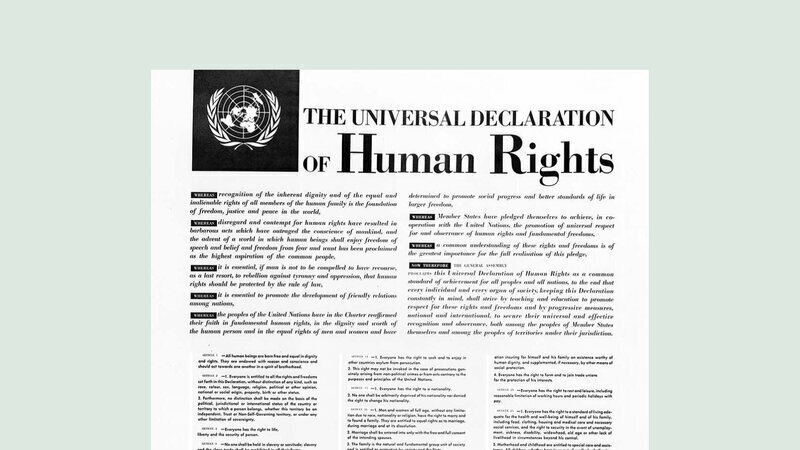
"Every individual and every organ of society … shall strive by teaching and education to promote respect for these rights and freedoms."
-Preamble to The Universal Declaration of Human Rights, 1948
Every individual possesses the inherent right to exercise their human rights and uphold the fundamental freedoms of themselves and others. To effectively exercise these rights, one must possess a comprehensive understanding of them. Education plays a pivotal role in this endeavour. Article 26 of the Universal Declaration on Human Rights affirms that 'Education shall be directed towards the full development of the human personality and the strengthening of respect for human rights and fundamental freedoms. It shall promote understanding, tolerance, and friendship among all nations, racial or religious groups, and shall further the activities of the United Nations for the maintenance of peace.'[1]
Within the framework of the Universal Declaration of Human Rights, the right to education encompasses the enhancement of respect for human rights as one of its fundamental attributes. Integrating human rights education into school curricula not only nurtures independent, conscientious, principled, and well-informed individuals but also equips them to advocate for their rights in their personal lives. This, in turn, fosters a more open-minded and empowered society, imbued with a visionary and democratic ethos.
Moreover, this approach actively encourages widespread access and direct engagement of the society in realms such as decision-making processes and advocacy for rights. It establishes the bedrock for a forward-thinking society characterized by innovation, reform, and progress. Elevating individuals to uphold and respect human rights constitutes a pivotal measure towards curtailing the persistent human rights violations that persist in today's world, ensuring a more just and equitable future for generations to come.
Human rights education, which significantly contributes to both the personal development of individuals and the socio-economic development and democratization of societies, can play a key role in ensuring world peace locally and globally. By calling on the international community, governments, regional and international institutions and organizations to increase regulations and initiatives in this direction, the campaign and all its signatories officially demand the promotion, implementation and regulation of human rights education as well as the introduction of Sustainable Development Goals (SDGs) of United Nations in education curriculums.
- Human Rights Education and SDGs
In the pursuit of a more just and sustainable world, human rights education emerges as a potent force for change. Its impact extends far beyond individual awareness, resonating profoundly with the global agenda of Sustainable Development Goals (SDGs). Introducing the UN's sustainable development goals within the scope of human rights education is of great importance in terms of quality and quality education. Sustainable development goals and human rights are parallel to each other. Imagine Sustainable Development Goals (SDGs) and human rights as two friends who help each other grow. When we make progress in achieving SDGs, we also take big steps forward in protecting human rights. And when we stand up for human rights, it speeds up our progress towards achieving SDGs. They work hand in hand, like good companions, supporting each other on the journey towards a fairer and more sustainable world.
Inclusive Foundations:
Human rights education cultivates a profound understanding of equality, dignity, and justice for all. SDGs, grounded in the principle of leaving no one behind, resonate deeply with this ethos. By ensuring that individuals are aware of their rights, we lay a strong foundation for inclusive development, where every person, regardless of their background or circumstances, can partake in progress.
Empowering Communities:
At the heart of both human rights education and SDGs lies the notion of empowerment. Educated individuals are more likely to engage actively in their communities, advocating for their rights and contributing to the realization of sustainable development. This active participation is crucial in achieving many of the SDG targets, from quality education (SDG 4) to gender equality (SDG 5) and beyond.
Addressing Systemic Inequalities:
Human rights education equips individuals with the tools to recognize and challenge discrimination and systemic injustices. Many of the SDGs directly target the root causes of these disparities, from eradicating poverty (SDG 1) to reducing inequalities (SDG 10). By understanding their rights, individuals become agents of change in dismantling barriers to sustainable development.
Fostering Accountability:
Both human rights and SDGs hinge on accountability mechanisms. Educated citizens are more likely to hold their governments and institutions accountable for their commitments to sustainable development. This ensures that policies and initiatives are effectively implemented and monitored, leading to tangible progress in achieving SDG targets.
Promoting Global Citizenship:
Human rights education emphasizes the interconnectedness of humanity. It promotes values such as tolerance, empathy, and understanding, which are fundamental in achieving SDG 16 - Peace, Justice, and Strong Institutions. A global citizenry that respects and upholds human rights is better equipped to work collectively towards a more peaceful and sustainable world.
2. Definition of Human Rights Education in the Legal Sense:
In the legal context, human rights education refers to structured learning programs, activities, and initiatives aimed at fostering an understanding of, respect for, and active engagement with human rights principles and values. It encompasses the knowledge of fundamental rights and freedoms enshrined in international and national legal instruments, as well as the skills and attitudes needed to promote and protect these rights in everyday life. Human rights education in the legal sense is guided by international agreements, national legislation, and educational policies that outline the content, methods, and objectives for effectively imparting human rights knowledge and values to individuals at all levels of education. It seeks to empower individuals to become informed, active, and responsible citizens who can contribute to the promotion and realization of human rights in their communities and beyond.
3. International Framework on Human Rights Education
International conventions on human rights education play a pivotal role in promoting awareness, understanding, and respect for human rights on a global scale. These agreements provide a framework for governments, educational institutions, and civil society organizations to prioritize and implement human rights education initiatives. Here are some significant international conventions and declarations related to human rights education:
Universal Declaration of Human Rights (UDHR): Adopted in 1948, the UDHR asserts the right to education as a fundamental human right. It emphasizes that education should promote respect for human rights and fundamental freedoms, and contribute to the maintenance of peace and understanding among nations.
International Covenant on Economic, Social and Cultural Rights (ICESCR): Article 13 of the ICESCR recognizes the right to education and highlights the importance of education in fostering respect for human rights, as well as cultural understanding.
International Covenant on Civil and Political Rights (ICCPR): While the ICCPR primarily focuses on civil and political rights, Article 18 emphasizes the freedom of thought, conscience, and religion, which can be closely tied to the promotion of human rights education.
The Paris Principles (1997): These principles, adopted by UNESCO, provide guidelines for integrating human rights education into national educational systems. They outline key elements such as objectives, content, methods, and evaluation mechanisms for effective human rights education.
Council of Europe's Charter on Education for Democratic Citizenship and Human Rights Education (2010): This charter emphasizes the importance of education for democratic citizenship and human rights as essential components of a democratic society. It provides guidelines for member states to integrate these principles into their educational policies and practices.
UN Declaration on Human Rights Education and Training (2011): This landmark declaration reaffirms the importance of human rights education at all levels of learning. It provides a comprehensive framework for the implementation of human rights education, including key principles, content, and methodologies.
UNESCO Global Citizenship Education (GCED) Framework (2013): While not a convention in the traditional sense, UNESCO's GCED framework promotes values, attitudes, and skills that empower individuals to contribute to a more inclusive, just, and peaceful society, aligning closely with the goals of human rights education.
The World Programme for Human Rights Education (2005-ongoing): Launched by the United Nations, this ongoing program aims to promote a common understanding of human rights and fundamental freedoms through educational activities and materials.
These international conventions and declarations collectively underscore the global commitment to fostering a culture of human rights through education. They provide guidance and a shared vision for nations to incorporate human rights education into their educational systems, empowering individuals to become informed, active, and responsible global citizens.
Note: Some details of the above description of this campaign may be subjected to changes from time to time to update and develop the campaign in light of new information and developments.
[1] UN General Assembly, Universal Declaration of Human Rights, 10 December 1948, 217 A (III), available at: https://www.refworld.org/docid/3ae6b3712c.html [accessed 22 September 2023]

6
Kampanya metni
"Every individual and every organ of society … shall strive by teaching and education to promote respect for these rights and freedoms."
-Preamble to The Universal Declaration of Human Rights, 1948
Every individual possesses the inherent right to exercise their human rights and uphold the fundamental freedoms of themselves and others. To effectively exercise these rights, one must possess a comprehensive understanding of them. Education plays a pivotal role in this endeavour. Article 26 of the Universal Declaration on Human Rights affirms that 'Education shall be directed towards the full development of the human personality and the strengthening of respect for human rights and fundamental freedoms. It shall promote understanding, tolerance, and friendship among all nations, racial or religious groups, and shall further the activities of the United Nations for the maintenance of peace.'[1]
Within the framework of the Universal Declaration of Human Rights, the right to education encompasses the enhancement of respect for human rights as one of its fundamental attributes. Integrating human rights education into school curricula not only nurtures independent, conscientious, principled, and well-informed individuals but also equips them to advocate for their rights in their personal lives. This, in turn, fosters a more open-minded and empowered society, imbued with a visionary and democratic ethos.
Moreover, this approach actively encourages widespread access and direct engagement of the society in realms such as decision-making processes and advocacy for rights. It establishes the bedrock for a forward-thinking society characterized by innovation, reform, and progress. Elevating individuals to uphold and respect human rights constitutes a pivotal measure towards curtailing the persistent human rights violations that persist in today's world, ensuring a more just and equitable future for generations to come.
Human rights education, which significantly contributes to both the personal development of individuals and the socio-economic development and democratization of societies, can play a key role in ensuring world peace locally and globally. By calling on the international community, governments, regional and international institutions and organizations to increase regulations and initiatives in this direction, the campaign and all its signatories officially demand the promotion, implementation and regulation of human rights education as well as the introduction of Sustainable Development Goals (SDGs) of United Nations in education curriculums.
- Human Rights Education and SDGs
In the pursuit of a more just and sustainable world, human rights education emerges as a potent force for change. Its impact extends far beyond individual awareness, resonating profoundly with the global agenda of Sustainable Development Goals (SDGs). Introducing the UN's sustainable development goals within the scope of human rights education is of great importance in terms of quality and quality education. Sustainable development goals and human rights are parallel to each other. Imagine Sustainable Development Goals (SDGs) and human rights as two friends who help each other grow. When we make progress in achieving SDGs, we also take big steps forward in protecting human rights. And when we stand up for human rights, it speeds up our progress towards achieving SDGs. They work hand in hand, like good companions, supporting each other on the journey towards a fairer and more sustainable world.
Inclusive Foundations:
Human rights education cultivates a profound understanding of equality, dignity, and justice for all. SDGs, grounded in the principle of leaving no one behind, resonate deeply with this ethos. By ensuring that individuals are aware of their rights, we lay a strong foundation for inclusive development, where every person, regardless of their background or circumstances, can partake in progress.
Empowering Communities:
At the heart of both human rights education and SDGs lies the notion of empowerment. Educated individuals are more likely to engage actively in their communities, advocating for their rights and contributing to the realization of sustainable development. This active participation is crucial in achieving many of the SDG targets, from quality education (SDG 4) to gender equality (SDG 5) and beyond.
Addressing Systemic Inequalities:
Human rights education equips individuals with the tools to recognize and challenge discrimination and systemic injustices. Many of the SDGs directly target the root causes of these disparities, from eradicating poverty (SDG 1) to reducing inequalities (SDG 10). By understanding their rights, individuals become agents of change in dismantling barriers to sustainable development.
Fostering Accountability:
Both human rights and SDGs hinge on accountability mechanisms. Educated citizens are more likely to hold their governments and institutions accountable for their commitments to sustainable development. This ensures that policies and initiatives are effectively implemented and monitored, leading to tangible progress in achieving SDG targets.
Promoting Global Citizenship:
Human rights education emphasizes the interconnectedness of humanity. It promotes values such as tolerance, empathy, and understanding, which are fundamental in achieving SDG 16 - Peace, Justice, and Strong Institutions. A global citizenry that respects and upholds human rights is better equipped to work collectively towards a more peaceful and sustainable world.
2. Definition of Human Rights Education in the Legal Sense:
In the legal context, human rights education refers to structured learning programs, activities, and initiatives aimed at fostering an understanding of, respect for, and active engagement with human rights principles and values. It encompasses the knowledge of fundamental rights and freedoms enshrined in international and national legal instruments, as well as the skills and attitudes needed to promote and protect these rights in everyday life. Human rights education in the legal sense is guided by international agreements, national legislation, and educational policies that outline the content, methods, and objectives for effectively imparting human rights knowledge and values to individuals at all levels of education. It seeks to empower individuals to become informed, active, and responsible citizens who can contribute to the promotion and realization of human rights in their communities and beyond.
3. International Framework on Human Rights Education
International conventions on human rights education play a pivotal role in promoting awareness, understanding, and respect for human rights on a global scale. These agreements provide a framework for governments, educational institutions, and civil society organizations to prioritize and implement human rights education initiatives. Here are some significant international conventions and declarations related to human rights education:
Universal Declaration of Human Rights (UDHR): Adopted in 1948, the UDHR asserts the right to education as a fundamental human right. It emphasizes that education should promote respect for human rights and fundamental freedoms, and contribute to the maintenance of peace and understanding among nations.
International Covenant on Economic, Social and Cultural Rights (ICESCR): Article 13 of the ICESCR recognizes the right to education and highlights the importance of education in fostering respect for human rights, as well as cultural understanding.
International Covenant on Civil and Political Rights (ICCPR): While the ICCPR primarily focuses on civil and political rights, Article 18 emphasizes the freedom of thought, conscience, and religion, which can be closely tied to the promotion of human rights education.
The Paris Principles (1997): These principles, adopted by UNESCO, provide guidelines for integrating human rights education into national educational systems. They outline key elements such as objectives, content, methods, and evaluation mechanisms for effective human rights education.
Council of Europe's Charter on Education for Democratic Citizenship and Human Rights Education (2010): This charter emphasizes the importance of education for democratic citizenship and human rights as essential components of a democratic society. It provides guidelines for member states to integrate these principles into their educational policies and practices.
UN Declaration on Human Rights Education and Training (2011): This landmark declaration reaffirms the importance of human rights education at all levels of learning. It provides a comprehensive framework for the implementation of human rights education, including key principles, content, and methodologies.
UNESCO Global Citizenship Education (GCED) Framework (2013): While not a convention in the traditional sense, UNESCO's GCED framework promotes values, attitudes, and skills that empower individuals to contribute to a more inclusive, just, and peaceful society, aligning closely with the goals of human rights education.
The World Programme for Human Rights Education (2005-ongoing): Launched by the United Nations, this ongoing program aims to promote a common understanding of human rights and fundamental freedoms through educational activities and materials.
These international conventions and declarations collectively underscore the global commitment to fostering a culture of human rights through education. They provide guidance and a shared vision for nations to incorporate human rights education into their educational systems, empowering individuals to become informed, active, and responsible global citizens.
Note: Some details of the above description of this campaign may be subjected to changes from time to time to update and develop the campaign in light of new information and developments.
[1] UN General Assembly, Universal Declaration of Human Rights, 10 December 1948, 217 A (III), available at: https://www.refworld.org/docid/3ae6b3712c.html [accessed 22 September 2023]
6


Kampanya Güncellemeleri
Bu kampanyayı paylaş
Kampanya 21 Eylül 2023 tarihinde başlatıldı