

Resolve Electric Vehicle On-Street Home Charging Issue
The Issue
⚡ Electric Vehicle Charging in Flintshire – A Fair Deal for All ⚡
The UK government has committed to banning the sale of new petrol and diesel cars. That means by 2030, nearly all new vehicles will be electric. But there’s a major problem: what happens to people who can’t charge at home—especially disabled residents without driveways?
Meet Phil Woods, a disabled resident of Connah’s Quay who wants to do the right thing—go electric, follow the rules, and lower his carbon footprint. But Flintshire County Council is making that nearly impossible.
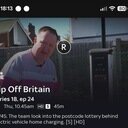
Phil asked the council to consider a smart, safe, and proven solution called Kerbo Charge—a simple cable gully system used by 30 councils across the UK. Backed by investors like Deborah Meaden, Kerbo makes home charging safe and accessible without causing trip hazards.
Flintshire said no. Flatly.
Instead, they pointed to eight slow 7kWh chargers scattered across the entire county. For Phil, the nearest one is 2.5 miles away—and takes 10 hours to charge his car. That’s not practical. That’s not fair. And that’s certainly not inclusive.
Phil offered solutions. The council still said no. Then he was told something shocking: a 2023 council policy quietly bans home charging cables across pavements entirely. Yet, residents are doing it anyway—illegally—because they have no other choice. Phil just wanted to do it the right way.
The Cost of the Council’s Policy
Phil now drives 6 miles to use a Tesla Supercharger. Even then, he loses 2% battery just getting there and back. Charging at council stations costs 58p per kWh. That’s £33.64 for a full charge.
If Phil could charge at home, he’d pay just 6.7p per kWh. That’s £3.66.
Over a month, he’s paying nearly £90 more than he should—just to use an EV. That’s not sustainable, especially for someone on a fixed income.
What’s the Council Really Saying?
When councillors raised this issue, they were met with excuses and vague plans for “destination” and “en-route” chargers. Topping up at a 7kWh charger for 3–10 hours mid-journey isn’t a real solution.
Phil confirmed with Kerbo Charge that at no time has Flintshire Council engaged with Kerbo Charge.
We’re Calling for Change
We’re asking Flintshire County Council to rethink its outdated 2023 policy, consult with residents, and engage with Kerbo Charge — to explore a solution that works, is affordable, and already exists in Wales and across the UK.
If you’re affected—or will be by 2030—sign this petition.
Let’s demand a future where green transport is accessible for everyone—not just those with driveways.
This petition will be raised by Councillor Andy Hughes of Connah’s Quay. Your voice matters.
31
The Issue
⚡ Electric Vehicle Charging in Flintshire – A Fair Deal for All ⚡
The UK government has committed to banning the sale of new petrol and diesel cars. That means by 2030, nearly all new vehicles will be electric. But there’s a major problem: what happens to people who can’t charge at home—especially disabled residents without driveways?
Meet Phil Woods, a disabled resident of Connah’s Quay who wants to do the right thing—go electric, follow the rules, and lower his carbon footprint. But Flintshire County Council is making that nearly impossible.
Phil asked the council to consider a smart, safe, and proven solution called Kerbo Charge—a simple cable gully system used by 30 councils across the UK. Backed by investors like Deborah Meaden, Kerbo makes home charging safe and accessible without causing trip hazards.
Flintshire said no. Flatly.
Instead, they pointed to eight slow 7kWh chargers scattered across the entire county. For Phil, the nearest one is 2.5 miles away—and takes 10 hours to charge his car. That’s not practical. That’s not fair. And that’s certainly not inclusive.
Phil offered solutions. The council still said no. Then he was told something shocking: a 2023 council policy quietly bans home charging cables across pavements entirely. Yet, residents are doing it anyway—illegally—because they have no other choice. Phil just wanted to do it the right way.
The Cost of the Council’s Policy
Phil now drives 6 miles to use a Tesla Supercharger. Even then, he loses 2% battery just getting there and back. Charging at council stations costs 58p per kWh. That’s £33.64 for a full charge.
If Phil could charge at home, he’d pay just 6.7p per kWh. That’s £3.66.
Over a month, he’s paying nearly £90 more than he should—just to use an EV. That’s not sustainable, especially for someone on a fixed income.
What’s the Council Really Saying?
When councillors raised this issue, they were met with excuses and vague plans for “destination” and “en-route” chargers. Topping up at a 7kWh charger for 3–10 hours mid-journey isn’t a real solution.
Phil confirmed with Kerbo Charge that at no time has Flintshire Council engaged with Kerbo Charge.
We’re Calling for Change
We’re asking Flintshire County Council to rethink its outdated 2023 policy, consult with residents, and engage with Kerbo Charge — to explore a solution that works, is affordable, and already exists in Wales and across the UK.
If you’re affected—or will be by 2030—sign this petition.
Let’s demand a future where green transport is accessible for everyone—not just those with driveways.
This petition will be raised by Councillor Andy Hughes of Connah’s Quay. Your voice matters.
Petition Updates
Share this petition
Petition created on 11 June 2025