Aerial Exposure to Eluvium (Chlorothalonil) Fungicide – The Critical Need for Advance Warnings

I am sharing this update following my recent unintended exposure to Eluvium fungicide, applied through aerial spraying. The application occurred without any prior notification to nearby residents, resulting in chemical drift that directly affected health.
This experience underscores why advance public warnings must be the standard practice, not a voluntary exception dependent on the goodwill of applicators or landowners. Aerial spraying enables efficient coverage of large areas but inherently risks off-target drift influenced by wind, weather, and formulation properties. Without notice, individuals cannot take basic protective steps such as closing windows, staying indoors, or relocating temporarily.
This lack of transparency turns shared air into an involuntary exposure pathway, disproportionately harming vulnerable people.
Why advance warnings must be the mandatory standard:
-Respect for public health and consent: Residents, especially those with chemical sensitivities, respiratory issues, children, elderly individuals, or prior injuries, deserve the right to know and prepare.
-Prevention over reaction: Simple advance notice dramatically reduces exposure and prevents escalation of symptoms.
-Equity between agriculture and communities: Notification requirements (via alerts, mail, signage, or apps) are feasible and already used for lesser risks. They promote accountability without unduly burdening farming operations.
-Broader precedent: Protecting shared resources like air should not rely on exceptions but on consistent safeguards.
-Making prior notification legally required would represent a reasonable, low-cost measure to minimize harm and foster better coexistence.
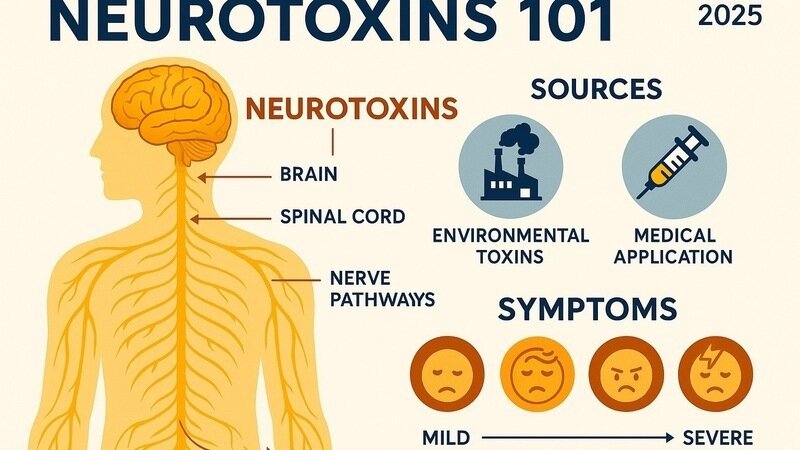
Understanding Neurotoxicity in This Context: Emphasis on Indirect EffectsEluvium’s primary active ingredient is chlorothalonil.
Standard regulatory toxicology studies (acute and subchronic neurotoxicity testing in rats) report no clear direct neurotoxicity at relevant doses, with no specific neuropathology or central nervous system effects observed in guideline studies.
However, this does not mean there is no risk of neurological impacts...particularly through indirect neurotoxicity, especially for those already chemically injured or exposed to real-world mixtures.
Key principles from toxicological evidence (as outlined in resources like HRNI’s “Where The Evidence Leads”): A neurotoxicant can act directly (on nerves or supporting cells) or indirectly (producing neurological effects secondary to other toxicity). Virtually any chemical can act as an indirect neurotoxicant in severely poisoned or already chemically injured animals/humans.
Lab animals first exposed to one toxic chemical (creating a “chemically injured” state) often exhibit amplified reactions (including prominent neurological symptoms) upon further exposure to a second chemical. These symptoms may not match the second chemical’s typical profile but arise because the body’s systems are compromised.
Chemically injured people parallel these lab animals. Prior burdens (from any toxins) lower the threshold for additional exposures (like chlorothalonil or its unknown “inert” formulation ingredients) to trigger or worsen neurological symptoms indirectly.
Supporting mechanisms for chlorothalonil include:Oxidative stress and glutathione (GSH) depletion: Chlorothalonil reacts with thiols like glutathione, disrupting antioxidant defenses. This can lead to cellular stress that indirectly affects neural tissues, as GSH is vital for nervous system protection against oxidative damage.
Real-world mixtures and unknowns: Pesticide formulations contain undisclosed inerts, adjuvants, and breakdown products. Aerial drift introduces further variables. Regulatory assessments often focus on healthy adults and single substances, not sensitive individuals or cumulative burdens.
Even without strong direct neurotoxic classification, chlorothalonil and similar chemicals can and do contribute to neurotoxic outcomes via indirect pathways in vulnerable or previously exposed people. This reality makes surprise exposures particularly hazardous.
This incident reinforces the petition’s core demands: mandatory advance notifications, improved drift mitigation, and greater protections for those living with chemical injuries.
Thank you for your ongoing support. Please share this update widely...our collective voices can drive policies that prioritize prevention and public safety as the rule, not the exception.
Sources:
https://www.hrni.ca/chemical-injury-information/wheretheevidenceleads
For those who don't know...
Eluvium is an agricultural fungicide that primarily utilizes chlorothalonil as its active ingredient to control crop diseases like blight and leaf spot. It is considered highly toxic if inhaled and can cause allergic skin reactions and eye irritation.
Key Health Risks & Hazards
Inhalation Risks: The product is classified as toxic if its spray mist is inhaled, and it is known to cause irritation to the respiratory tract.
Skin & Eye Contact: It can cause moderate to severe eye irritation and may lead to allergic skin sensitization (dermatitis) upon repeated exposure.
Carcinogenicity: Based on animal studies, the U.S. Environmental Protection Agency (EPA) classifies chlorothalonil as "likely to be carcinogenic to humans," noting potential long-term risks to the liver and kidneys.
Ecological Impact: It is highly toxic to aquatic organisms, meaning it requires careful handling to prevent runoff into bodies of water.
Harmful if breathed in: https://assets.greenbook.net/22-09-01-07-07-2021-Eluvium_-_sds.pdf