

Repeal the Parental Alienation Law in Brazil
The Issue
We, academics, citizens and advocates for the well-being of women and children all over the world, urge the Brazilian government to repeal the controversial 'Parental Alienation' Law (Lei No.12.318/2010) since this law has proven to be flawed and detrimental to women and children across Brazil as well as that it poses a global threat since such law could eventually be reproduced in other countries.
The polemic concept of parental alienation has been identified by several organizations for the protection of human rights as a weapon for promoting discrimination against women. The Brazilian Parental Alienation Law fails to consider the complexity of patriarchal structures and systems, institutional violence, gender-based-violence, child abuse and often leads to unjust outcomes that harm both children and women involved.
Here are some key reasons why we believe this law should be repealed:
Lack of scientific consensus: The concept of "parental alienation" is highly debated among mental health professionals worldwide due to its lack of empirical evidence and inconsistent criteria. Many experts argue that it lacks scientific validity as a concept.
The World Health Organization stated: “Inclusion of the term [PA] in the ICD-11 will not contribute to health statistics. There are no evidence-based health care interventions specifically for parental alienation”. The United Nations Special Rapporteur United Nations Special Rapporteur on violence against women and girls, its causes and consequences has argued: “States [should] legislate to prohibit the use of parental alienation or related pseudo concepts in family law cases and the use of so-called experts in parental alienation and related pseudo-concepts” (UNSRVAWG, 2023).
Potential for misuse: The vague language and prioritization of PA assessments above criminal investigations in Lei No.12.318/2010 leaves room for misinterpretation and abuse by unscrupulous individuals seeking an advantage in custody battles, to close their criminal charges of child abuse and domestic violence or to continue post-separation abuse and personal vendettas against former partners.
Adverse impact on children: Rather than protecting children's best interests, this law can exacerbate violence against women and children by creating an adversarial environment focused on assigning blame to mothers and children rather than protecting them from further violence and abuse. PA allegations are a DARVO tactic - designed to Deny the abuse, Attack the victim and Reverse the Victim into being the Offender. Women in Brazil are being accused of lying, found to be 'alienators' with no evidence and then sued for defamation by their and their child's abuser.
Inadequate safeguards: The current legislation fails to provide sufficient safeguards against false allegations of parental alienation, leading innocent mothers being wrongly accused and subsequently losing access or custody rights over their own children. it legitimizes the institutional violence against the victims and prevents the access to protection laws, perpetuating the violence with the legal authorization of the Brazilian Judiciary.
This law perpetuates a punitive approach that is causing further harm to women and children, with many children such as Joanna Marcenal (pictured)
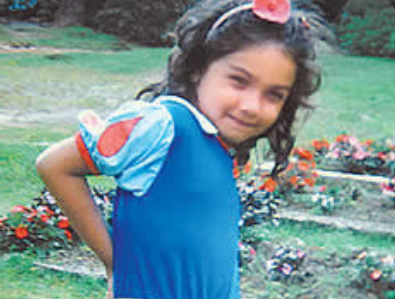
(aged 5) being killed by abusive fathers after so-called 'Parental Alienation' assessments have led to the transfer of residency of these children to violent fathers.
The predominant narrative in Brazilian media has been that false allegations of abuse, especially Child Sexual Abuse (CSA) are common at ‘80%’ of cases and represent an ‘epidemic’. This claim is unevidenced. Actual evidence shows false allegations are rare globally and these allegations should be taken seriously.
Brazil now seeks to further punish victims who speak out, by making PA a criminal offence. If this new law (2354/2022) passes, women will face prison sentences of between 3 months to 3 years. This law is designed to silence victims who in reality need safety and protection.
Multiple academic groups, advocates and the Report of the Special Rapporteur on violence against women and girls, its causes and consequences, Reem Alsalem, have called for States to legislate to prohibit the use of parental alienation or related pseudo concepts in family law cases and the use of so-called experts in parental alienation and related pseudo-concepts.
On 27th June, the Brazilian government conceded to the UN Human Rights Council: "the so-called Parental Alienation Law did not generate the desired effect, that is, reducing abusive acts by parents in the process of separation and custody dispute, but has also been applied in a way that generates other, more serious violations…The distortion of its object and its use as a defensive strategy by aggressors and abusers has led to reversals of child custody and the application of disproportionate protective measures, without proper verification of the facts, against mothers falsely accused of parental alienation"
We call upon the Brazilian government to repeal the 'Parental Alienation' Law Lei No.12.318/2010 and replace it with legislation that prioritizes the best interests of children while ensuring fair and equitable outcomes for all parties involved in custody disputes.
Let us work together to create a legal framework that protects women and children who are victims of violence.
Sources:
Coletivo de Proteção à Infância Voz Materna
Instituto de Memória e Direitos Humanos (IMDH-UFSC). (2022)
Flood (2022) https://xyonline.net/content/false-allegations-sexual-and-domestic-violence-facts
Dalgarno et al., (2023). ‘Swim, swim and die at the beach’: family court and perpetrator induced trauma (CPIT) experiences of mothers in Brazil. Journal of Social Welfare and Family Law [tandfonline.com], pp.1-28.
United Nations 53rd Human Rights Council (2023) https://media.un.org/en/asset/k19/k19oe94xnr
Extra O Globo https://extra.globo.com/noticias/rio/nas-varas-de-familia-da-capital-falsas-denuncias-de-abuso-sexual-podem-chegar-80-dos-registros-5035713.html
https://www.camara.leg.br/propostas-legislativas/2334357
Custody, violence against women and violence against children
Report of the Special Rapporteur on violence against women and girls,
its causes and consequences, Reem Alsalem: https://undocs.org/Home/Mobile?FinalSymbol=A/HRC/53/36&Language=E&DeviceType=Desktop&LangRequested=False
Inter-American Commission on Human Rights (2019): https://www.oas.org/en/iachr/docs/annual/2019/docs/IA2019cap4A-en.pdf
Stoltz et al. (2023). THE SYNDEMIC GENDER VIOLENCE IN JUDICIAL DISCOURSES THAT APPLY THE PARENTAL ALIENATION LAW. https://revista.unicuritiba.edu.br/index.php/RevJur/article/view/6330/0
Mercer and Drew (2022). Challenging Parental Alienation
New Directions for Professionals and Parents.
Dalgarno et al Presentation to the UN 53rd Human Rights Council (2023): The impact of the ‘Parental Alienation’ Law (Lei No.12.318/2010) in Brazil on Mothers and Children

Victory
The Issue
We, academics, citizens and advocates for the well-being of women and children all over the world, urge the Brazilian government to repeal the controversial 'Parental Alienation' Law (Lei No.12.318/2010) since this law has proven to be flawed and detrimental to women and children across Brazil as well as that it poses a global threat since such law could eventually be reproduced in other countries.
The polemic concept of parental alienation has been identified by several organizations for the protection of human rights as a weapon for promoting discrimination against women. The Brazilian Parental Alienation Law fails to consider the complexity of patriarchal structures and systems, institutional violence, gender-based-violence, child abuse and often leads to unjust outcomes that harm both children and women involved.
Here are some key reasons why we believe this law should be repealed:
Lack of scientific consensus: The concept of "parental alienation" is highly debated among mental health professionals worldwide due to its lack of empirical evidence and inconsistent criteria. Many experts argue that it lacks scientific validity as a concept.
The World Health Organization stated: “Inclusion of the term [PA] in the ICD-11 will not contribute to health statistics. There are no evidence-based health care interventions specifically for parental alienation”. The United Nations Special Rapporteur United Nations Special Rapporteur on violence against women and girls, its causes and consequences has argued: “States [should] legislate to prohibit the use of parental alienation or related pseudo concepts in family law cases and the use of so-called experts in parental alienation and related pseudo-concepts” (UNSRVAWG, 2023).
Potential for misuse: The vague language and prioritization of PA assessments above criminal investigations in Lei No.12.318/2010 leaves room for misinterpretation and abuse by unscrupulous individuals seeking an advantage in custody battles, to close their criminal charges of child abuse and domestic violence or to continue post-separation abuse and personal vendettas against former partners.
Adverse impact on children: Rather than protecting children's best interests, this law can exacerbate violence against women and children by creating an adversarial environment focused on assigning blame to mothers and children rather than protecting them from further violence and abuse. PA allegations are a DARVO tactic - designed to Deny the abuse, Attack the victim and Reverse the Victim into being the Offender. Women in Brazil are being accused of lying, found to be 'alienators' with no evidence and then sued for defamation by their and their child's abuser.
Inadequate safeguards: The current legislation fails to provide sufficient safeguards against false allegations of parental alienation, leading innocent mothers being wrongly accused and subsequently losing access or custody rights over their own children. it legitimizes the institutional violence against the victims and prevents the access to protection laws, perpetuating the violence with the legal authorization of the Brazilian Judiciary.
This law perpetuates a punitive approach that is causing further harm to women and children, with many children such as Joanna Marcenal (pictured)
(aged 5) being killed by abusive fathers after so-called 'Parental Alienation' assessments have led to the transfer of residency of these children to violent fathers.
The predominant narrative in Brazilian media has been that false allegations of abuse, especially Child Sexual Abuse (CSA) are common at ‘80%’ of cases and represent an ‘epidemic’. This claim is unevidenced. Actual evidence shows false allegations are rare globally and these allegations should be taken seriously.
Brazil now seeks to further punish victims who speak out, by making PA a criminal offence. If this new law (2354/2022) passes, women will face prison sentences of between 3 months to 3 years. This law is designed to silence victims who in reality need safety and protection.
Multiple academic groups, advocates and the Report of the Special Rapporteur on violence against women and girls, its causes and consequences, Reem Alsalem, have called for States to legislate to prohibit the use of parental alienation or related pseudo concepts in family law cases and the use of so-called experts in parental alienation and related pseudo-concepts.
On 27th June, the Brazilian government conceded to the UN Human Rights Council: "the so-called Parental Alienation Law did not generate the desired effect, that is, reducing abusive acts by parents in the process of separation and custody dispute, but has also been applied in a way that generates other, more serious violations…The distortion of its object and its use as a defensive strategy by aggressors and abusers has led to reversals of child custody and the application of disproportionate protective measures, without proper verification of the facts, against mothers falsely accused of parental alienation"
We call upon the Brazilian government to repeal the 'Parental Alienation' Law Lei No.12.318/2010 and replace it with legislation that prioritizes the best interests of children while ensuring fair and equitable outcomes for all parties involved in custody disputes.
Let us work together to create a legal framework that protects women and children who are victims of violence.
Sources:
Coletivo de Proteção à Infância Voz Materna
Instituto de Memória e Direitos Humanos (IMDH-UFSC). (2022)
Flood (2022) https://xyonline.net/content/false-allegations-sexual-and-domestic-violence-facts
Dalgarno et al., (2023). ‘Swim, swim and die at the beach’: family court and perpetrator induced trauma (CPIT) experiences of mothers in Brazil. Journal of Social Welfare and Family Law [tandfonline.com], pp.1-28.
United Nations 53rd Human Rights Council (2023) https://media.un.org/en/asset/k19/k19oe94xnr
Extra O Globo https://extra.globo.com/noticias/rio/nas-varas-de-familia-da-capital-falsas-denuncias-de-abuso-sexual-podem-chegar-80-dos-registros-5035713.html
https://www.camara.leg.br/propostas-legislativas/2334357
Custody, violence against women and violence against children
Report of the Special Rapporteur on violence against women and girls,
its causes and consequences, Reem Alsalem: https://undocs.org/Home/Mobile?FinalSymbol=A/HRC/53/36&Language=E&DeviceType=Desktop&LangRequested=False
Inter-American Commission on Human Rights (2019): https://www.oas.org/en/iachr/docs/annual/2019/docs/IA2019cap4A-en.pdf
Stoltz et al. (2023). THE SYNDEMIC GENDER VIOLENCE IN JUDICIAL DISCOURSES THAT APPLY THE PARENTAL ALIENATION LAW. https://revista.unicuritiba.edu.br/index.php/RevJur/article/view/6330/0
Mercer and Drew (2022). Challenging Parental Alienation
New Directions for Professionals and Parents.
Dalgarno et al Presentation to the UN 53rd Human Rights Council (2023): The impact of the ‘Parental Alienation’ Law (Lei No.12.318/2010) in Brazil on Mothers and Children
Petition Updates
Share this petition
Petition created on 3 July 2023