

Remove SHELAA Sites 237 and 479 from TVBC's Regulation 18 Local Plan
The Issue
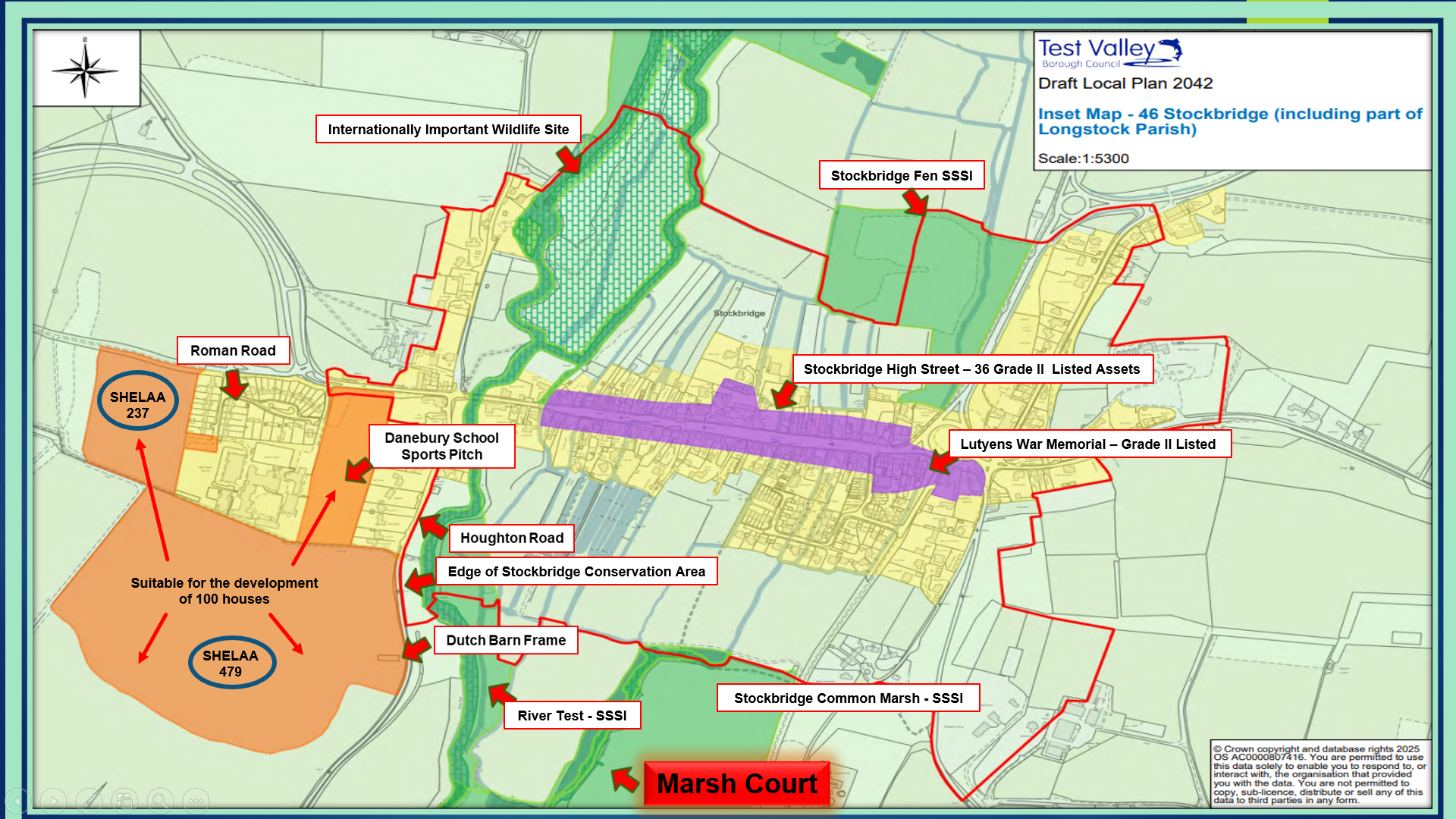
These sites lie within areas of exceptional landscape value and ecological sensitivity, making them wholly inappropriate for large-scale housing development. Their inclusion in the Local Plan poses a serious threat to the character, infrastructure and environmental integrity of Longstock, Houghton and Stockbridge, and risks irreversible damage to its historic heritage assets, which are integral to the identity and cultural fabric of this area.
Why We Object to Sites 237 and 479
Environmental and Flooding Concerns
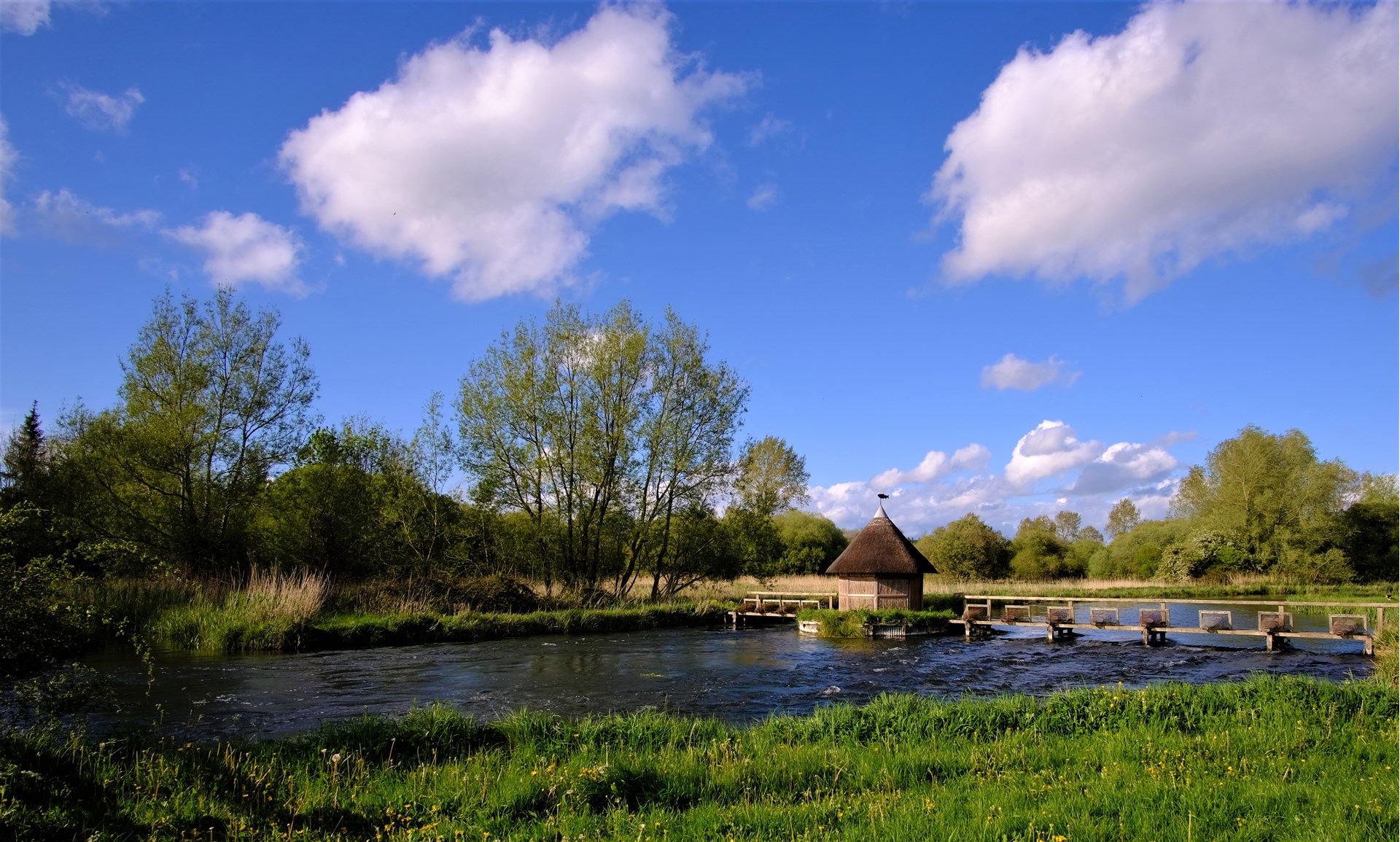
The River Test is a globally renowned rare chalk stream which is central to the region’s ecology and identity. The proposed development threatens to disrupt natural drainage patterns, increasing flood risk downstream which contradicts the National Planning Policy Framework (NPPF), Chapter 14.
These concerns are amplified by TVBC’s own Rights for Rivers resolution, which was adopted unanimously by Test Valley Borough Councillors on 17th July 2025, which commits to protecting rivers from pollution and embedding river rights into planning policy.
Biodiversity and Landscape Impact
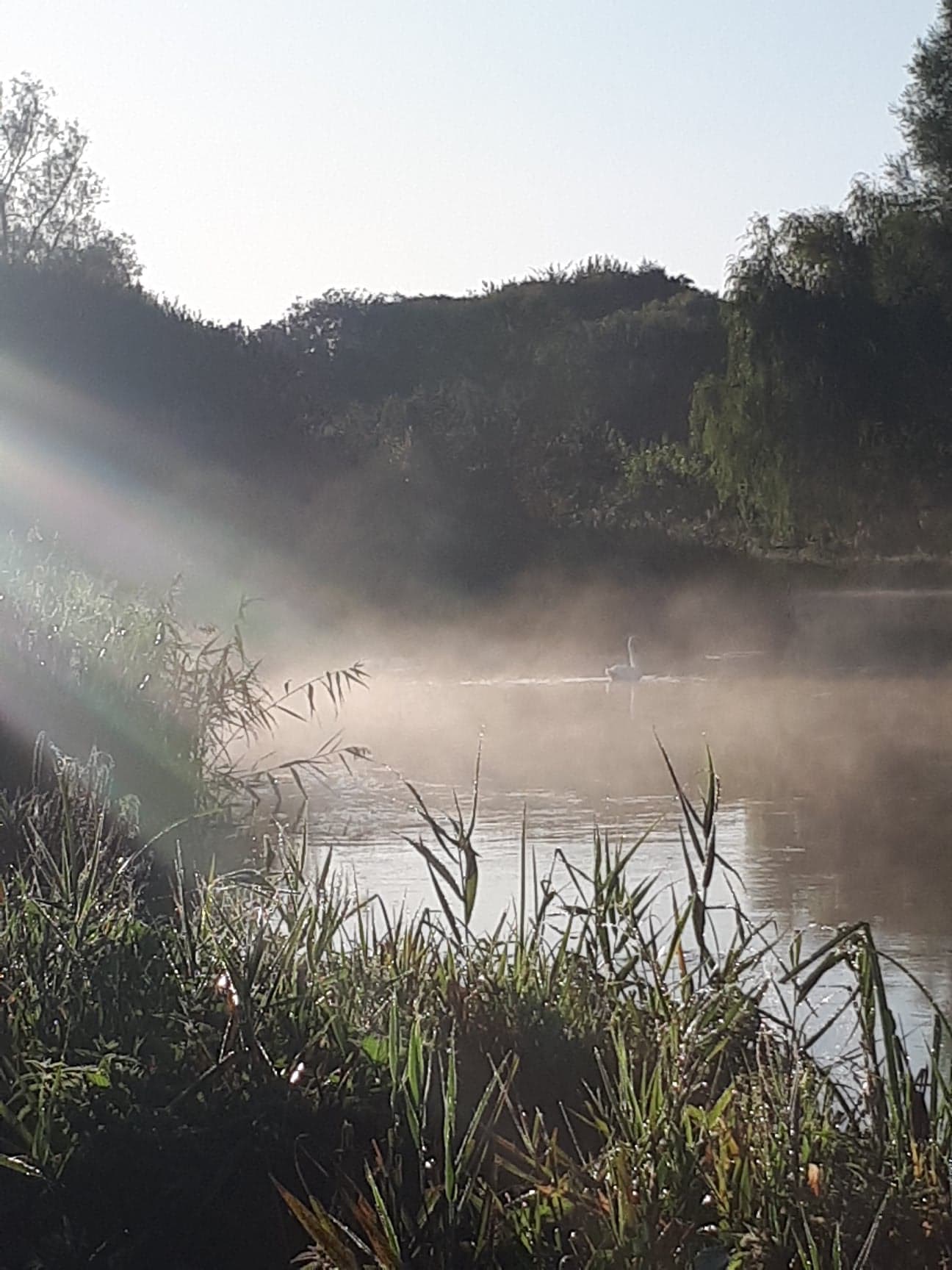
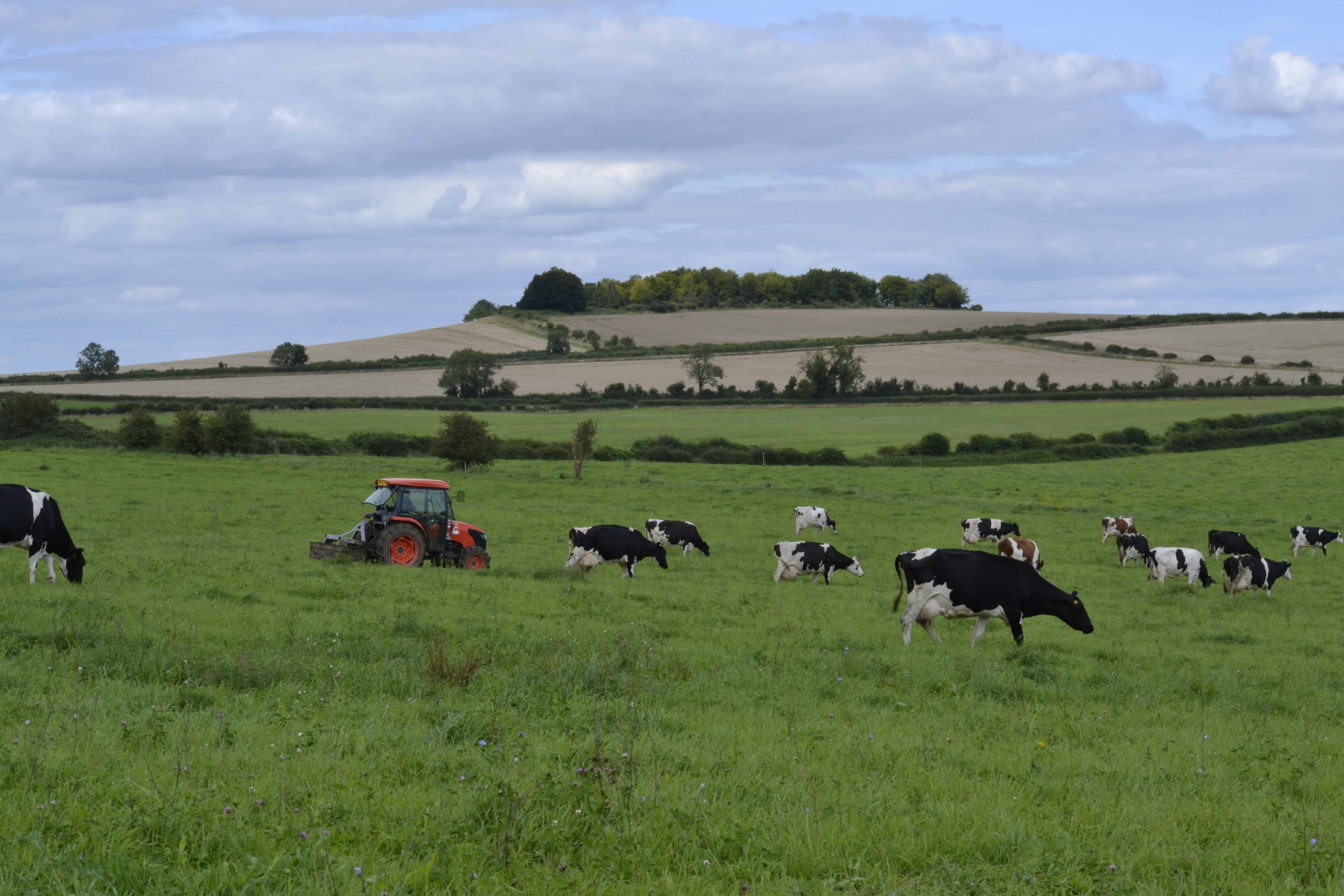
The proposed development sites lie adjacent to four Sites of Special Scientific Interest (SSSIs) and two internationally designated wildlife areas which form part of an interconnected ecological network of exceptional importance. These protected areas support rare species, fragile habitats and vital ecological processes. Any disruption, whether through increased human activity, light pollution or habitat fragmentation risks undermining the integrity of this network, contravening national and international conservation obligations and contradicting the NPPF Chapter 15 which provides guidance on conserving the natural environment.
Threat to Historic Assets
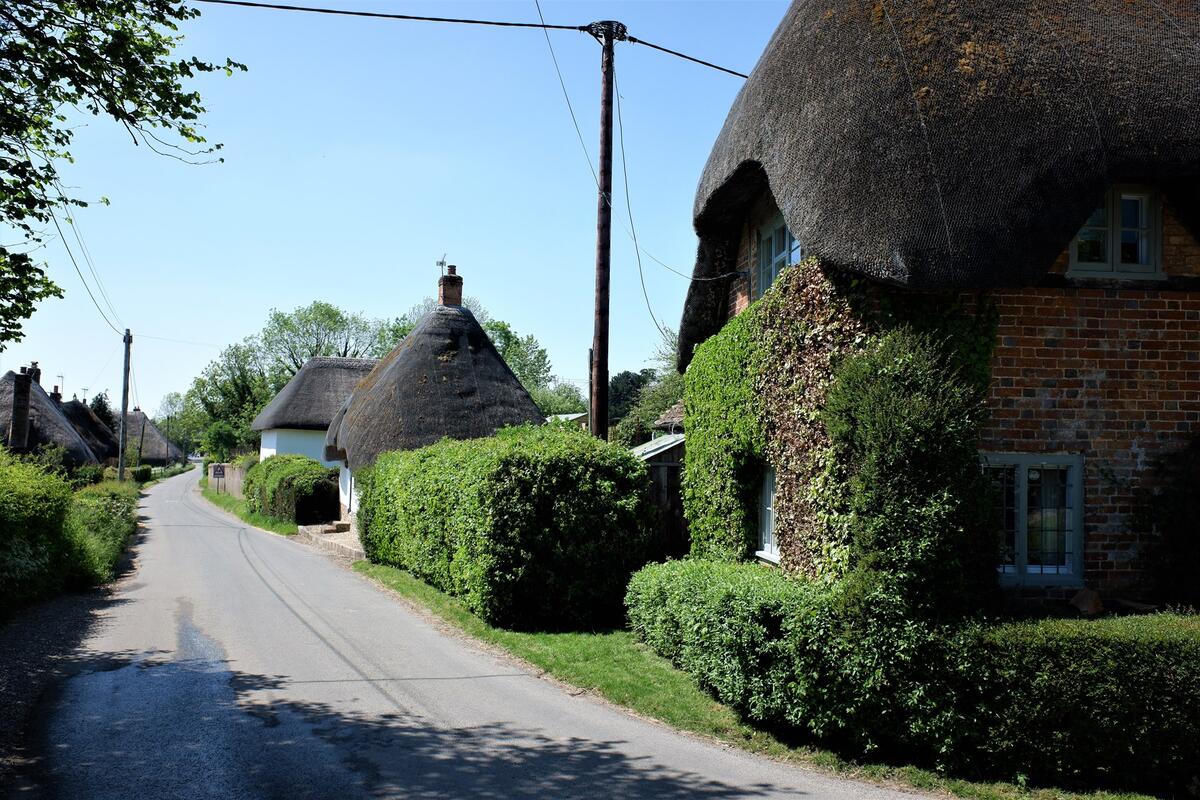
Stockbridge’s High Street is built upon a 2,000-year-old Roman chalk causeway and lies within a designated Conservation Area that is celebrated for its unusually high concentration of Grade II and Grade II* listed buildings. Of particular concern is the potential harm to both the historic character and setting of the Conservation Area and the landscape setting of Marsh Court, a Grade I listed Arts and Crafts residence designed by Sir Edwin Lutyens, with Grade II* listed gardens designed by Gertrude Jekyll. This site is of national importance, not only for its architectural distinction but also for its horticultural legacy. The proposed development represents a serious threat to the integrity of irreplaceable heritage assets and their carefully preserved surroundings and contradicts the NPPF, Chapter 16 .
Infrastructure Deficit
Local infrastructure is already under strain:
Water, sewage and drainage systems are already operating at capacity
Limited access to healthcare services such as doctors and dentists
Inadequate public transport and rising traffic congestion
A single-lane bridge and road network which is unable to absorb increased demand
Persistent parking shortages affecting local residents and visitors
Economic and Tourism Risks
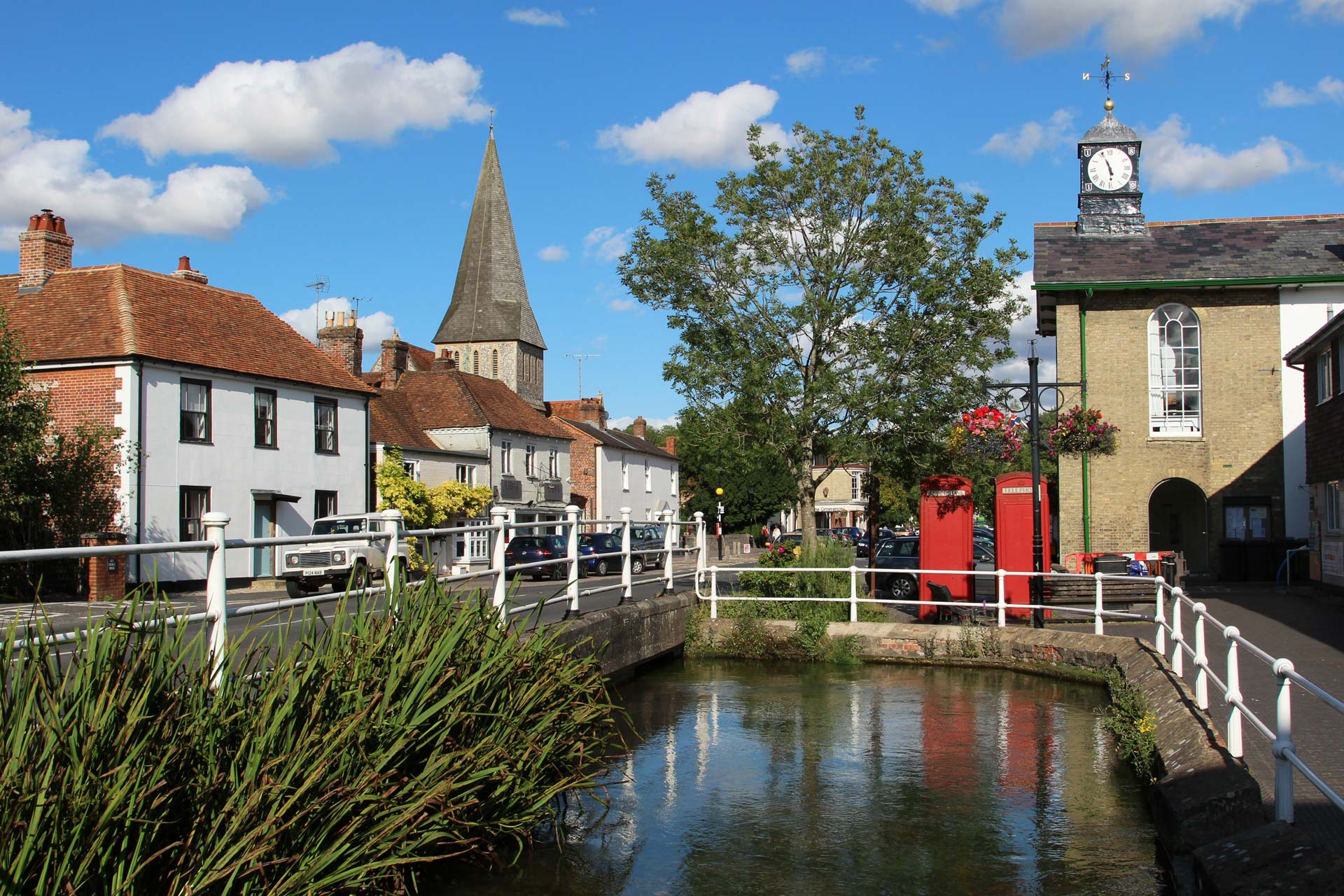
Stockbridge’s High Street is a vibrant rural economy which thrives because of its independent shops and locally owned businesses. Its prosperity is built on sustainable tourism, fly fishing on the River Test, scenic walks, cycling routes and nature-based experiences that draw visitors year-round. Large-scale development risks upsetting this delicate balance, endangering both the livelihoods of local traders and the community’s longstanding commitment to environmental stewardship.
Better Alternatives Exist
The Local Plan should prioritise brownfield land, urban renewal and infrastructure-led development. SHELAA Sites 237 and 479 represent speculative greenfield expansion which overwhelmingly fails to meet the criteria for sustainable growth.
We, the undersigned call on Test Valley Borough Council to:
1. Remove SHELAA Sites 237 and 479 from the draft Regulation 18 Local Plan 2042 immediately.
2. Uphold the principles of the Localism Act 2011 by empowering communities to shape their own future through genuine, community-led planning.
3. Safeguard the rural character and exceptional biodiversity of Stockbridge and its surrounding area which is home to four Sites of Special Scientific Interest (SSSIs) and two Internationally Important Wildlife habitats, ensuring its irreplaceable natural legacy is protected for generations to come.
4. Focus future development on appropriate, sustainable and infrastructure-ready locations.
We urge Test Valley Borough Council to listen to local voices and remove these sites from the Local Plan 2042 with immediate effect.
Please see our website for more details; www.panparishplanningforum.org.uk


1,008
The Issue
These sites lie within areas of exceptional landscape value and ecological sensitivity, making them wholly inappropriate for large-scale housing development. Their inclusion in the Local Plan poses a serious threat to the character, infrastructure and environmental integrity of Longstock, Houghton and Stockbridge, and risks irreversible damage to its historic heritage assets, which are integral to the identity and cultural fabric of this area.
Why We Object to Sites 237 and 479
Environmental and Flooding Concerns
The River Test is a globally renowned rare chalk stream which is central to the region’s ecology and identity. The proposed development threatens to disrupt natural drainage patterns, increasing flood risk downstream which contradicts the National Planning Policy Framework (NPPF), Chapter 14.
These concerns are amplified by TVBC’s own Rights for Rivers resolution, which was adopted unanimously by Test Valley Borough Councillors on 17th July 2025, which commits to protecting rivers from pollution and embedding river rights into planning policy.
Biodiversity and Landscape Impact
The proposed development sites lie adjacent to four Sites of Special Scientific Interest (SSSIs) and two internationally designated wildlife areas which form part of an interconnected ecological network of exceptional importance. These protected areas support rare species, fragile habitats and vital ecological processes. Any disruption, whether through increased human activity, light pollution or habitat fragmentation risks undermining the integrity of this network, contravening national and international conservation obligations and contradicting the NPPF Chapter 15 which provides guidance on conserving the natural environment.
Threat to Historic Assets
Stockbridge’s High Street is built upon a 2,000-year-old Roman chalk causeway and lies within a designated Conservation Area that is celebrated for its unusually high concentration of Grade II and Grade II* listed buildings. Of particular concern is the potential harm to both the historic character and setting of the Conservation Area and the landscape setting of Marsh Court, a Grade I listed Arts and Crafts residence designed by Sir Edwin Lutyens, with Grade II* listed gardens designed by Gertrude Jekyll. This site is of national importance, not only for its architectural distinction but also for its horticultural legacy. The proposed development represents a serious threat to the integrity of irreplaceable heritage assets and their carefully preserved surroundings and contradicts the NPPF, Chapter 16 .
Infrastructure Deficit
Local infrastructure is already under strain:
Water, sewage and drainage systems are already operating at capacity
Limited access to healthcare services such as doctors and dentists
Inadequate public transport and rising traffic congestion
A single-lane bridge and road network which is unable to absorb increased demand
Persistent parking shortages affecting local residents and visitors
Economic and Tourism Risks
Stockbridge’s High Street is a vibrant rural economy which thrives because of its independent shops and locally owned businesses. Its prosperity is built on sustainable tourism, fly fishing on the River Test, scenic walks, cycling routes and nature-based experiences that draw visitors year-round. Large-scale development risks upsetting this delicate balance, endangering both the livelihoods of local traders and the community’s longstanding commitment to environmental stewardship.
Better Alternatives Exist
The Local Plan should prioritise brownfield land, urban renewal and infrastructure-led development. SHELAA Sites 237 and 479 represent speculative greenfield expansion which overwhelmingly fails to meet the criteria for sustainable growth.
We, the undersigned call on Test Valley Borough Council to:
1. Remove SHELAA Sites 237 and 479 from the draft Regulation 18 Local Plan 2042 immediately.
2. Uphold the principles of the Localism Act 2011 by empowering communities to shape their own future through genuine, community-led planning.
3. Safeguard the rural character and exceptional biodiversity of Stockbridge and its surrounding area which is home to four Sites of Special Scientific Interest (SSSIs) and two Internationally Important Wildlife habitats, ensuring its irreplaceable natural legacy is protected for generations to come.
4. Focus future development on appropriate, sustainable and infrastructure-ready locations.
We urge Test Valley Borough Council to listen to local voices and remove these sites from the Local Plan 2042 with immediate effect.
Please see our website for more details; www.panparishplanningforum.org.uk
Supporter Voices
Petition Updates
Share this petition
Petition created on 13 August 2025