

Protection of the Endangered San Joaquin Kit Fox and their Prey at CSU Bakersfield
The Issue
Administrators of Capital and Facilities Management Services (CFMS) at California State University, Bakersfield (CSUB) have been fumigating the California ground squirrel population that inhabit the lawns on campus with a pressurized exhaust gas containing 2.5% carbon monoxide. The squirrels dig burrows around campus and use them for shelter, hibernation, food storage, and for raising their young. Lethal gasses are being injected into these burrows via probes or hose extensions, purging the air from these closed burrows so the animals cannot escape and ultimately die.
Along with the ground squirrels, CSUB is home to the endangered San Joaquin kit fox, making this campus one of the only 3 higher educational institutions in the world that has an endangered species of canid living and breeding on its premises. Several past and current faculty and students have dedicated years of research to conservation efforts in hopes of helping the San Joaquin kit fox population grow.
Fumigation of the burrows using a combination of lethal gasses raises issues pertaining to both the squirrel and San Joaquin kit fox populations. CFMS admin’s actions are both unacceptable and potentially illegal for the following reasons:
- San Joaquin kit foxes may occasionally adopt and occupy the squirrels’ burrows, and it is even difficult to impossible for experts to distinguish which burrow is inhabited by which animal. The lethal gasses will not discriminate between species, and will ultimately kill any living animal that inhales them (2).
- The squirrels are a food source for the kit foxes on the CSUB campus where traditional prey, such as kangaroo rats, are absent. Limiting a food source for kit foxes may lead to a decline in their population, which is a violation of the Endangered Species Act (1) and the California Code of Regulations section 6695 (2).
- When CFMS admin began fumigating this year, they did not consult with an environmental consulting group and did not consider applying for an ‘incidental take permit’ for the San Joaquin kit fox that would protect them against legal action if they accidentally killed a fox. There are different committees on campus that consist of experts in the biological field, and CFMS could have consulted them beforehand to ensure that the kit foxes would remain unharmed but they chose not to. Burrow consultations have not been conducted since October 2022, yet CFMS continues to fumigate regardless.
Referring to points listed above, administrators of CFSM may have already violated the Endangered Species Act (ESA) which is a federal law in the United States that aims to protect endangered and threatened species, their habitats and their prey. Violating the ESA can have serious legal and environmental consequences. Penalties for violating the ESA can range from fines to imprisonment. The exact penalties depend on the severity of the violation and the species involved (3, 4). In addition to legal consequences, violating the ESA can have serious environmental consequences. Many endangered and threatened species play important roles in their ecosystems, and their loss can have far-reaching impacts on other species and the environment as a whole.
Additionally, their actions violate the California Code of Regulations Section 6695 which states specific requirements of using carbon monoxide as a pest control device. The code states that “Each person using a carbon monoxide pest control device to perform pest control shall not use a carbon monoxide pest control device on a burrow opening known or believed to contain non-target vertebrate animals” (2). San Joaquin kit foxes occasionally occupy squirrel burrows and can fit through burrow openings that are as small as 4 inches in diameter. It is challenging to determine the difference between a squirrel and kit fox burrow without conducting surveys beforehand. Surveys can be conducted by setting up cameras which monitor the activity of the animals entering and leaving the burrow. A professional can then analyze the photos captured and make a well-informed decision.
Furthermore, ground keepers and other facility workers at CSUB who were supposed to conduct the fumigation were not trained about where on the CSUB campus kit fox dens are known and where pups are being raised. They were also not educated on how to protect themselves during these actions (e.g. have to wear eye protection and cannot fumigate within 50 feet of a building) (2).
We, as CSUB students, are concerned about the ethics and effectiveness of this practice. Fumigation may not be an effective long-term solution to the problem of squirrel infestations. The gasses used in fumigation may not be able to penetrate all areas where squirrels may be hiding, meaning that some squirrels may survive the process and continue to dig burrows elsewhere.
The goal of this petition is to raise awareness of this ongoing issue and encourage others to take action.
In this petition, we ask the following from CSUB administrators of Capital and Facilities Management Services:
- To immediately stop fumigating the burrows until appropriate surveys are in place
- To be transparent with squirrel fumigation (like they are with vegetation trimmings)
- To request a formation of a working committee that focuses on policies related to sustainability and our facilities’ practices
- To follow the law and honor the Endangered Species Act
Protecting endangered species is important for several reasons:
- Conservation of biodiversity: Endangered species are often unique and irreplaceable components of ecosystems. Protecting them helps to preserve the natural diversity of life on Earth and maintain functioning ecosystems.
- Preservation of genetic diversity: Endangered species may have unique genetic traits that are important for their survival and for the evolution of other species. By protecting endangered species, we can preserve these genetic traits and ensure that they are not lost forever.
- Ecological stability: Endangered species play important roles in their ecosystems. The loss of a species can disrupt food webs, nutrient cycling, and other ecological processes. Protecting endangered species helps to maintain ecological stability and prevent further degradation of ecosystems.
In addition to these reasons, protecting endangered species can also have educational and cultural benefits not only for CSUB students, but also for the general public of Kern County, providing opportunities to learn about and appreciate the natural world and the importance of conservation. Overall, protecting endangered species is an important part of preserving the planet's natural heritage and ensuring a sustainable future for all life on Earth.
In the midst of the earth's sixth mass extinction, where global biodiversity is rapidly declining as a direct result of human carelessness and indifference, we must be mindful of the other species that inhabit this planet.
Helpful Links:
- https://www.fws.gov/law/endangered-species-act
- https://www.cdpr.ca.gov/docs/legbills/calcode/030206.htm
- https://www.gc.noaa.gov/documents/gces/6-ESA/esa_1208.pdf
- https://www.fws.gov/laws/endangered-species-act/section-11
Collaborating supporters of this petition include CSUB Students for Sustainability and the Faculty Sustainability Committee.
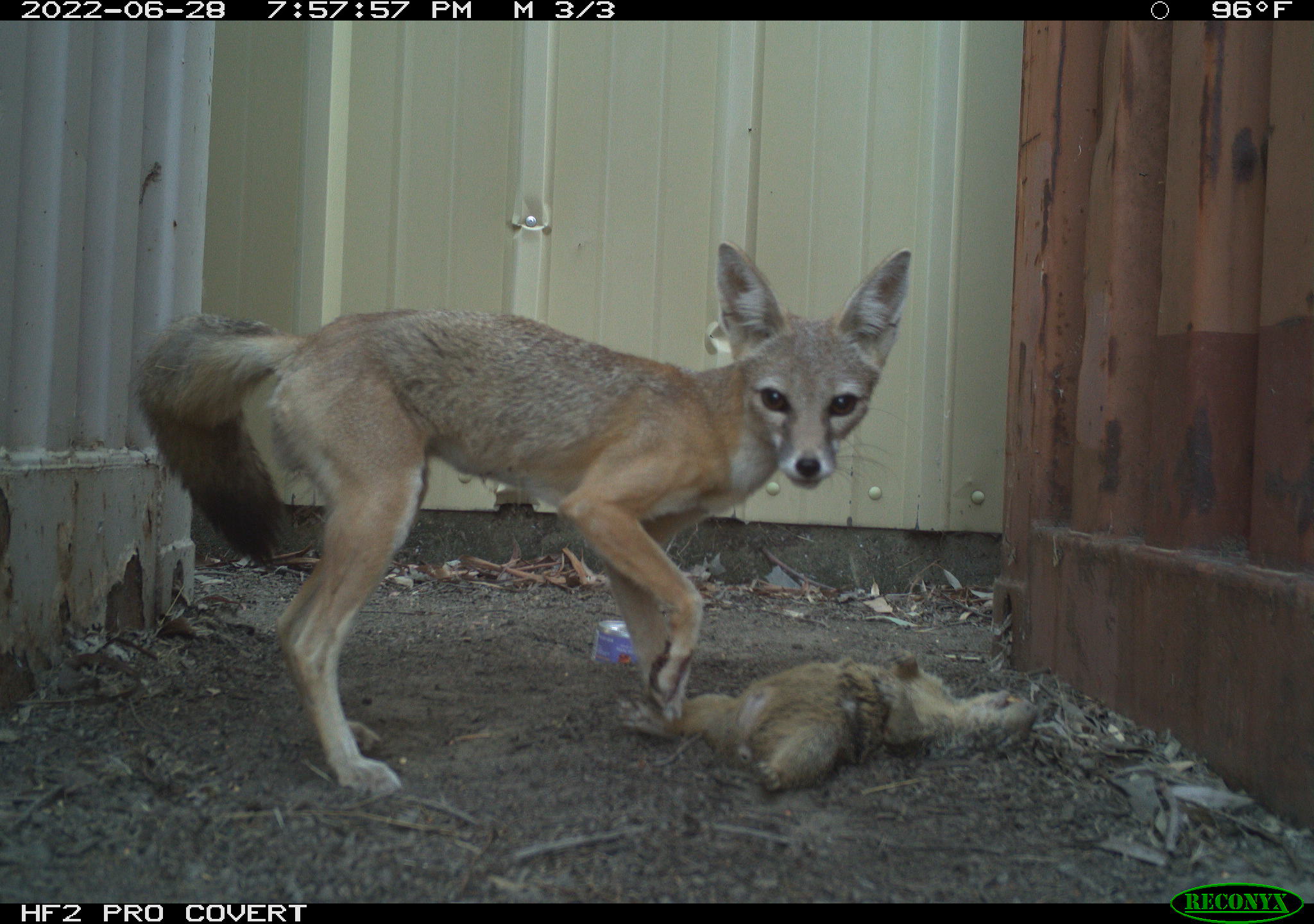
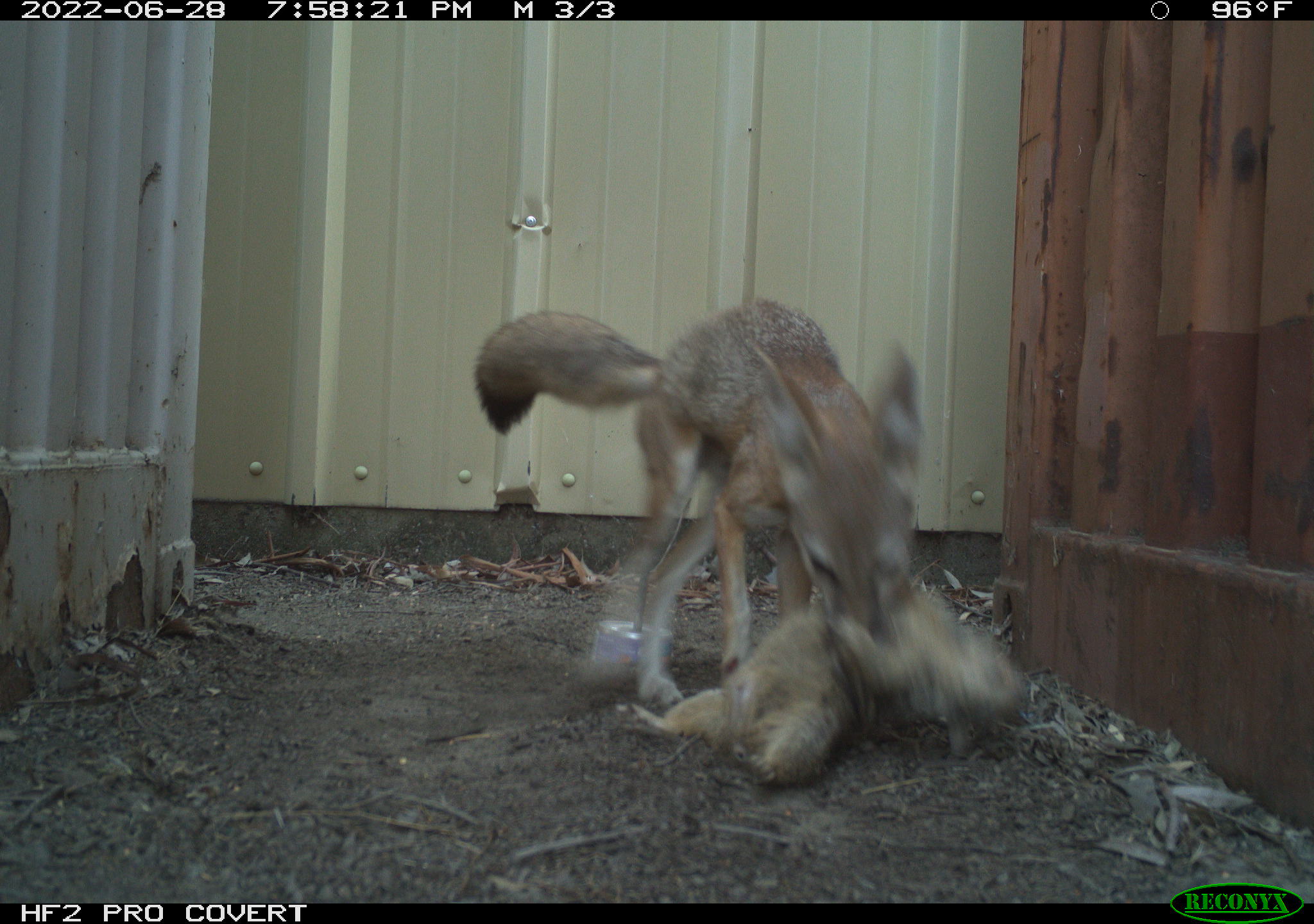
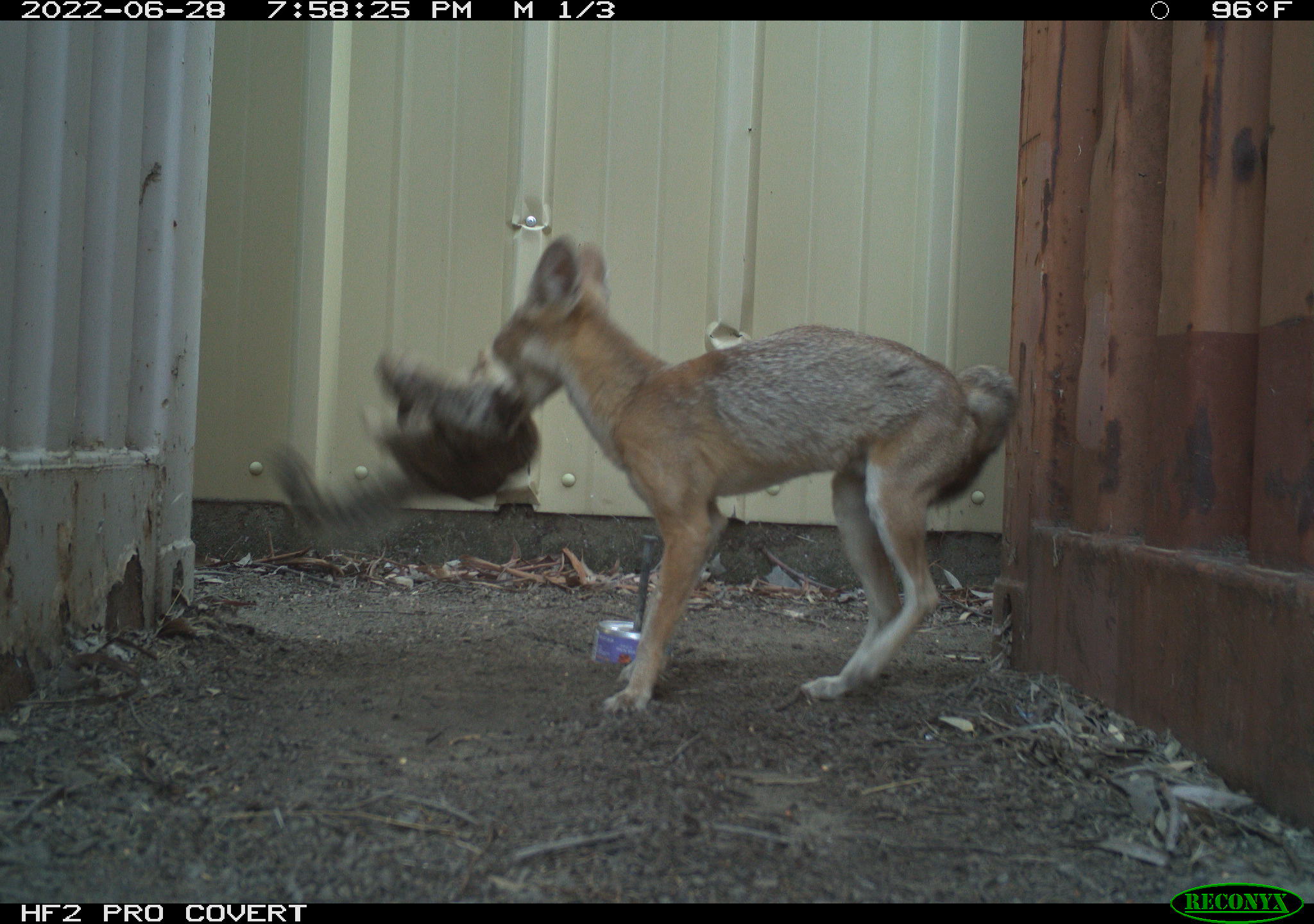
These photos show a San Joaquin kit fox eating a squirrel. These photos were captured during a biological survey conducted by Dr. Lucas Hall and his research team.

10,234
The Issue
Administrators of Capital and Facilities Management Services (CFMS) at California State University, Bakersfield (CSUB) have been fumigating the California ground squirrel population that inhabit the lawns on campus with a pressurized exhaust gas containing 2.5% carbon monoxide. The squirrels dig burrows around campus and use them for shelter, hibernation, food storage, and for raising their young. Lethal gasses are being injected into these burrows via probes or hose extensions, purging the air from these closed burrows so the animals cannot escape and ultimately die.
Along with the ground squirrels, CSUB is home to the endangered San Joaquin kit fox, making this campus one of the only 3 higher educational institutions in the world that has an endangered species of canid living and breeding on its premises. Several past and current faculty and students have dedicated years of research to conservation efforts in hopes of helping the San Joaquin kit fox population grow.
Fumigation of the burrows using a combination of lethal gasses raises issues pertaining to both the squirrel and San Joaquin kit fox populations. CFMS admin’s actions are both unacceptable and potentially illegal for the following reasons:
- San Joaquin kit foxes may occasionally adopt and occupy the squirrels’ burrows, and it is even difficult to impossible for experts to distinguish which burrow is inhabited by which animal. The lethal gasses will not discriminate between species, and will ultimately kill any living animal that inhales them (2).
- The squirrels are a food source for the kit foxes on the CSUB campus where traditional prey, such as kangaroo rats, are absent. Limiting a food source for kit foxes may lead to a decline in their population, which is a violation of the Endangered Species Act (1) and the California Code of Regulations section 6695 (2).
- When CFMS admin began fumigating this year, they did not consult with an environmental consulting group and did not consider applying for an ‘incidental take permit’ for the San Joaquin kit fox that would protect them against legal action if they accidentally killed a fox. There are different committees on campus that consist of experts in the biological field, and CFMS could have consulted them beforehand to ensure that the kit foxes would remain unharmed but they chose not to. Burrow consultations have not been conducted since October 2022, yet CFMS continues to fumigate regardless.
Referring to points listed above, administrators of CFSM may have already violated the Endangered Species Act (ESA) which is a federal law in the United States that aims to protect endangered and threatened species, their habitats and their prey. Violating the ESA can have serious legal and environmental consequences. Penalties for violating the ESA can range from fines to imprisonment. The exact penalties depend on the severity of the violation and the species involved (3, 4). In addition to legal consequences, violating the ESA can have serious environmental consequences. Many endangered and threatened species play important roles in their ecosystems, and their loss can have far-reaching impacts on other species and the environment as a whole.
Additionally, their actions violate the California Code of Regulations Section 6695 which states specific requirements of using carbon monoxide as a pest control device. The code states that “Each person using a carbon monoxide pest control device to perform pest control shall not use a carbon monoxide pest control device on a burrow opening known or believed to contain non-target vertebrate animals” (2). San Joaquin kit foxes occasionally occupy squirrel burrows and can fit through burrow openings that are as small as 4 inches in diameter. It is challenging to determine the difference between a squirrel and kit fox burrow without conducting surveys beforehand. Surveys can be conducted by setting up cameras which monitor the activity of the animals entering and leaving the burrow. A professional can then analyze the photos captured and make a well-informed decision.
Furthermore, ground keepers and other facility workers at CSUB who were supposed to conduct the fumigation were not trained about where on the CSUB campus kit fox dens are known and where pups are being raised. They were also not educated on how to protect themselves during these actions (e.g. have to wear eye protection and cannot fumigate within 50 feet of a building) (2).
We, as CSUB students, are concerned about the ethics and effectiveness of this practice. Fumigation may not be an effective long-term solution to the problem of squirrel infestations. The gasses used in fumigation may not be able to penetrate all areas where squirrels may be hiding, meaning that some squirrels may survive the process and continue to dig burrows elsewhere.
The goal of this petition is to raise awareness of this ongoing issue and encourage others to take action.
In this petition, we ask the following from CSUB administrators of Capital and Facilities Management Services:
- To immediately stop fumigating the burrows until appropriate surveys are in place
- To be transparent with squirrel fumigation (like they are with vegetation trimmings)
- To request a formation of a working committee that focuses on policies related to sustainability and our facilities’ practices
- To follow the law and honor the Endangered Species Act
Protecting endangered species is important for several reasons:
- Conservation of biodiversity: Endangered species are often unique and irreplaceable components of ecosystems. Protecting them helps to preserve the natural diversity of life on Earth and maintain functioning ecosystems.
- Preservation of genetic diversity: Endangered species may have unique genetic traits that are important for their survival and for the evolution of other species. By protecting endangered species, we can preserve these genetic traits and ensure that they are not lost forever.
- Ecological stability: Endangered species play important roles in their ecosystems. The loss of a species can disrupt food webs, nutrient cycling, and other ecological processes. Protecting endangered species helps to maintain ecological stability and prevent further degradation of ecosystems.
In addition to these reasons, protecting endangered species can also have educational and cultural benefits not only for CSUB students, but also for the general public of Kern County, providing opportunities to learn about and appreciate the natural world and the importance of conservation. Overall, protecting endangered species is an important part of preserving the planet's natural heritage and ensuring a sustainable future for all life on Earth.
In the midst of the earth's sixth mass extinction, where global biodiversity is rapidly declining as a direct result of human carelessness and indifference, we must be mindful of the other species that inhabit this planet.
Helpful Links:
- https://www.fws.gov/law/endangered-species-act
- https://www.cdpr.ca.gov/docs/legbills/calcode/030206.htm
- https://www.gc.noaa.gov/documents/gces/6-ESA/esa_1208.pdf
- https://www.fws.gov/laws/endangered-species-act/section-11
Collaborating supporters of this petition include CSUB Students for Sustainability and the Faculty Sustainability Committee.
These photos show a San Joaquin kit fox eating a squirrel. These photos were captured during a biological survey conducted by Dr. Lucas Hall and his research team.
Petition Updates
Share this petition
Petition created on March 17, 2023