

Protect the Pacific Great Blue Heron Colony at Deer Lake, Burnaby, BC
The Issue
TO: Mayor of Burnaby, Mike Hurley
BC Ministry of Forests, Land and Natural Resource Operations
BC Ministry of Environment and Climate Change Strategy
Canadian Wildlife Service - Pacific & Yukon Region
Environment and Climate Change Canada
DEER LAKE HERONRY PETITION
We are writing to demand that you take immediate action to protect the Pacific Great Blue Herons and their habitat near Deer Lake in Burnaby, British Columbia.
The Great Blue Heron, Ardea herodias, is the largest wading bird in North America, standing over 1 m in height. The Pacific Great Blue Heron subspecies, Ardea herodias fannini, resides year-round on the coast of British Columbia. It is a symbol of wetland conservation and environmental quality.
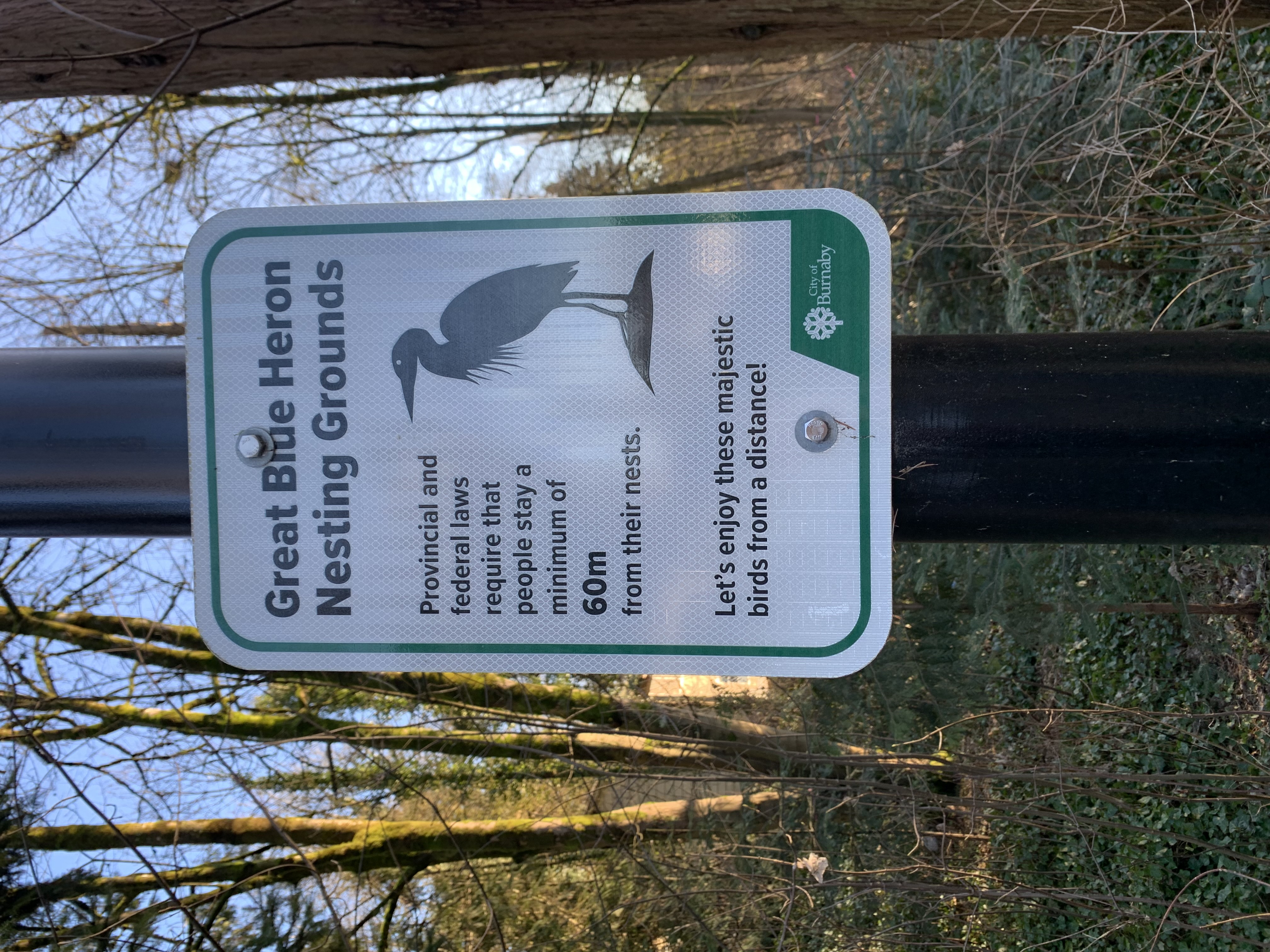
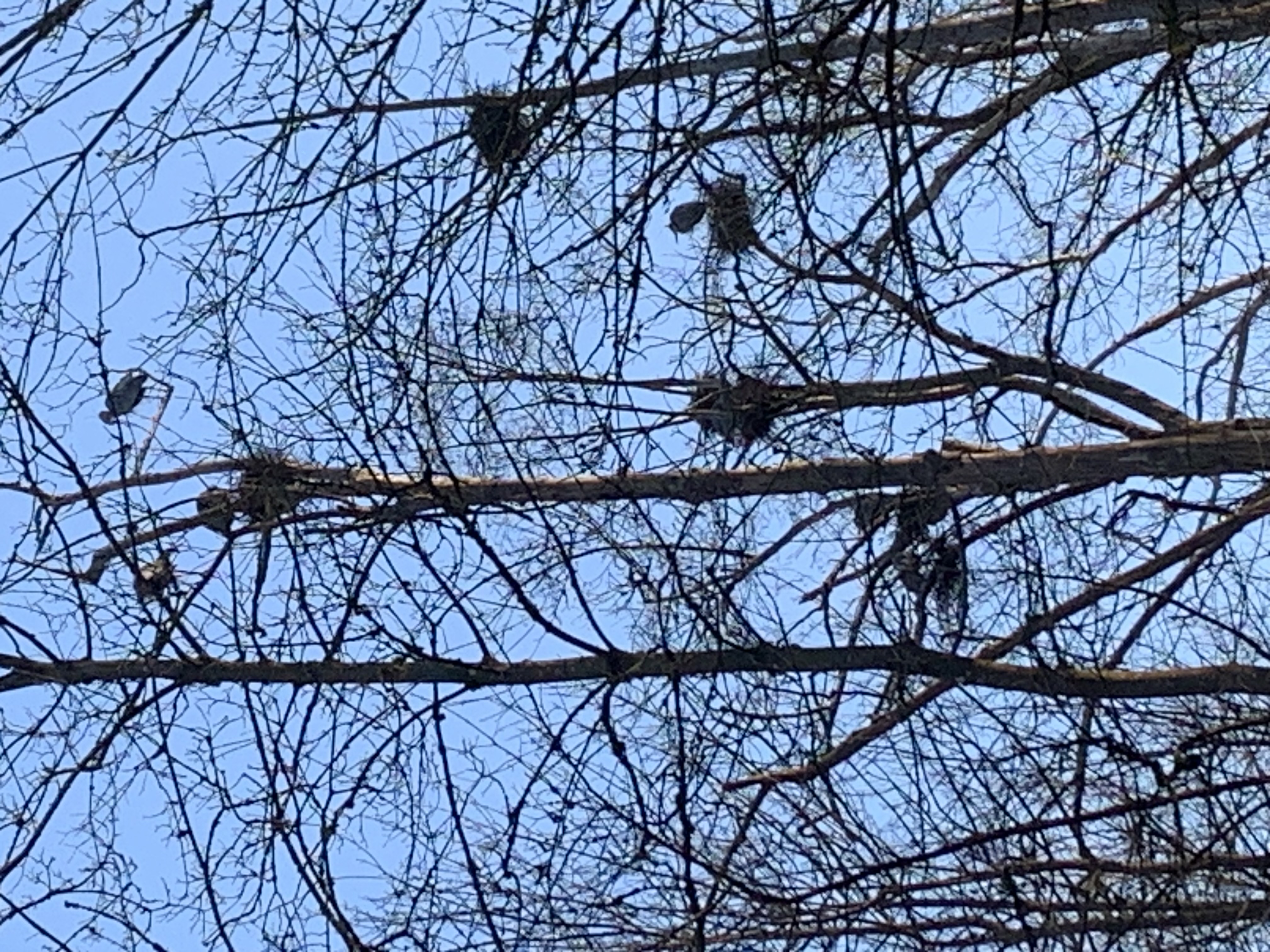
There are presently 168 Heron nests at the Deer Lake Park Heronry. The Herons nest in the tall black cottonwood trees just south of City Hall’s West Building. The Herons forage for food in Deer Lake Park and the surrounding areas. The Herons are an iconic Burnaby bird that people marvel at and whose image is etched on glass at bus stop shelters around the City.
Although the Deer Lake Heronry is growing in size, there are concerns that the Heron pairs are, on average, only producing one egg per season. Not all eggs survive to become chicks and not all fledglings survive their first winter.
The Committee that advises the federal government with respect to the Species at Risk Act S.C. 2002, c. 29 (acronym: “SARA”) has designated Great Blue Herons as a “species of special concern”, stating:
In Canada, this subspecies is distributed along the coast of British Columbia with a relatively small population that is concentrated at a few breeding colonies in southern British Columbia. There is evidence of declines in productivity and it is unclear whether the population is stable or declining. Threats from eagle predation, habitat loss and human disturbance are ongoing, particularly in the southern part of the range where concentrations of birds are highest. (https://wildlife-species.az.ec.gc.ca/species-risk-registry/virtual_sara/files//cosewic/sr_great_blue_heron_0808_e.pdf
Many legal protections are in place to protect Pacific Great Blue Herons. The Herons are on the “Blue List” compiled by the BC Conservation Data Centre (British Columbia Ministry of Environment), they are protected under the Migratory Birds Convention Act S.C. 1994, c.22 and Regulations, and the British Columbia Wildlife Act RSBC 1996, c. 488.
In 2014, the Ministry of Environment and the Ministry of Forests, Land and Natural Resource Operations created important guidelines that reflect the spirit of the various laws that protect birds, including Great Blue Herons, and their environment - the “Develop with Care 2014: Environmental Guidelines for Urban and Rural Land Development in British Columbia.” Among other things, these important Guidelines provide:
1. Local governments should find ways to concentrate development in areas away from heronries and feeding areas – in areas with lower environmental values.
2. Identify and mark out a permanent 60 meter buffer zone around the heronry and an additional 200 meter “no disturbance” buffer zone during nesting season.
3. Time construction to avoid any new disturbance between January 15 and September 15 when herons are nesting and breeding. Early in the season, herons are particularly susceptible to disturbance.
4. Walking near a nest or loud noises from equipment may be considered “molestation” and an offence under the Wildlife Act RSBC 1996, c. 488, if it causes the herons to abandon active nests.
5. Blasting or similarly excessive noises should not occur closer than 1,000 meters from a colony during the nesting window.
The City of Burnaby has disregarded these important Guidelines by:
· Deciding to build two facilities (“infant/toddler” and “under 5” childcare centers primarily for City staff and RCMP staff) close to City Hall but within the Heronry buffer zone, when less environmentally sensitive sites are available. https://www.burnabynow.com/local-news/burnaby-green-lights-74-child-care-spaces-for-rowan-avenue-facility-7648002
· Deciding to build on land that had previously been earmarked for inclusion in Deer Lake Park that has been providing protection and foraging habitat for the Deer Lake Herons.
· Cutting down mature Western red cedar trees (January 9, 2024) in the buffer zone that provide cover for Herons and their nests from predators such as eagles, ravens and crows.
· Demolishing buildings and digging up the ground with heavy equipment in the buffer zone during the start of the nesting season (April 2024).
· Purposefully miscalculating the “nesting season” buffer zone as 260 meters from a central point within the Heronry rather than calculating it from the Heronry’s outermost nests.
We are living in a time when nearly half the world’s birds are on the decline and one out of every eight bird species is at risk of extinction. Habitat loss is the biggest cause of birds being on the decline (https://www.cbc.ca/news/science/birds-declines-1.6610220
In 2022, Canada signed on to the historic Global Biodiversity Framework (GBF). One of the GBF’s four overarching goals focusses on achieving ecosystem and species health, including a halt to human-induced species extinction by 2050. The GBF also recognizes that every level of government and every person has a role to play in supporting the GBF’s goals. https://www.unep.org/resources/report/kunming-montreal-global-biodiversity-framework
THE BELOW SIGNATORIES TO THE DEER LAKE HERONRY PETITION CALL UPON THE CITY OF BURNABY, THE GOVERNMENT OF BRITISH COLUMBIA AND THE GOVERNMENT OF CANADA TO:
1. IMMEDIATELY CEASE ALL CONSTRUCTION AND RELATED ACTIVITIES AT 4248 ROWAN AVENUE AND 6250 DEER LAKE AVENUE IN BURNABY DURING THE HERONS’ NESTING SEASON (JANUARY 15 TO SEPTEMBER 15);
2. RELOCATE THE PROPOSED CHILDCARE DEVELOPMENTS TO A LESS ENVIRONMENTALLY SENSITIVE LOCATION; and
3. OTHERWISE COMPLY WITH THE “DEVELOP WITH CARE 2014: ENVIRONMENTAL GUIDELINES FOR URBAN AND RURAL LAND DEVELOPEMENT IN BRITISH COLUMBIA”, THE ABOVE-MENTIONED LEGISLATION AND THE GLOBAL BIODIVERSITY FRAMEWORK.

15,834
The Issue
TO: Mayor of Burnaby, Mike Hurley
BC Ministry of Forests, Land and Natural Resource Operations
BC Ministry of Environment and Climate Change Strategy
Canadian Wildlife Service - Pacific & Yukon Region
Environment and Climate Change Canada
DEER LAKE HERONRY PETITION
We are writing to demand that you take immediate action to protect the Pacific Great Blue Herons and their habitat near Deer Lake in Burnaby, British Columbia.
The Great Blue Heron, Ardea herodias, is the largest wading bird in North America, standing over 1 m in height. The Pacific Great Blue Heron subspecies, Ardea herodias fannini, resides year-round on the coast of British Columbia. It is a symbol of wetland conservation and environmental quality.
There are presently 168 Heron nests at the Deer Lake Park Heronry. The Herons nest in the tall black cottonwood trees just south of City Hall’s West Building. The Herons forage for food in Deer Lake Park and the surrounding areas. The Herons are an iconic Burnaby bird that people marvel at and whose image is etched on glass at bus stop shelters around the City.
Although the Deer Lake Heronry is growing in size, there are concerns that the Heron pairs are, on average, only producing one egg per season. Not all eggs survive to become chicks and not all fledglings survive their first winter.
The Committee that advises the federal government with respect to the Species at Risk Act S.C. 2002, c. 29 (acronym: “SARA”) has designated Great Blue Herons as a “species of special concern”, stating:
In Canada, this subspecies is distributed along the coast of British Columbia with a relatively small population that is concentrated at a few breeding colonies in southern British Columbia. There is evidence of declines in productivity and it is unclear whether the population is stable or declining. Threats from eagle predation, habitat loss and human disturbance are ongoing, particularly in the southern part of the range where concentrations of birds are highest. (https://wildlife-species.az.ec.gc.ca/species-risk-registry/virtual_sara/files//cosewic/sr_great_blue_heron_0808_e.pdf
Many legal protections are in place to protect Pacific Great Blue Herons. The Herons are on the “Blue List” compiled by the BC Conservation Data Centre (British Columbia Ministry of Environment), they are protected under the Migratory Birds Convention Act S.C. 1994, c.22 and Regulations, and the British Columbia Wildlife Act RSBC 1996, c. 488.
In 2014, the Ministry of Environment and the Ministry of Forests, Land and Natural Resource Operations created important guidelines that reflect the spirit of the various laws that protect birds, including Great Blue Herons, and their environment - the “Develop with Care 2014: Environmental Guidelines for Urban and Rural Land Development in British Columbia.” Among other things, these important Guidelines provide:
1. Local governments should find ways to concentrate development in areas away from heronries and feeding areas – in areas with lower environmental values.
2. Identify and mark out a permanent 60 meter buffer zone around the heronry and an additional 200 meter “no disturbance” buffer zone during nesting season.
3. Time construction to avoid any new disturbance between January 15 and September 15 when herons are nesting and breeding. Early in the season, herons are particularly susceptible to disturbance.
4. Walking near a nest or loud noises from equipment may be considered “molestation” and an offence under the Wildlife Act RSBC 1996, c. 488, if it causes the herons to abandon active nests.
5. Blasting or similarly excessive noises should not occur closer than 1,000 meters from a colony during the nesting window.
The City of Burnaby has disregarded these important Guidelines by:
· Deciding to build two facilities (“infant/toddler” and “under 5” childcare centers primarily for City staff and RCMP staff) close to City Hall but within the Heronry buffer zone, when less environmentally sensitive sites are available. https://www.burnabynow.com/local-news/burnaby-green-lights-74-child-care-spaces-for-rowan-avenue-facility-7648002
· Deciding to build on land that had previously been earmarked for inclusion in Deer Lake Park that has been providing protection and foraging habitat for the Deer Lake Herons.
· Cutting down mature Western red cedar trees (January 9, 2024) in the buffer zone that provide cover for Herons and their nests from predators such as eagles, ravens and crows.
· Demolishing buildings and digging up the ground with heavy equipment in the buffer zone during the start of the nesting season (April 2024).
· Purposefully miscalculating the “nesting season” buffer zone as 260 meters from a central point within the Heronry rather than calculating it from the Heronry’s outermost nests.
We are living in a time when nearly half the world’s birds are on the decline and one out of every eight bird species is at risk of extinction. Habitat loss is the biggest cause of birds being on the decline (https://www.cbc.ca/news/science/birds-declines-1.6610220
In 2022, Canada signed on to the historic Global Biodiversity Framework (GBF). One of the GBF’s four overarching goals focusses on achieving ecosystem and species health, including a halt to human-induced species extinction by 2050. The GBF also recognizes that every level of government and every person has a role to play in supporting the GBF’s goals. https://www.unep.org/resources/report/kunming-montreal-global-biodiversity-framework
THE BELOW SIGNATORIES TO THE DEER LAKE HERONRY PETITION CALL UPON THE CITY OF BURNABY, THE GOVERNMENT OF BRITISH COLUMBIA AND THE GOVERNMENT OF CANADA TO:
1. IMMEDIATELY CEASE ALL CONSTRUCTION AND RELATED ACTIVITIES AT 4248 ROWAN AVENUE AND 6250 DEER LAKE AVENUE IN BURNABY DURING THE HERONS’ NESTING SEASON (JANUARY 15 TO SEPTEMBER 15);
2. RELOCATE THE PROPOSED CHILDCARE DEVELOPMENTS TO A LESS ENVIRONMENTALLY SENSITIVE LOCATION; and
3. OTHERWISE COMPLY WITH THE “DEVELOP WITH CARE 2014: ENVIRONMENTAL GUIDELINES FOR URBAN AND RURAL LAND DEVELOPEMENT IN BRITISH COLUMBIA”, THE ABOVE-MENTIONED LEGISLATION AND THE GLOBAL BIODIVERSITY FRAMEWORK.
Petition Updates
Share this petition
Petition created on May 4, 2024