Protect Neurodivergent People Under UK Law

Protect Neurodivergent People Under UK Law
The Issue
Hello,
My name is Louise, and I’m a 48-year-old autistic woman diagnosed later in life.
Living for decades without the support, understanding, or protections I needed has shown me how urgently our laws need to change — not just in name, but in how they work for people like me.
Although neurodivergence (such as autism, ADHD, dyslexia, and others) falls under the legal definition of disability in the UK, this alone has not been enough. The laws are too vague, inconsistently applied, and often ignored — meaning millions of neurodivergent people remain vulnerable, unsupported, and unprotected in real life.
We face barriers every day: in accessing education, keeping jobs, receiving fair healthcare, or simply being understood by the systems meant to serve us.
We are often dismissed, misunderstood, or told to “just cope.”
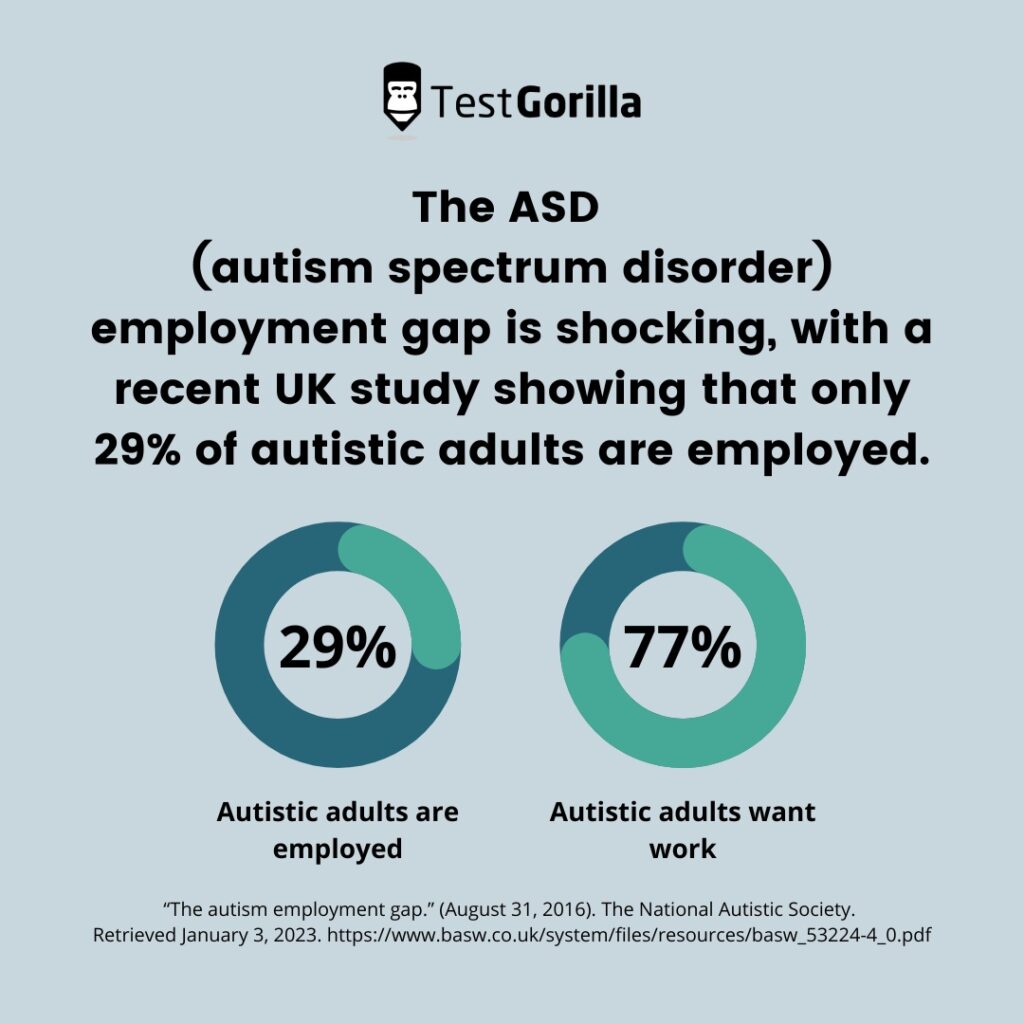
The result? Higher unemployment, mental health crises, and systemic exclusion.
We need more than vague recognition.
We need our differences — our neurological differences — to be seen as a legally protected identity, just as racial, religious, or cultural minorities are.
This includes:
• Clear inclusion of neurodivergence in the Equality Act — not just as a disability, but as a category deserving specific protection
• Stronger requirements for public services, schools, employers, and housing providers to provide tailored, educated support
• Legal recognition that neurodivergence is a cultural identity, with distinct ways of communicating, thinking, and engaging with the world — and that failing to support it is a form of systemic discrimination
We are not asking for special treatment. We are asking for fairness — the same legal clarity, enforcement, and cultural respect already granted to other protected communities.
What is at stake?
Without explicit and enforceable protections, neurodivergent people continue to fall through the cracks.
Yes, we are technically covered under disability law — but in practice, this is vague, inconsistent, and misunderstood. It fails to protect us from everyday harm, prejudice, or systemic barriers.
Many face discrimination with no accountability. Accommodations are denied, needs are ignored, and misunderstandings are treated as personal failures — not structural issues.
Until our needs are written into law with real clarity and force, we will continue to suffer silently, excluded by a society that claims to be inclusive.
Why now?
We are not a small group.
1 in 7 people in the UK is neurodivergent.
More are being diagnosed every year.
More of us are speaking out.
The public is listening — but the law isn’t changing fast enough.
We can’t afford to wait another generation.
Now is the time to act — to write legal protections that truly reflect how we live, how we think, and how we need to be supported.
Please sign this petition to demand better, clearer, and stronger protections for neurodivergent people in the UK.
We deserve the same enforceable rights, recognition, and cultural dignity as any other protected community.
Thank you

1,792
The Issue
Hello,
My name is Louise, and I’m a 48-year-old autistic woman diagnosed later in life.
Living for decades without the support, understanding, or protections I needed has shown me how urgently our laws need to change — not just in name, but in how they work for people like me.
Although neurodivergence (such as autism, ADHD, dyslexia, and others) falls under the legal definition of disability in the UK, this alone has not been enough. The laws are too vague, inconsistently applied, and often ignored — meaning millions of neurodivergent people remain vulnerable, unsupported, and unprotected in real life.
We face barriers every day: in accessing education, keeping jobs, receiving fair healthcare, or simply being understood by the systems meant to serve us.
We are often dismissed, misunderstood, or told to “just cope.”
The result? Higher unemployment, mental health crises, and systemic exclusion.
We need more than vague recognition.
We need our differences — our neurological differences — to be seen as a legally protected identity, just as racial, religious, or cultural minorities are.
This includes:
• Clear inclusion of neurodivergence in the Equality Act — not just as a disability, but as a category deserving specific protection
• Stronger requirements for public services, schools, employers, and housing providers to provide tailored, educated support
• Legal recognition that neurodivergence is a cultural identity, with distinct ways of communicating, thinking, and engaging with the world — and that failing to support it is a form of systemic discrimination
We are not asking for special treatment. We are asking for fairness — the same legal clarity, enforcement, and cultural respect already granted to other protected communities.
What is at stake?
Without explicit and enforceable protections, neurodivergent people continue to fall through the cracks.
Yes, we are technically covered under disability law — but in practice, this is vague, inconsistent, and misunderstood. It fails to protect us from everyday harm, prejudice, or systemic barriers.
Many face discrimination with no accountability. Accommodations are denied, needs are ignored, and misunderstandings are treated as personal failures — not structural issues.
Until our needs are written into law with real clarity and force, we will continue to suffer silently, excluded by a society that claims to be inclusive.
Why now?
We are not a small group.
1 in 7 people in the UK is neurodivergent.
More are being diagnosed every year.
More of us are speaking out.
The public is listening — but the law isn’t changing fast enough.
We can’t afford to wait another generation.
Now is the time to act — to write legal protections that truly reflect how we live, how we think, and how we need to be supported.
Please sign this petition to demand better, clearer, and stronger protections for neurodivergent people in the UK.
We deserve the same enforceable rights, recognition, and cultural dignity as any other protected community.
Thank you
1,792
The Decision Makers

Supporter Voices
Petition Updates
Share this petition
Petition created on 2 June 2025