
Protect Nepal's Natural Heritage, Sacred Sites, and Environment from Uncontrolled Tourism
The Issue
Petition to:
- Government of Nepal
- Government of India
- UNESCO
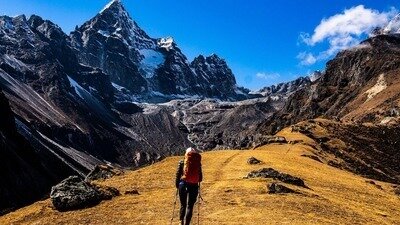
Nepal is one of the world's most extraordinary countries. Despite being a developing nation, Nepal is home to breathtaking Himalayan landscapes, ancient cultural heritage, sacred religious sites, and ten UNESCO World Heritage Sites that belong not only to Nepal, but to humanity.
For generations, Nepal and India have shared a unique open-border relationship built on friendship, history, religion, and family ties. This relationship is valuable and must continue.
However, in recent years, many communities across Nepal have become increasingly concerned about the environmental and cultural impact of rapidly growing tourist traffic entering Nepal by road.
Across social media, local news reports, and eyewitness accounts, citizens have documented recurring problems including:
- Littering in mountain regions, forests, rivers, roadsides, and trekking areas.
- Disposal of plastic waste in environmentally sensitive locations.
- Washing, bathing, and cleaning with detergents and chemical products in natural rivers and streams.
- Reports of public urination and open defecation near roadsides, riverbanks, forests, and natural water sources.
- Improper waste disposal near religious and cultural heritage sites.
- Public sanitation issues around temples, shrines, and sacred water sources.
- Traffic disruption caused by large roadside gatherings and cooking activities.
Tourism is vital for Nepal and welcomed by Nepalis. Visitors from India, and from all countries, have long been an important part of Nepal's economy and cultural exchange.
The concern is unmanaged tourism and environmentally destructive behavior, regardless of who engages in it.
Nepal is a small country with limited infrastructure and environmental management capacity. When visitor numbers grow faster than local authorities can manage, the result is visible damage to rivers, forests, mountain ecosystems, roads, and cultural landmarks.
Many local communities report feeling powerless as they watch waste accumulate in areas that were once pristine.
This issue is particularly urgent because Nepal safeguards:
- 10 UNESCO World Heritage Sites.
- Fragile Himalayan ecosystems.
- Sacred rivers and pilgrimage routes.
- Historic temples and cultural treasures.
- Some of the world's most important mountain landscapes.
We call upon the Government of Nepal to:
- Strengthen anti-littering enforcement and penalties.
- Increase environmental patrols at major tourist corridors.
- Expand waste collection infrastructure in high-traffic areas.
- Regulate large-scale bus tourism where local infrastructure is overwhelmed.
- Protect rivers, forests, trekking routes, and heritage zones through stricter environmental management.
We call upon the Government of India to:
- Launch public awareness campaigns for citizens traveling to Nepal.
- Promote responsible tourism and environmental stewardship.
- Educate travelers on respecting local culture, heritage sites, and environmental regulations.
We call upon UNESCO to:
- Monitor environmental threats affecting Nepal's World Heritage Sites.
- Encourage stronger conservation measures.
- Support Nepal in protecting vulnerable cultural and natural assets from tourism-related degradation.
This petition is not against any nationality, religion, or community.
It is a call for responsible tourism, environmental protection, and respect for Nepal's cultural and natural heritage.
Future generations deserve to inherit the same clean rivers, sacred sites, mountains, forests, and landscapes that have inspired people for centuries.
Please sign this petition and help protect Nepal before the damage becomes irreversible.
Together, we can ensure that tourism benefits Nepal without destroying the very beauty that attracts visitors in the first place.

53
The Issue
Petition to:
- Government of Nepal
- Government of India
- UNESCO
Nepal is one of the world's most extraordinary countries. Despite being a developing nation, Nepal is home to breathtaking Himalayan landscapes, ancient cultural heritage, sacred religious sites, and ten UNESCO World Heritage Sites that belong not only to Nepal, but to humanity.
For generations, Nepal and India have shared a unique open-border relationship built on friendship, history, religion, and family ties. This relationship is valuable and must continue.
However, in recent years, many communities across Nepal have become increasingly concerned about the environmental and cultural impact of rapidly growing tourist traffic entering Nepal by road.
Across social media, local news reports, and eyewitness accounts, citizens have documented recurring problems including:
- Littering in mountain regions, forests, rivers, roadsides, and trekking areas.
- Disposal of plastic waste in environmentally sensitive locations.
- Washing, bathing, and cleaning with detergents and chemical products in natural rivers and streams.
- Reports of public urination and open defecation near roadsides, riverbanks, forests, and natural water sources.
- Improper waste disposal near religious and cultural heritage sites.
- Public sanitation issues around temples, shrines, and sacred water sources.
- Traffic disruption caused by large roadside gatherings and cooking activities.
Tourism is vital for Nepal and welcomed by Nepalis. Visitors from India, and from all countries, have long been an important part of Nepal's economy and cultural exchange.
The concern is unmanaged tourism and environmentally destructive behavior, regardless of who engages in it.
Nepal is a small country with limited infrastructure and environmental management capacity. When visitor numbers grow faster than local authorities can manage, the result is visible damage to rivers, forests, mountain ecosystems, roads, and cultural landmarks.
Many local communities report feeling powerless as they watch waste accumulate in areas that were once pristine.
This issue is particularly urgent because Nepal safeguards:
- 10 UNESCO World Heritage Sites.
- Fragile Himalayan ecosystems.
- Sacred rivers and pilgrimage routes.
- Historic temples and cultural treasures.
- Some of the world's most important mountain landscapes.
We call upon the Government of Nepal to:
- Strengthen anti-littering enforcement and penalties.
- Increase environmental patrols at major tourist corridors.
- Expand waste collection infrastructure in high-traffic areas.
- Regulate large-scale bus tourism where local infrastructure is overwhelmed.
- Protect rivers, forests, trekking routes, and heritage zones through stricter environmental management.
We call upon the Government of India to:
- Launch public awareness campaigns for citizens traveling to Nepal.
- Promote responsible tourism and environmental stewardship.
- Educate travelers on respecting local culture, heritage sites, and environmental regulations.
We call upon UNESCO to:
- Monitor environmental threats affecting Nepal's World Heritage Sites.
- Encourage stronger conservation measures.
- Support Nepal in protecting vulnerable cultural and natural assets from tourism-related degradation.
This petition is not against any nationality, religion, or community.
It is a call for responsible tourism, environmental protection, and respect for Nepal's cultural and natural heritage.
Future generations deserve to inherit the same clean rivers, sacred sites, mountains, forests, and landscapes that have inspired people for centuries.
Please sign this petition and help protect Nepal before the damage becomes irreversible.
Together, we can ensure that tourism benefits Nepal without destroying the very beauty that attracts visitors in the first place.
The Decision Makers

Petition Updates
Share this petition
Petition created on 10 June 2026