
Protect Nassau Groupers in Biscayne Bay
The Issue
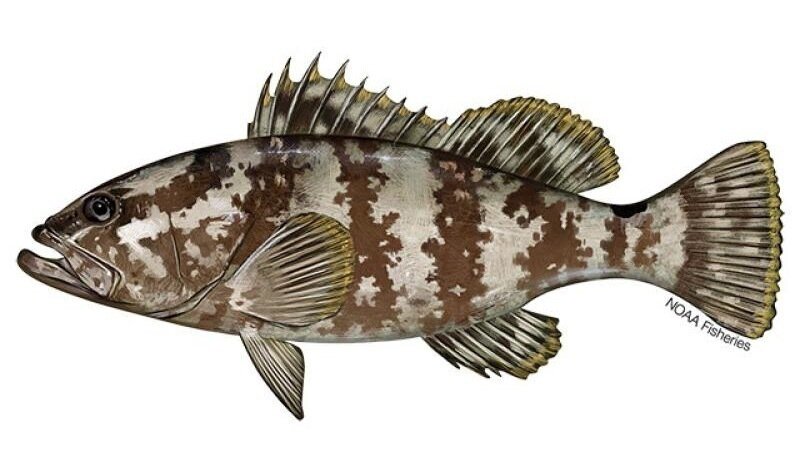
Nassau Groupers, an iconic species of the Biscayne Bay ecosystem in Coral Gables, FL, are under threat. These magnificent fish play a crucial role in maintaining the health and balance of the marine environment. However, due to overfishing and habitat degradation, their numbers have sharply declined, pushing them towards the brink of extinction.
Nassau Groupers are not just important ecologically; they hold significant cultural and economic value for the local communities. They attract divers and underwater photographers from all around the world, providing a sustainable source of income through eco-tourism. Yet, despite their importance, current protections are insufficient to ensure their survival and recovery.
One of the primary threats to Nassau Groupers is overfishing, particularly during their spawning aggregations, when they are most vulnerable. By establishing seasonal fishing bans during spawning periods and enforcing strict limits on catch sizes, we can significantly reduce the pressures these fish face.
Another critical step is to protect their natural habitats. This includes restoring coral reefs and seagrass beds, which are essential for their spawning and juvenile development. Investment in habitat restoration is an investment in the future health of Biscayne Bay's marine life.
Supporting local and national conservation efforts, funding research for monitoring grouper populations, and educating the public about the importance of these fish are essential. By raising awareness and working together, we can create a sustainable future for Nassau Groupers.
Please join us in urging local and national authorities to implement stronger protections for Nassau Groupers in Biscayne Bay. Together, we can make a significant difference and ensure that future generations can witness the beauty of these incredible creatures. Sign the petition to save the Nassau Groupers and preserve the biodiversity of our coastal waters.

86
The Issue
Nassau Groupers, an iconic species of the Biscayne Bay ecosystem in Coral Gables, FL, are under threat. These magnificent fish play a crucial role in maintaining the health and balance of the marine environment. However, due to overfishing and habitat degradation, their numbers have sharply declined, pushing them towards the brink of extinction.
Nassau Groupers are not just important ecologically; they hold significant cultural and economic value for the local communities. They attract divers and underwater photographers from all around the world, providing a sustainable source of income through eco-tourism. Yet, despite their importance, current protections are insufficient to ensure their survival and recovery.
One of the primary threats to Nassau Groupers is overfishing, particularly during their spawning aggregations, when they are most vulnerable. By establishing seasonal fishing bans during spawning periods and enforcing strict limits on catch sizes, we can significantly reduce the pressures these fish face.
Another critical step is to protect their natural habitats. This includes restoring coral reefs and seagrass beds, which are essential for their spawning and juvenile development. Investment in habitat restoration is an investment in the future health of Biscayne Bay's marine life.
Supporting local and national conservation efforts, funding research for monitoring grouper populations, and educating the public about the importance of these fish are essential. By raising awareness and working together, we can create a sustainable future for Nassau Groupers.
Please join us in urging local and national authorities to implement stronger protections for Nassau Groupers in Biscayne Bay. Together, we can make a significant difference and ensure that future generations can witness the beauty of these incredible creatures. Sign the petition to save the Nassau Groupers and preserve the biodiversity of our coastal waters.
The Decision Makers

Petition Updates
Share this petition
Petition created on May 19, 2025