

Protect Homonhon Island: A Call for Action
Protect Homonhon Island: A Call for Action
The Issue
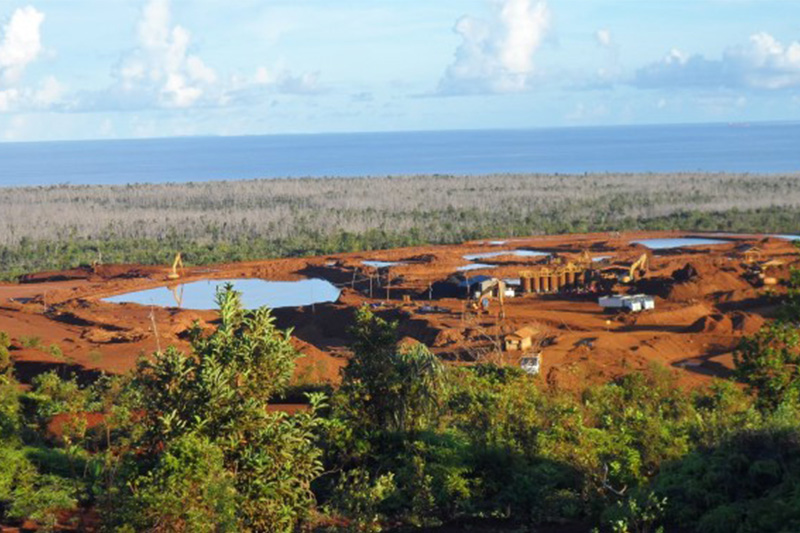
The residents of Homonhon Island in Guiuan, Eastern Samar are being deeply affected by nickel and chromite mining. These people rely on farming and fishing to support their families, but the mining operations have caused serious problems. In Barangay Bitaugan, known for its calamansi farms, farmers are experiencing big losses. Dust from mining covers the plants, making it hard for flowers to bloom and fruits to grow. One farmer explained that even if the mining is far away, the dust still reaches their crops and damages them (GMA News, 2023). Many people also say they were not asked for their permission before the mining started. Some are given low-paying jobs, but their health and environment continue to suffer.
If mining continues, the damage to Homonhon Island could become permanent. A study from ScienceDirect (2023) showed that mining in Eastern Samar has caused deforestation, dirty water, and the loss of animal habitats. Homonhon is not just an ordinary island. It is a place with important historical value because it was the first island where Ferdinand Magellan landed in 1521. If mining is not stopped, the people may lose their farms and fishing areas, and the country may lose a part of its history and culture. The natural beauty and rich environment of Homonhon may be gone forever.
Now is the time to protect Homonhon Island before more damage is done. Every day that mining continues, more trees are lost, more water becomes polluted, and more lives are affected. The residents have already started protesting and asking for help (GMA News, 2023). The government needs to listen to them. Mining operations should be stopped, and a full investigation must be done to understand the real effects on the island. Homonhon should be protected as both a natural and historical site. Instead of mining, the community can benefit from eco-tourism, clean farming, and marine conservation. Homonhon Island and its people deserve a better future.

43
The Issue
The residents of Homonhon Island in Guiuan, Eastern Samar are being deeply affected by nickel and chromite mining. These people rely on farming and fishing to support their families, but the mining operations have caused serious problems. In Barangay Bitaugan, known for its calamansi farms, farmers are experiencing big losses. Dust from mining covers the plants, making it hard for flowers to bloom and fruits to grow. One farmer explained that even if the mining is far away, the dust still reaches their crops and damages them (GMA News, 2023). Many people also say they were not asked for their permission before the mining started. Some are given low-paying jobs, but their health and environment continue to suffer.
If mining continues, the damage to Homonhon Island could become permanent. A study from ScienceDirect (2023) showed that mining in Eastern Samar has caused deforestation, dirty water, and the loss of animal habitats. Homonhon is not just an ordinary island. It is a place with important historical value because it was the first island where Ferdinand Magellan landed in 1521. If mining is not stopped, the people may lose their farms and fishing areas, and the country may lose a part of its history and culture. The natural beauty and rich environment of Homonhon may be gone forever.
Now is the time to protect Homonhon Island before more damage is done. Every day that mining continues, more trees are lost, more water becomes polluted, and more lives are affected. The residents have already started protesting and asking for help (GMA News, 2023). The government needs to listen to them. Mining operations should be stopped, and a full investigation must be done to understand the real effects on the island. Homonhon should be protected as both a natural and historical site. Instead of mining, the community can benefit from eco-tourism, clean farming, and marine conservation. Homonhon Island and its people deserve a better future.
43
Petition Updates
Share this petition
Petition created on April 13, 2025