

Protect Filipino Youth with Proper Sexual Education — Call on DepEd to Take Action
The Issue
Sex-Ed in the Philippines
The Problem :
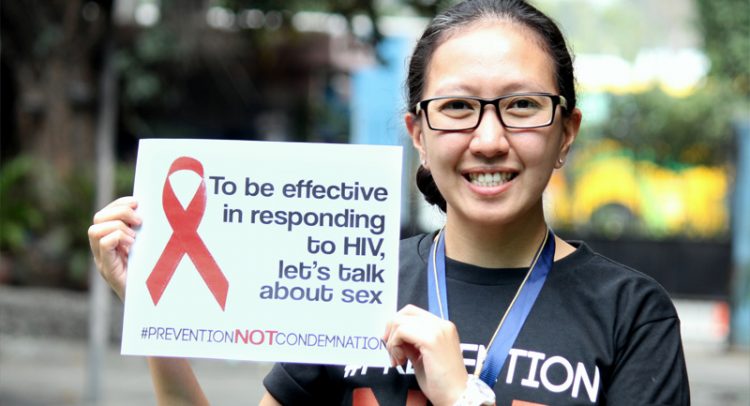
Comprehensive Sex Education is the key to breaking the cycle of misinformation and dangerous behaviors. All people will be properly empowered with the whole truth so they are safer, with fewer unwanted pregnancies, and well-informed to make responsible choices to make a better health future.
Recognizing a well-rounded sexuality would benefit students by increasing their awareness and decision-making. One of the specialties of this curriculum is teacher training on how to efficiently present students with information about sex education, including sensitive topics like gender, culture, and inclusivity. Teachers who have been trained will provide students with accurate information and allow students to ask questions freely, fostering a lively discussion about the subject. This includes promoting inclusivity for all students, including LGBTQ+, by discussing various sexual orientations and relationships.
This will provide a broader understanding, lessen one's own shame, and create a setting in which education is accepted without judgment. Parents are also taken into account; informal discussions and seminars connect their understanding to CSE, to encourage open communication in the home. It is also beneficial for parents to be knowledgeable because they guide their children.
Who is Affected?:
Below here it shows the lists of the individuals that are impacted by not having a comprehensive sex education and also the individuals that will benefit from implementing comprehensive benefits.
Lack of sex education impacts a wide range of individuals. These individuals are:
- Students: Lack of sex education leaves students uninformed about safe sexual practices, consent, and reproductive health, increasing the risk of unintended pregnancies and STIs.
- Parents are often forced to step in to educate their children about sex particularly, reproduction, consent, healthy relationships, STIs, contraception, and others. However, many parents lack the resources or guidance to provide accurate and complete information.
- Educators are often left without direction or even adequate preparation in teaching sensitive but very pertinent topics such as sexual orientation, consent, contraception, and reproductive health without an organized CSE curriculum. Ultimately, many end up relying on outdated, incomplete, or culturally insensitive materials that do not at all help present the complexities of the issues.
- Communities with the challenges of increased teen pregnancies and health inequalities, because such programs are lacking, thus leading to cycles of poverty and adverse health outcomes.
- Health Professionals will be subjected to greater demands for emergency services on health, ranging from STI treatment and unwanted pregnancies to unsafe abortions due to a gap in early sexual education.
Implementation of Comprehensive Sex Education benefits a wide range of individuals. These individuals are:
-
Students: They are able to learn more about their bodies, and relationships, and help them to make informed decisions and develop healthy and protected attitudes towards sex.
-
Parents: Parents will be able to engage in discussions about sexuality with their children, enhancing open communication and trust in parent-child relationships.
-
Communities: Sex education can reduce the risks of Sexually Transmitted Infections (STIs), such as HIV/AIDS, Syphilis, Chlamydia, and unintended pregnancies, benefiting overall public health and societal stability.
-
Educators: Implementing sex education for educators offers numerous benefits, including equipping teachers with the knowledge and skills to address sensitive topics confidently, fostering a safe and supportive learning environment, and reducing misinformation among students.
-
Health Professionals: Improved sexual education leads to better health outcomes as individuals are more likely to seek medical advice and preventive care.
What are the Stakes? :
Sex education is crucial for public health, reducing Sexually Transmitted Infections (STIs) and unintended pregnancies, and preventing sexual abuse by teaching consent and healthy relationships. It promotes gender equality, empowers informed decisions, supports mental well-being, and helps balance scientific information with cultural values. Economically, it mitigates healthcare costs and improves future opportunities. Ultimately, sex education impacts individual health, safety, and societal well-being.
Each year, around 21 million girls aged 15–19 in developing regions become pregnant, with 12 million giving birth. The global adolescent birth rate (ABR) has declined from 64.5 per 1,000 in 2000 to 41.3 in 2023. In low- and middle-income countries (LMICs), 50% of the 21 million pregnancies in 2019 were unintended, and 55% of these ended in unsafe abortions. Adolescent mothers face higher health risks, and their babies have a greater risk of low birth weight and preterm birth.
Preventing adolescent pregnancies is crucial for achieving positive health outcomes and meeting maternal and newborn health Sustainable Development Goals (SDGs).
Why now? :
Catholicism and Catholic schools ought to teach CSE because it reflects the Church’s spirit, message of human worth and stewardship, and fruitful concern. Giving sex education to students also does not condone the unchristian like promiscuity and fornication. Still, it enriches it by offering the knowledge that will enable the students to practice chastity and abstinence as taught by the Catholic doctrine.
In the document Humanae Vitae, responsible parenthood is defined as the act of educating people to become conscious beings about their bodies. This is important because the teenage pregnancy rate in the Philippines is one of the highest in Southeast Asia, and HIV cases have increased by 237% from 2010 to 2019. In providing Amoris Laetitia, the Church recognizes real-life concerns such as employment of sexual education programs while urging faithful to foster youth’s responsible decisions (AL 280).
Including sex education within Catholic beliefs will not only encourage abstinence but also shield our young generation from unintended pregnancy and STIs which the Church’s mission and vision is to prevent.
Action Plan:
Mandate comprehensive, science-based, and inclusive sexual education across Philippine schools to empower students with knowledge and protect their well-being.
- Raise Awareness and Build Support
- Form a Coalition: Work with educators, parents, and advocates.
- Launch a Campaign: Use social media and petitions to promote the benefits of CSE.
- Consult Communities: Gather support through meetings with local stakeholders.
- Engage Policymakers
- Lobby Government Officials: Engage with DepEd, lawmakers, and local government units (LGUs) to push for the adoption of CSE.
- Present Evidence: Share research on the positive impact of CSE in improving health outcomes and preventing teen pregnancies.
- Draft a Policy Proposal: Collaborate with experts to propose legislation for mandatory CSE in all schools.
- Curriculum Development and Teacher Training
- Form an Advisory Committee: Ensure inclusivity and cultural sensitivity in the curriculum.
- Create a Pilot Program: Test CSE in select regions and gather feedback.
- Train Teachers: Equip educators with proper training to deliver the curriculum effectively.
- Legal and Policy Advocacy
- Push for a CSE Bill: Work with legislators to sponsor and file a bill mandating CSE in schools.
- Media and Public Support: Use media to amplify the cause and build public pressure for legislative action.
- Monitor and Improve
- Gather Feedback: Regularly assess the effectiveness of CSE in schools and make adjustments as needed.
- Evaluate Outcomes: Track metrics like reductions in teen pregnancy and improved student knowledge.
By implementing this action plan, we can ensure that Filipino students receive the sexual education they need to make informed, healthy choices.
#SexEdPhilippines2024 #EmpowerWithKnowledge #ProtectWithUnderstanding #LearnToProtect

531
The Issue
Sex-Ed in the Philippines
The Problem :
Comprehensive Sex Education is the key to breaking the cycle of misinformation and dangerous behaviors. All people will be properly empowered with the whole truth so they are safer, with fewer unwanted pregnancies, and well-informed to make responsible choices to make a better health future.
Recognizing a well-rounded sexuality would benefit students by increasing their awareness and decision-making. One of the specialties of this curriculum is teacher training on how to efficiently present students with information about sex education, including sensitive topics like gender, culture, and inclusivity. Teachers who have been trained will provide students with accurate information and allow students to ask questions freely, fostering a lively discussion about the subject. This includes promoting inclusivity for all students, including LGBTQ+, by discussing various sexual orientations and relationships.
This will provide a broader understanding, lessen one's own shame, and create a setting in which education is accepted without judgment. Parents are also taken into account; informal discussions and seminars connect their understanding to CSE, to encourage open communication in the home. It is also beneficial for parents to be knowledgeable because they guide their children.
Who is Affected?:
Below here it shows the lists of the individuals that are impacted by not having a comprehensive sex education and also the individuals that will benefit from implementing comprehensive benefits.
Lack of sex education impacts a wide range of individuals. These individuals are:
- Students: Lack of sex education leaves students uninformed about safe sexual practices, consent, and reproductive health, increasing the risk of unintended pregnancies and STIs.
- Parents are often forced to step in to educate their children about sex particularly, reproduction, consent, healthy relationships, STIs, contraception, and others. However, many parents lack the resources or guidance to provide accurate and complete information.
- Educators are often left without direction or even adequate preparation in teaching sensitive but very pertinent topics such as sexual orientation, consent, contraception, and reproductive health without an organized CSE curriculum. Ultimately, many end up relying on outdated, incomplete, or culturally insensitive materials that do not at all help present the complexities of the issues.
- Communities with the challenges of increased teen pregnancies and health inequalities, because such programs are lacking, thus leading to cycles of poverty and adverse health outcomes.
- Health Professionals will be subjected to greater demands for emergency services on health, ranging from STI treatment and unwanted pregnancies to unsafe abortions due to a gap in early sexual education.
Implementation of Comprehensive Sex Education benefits a wide range of individuals. These individuals are:
-
Students: They are able to learn more about their bodies, and relationships, and help them to make informed decisions and develop healthy and protected attitudes towards sex.
-
Parents: Parents will be able to engage in discussions about sexuality with their children, enhancing open communication and trust in parent-child relationships.
-
Communities: Sex education can reduce the risks of Sexually Transmitted Infections (STIs), such as HIV/AIDS, Syphilis, Chlamydia, and unintended pregnancies, benefiting overall public health and societal stability.
-
Educators: Implementing sex education for educators offers numerous benefits, including equipping teachers with the knowledge and skills to address sensitive topics confidently, fostering a safe and supportive learning environment, and reducing misinformation among students.
-
Health Professionals: Improved sexual education leads to better health outcomes as individuals are more likely to seek medical advice and preventive care.
What are the Stakes? :
Sex education is crucial for public health, reducing Sexually Transmitted Infections (STIs) and unintended pregnancies, and preventing sexual abuse by teaching consent and healthy relationships. It promotes gender equality, empowers informed decisions, supports mental well-being, and helps balance scientific information with cultural values. Economically, it mitigates healthcare costs and improves future opportunities. Ultimately, sex education impacts individual health, safety, and societal well-being.
Each year, around 21 million girls aged 15–19 in developing regions become pregnant, with 12 million giving birth. The global adolescent birth rate (ABR) has declined from 64.5 per 1,000 in 2000 to 41.3 in 2023. In low- and middle-income countries (LMICs), 50% of the 21 million pregnancies in 2019 were unintended, and 55% of these ended in unsafe abortions. Adolescent mothers face higher health risks, and their babies have a greater risk of low birth weight and preterm birth.
Preventing adolescent pregnancies is crucial for achieving positive health outcomes and meeting maternal and newborn health Sustainable Development Goals (SDGs).
Why now? :
Catholicism and Catholic schools ought to teach CSE because it reflects the Church’s spirit, message of human worth and stewardship, and fruitful concern. Giving sex education to students also does not condone the unchristian like promiscuity and fornication. Still, it enriches it by offering the knowledge that will enable the students to practice chastity and abstinence as taught by the Catholic doctrine.
In the document Humanae Vitae, responsible parenthood is defined as the act of educating people to become conscious beings about their bodies. This is important because the teenage pregnancy rate in the Philippines is one of the highest in Southeast Asia, and HIV cases have increased by 237% from 2010 to 2019. In providing Amoris Laetitia, the Church recognizes real-life concerns such as employment of sexual education programs while urging faithful to foster youth’s responsible decisions (AL 280).
Including sex education within Catholic beliefs will not only encourage abstinence but also shield our young generation from unintended pregnancy and STIs which the Church’s mission and vision is to prevent.
Action Plan:
Mandate comprehensive, science-based, and inclusive sexual education across Philippine schools to empower students with knowledge and protect their well-being.
- Raise Awareness and Build Support
- Form a Coalition: Work with educators, parents, and advocates.
- Launch a Campaign: Use social media and petitions to promote the benefits of CSE.
- Consult Communities: Gather support through meetings with local stakeholders.
- Engage Policymakers
- Lobby Government Officials: Engage with DepEd, lawmakers, and local government units (LGUs) to push for the adoption of CSE.
- Present Evidence: Share research on the positive impact of CSE in improving health outcomes and preventing teen pregnancies.
- Draft a Policy Proposal: Collaborate with experts to propose legislation for mandatory CSE in all schools.
- Curriculum Development and Teacher Training
- Form an Advisory Committee: Ensure inclusivity and cultural sensitivity in the curriculum.
- Create a Pilot Program: Test CSE in select regions and gather feedback.
- Train Teachers: Equip educators with proper training to deliver the curriculum effectively.
- Legal and Policy Advocacy
- Push for a CSE Bill: Work with legislators to sponsor and file a bill mandating CSE in schools.
- Media and Public Support: Use media to amplify the cause and build public pressure for legislative action.
- Monitor and Improve
- Gather Feedback: Regularly assess the effectiveness of CSE in schools and make adjustments as needed.
- Evaluate Outcomes: Track metrics like reductions in teen pregnancy and improved student knowledge.
By implementing this action plan, we can ensure that Filipino students receive the sexual education they need to make informed, healthy choices.
#SexEdPhilippines2024 #EmpowerWithKnowledge #ProtectWithUnderstanding #LearnToProtect

Petition Updates
Share this petition
Petition created on October 14, 2024