Protect Ancient Christian Community

Protect Ancient Christian Community
The Issue
To: Rabbi Doran Perez, President, World Zionist Organisation, The National Institutions Building, 48 King George Street, Jerusalem, Israel
Dear Mr President,
We, the undersigned, respectfully request your assistance in reversing the permission given by the Security Cabinet for a settlement at Beit Sahour, an area known as 'The Shepherds Field’, where Christians believe the Angel Gabriel proclaimed to shepherds the good news of the birth of Jesus Christ.
“And there were shepherds living out in the fields nearby, keeping watch over their flocks at night. An angel of the Lord appeared to them, and the glory of the Lord shone around them, and they were terrified.” Luke 2:8-12
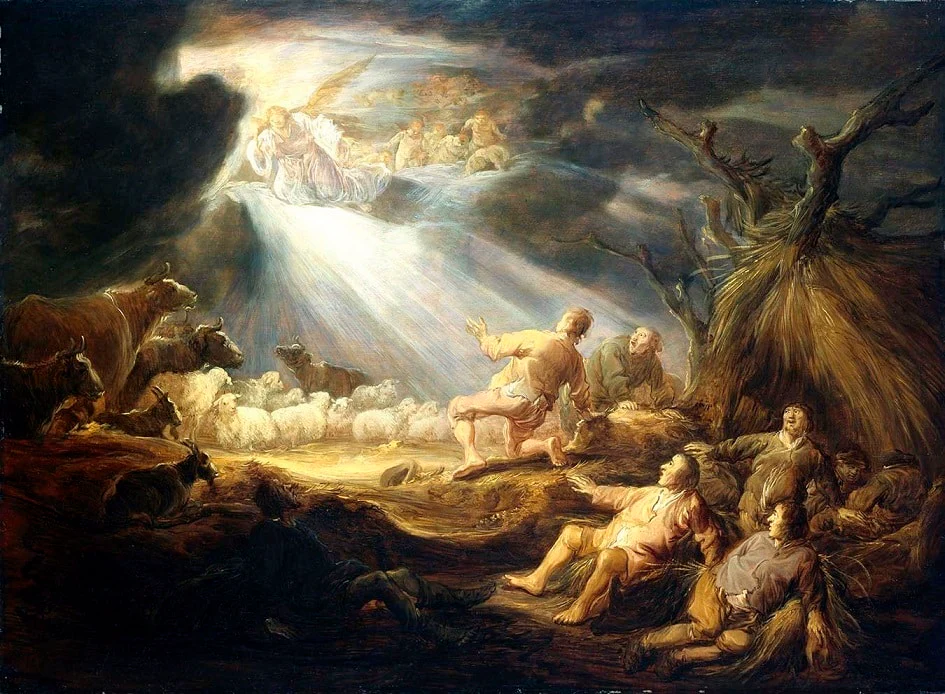
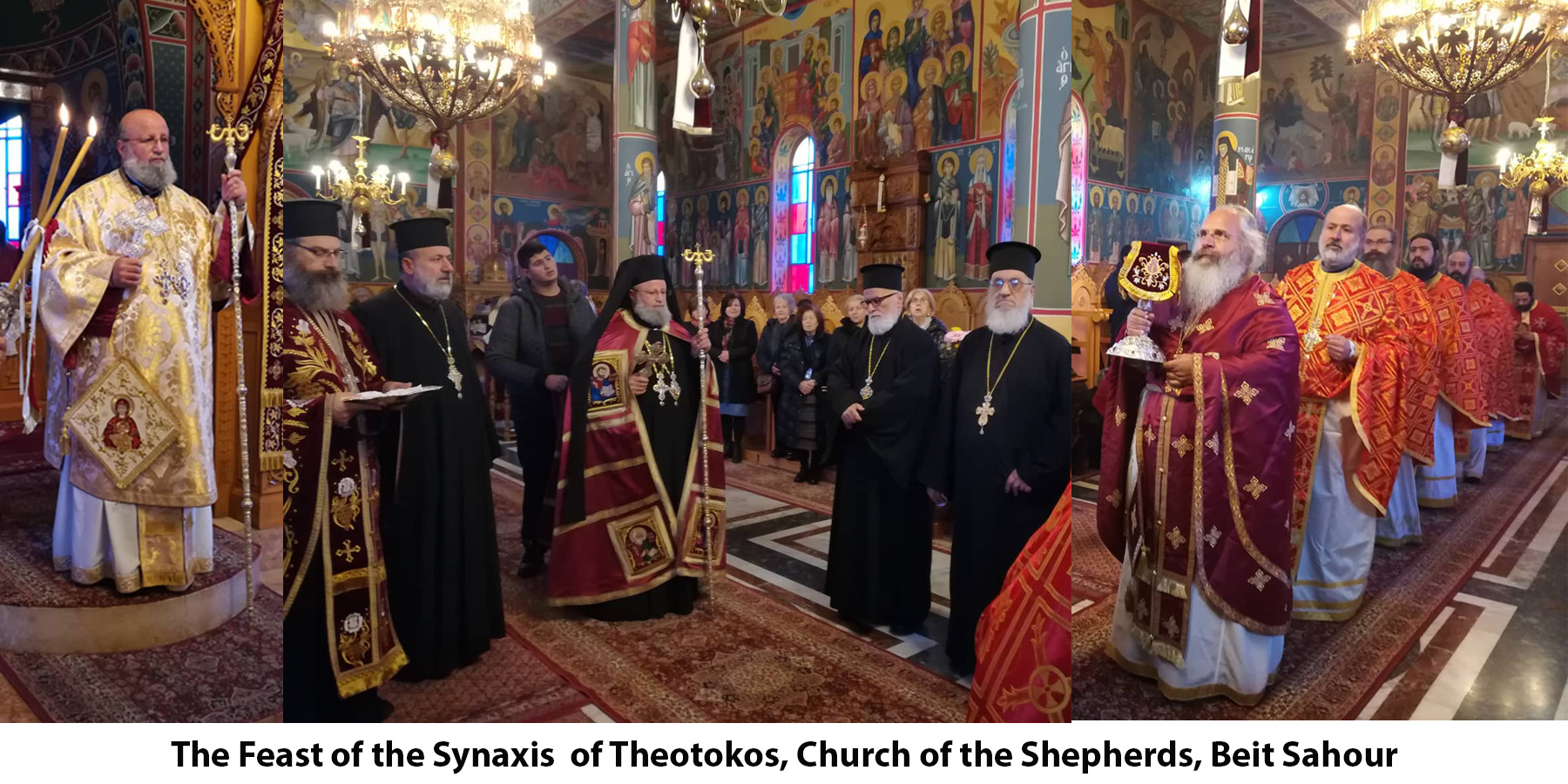
Situated beside the town of Bethlehem, Beit Sahour is home to one of the largest and most significant Christian communities in the West Bank. 11,000 Christians live surrounded by nine churches, four monasteries, and an ancient underground cave-church built by St. Helena, mother of Emperor Constantine, in the 4th century AD.
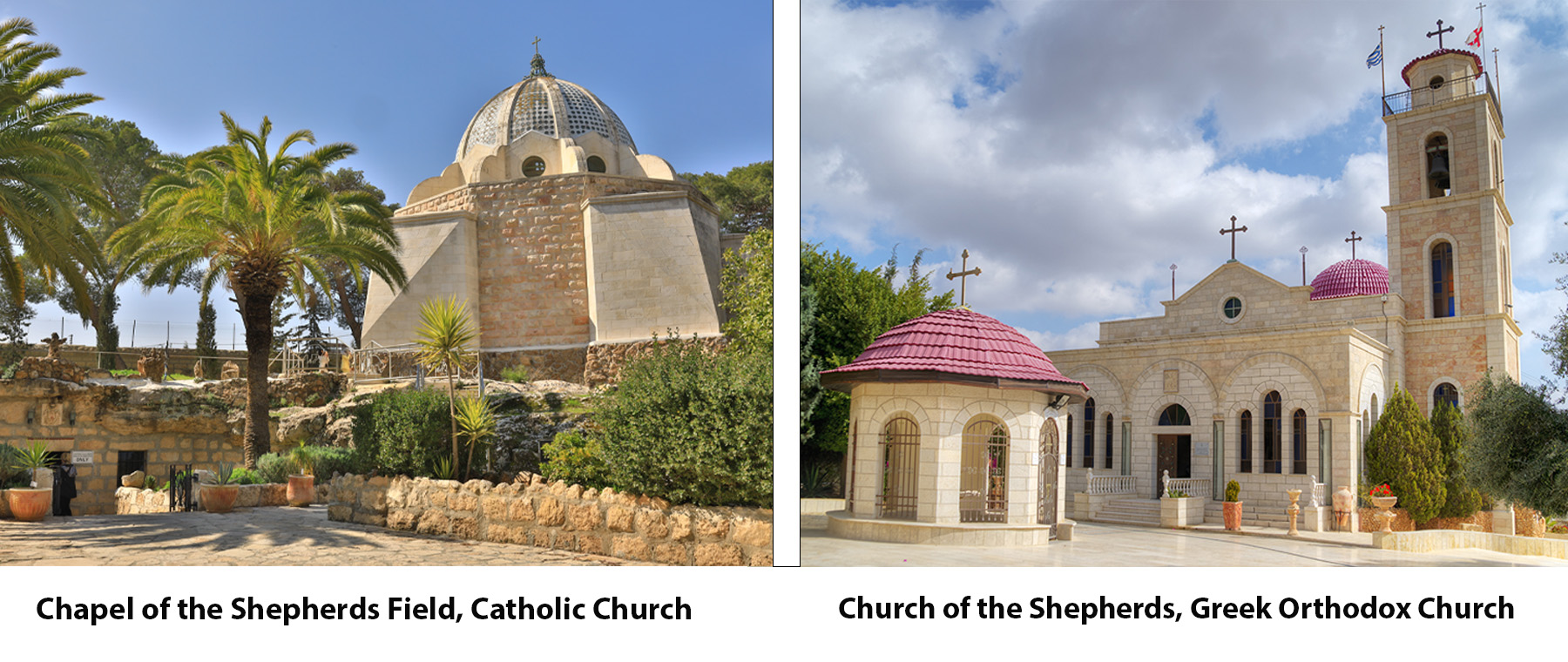
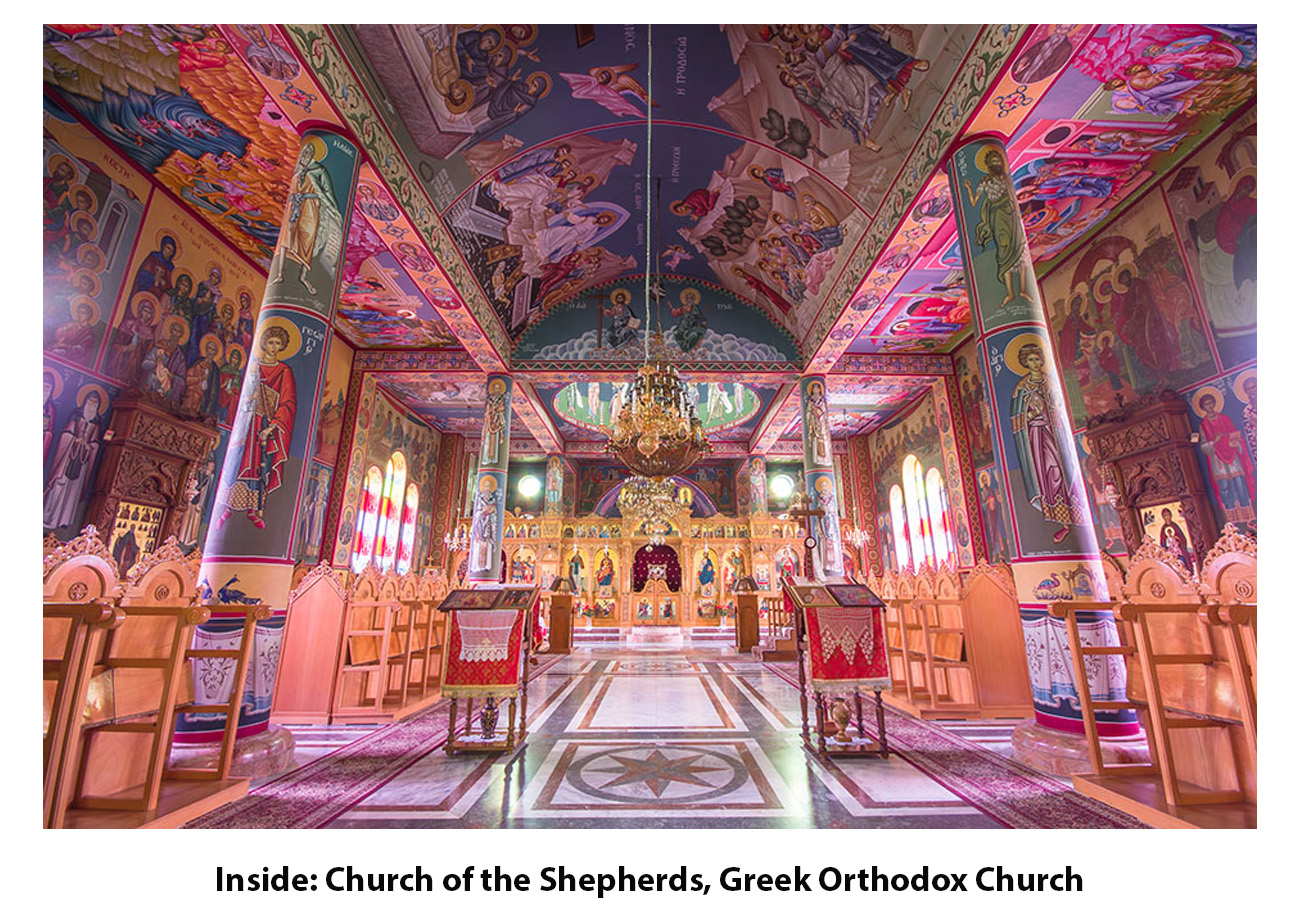
The church denominations are Greek Orthodox, Greek Catholic, Latin Patriarchate, and Lutheran. The Catholic and Greek Orthodox churches featured below were built on the very spot the Angel Gabriel visited the shepherds by night.
Last November settlers arrived on The Shepherds Field in caravans. One month later permission was granted for a settlement named ‘Yatziv’, a Hebrew word meaning stable, firm and secure. By contrast, this settlement foreshadows insecurity, harm and danger for the Christians of Beit Sahour. Every day, videos of settlers attacking families, cars, crops and buildings populate social media. Settler attacks rose in 2025 to five per day. In January gun licenses were granted to the new settlements. This is particularly frightening as settlers have immunity from prosecution.
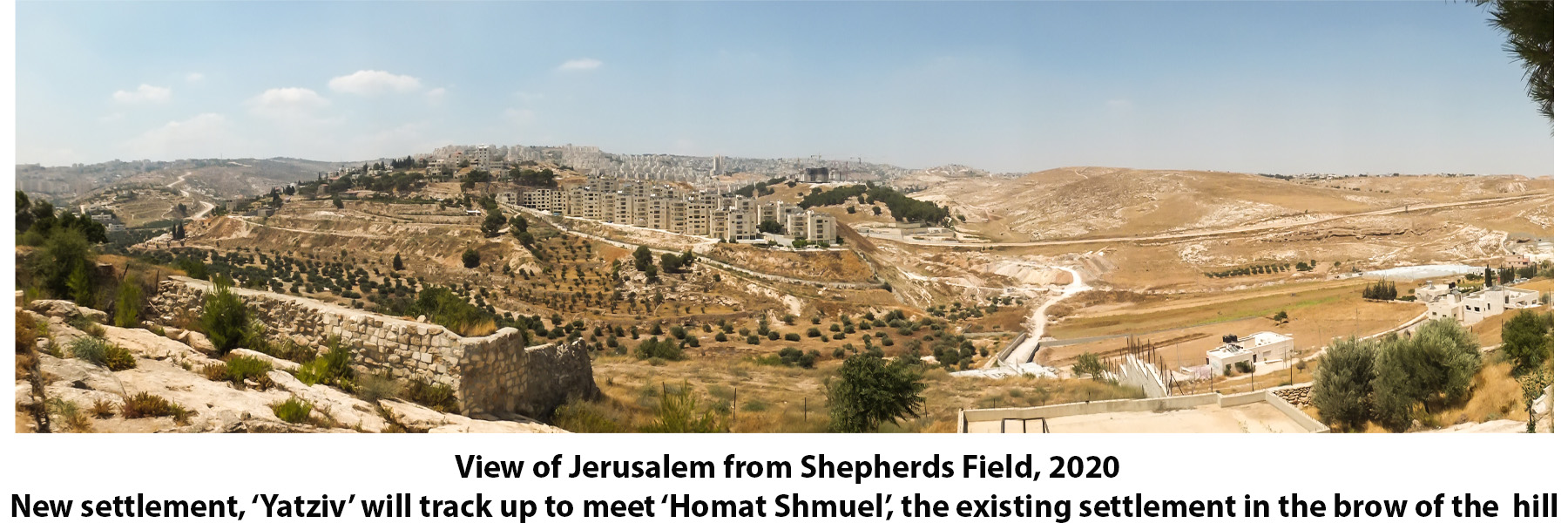
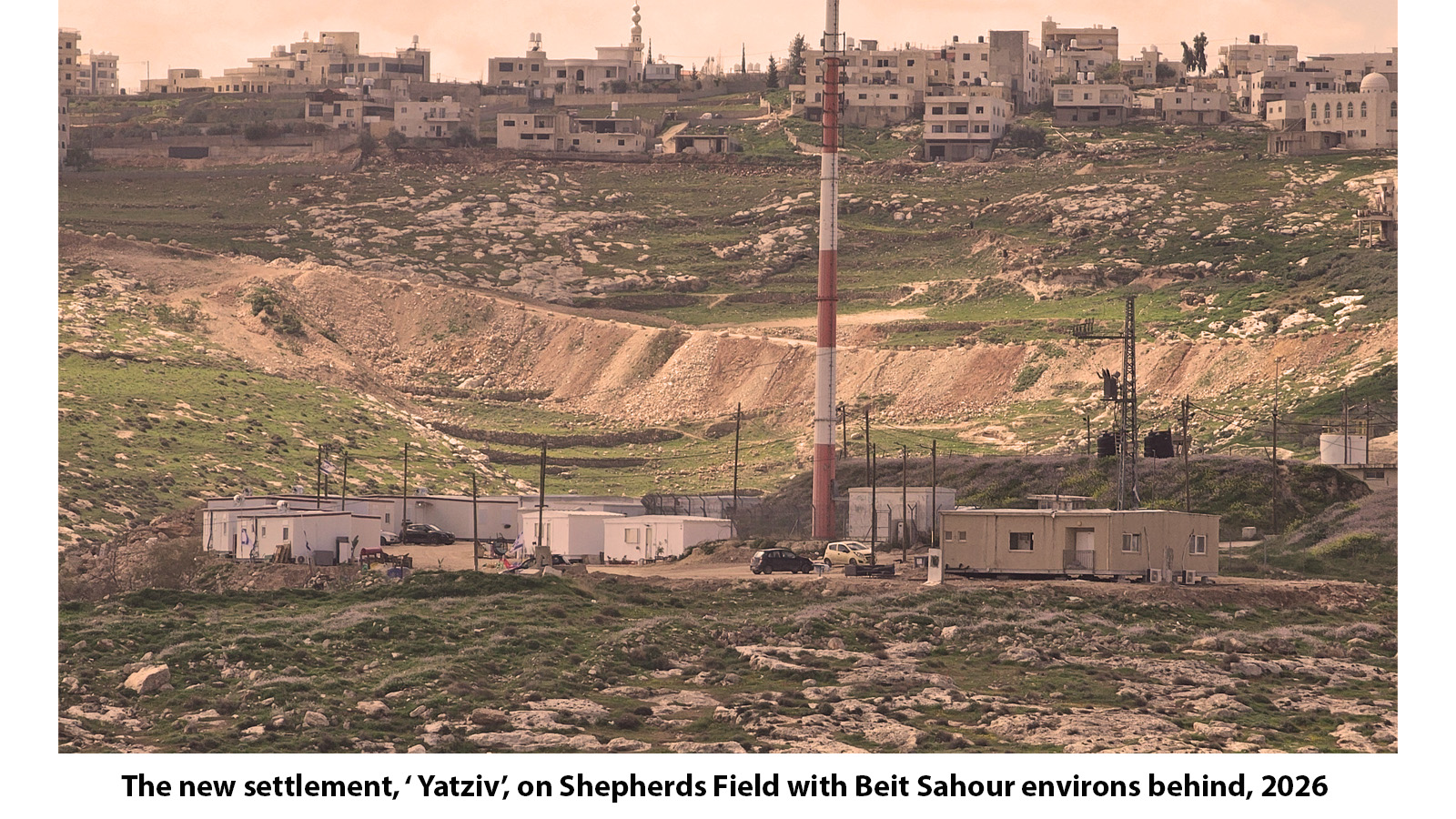
The terror of Beit Sahour’s Christians is well-founded. They need only look north to Taybeh, a fully Christian village 10 miles from Jerusalem, to comprehend what awaits. Referred to in John’s Gospel as ‘Ephraim’, Taybeh is regularly attacked by settlers intent on driving Christians from their homes. The ancient Church of St. George, 1,600 years old, was set on fire by settlers last July. Farmers’ fields are being taken. One young family slept as their car was set ablaze in the dead of night forcing them to flee their home for fear of suffocation, only to be assaulted on the street outside.
Afraid for their lives, Christian families are leaving Taybeh. ‘We are a peaceful people. We don’t have weapons. We don’t cause trouble. But they want to frighten us. They want us to leave the land of Jesus,’ mourns Fr. Bashar Fawadleh, a local priest.
Taybeh is the village where Jesus retreated before His Passion, knowing he was unsafe after raising Lazarus from the dead:
“Therefore Jesus no longer moved about publicly among the people of Judea. Instead he withdrew to a region near the wilderness, to a village called Ephraim, where he stayed with his disciples.” John 11:54
Christians in the Holy Land once made up 11% of the population. They now number less than 1.2%. Despite this, Christians play a leading role in society and the economy, including running 93 schools, 77 cultural centres and 38 Youth and Scout centres. Christian hospitals and clinics treat over a quarter of a million patients annually. Although only a small minority, Christians play a disproportionate role in providing services to the wider community.
The flight of Christians from the Holy Land is a devastating loss for the local population. Moreover, it heralds the end of an uninterrupted Christian presence in the Holy Land since the birth of Jesus Christ. When churches stand empty, their priesthood and ancient rites abandoned; when Holy Places become museums instead of living stones that connect present-day worshippers to the very locus and spirit of Jesus Christ, what will happen to the Christians of the world? Where and how will they anchor their faith?
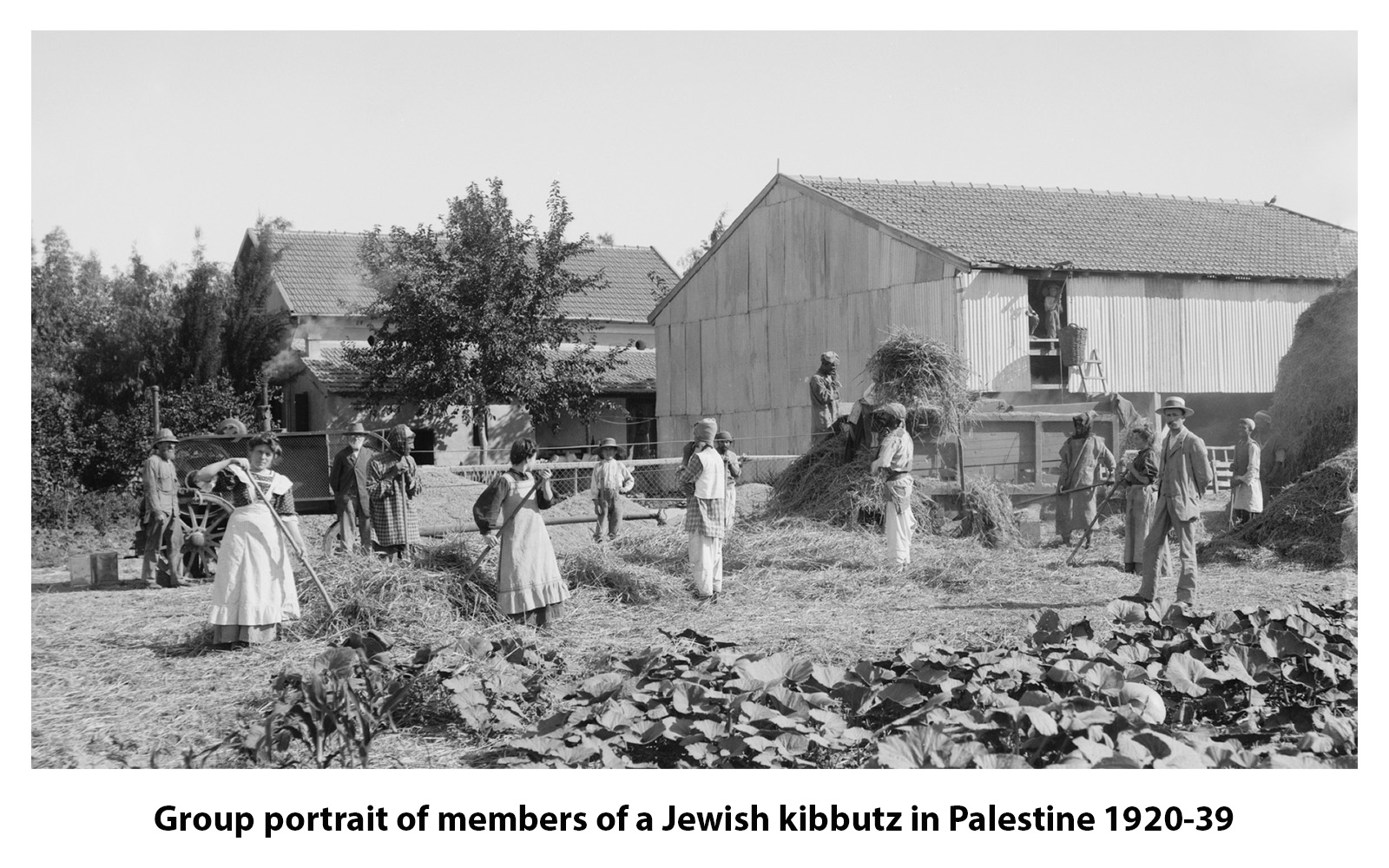
Zionism began as a great light to the world, its promise in conception to construct ‘an exemplary society with a unique moral and spiritual character… contributing to the betterment of the world’ inspired admiration in many. The socialist kibbutzim, the determination to survive horrific persecution, the drive towards progress, striving for excellence - Israel was revered.
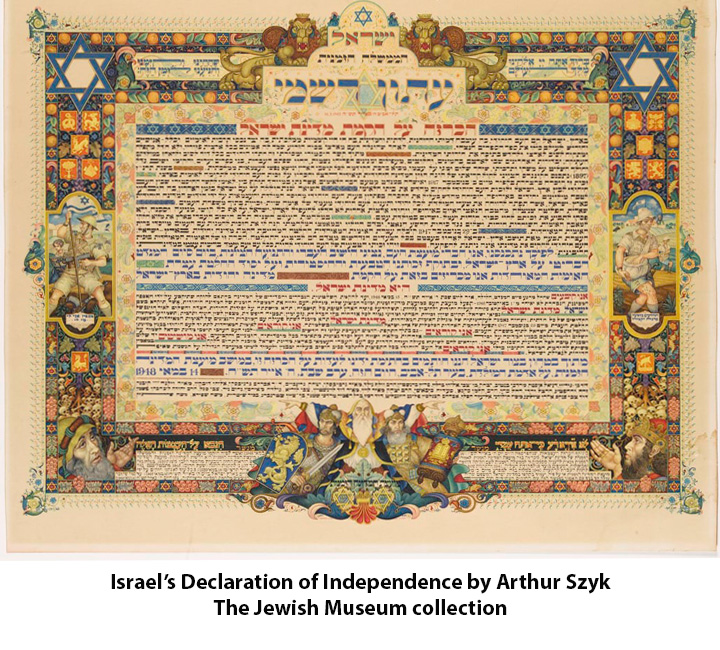
Its Declaration of Independence affirmed this, pledging to ‘foster the development of the country for the benefit of all its inhabitants; it will be based on freedom, justice and peace as envisaged by the prophets of Israel; it will ensure complete equality of social and political rights to all its inhabitants irrespective of religion, race or sex; it will guarantee freedom of religion, conscience, language, education and culture; it will safeguard the Holy Places of all religions; and it will be faithful to the principles of the Charter of the United Nations’.
David Lloyd George, Prime Minister of Britain when the Balfour Declaration transformed a vision of a Jewish Homeland into state policy; advocate and fierce defender of its sovereignty against recommendations for partition by The Peel Commission in 1937; legal advisor to Theodor Hertzl, the Founding Father of Zionism, during his early practice as a solicitor in London, Lloyd George marvelled at the achievements of the Zionist emigrés. But, as an Evangelical Baptist, he also recognised the significance of the land for other faiths, particularly Christians:
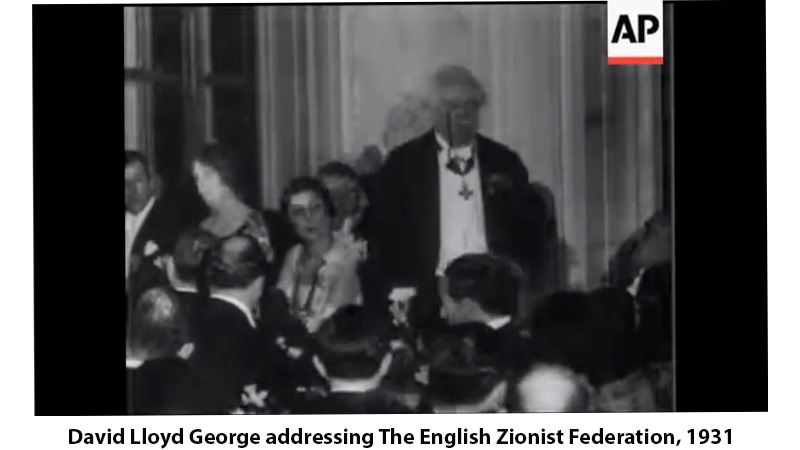
‘You will not be offended’ Lloyd George remarked at a gathering of The English Zionist Federation in Britain in 1931, ‘if I tell you that the names of these valleys and hills in Canaan are as sacred to the Gentile as they are even to the Jew.’
He went on, ‘There never has been any question of expropriation of the peoples or inhabitants of any other race or creed that have made Palestine their home and have an attachment not merely to its soil but also to its shrines. There has never been any question of injustice to Moslem or Christian. Their rights must be respected. Both Arabs and Christians have so far thriven owing to the success of the Zionist movement. And the greatest its success in the future, the more they must benefit. There is plenty of room in Palestine for a Jewish national home without rendering any of its present dwellers or their children homeless.’
With this in mind, we humbly ask you, Mr President Perez, to consider making an urgent appeal to the individuals and organisations represented by The World Zionist Organisation, urging them to act as advisors to those with the power to rescind permission for a settlement on The Shepherds Field. In an expression of generosity and a reaffirmation of the spirit and promise of Zionism please, in the Holy Name of God, protect these Christians from expulsion.

81
The Issue
To: Rabbi Doran Perez, President, World Zionist Organisation, The National Institutions Building, 48 King George Street, Jerusalem, Israel
Dear Mr President,
We, the undersigned, respectfully request your assistance in reversing the permission given by the Security Cabinet for a settlement at Beit Sahour, an area known as 'The Shepherds Field’, where Christians believe the Angel Gabriel proclaimed to shepherds the good news of the birth of Jesus Christ.
“And there were shepherds living out in the fields nearby, keeping watch over their flocks at night. An angel of the Lord appeared to them, and the glory of the Lord shone around them, and they were terrified.” Luke 2:8-12
Situated beside the town of Bethlehem, Beit Sahour is home to one of the largest and most significant Christian communities in the West Bank. 11,000 Christians live surrounded by nine churches, four monasteries, and an ancient underground cave-church built by St. Helena, mother of Emperor Constantine, in the 4th century AD.
The church denominations are Greek Orthodox, Greek Catholic, Latin Patriarchate, and Lutheran. The Catholic and Greek Orthodox churches featured below were built on the very spot the Angel Gabriel visited the shepherds by night.
Last November settlers arrived on The Shepherds Field in caravans. One month later permission was granted for a settlement named ‘Yatziv’, a Hebrew word meaning stable, firm and secure. By contrast, this settlement foreshadows insecurity, harm and danger for the Christians of Beit Sahour. Every day, videos of settlers attacking families, cars, crops and buildings populate social media. Settler attacks rose in 2025 to five per day. In January gun licenses were granted to the new settlements. This is particularly frightening as settlers have immunity from prosecution.
The terror of Beit Sahour’s Christians is well-founded. They need only look north to Taybeh, a fully Christian village 10 miles from Jerusalem, to comprehend what awaits. Referred to in John’s Gospel as ‘Ephraim’, Taybeh is regularly attacked by settlers intent on driving Christians from their homes. The ancient Church of St. George, 1,600 years old, was set on fire by settlers last July. Farmers’ fields are being taken. One young family slept as their car was set ablaze in the dead of night forcing them to flee their home for fear of suffocation, only to be assaulted on the street outside.
Afraid for their lives, Christian families are leaving Taybeh. ‘We are a peaceful people. We don’t have weapons. We don’t cause trouble. But they want to frighten us. They want us to leave the land of Jesus,’ mourns Fr. Bashar Fawadleh, a local priest.
Taybeh is the village where Jesus retreated before His Passion, knowing he was unsafe after raising Lazarus from the dead:
“Therefore Jesus no longer moved about publicly among the people of Judea. Instead he withdrew to a region near the wilderness, to a village called Ephraim, where he stayed with his disciples.” John 11:54
Christians in the Holy Land once made up 11% of the population. They now number less than 1.2%. Despite this, Christians play a leading role in society and the economy, including running 93 schools, 77 cultural centres and 38 Youth and Scout centres. Christian hospitals and clinics treat over a quarter of a million patients annually. Although only a small minority, Christians play a disproportionate role in providing services to the wider community.
The flight of Christians from the Holy Land is a devastating loss for the local population. Moreover, it heralds the end of an uninterrupted Christian presence in the Holy Land since the birth of Jesus Christ. When churches stand empty, their priesthood and ancient rites abandoned; when Holy Places become museums instead of living stones that connect present-day worshippers to the very locus and spirit of Jesus Christ, what will happen to the Christians of the world? Where and how will they anchor their faith?
Zionism began as a great light to the world, its promise in conception to construct ‘an exemplary society with a unique moral and spiritual character… contributing to the betterment of the world’ inspired admiration in many. The socialist kibbutzim, the determination to survive horrific persecution, the drive towards progress, striving for excellence - Israel was revered.
Its Declaration of Independence affirmed this, pledging to ‘foster the development of the country for the benefit of all its inhabitants; it will be based on freedom, justice and peace as envisaged by the prophets of Israel; it will ensure complete equality of social and political rights to all its inhabitants irrespective of religion, race or sex; it will guarantee freedom of religion, conscience, language, education and culture; it will safeguard the Holy Places of all religions; and it will be faithful to the principles of the Charter of the United Nations’.
David Lloyd George, Prime Minister of Britain when the Balfour Declaration transformed a vision of a Jewish Homeland into state policy; advocate and fierce defender of its sovereignty against recommendations for partition by The Peel Commission in 1937; legal advisor to Theodor Hertzl, the Founding Father of Zionism, during his early practice as a solicitor in London, Lloyd George marvelled at the achievements of the Zionist emigrés. But, as an Evangelical Baptist, he also recognised the significance of the land for other faiths, particularly Christians:
‘You will not be offended’ Lloyd George remarked at a gathering of The English Zionist Federation in Britain in 1931, ‘if I tell you that the names of these valleys and hills in Canaan are as sacred to the Gentile as they are even to the Jew.’
He went on, ‘There never has been any question of expropriation of the peoples or inhabitants of any other race or creed that have made Palestine their home and have an attachment not merely to its soil but also to its shrines. There has never been any question of injustice to Moslem or Christian. Their rights must be respected. Both Arabs and Christians have so far thriven owing to the success of the Zionist movement. And the greatest its success in the future, the more they must benefit. There is plenty of room in Palestine for a Jewish national home without rendering any of its present dwellers or their children homeless.’
With this in mind, we humbly ask you, Mr President Perez, to consider making an urgent appeal to the individuals and organisations represented by The World Zionist Organisation, urging them to act as advisors to those with the power to rescind permission for a settlement on The Shepherds Field. In an expression of generosity and a reaffirmation of the spirit and promise of Zionism please, in the Holy Name of God, protect these Christians from expulsion.
81
The Decision Makers
Supporter Voices
Petition Updates
Share this petition
Petition created on 28 February 2026