Prevent Soil Pollution: Action Needed in Our Local Community

Prevent Soil Pollution: Action Needed in Our Local Community
The Issue
We, the students of Khalsa Secondary School, are launching an e-petition to address and reduce pollution in our local community. This initiative is focused on enhancing the environmental quality of our neighbourhood, which will directly benefit all its residents.
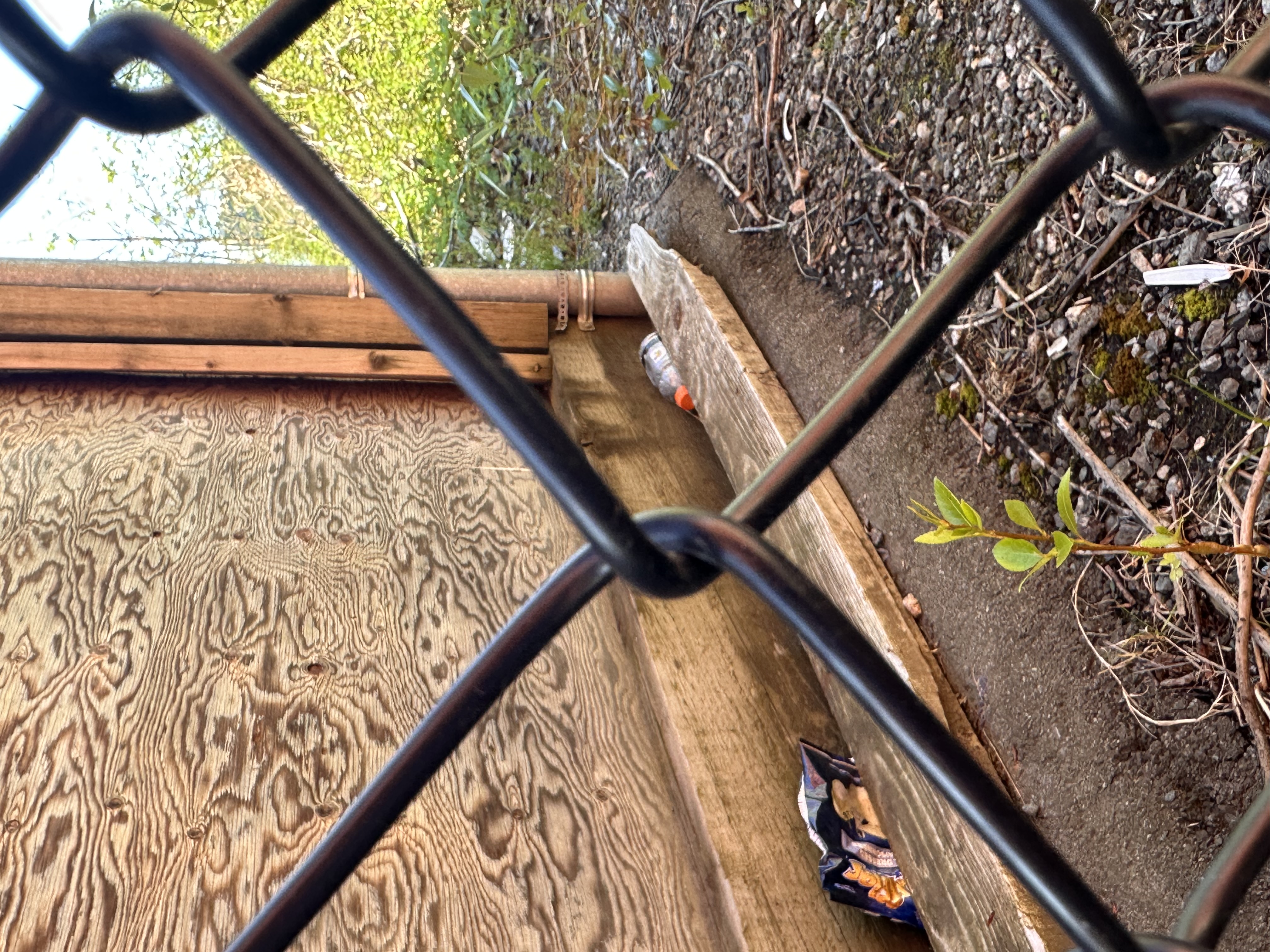
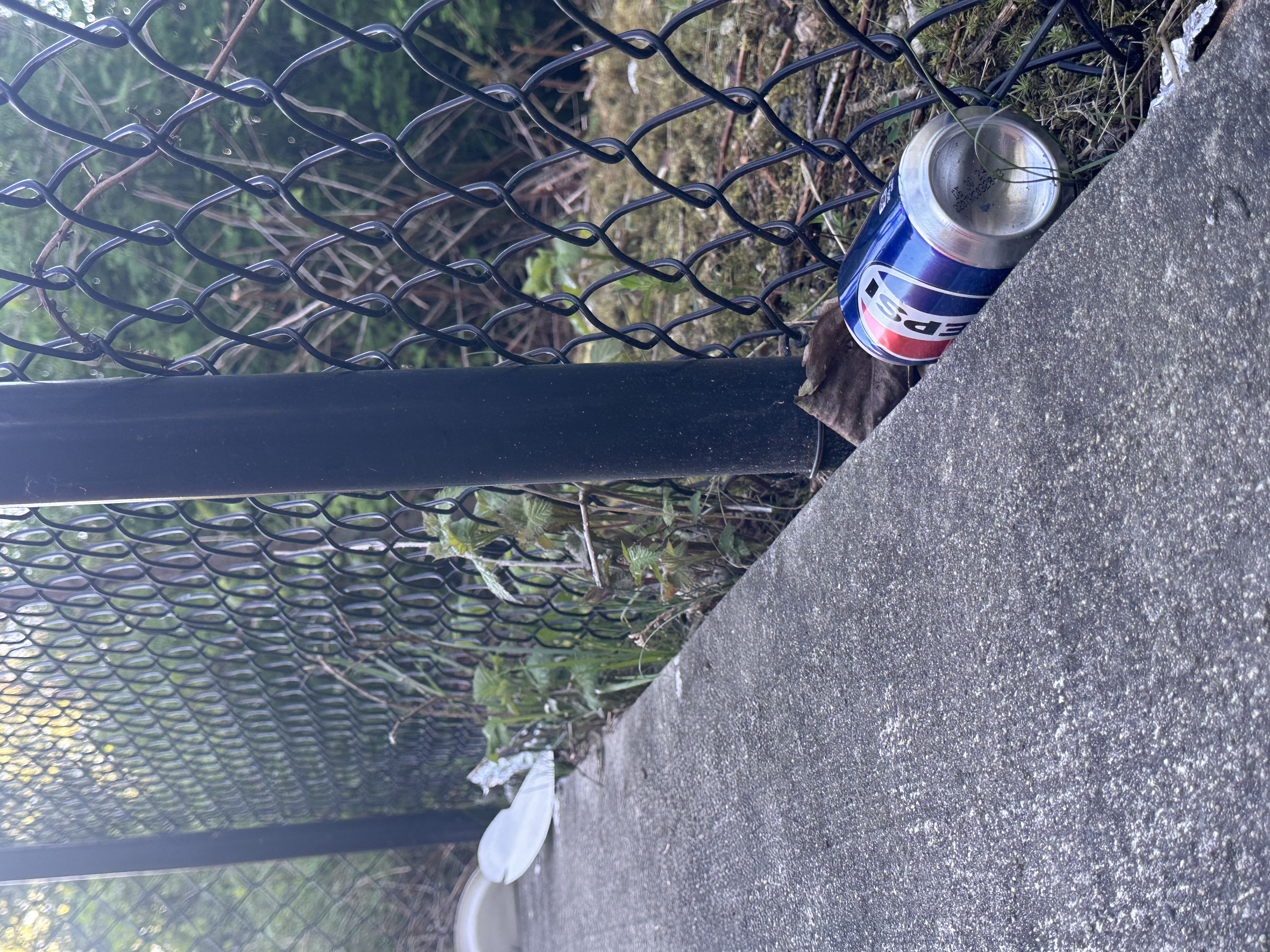
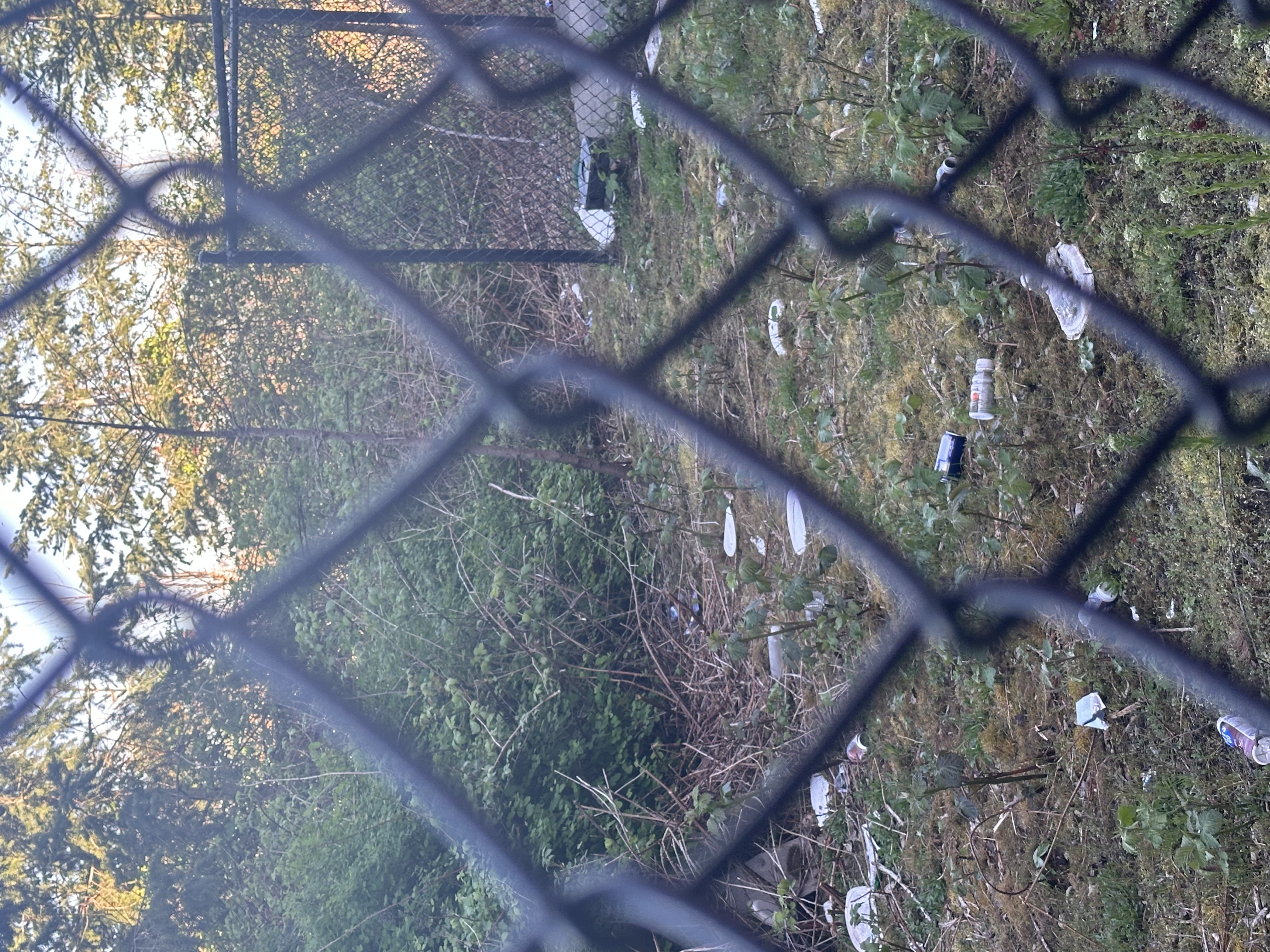
The biggest contributor of soil pollution is littering. Littering isn't just about things looking messy, it can also cause pollution in the soil. When trash like food wrappers, cigarette butts, or plastic bottles is left on the ground, it can break down over time and release harmful chemicals into the soil. These chemicals can make it hard for plants to grow and can even seep into the water underground, making it unhealthy for people and animals. For example, if someone throws a battery on the ground, it can leak acid into the soil, which is really bad for plants and can even contaminate drinking water. So, even though littering might not seem like a big deal at first, it can lead to serious problems like soil pollution that affect our environment and our health.
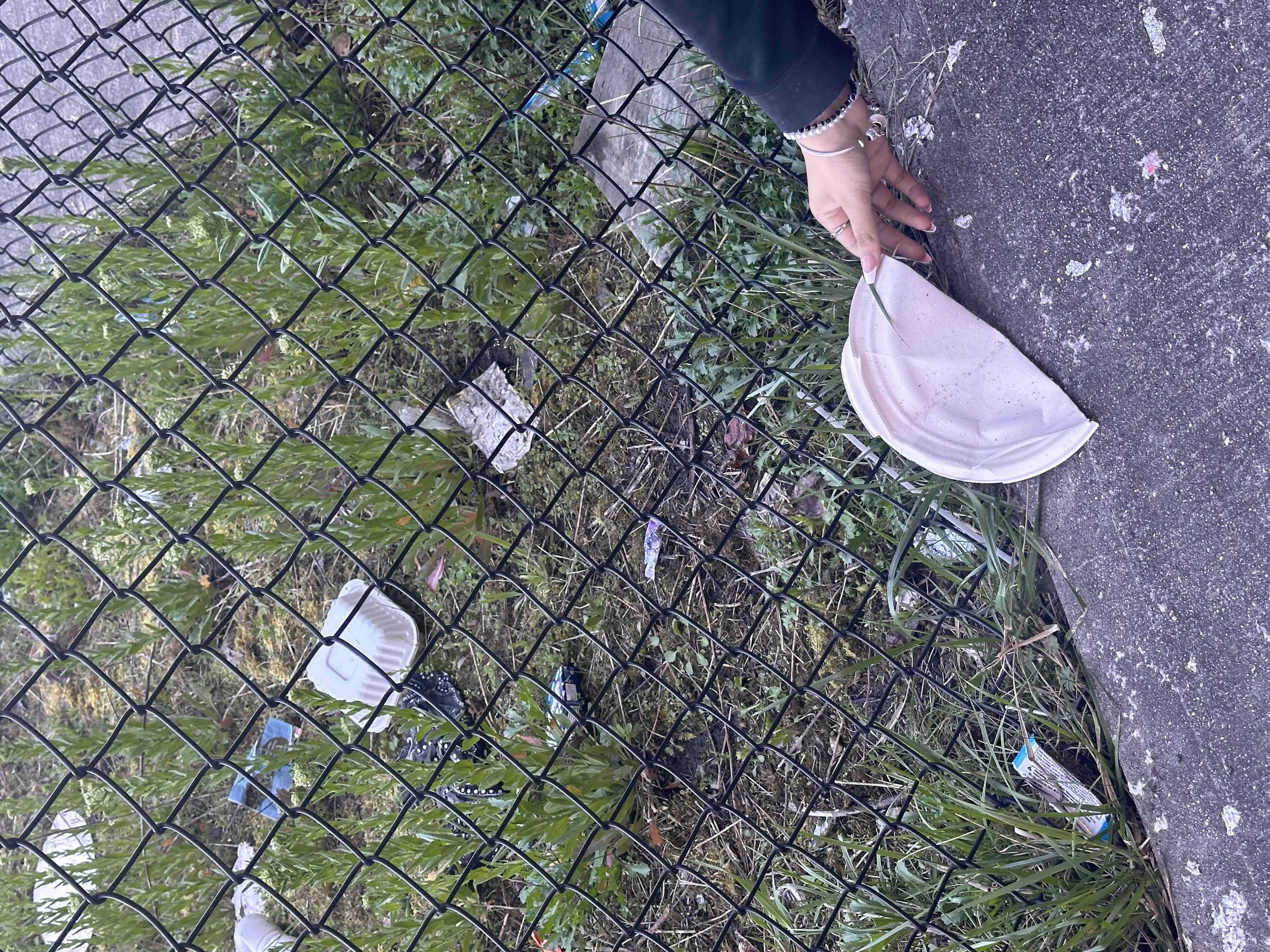
Food is usually served on paper plates, in boxes, or on plastic plates at Khalsa school, which results in a large amount of waste. Additionally, students usually dispose of these things inappropriately after meals, adding to the amount of litter on campus. Reusable plates are something we're thinking about switching to in order to fully address this problem. By putting this change into practice, we can reduce the problem of littering on school property while also greatly reducing the amount of waste produced. This program not only supports the environment but also gives students a sense of responsibility for taking care of the environment. Using disposable plates at schools creates a lot of trash that ends up polluting our environment. When students throw these plates away improperly, it adds to the litter around our school, which isn't good for our surroundings or the animals that live there. Plus, making all those disposable plates takes a lot of energy and creates pollution. By switching to reusable plates, we can reduce waste, keep our school cleaner, and help the planet.
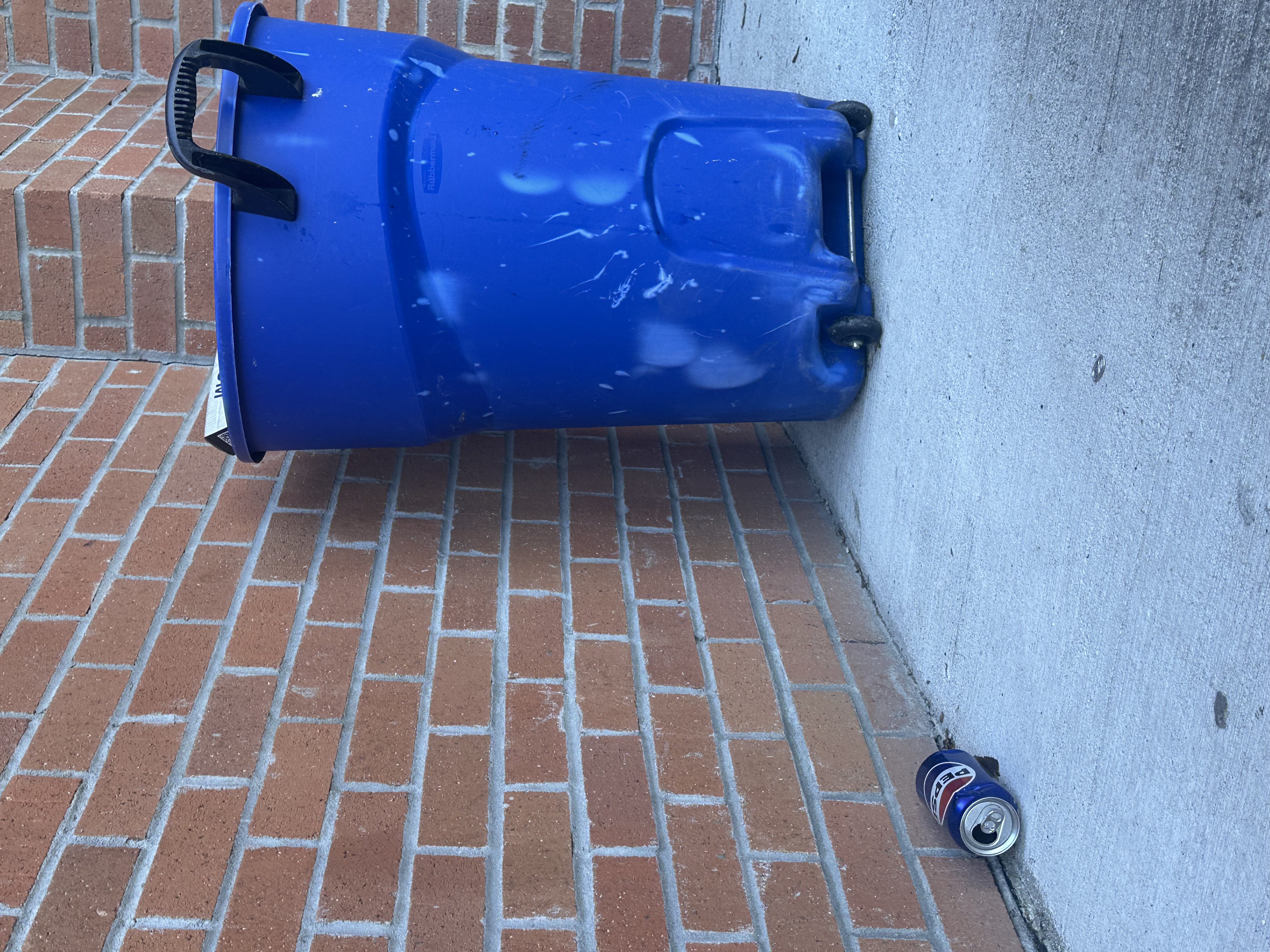
Improving recycling at school, we should set up special places just for recycling aluminium cans, especially those from Coke and Pepsi. We'll work with the school to put recycling bins in key spots and make sure they're emptied regularly. Improving recycling at school can help in several ways. First, it reduces the amount of waste that goes into landfills, which is better for the environment. Recycling also saves energy because making things from recycled materials usually takes less energy than making them from new materials. It helps conserve natural resources because we can reuse things like aluminium instead of making new ones from scratch. Plus, recycling can even create new jobs in recycling centres and other industries.
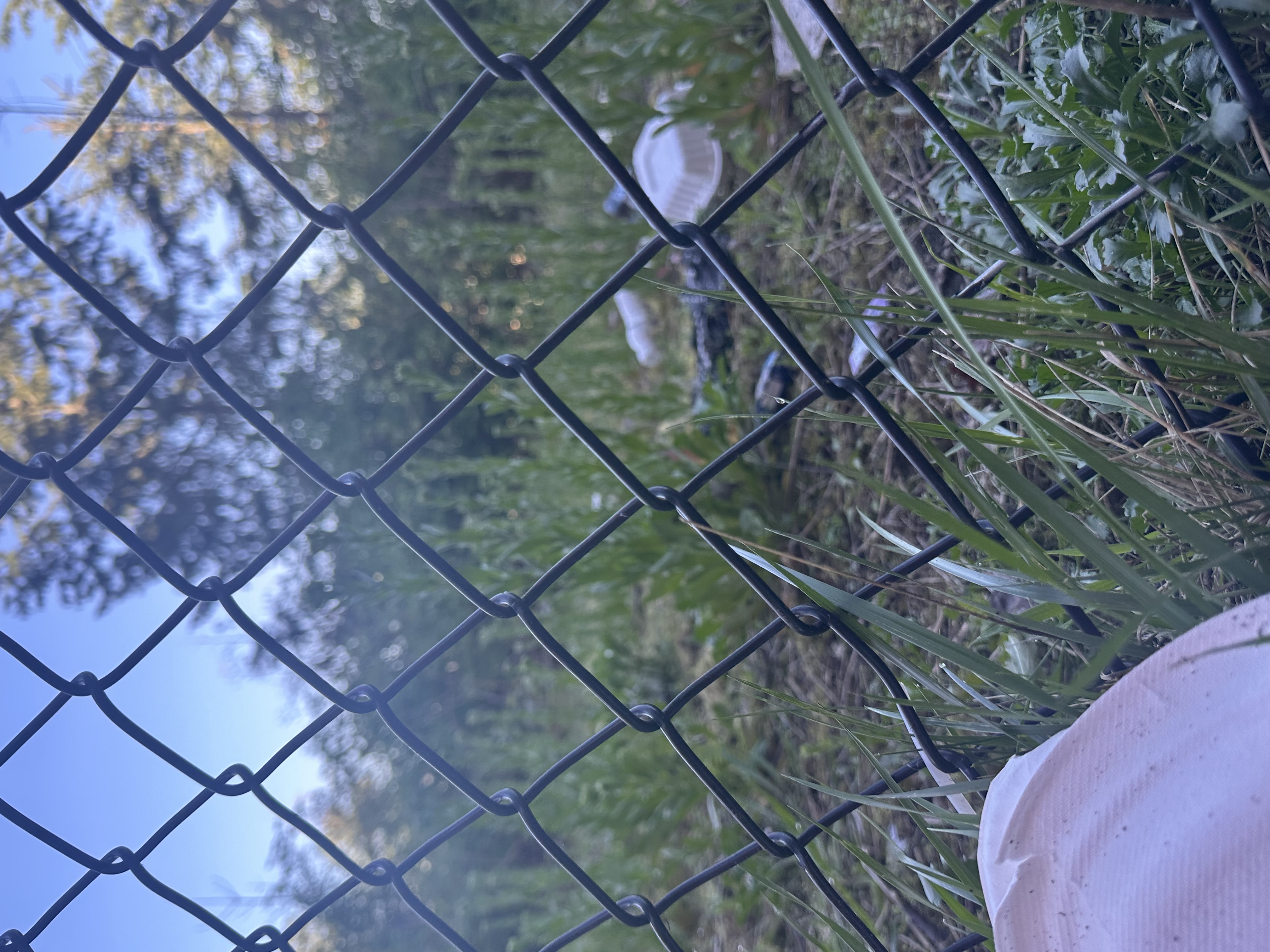
Stopping littering is important because it benefits everyone and the environment in several ways. First and foremost, it keeps our surroundings clean and beautiful, making our neighbourhoods more pleasant to live in. When we don't litter, we reduce the risk of pollution in our air, water, and soil, which helps to protect wildlife and ecosystems. Littering also poses safety hazards, as it can create tripping hazards or attract pests like rats and insects. By taking responsibility for our trash and disposing of it properly, we can contribute to a healthier environment for ourselves and future generations. Additionally, showing respect for our community by keeping it clean fosters a sense of pride and unity among residents. So, by stopping littering, we're not only benefiting ourselves but also showing care and consideration for others and the world around us.
Resources:
- https://www.canada.ca/en/environment-climate-change/services/managing-reducing-waste/reduce-plastic-waste.html
- https://www.nationalgeographic.com/science/article/plastic-produced-recycling-waste-ocean-trash-debris-environment
- https://tru.earth/blogs/tru-living/banning-plastic-plates-and-cutlery#:~:text=The%20effects%20of%20plastic%20on,nothing%20is%20done%20about%20it
- https://www.texasdisposal.com/blog/the-real-cost-of-littering/#:~:text=Litter%20can%20kill%20wildlife&text=Plastic%20litter%20is%20the%20most,in%20or%20digesting%20plastic%20litter
- https://www.canada.ca/en/environment-climate-change/services/environmental-indicators/solid-waste-diversion-disposal.html

40
The Issue
We, the students of Khalsa Secondary School, are launching an e-petition to address and reduce pollution in our local community. This initiative is focused on enhancing the environmental quality of our neighbourhood, which will directly benefit all its residents.
The biggest contributor of soil pollution is littering. Littering isn't just about things looking messy, it can also cause pollution in the soil. When trash like food wrappers, cigarette butts, or plastic bottles is left on the ground, it can break down over time and release harmful chemicals into the soil. These chemicals can make it hard for plants to grow and can even seep into the water underground, making it unhealthy for people and animals. For example, if someone throws a battery on the ground, it can leak acid into the soil, which is really bad for plants and can even contaminate drinking water. So, even though littering might not seem like a big deal at first, it can lead to serious problems like soil pollution that affect our environment and our health.
Food is usually served on paper plates, in boxes, or on plastic plates at Khalsa school, which results in a large amount of waste. Additionally, students usually dispose of these things inappropriately after meals, adding to the amount of litter on campus. Reusable plates are something we're thinking about switching to in order to fully address this problem. By putting this change into practice, we can reduce the problem of littering on school property while also greatly reducing the amount of waste produced. This program not only supports the environment but also gives students a sense of responsibility for taking care of the environment. Using disposable plates at schools creates a lot of trash that ends up polluting our environment. When students throw these plates away improperly, it adds to the litter around our school, which isn't good for our surroundings or the animals that live there. Plus, making all those disposable plates takes a lot of energy and creates pollution. By switching to reusable plates, we can reduce waste, keep our school cleaner, and help the planet.
Improving recycling at school, we should set up special places just for recycling aluminium cans, especially those from Coke and Pepsi. We'll work with the school to put recycling bins in key spots and make sure they're emptied regularly. Improving recycling at school can help in several ways. First, it reduces the amount of waste that goes into landfills, which is better for the environment. Recycling also saves energy because making things from recycled materials usually takes less energy than making them from new materials. It helps conserve natural resources because we can reuse things like aluminium instead of making new ones from scratch. Plus, recycling can even create new jobs in recycling centres and other industries.
Stopping littering is important because it benefits everyone and the environment in several ways. First and foremost, it keeps our surroundings clean and beautiful, making our neighbourhoods more pleasant to live in. When we don't litter, we reduce the risk of pollution in our air, water, and soil, which helps to protect wildlife and ecosystems. Littering also poses safety hazards, as it can create tripping hazards or attract pests like rats and insects. By taking responsibility for our trash and disposing of it properly, we can contribute to a healthier environment for ourselves and future generations. Additionally, showing respect for our community by keeping it clean fosters a sense of pride and unity among residents. So, by stopping littering, we're not only benefiting ourselves but also showing care and consideration for others and the world around us.
Resources:
- https://www.canada.ca/en/environment-climate-change/services/managing-reducing-waste/reduce-plastic-waste.html
- https://www.nationalgeographic.com/science/article/plastic-produced-recycling-waste-ocean-trash-debris-environment
- https://tru.earth/blogs/tru-living/banning-plastic-plates-and-cutlery#:~:text=The%20effects%20of%20plastic%20on,nothing%20is%20done%20about%20it
- https://www.texasdisposal.com/blog/the-real-cost-of-littering/#:~:text=Litter%20can%20kill%20wildlife&text=Plastic%20litter%20is%20the%20most,in%20or%20digesting%20plastic%20litter
- https://www.canada.ca/en/environment-climate-change/services/environmental-indicators/solid-waste-diversion-disposal.html
40
Petition Updates
Share this petition
Petition created on April 23, 2024