
Prevent Social Media Addiction and FoMO
Prevent Social Media Addiction and FoMO
The Issue
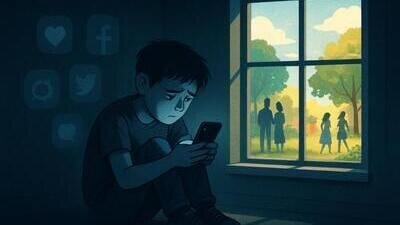
In today's digital age, social media has become an integral part of daily life, especially for adolescents. While it has facilitated global connectivity and information sharing, its pervasive use has led to an alarming rise in addiction and the Fear of Missing Out (FoMO) phenomenon. These issues are having a detrimental effect on the mental and physical health of young individuals, warranting immediate attention and action.
According to various scientific studies, excessive social media usage is linked to increased levels of anxiety, depression, and low self-esteem among adolescents. The constant checking of notifications and comparisons to online personas is causing unnecessary stress. Additionally, the lack of physical activity due to prolonged screen time is leading to various health problems, including increased stress levels and sleep disruption.
The statistics are alarming. In our student-led survey, we found that among the 163 respondents, 63.9% of adolescents across Brooklyn and Manhattan reported spending at least 4 hours on social media each day. Such time can be used to interact with the real world and would reduce the introduction of mental health problems. Additionally, we have found that 59.5% of our respondents have experienced some sort of sleep disruption due to the fear of missing out (FoMO), meaning staying past their intended sleep time in favor of social media. Our data correlates with the findings of the World Health Organization, which found that more than 1 in 10 adolescents (11%) exhibited signs of problematic social media behavior, struggling to control their use and experiencing negative consequences (a 4% increase from 2018 to 2022).
The future of our youth is at stake and is under critical pressure; the longer we neglect this issue, the harsher the consequences. We must take action collectively to push for change and raise awareness of this growing issue. Now is the time to act. More adolescents are falling into the traps of social media and the fear of missing out each day. By advocating for change, we can help shape adolescents into well-rounded individuals. Taking action now would save adolescents' lives not only in your community but also would spark change worldwide for the better.
We need a comprehensive strategy to combat these challenges. This includes promoting digital literacy, encouraging offline activities, and implementing mental health programs in schools and communities. Policymakers, educators, parents, and social media companies must come together to create an environment that supports healthier social media habits and prioritizes adolescent well-being.
Specifically, it's necessary to push for the "Senate Bill S927" sponsored by Jack M. Martins. The bill would regulate social media companies and platforms by implementing age restrictions and parental consent for the creation of a social media account, while also limiting the hours a minor has access to social media. This change is aimed at curbing social media addiction amongst adolescents while minimizing the damaging effects of social media for teens who use it. Through the limiting of social media usage, adolescents would begin building healthier habits offline while also creatively utilizing their time to be pleasently bored. By signing this petition, you are directly supporting efforts to reduce adolescent social media addiction and promote healthy habits.

100
The Issue
In today's digital age, social media has become an integral part of daily life, especially for adolescents. While it has facilitated global connectivity and information sharing, its pervasive use has led to an alarming rise in addiction and the Fear of Missing Out (FoMO) phenomenon. These issues are having a detrimental effect on the mental and physical health of young individuals, warranting immediate attention and action.
According to various scientific studies, excessive social media usage is linked to increased levels of anxiety, depression, and low self-esteem among adolescents. The constant checking of notifications and comparisons to online personas is causing unnecessary stress. Additionally, the lack of physical activity due to prolonged screen time is leading to various health problems, including increased stress levels and sleep disruption.
The statistics are alarming. In our student-led survey, we found that among the 163 respondents, 63.9% of adolescents across Brooklyn and Manhattan reported spending at least 4 hours on social media each day. Such time can be used to interact with the real world and would reduce the introduction of mental health problems. Additionally, we have found that 59.5% of our respondents have experienced some sort of sleep disruption due to the fear of missing out (FoMO), meaning staying past their intended sleep time in favor of social media. Our data correlates with the findings of the World Health Organization, which found that more than 1 in 10 adolescents (11%) exhibited signs of problematic social media behavior, struggling to control their use and experiencing negative consequences (a 4% increase from 2018 to 2022).
The future of our youth is at stake and is under critical pressure; the longer we neglect this issue, the harsher the consequences. We must take action collectively to push for change and raise awareness of this growing issue. Now is the time to act. More adolescents are falling into the traps of social media and the fear of missing out each day. By advocating for change, we can help shape adolescents into well-rounded individuals. Taking action now would save adolescents' lives not only in your community but also would spark change worldwide for the better.
We need a comprehensive strategy to combat these challenges. This includes promoting digital literacy, encouraging offline activities, and implementing mental health programs in schools and communities. Policymakers, educators, parents, and social media companies must come together to create an environment that supports healthier social media habits and prioritizes adolescent well-being.
Specifically, it's necessary to push for the "Senate Bill S927" sponsored by Jack M. Martins. The bill would regulate social media companies and platforms by implementing age restrictions and parental consent for the creation of a social media account, while also limiting the hours a minor has access to social media. This change is aimed at curbing social media addiction amongst adolescents while minimizing the damaging effects of social media for teens who use it. Through the limiting of social media usage, adolescents would begin building healthier habits offline while also creatively utilizing their time to be pleasently bored. By signing this petition, you are directly supporting efforts to reduce adolescent social media addiction and promote healthy habits.
100
The Decision Makers


Supporter Voices
Petition Updates
Share this petition
Petition created on February 12, 2026