

Plastic is destroying Mother Earth, our home!
The Issue
Plastic is destroying Mother Earth, our home!
The only home we know!
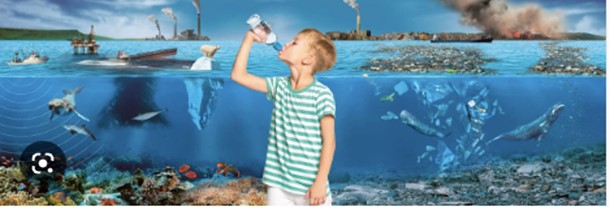
· Mother Earth provides us everything we need for our survival without asking anything in return.
· Her provisions include food and shelter (and the resources to construct these), warmth (natural fibres for clothing), ecosystems to enjoy (i.e., woodlands, oceans, lakes for recreation) and their services, (e.g. food and medicines from vegetation).
· How we treat our home has a direct bearing on all living beings, the circle of life and food webs that interconnect us with the environment. We are part of nature, not apart from it!
· Most plastics are made from non-renewable fossil fuels which contribute to the climate crisis. Through the relentless burning of oil and gas in particular, we will soon be on course for a 2% warming. This could lead to an altered state of the Earth, bringing irreversible environmental damage, unprecedented in history.
· Even if all 8 billion people on our planet would stop emitting greenhouse gases tomorrow, the average global temperatures would still increase, seas would still expand, and levels rise, causing more mass migrations through flooding and uninhabitable areas than ever before. The increased acidification coupled with the immense plastic pollution of our oceans, bring forth the 6th mass extinctions in the Earth’ history, and droughts will threaten health, food supplies and living conditions.
· Our home will be more challenging than ever to live in.
· Future generations have a right to inherit a planet as healthy as previous generations have enjoyed, although that may not be attainable any longer.
We don’t need more plastics, even if they are recycled!
It will take determination, and an altering of individual consumerist habits to say NO to plastics. However, by doing so, the push for businesses and food corporations to stop producing and selling plastics can be achieved, and governments can be urged to create the appropriate laws.
Sign this petition and say NO to plastic!
Especially single-use packaging, bags, bottles, straws, cups, lids, and cutlery.
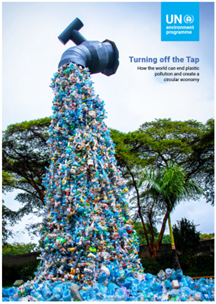
Statistical data:
· The world produces around 460 million tons of plastic a year. Without urgent action, this figure will triple by 2060.
· We use 5 trillion plastic bags per year! That’s 160,000 a second! And over 700 a year for every single person on the planet.
· A plastic bag is only used on average for about 12 to 15 minutes before it’s discarded.
· An estimated 300 million plastic bags every year end up in the Atlantic Ocean alone.
· Some plastics never degrade, not in 1000 years.
· Oceanic wildlife is harmed and dies from entanglement in plastic and by mistaking plastics for food.
· Plastic has long entered into our food chain and microplastics are found in human blood streams.
· If the trend continuous, by 2050, there will be more plastic in the ocean than fish.
· Only ca. 9% of all plastics worldwide get recycled.
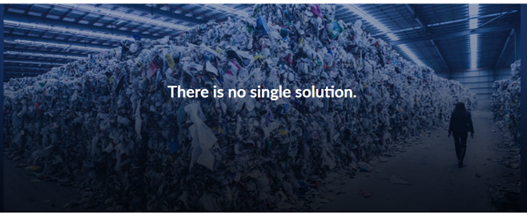
Warehouse in Melbourne, Australia. Largely unsorted plastics cannot be sold easily to a materials processor. "Lacking an entity to process recyclable household waste, local councils have sent thousands of tons of such waste to landfills" (Reddy & Lau 2020).
Sign this petition. Fight for your home!
More information
Plastic pollution WWF International video www.youtube.com/watch?v=IA9O9YUbQew
Tackling the problem of single-use-plastics podcast
https://qz.com/single-use-plastics-recycling-environment-consumers-1850438689
UN ban on plastic pollution https://qz.com/un-treaty-plastic-ban-1850438754
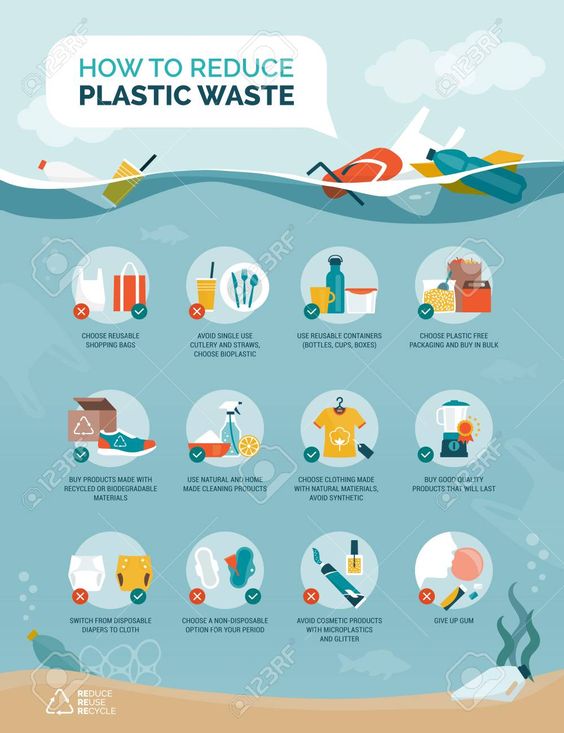
Resources:
Wijsen, M. & I. et al, (2021), “Projects”, ‘Educational Booklet’ Available at: https://byebyeplasticbags.org/bbpbprojects/ (Accessed 22.5.23)
United Nations Environment Program (2023), ‘World Environment Day 2023, Beat Plastic Pollution, Practical Guide’ Available at: https://wedocs.unep.org/bitstream/handle/20.500.11822/42437/Plastic_Pollution_WED23EN.pdf?sequence=1&isAllowed=y (Accessed 21.5.23)
The World Counts (2023), ‘1,952,950,754,333+ Number of plastic bags produced worldwide this year’ Available at: https://www.theworldcounts.com/challenges/planet-earth/waste/plastic-bags-used-per-year (Accessed 23.5.23)
Rood R. (2017), ‘If we stopped emitting greenhouse gases right now, would we stop climate change?’ Available at www.theconversation.com/if-we-stopped-emitting-greenhouse-gases-right-now-would-we-stop-climate-change-78882 (Accessed on 22.5.23)
Begum T. (2023), ‘What is mass extinction and are we facing a sixth one?’ Available at: www.nhm.ac.uk/discover/what-is-mass-extinction-and-are-we-facing-a-sixth-one.html (Accessed on 22.5.23)
Reddy, S. & Lau, W..(2020), 'Breaking the Plastic Wave: Top Findings for Preventing Plastic Pollution' Available at: www.pewtrusts.org/en/research-and-analysis/articles/2020/07/23/breaking-the-plastic-wave-top-findings (Accessed on 26.5.23)

29,587
The Issue
Plastic is destroying Mother Earth, our home!
The only home we know!
· Mother Earth provides us everything we need for our survival without asking anything in return.
· Her provisions include food and shelter (and the resources to construct these), warmth (natural fibres for clothing), ecosystems to enjoy (i.e., woodlands, oceans, lakes for recreation) and their services, (e.g. food and medicines from vegetation).
· How we treat our home has a direct bearing on all living beings, the circle of life and food webs that interconnect us with the environment. We are part of nature, not apart from it!
· Most plastics are made from non-renewable fossil fuels which contribute to the climate crisis. Through the relentless burning of oil and gas in particular, we will soon be on course for a 2% warming. This could lead to an altered state of the Earth, bringing irreversible environmental damage, unprecedented in history.
· Even if all 8 billion people on our planet would stop emitting greenhouse gases tomorrow, the average global temperatures would still increase, seas would still expand, and levels rise, causing more mass migrations through flooding and uninhabitable areas than ever before. The increased acidification coupled with the immense plastic pollution of our oceans, bring forth the 6th mass extinctions in the Earth’ history, and droughts will threaten health, food supplies and living conditions.
· Our home will be more challenging than ever to live in.
· Future generations have a right to inherit a planet as healthy as previous generations have enjoyed, although that may not be attainable any longer.
We don’t need more plastics, even if they are recycled!
It will take determination, and an altering of individual consumerist habits to say NO to plastics. However, by doing so, the push for businesses and food corporations to stop producing and selling plastics can be achieved, and governments can be urged to create the appropriate laws.
Sign this petition and say NO to plastic!
Especially single-use packaging, bags, bottles, straws, cups, lids, and cutlery.
Statistical data:
· The world produces around 460 million tons of plastic a year. Without urgent action, this figure will triple by 2060.
· We use 5 trillion plastic bags per year! That’s 160,000 a second! And over 700 a year for every single person on the planet.
· A plastic bag is only used on average for about 12 to 15 minutes before it’s discarded.
· An estimated 300 million plastic bags every year end up in the Atlantic Ocean alone.
· Some plastics never degrade, not in 1000 years.
· Oceanic wildlife is harmed and dies from entanglement in plastic and by mistaking plastics for food.
· Plastic has long entered into our food chain and microplastics are found in human blood streams.
· If the trend continuous, by 2050, there will be more plastic in the ocean than fish.
· Only ca. 9% of all plastics worldwide get recycled.
Warehouse in Melbourne, Australia. Largely unsorted plastics cannot be sold easily to a materials processor. "Lacking an entity to process recyclable household waste, local councils have sent thousands of tons of such waste to landfills" (Reddy & Lau 2020).
Sign this petition. Fight for your home!
More information
Plastic pollution WWF International video www.youtube.com/watch?v=IA9O9YUbQew
Tackling the problem of single-use-plastics podcast
https://qz.com/single-use-plastics-recycling-environment-consumers-1850438689
UN ban on plastic pollution https://qz.com/un-treaty-plastic-ban-1850438754
Resources:
Wijsen, M. & I. et al, (2021), “Projects”, ‘Educational Booklet’ Available at: https://byebyeplasticbags.org/bbpbprojects/ (Accessed 22.5.23)
United Nations Environment Program (2023), ‘World Environment Day 2023, Beat Plastic Pollution, Practical Guide’ Available at: https://wedocs.unep.org/bitstream/handle/20.500.11822/42437/Plastic_Pollution_WED23EN.pdf?sequence=1&isAllowed=y (Accessed 21.5.23)
The World Counts (2023), ‘1,952,950,754,333+ Number of plastic bags produced worldwide this year’ Available at: https://www.theworldcounts.com/challenges/planet-earth/waste/plastic-bags-used-per-year (Accessed 23.5.23)
Rood R. (2017), ‘If we stopped emitting greenhouse gases right now, would we stop climate change?’ Available at www.theconversation.com/if-we-stopped-emitting-greenhouse-gases-right-now-would-we-stop-climate-change-78882 (Accessed on 22.5.23)
Begum T. (2023), ‘What is mass extinction and are we facing a sixth one?’ Available at: www.nhm.ac.uk/discover/what-is-mass-extinction-and-are-we-facing-a-sixth-one.html (Accessed on 22.5.23)
Reddy, S. & Lau, W..(2020), 'Breaking the Plastic Wave: Top Findings for Preventing Plastic Pollution' Available at: www.pewtrusts.org/en/research-and-analysis/articles/2020/07/23/breaking-the-plastic-wave-top-findings (Accessed on 26.5.23)
Supporter Voices
Petition Updates
Share this petition
Petition created on 22 May 2023