Philippine Youth Demand Greater Action on Climate Change, Education, Health, and Career

Philippine Youth Demand Greater Action on Climate Change, Education, Health, and Career
The Issue
MANILA, 16 September 2024 – Climate change, education, health, and jobs are the top concerns for nearly 3,000 young people in the Philippines, who took part in the latest U-Report poll, organized by the United Nations.
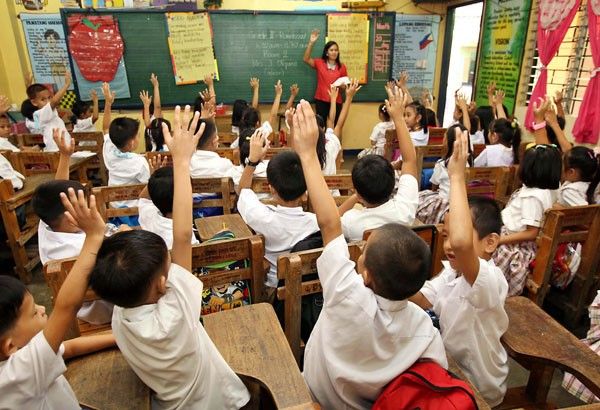
About 26 per cent of young people in the country believe that “climate change and natural disasters” will be the biggest problem they’ll face in the future while 23 per cent are worried about not “being able to finish their education.” “Health (physical and mental)” and “finding a job” are also major concerns, identified by 22 percent.
U-Report is a digital community, powered by UNICEF, for young people, by young people, where they can raise their voices and share opinions on topics that matter to them. It empowers the youth to find out about issues that affect them and take action to influence their leaders.
The key findings were released before the upcoming Summit of the Future 2024 in New York on 22-23 September. It is a once-in-a-generation summit where advocates and leaders from across the globe discuss and draw up a consensus—a “Pact for the Future”—on what the world should do today to safeguard tomorrow.

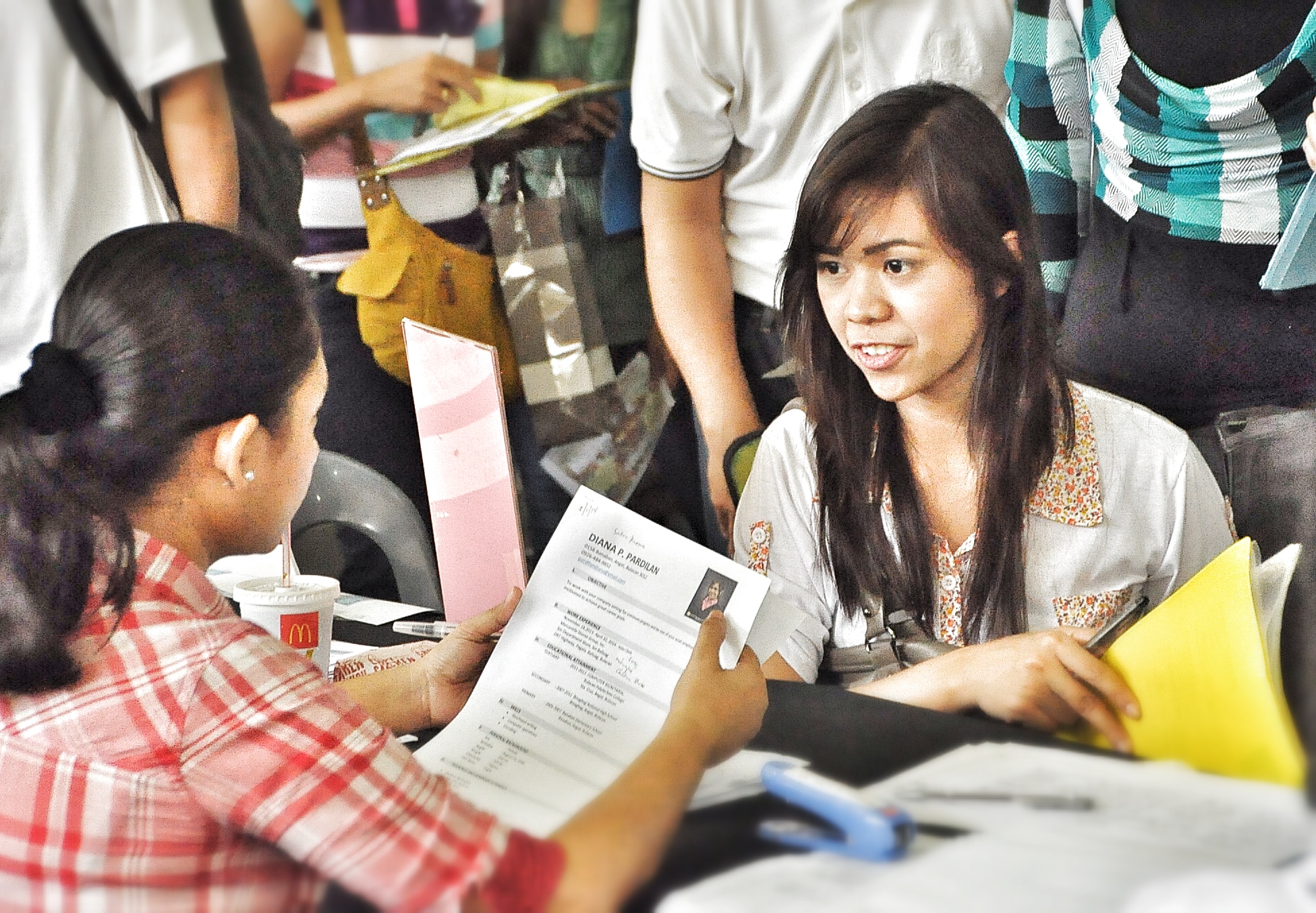
Young people identify the lack of entry-level jobs (33 percent) and current economic conditions (26 percent) as the two main obstacles to securing employment or starting a business in the future. Additional concerns include limited access to quality education (20 percent) and the disruptions caused by AI technology (18 percent).
When asked in an open-ended question about their priorities if they were President of the Philippines, education, health, and the economy frequently emerged as key areas where the government should focus. Other significant national issues highlighted include corruption, agriculture, poverty, and environmental concerns.
If there is change, young people may gain better access to entry-level jobs and entrepreneurship opportunities, leading to reduced unemployment rates and a more vibrant economy. Improved education and health services could empower the youth, equipping them with the skills and resources needed for future success. Tackling corruption and environmental issues would foster a more trustworthy and sustainable society, attracting investment and fostering community engagement.
Conversely, if things stay the same, the lack of job opportunities and economic challenges could lead to increased frustration and disillusionment among the youth, potentially resulting in higher rates of migration or unrest. Ultimately, the trajectory of the country's future hinges on addressing these pressing issues to ensure a thriving and engaged younger generation.
Immediate action is crucial to address the pressing challenges faced by young people in the Philippines, including the lack of entry-level jobs, inadequate education, and the impacts of AI technology. By prioritizing these issues, the government can empower the youth, fostering economic growth and social stability. Failure to act may lead to increased frustration and disillusionment, exacerbating unemployment and hindering the country's development. Investing in education, health, and sustainable practices will not only create opportunities but also build a resilient future. The time for decisive action is now to ensure a brighter tomorrow for the younger generation.

21
The Issue
MANILA, 16 September 2024 – Climate change, education, health, and jobs are the top concerns for nearly 3,000 young people in the Philippines, who took part in the latest U-Report poll, organized by the United Nations.
About 26 per cent of young people in the country believe that “climate change and natural disasters” will be the biggest problem they’ll face in the future while 23 per cent are worried about not “being able to finish their education.” “Health (physical and mental)” and “finding a job” are also major concerns, identified by 22 percent.
U-Report is a digital community, powered by UNICEF, for young people, by young people, where they can raise their voices and share opinions on topics that matter to them. It empowers the youth to find out about issues that affect them and take action to influence their leaders.
The key findings were released before the upcoming Summit of the Future 2024 in New York on 22-23 September. It is a once-in-a-generation summit where advocates and leaders from across the globe discuss and draw up a consensus—a “Pact for the Future”—on what the world should do today to safeguard tomorrow.
Young people identify the lack of entry-level jobs (33 percent) and current economic conditions (26 percent) as the two main obstacles to securing employment or starting a business in the future. Additional concerns include limited access to quality education (20 percent) and the disruptions caused by AI technology (18 percent).
When asked in an open-ended question about their priorities if they were President of the Philippines, education, health, and the economy frequently emerged as key areas where the government should focus. Other significant national issues highlighted include corruption, agriculture, poverty, and environmental concerns.
If there is change, young people may gain better access to entry-level jobs and entrepreneurship opportunities, leading to reduced unemployment rates and a more vibrant economy. Improved education and health services could empower the youth, equipping them with the skills and resources needed for future success. Tackling corruption and environmental issues would foster a more trustworthy and sustainable society, attracting investment and fostering community engagement.
Conversely, if things stay the same, the lack of job opportunities and economic challenges could lead to increased frustration and disillusionment among the youth, potentially resulting in higher rates of migration or unrest. Ultimately, the trajectory of the country's future hinges on addressing these pressing issues to ensure a thriving and engaged younger generation.
Immediate action is crucial to address the pressing challenges faced by young people in the Philippines, including the lack of entry-level jobs, inadequate education, and the impacts of AI technology. By prioritizing these issues, the government can empower the youth, fostering economic growth and social stability. Failure to act may lead to increased frustration and disillusionment, exacerbating unemployment and hindering the country's development. Investing in education, health, and sustainable practices will not only create opportunities but also build a resilient future. The time for decisive action is now to ensure a brighter tomorrow for the younger generation.
21
Petition Updates
Share this petition
Petition created on October 7, 2024