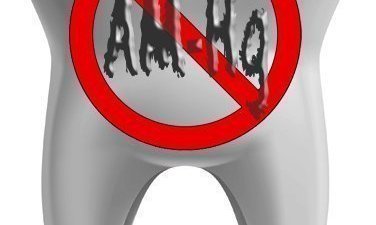

To phase out mercury from dental amalgam in the Philippines
The Issue
Statement of Support for the Phase-out of Mercury Dental Amalgams in the Philippines
We the concerned undersigned dentists, individuals, and civil society organizations,
Recognize, the overwhelming scientific and health-based evidence that mercury and its compounds are pollutants of global concern;
Understand, that mercury persists in the environment, accumulates in the food chain, and poses significant adverse effects on human health, especially most vulnerable groups such as children, pregnant women, and the biota;
Acknowledge, that mercury is used as one of the components of many medical, dental and industrial products in the Philippines and the world as well;
Are aware, that in the 2011 World Health Organization (WHO) report entitled, “Future Use of Materials for Dental Restoration”, the WHO confirms that dental amalgam releases a significant amount of mercury into the environment and that the WHO commits itself to work for the reduction of mercury use and the development of a healthy environment;
Welcome, the WHO conclusion that for many reasons the use of restorative mercury-free material alternatives to dental amalgam are desirable;
Appreciate, the efforts by the Philippine government in phasing out mercury in all healthcare facilities in the nation through Department of Health Administrative Order No. 2008-21;
Recognize, that health professionals, including dentists, have a duty not to harm patients, protect them and communities from the public health threat of toxins, such as mercury;
Hereby call upon our government, especially the Department of Health, Environment and Natural Resources, and Trade and Industry to take the following actions:
1. Phase-out the importation, sale, production, and use of dental amalgam in the Philippines at the soonest time practicable.
2. Develop phase down strategies for reducing and eventual phasing out dental amalgam, paying close attention to the transition period until the amalgam phase out begins with particular focus on protecting vulnerable populations, such as women of childbearing age and children.
3. Develop, promote, and implement the environmentally sound management of mercury and mercury wastes, such as dental amalgam wastes, including environmentally sound storage of mercury and mercury wastes, such as dental amalgam waste.
4. Develop, promote and implement a nationwide monitoring of mercury, particularly in the food supplies of humans and wildlife.
5. Increase public information and awareness raising especially for women, children, indigenous peoples, fisher folk, consumers of fish, and the least educated.
6. Actively participate in the succeeding Intergovernmental Negotiating Committee on the development of a legally-binding treaty on mercury and support positions that effectively controls mercury’s full-lifecycle, including but not limited to the phase-out of dental amalgams, recognizing the role and importance of public interest, health and environmental stakeholders, and providing adequate and predictable resources for developing countries to meet their legally binding obligations.
In solidarity we sign:
Petition Closed
The Issue
Statement of Support for the Phase-out of Mercury Dental Amalgams in the Philippines
We the concerned undersigned dentists, individuals, and civil society organizations,
Recognize, the overwhelming scientific and health-based evidence that mercury and its compounds are pollutants of global concern;
Understand, that mercury persists in the environment, accumulates in the food chain, and poses significant adverse effects on human health, especially most vulnerable groups such as children, pregnant women, and the biota;
Acknowledge, that mercury is used as one of the components of many medical, dental and industrial products in the Philippines and the world as well;
Are aware, that in the 2011 World Health Organization (WHO) report entitled, “Future Use of Materials for Dental Restoration”, the WHO confirms that dental amalgam releases a significant amount of mercury into the environment and that the WHO commits itself to work for the reduction of mercury use and the development of a healthy environment;
Welcome, the WHO conclusion that for many reasons the use of restorative mercury-free material alternatives to dental amalgam are desirable;
Appreciate, the efforts by the Philippine government in phasing out mercury in all healthcare facilities in the nation through Department of Health Administrative Order No. 2008-21;
Recognize, that health professionals, including dentists, have a duty not to harm patients, protect them and communities from the public health threat of toxins, such as mercury;
Hereby call upon our government, especially the Department of Health, Environment and Natural Resources, and Trade and Industry to take the following actions:
1. Phase-out the importation, sale, production, and use of dental amalgam in the Philippines at the soonest time practicable.
2. Develop phase down strategies for reducing and eventual phasing out dental amalgam, paying close attention to the transition period until the amalgam phase out begins with particular focus on protecting vulnerable populations, such as women of childbearing age and children.
3. Develop, promote, and implement the environmentally sound management of mercury and mercury wastes, such as dental amalgam wastes, including environmentally sound storage of mercury and mercury wastes, such as dental amalgam waste.
4. Develop, promote and implement a nationwide monitoring of mercury, particularly in the food supplies of humans and wildlife.
5. Increase public information and awareness raising especially for women, children, indigenous peoples, fisher folk, consumers of fish, and the least educated.
6. Actively participate in the succeeding Intergovernmental Negotiating Committee on the development of a legally-binding treaty on mercury and support positions that effectively controls mercury’s full-lifecycle, including but not limited to the phase-out of dental amalgams, recognizing the role and importance of public interest, health and environmental stakeholders, and providing adequate and predictable resources for developing countries to meet their legally binding obligations.
In solidarity we sign:
The Decision Makers

Petition Updates
Share this petition
Petition created on January 19, 2012