Petition to Protect the Morongo Valley & Joshua Tree Region from Industrial Solar Developm
The Issue
I am a resident of Morongo Valley, a community on the border of Joshua Tree National Park—one of the most iconic, biologically diverse, and geologically unique desert regions in the world. This area is more than a scenic destination—it’s an ecological treasure and a rare example of accessible wilderness that remains relatively untouched by industrial development.
The Mojave Desert ecosystem is irreplaceable.
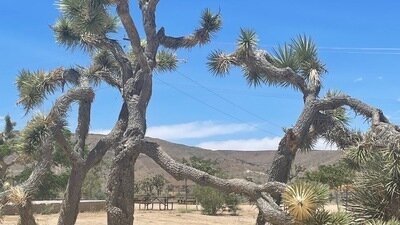
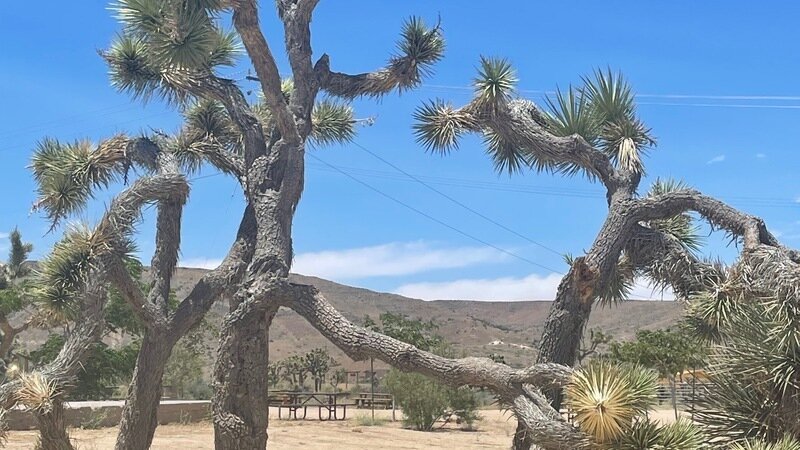
The Joshua tree itself (Yucca brevifolia), which gave the park its name, is at risk of extinction by the end of the century due to climate change (UC Riverside, 2019).
The Morongo Basin sits at the convergence of the Mojave and Colorado deserts, supporting over 750 plant species, 250 bird species, and countless reptiles, mammals, and endangered pollinators (National Park Service).
Large-scale solar facilities require grading and clearing thousands of acres, which destroys cryptobiotic soil crusts that take hundreds of years to recover and are essential to desert ecology.
2. There are better locations for solar energy.
California already has over 1,000 solar energy facilities, many located on previously disturbed or degraded land, such as brownfields, abandoned lots, and rooftops.
According to the Department of Energy’s Solar Futures Study (2021), the U.S. has the potential to meet 45% of electricity needs from solar by 2050 without developing intact wildlands.
A report from The Nature Conservancy found that California can meet its clean energy targets using already-converted lands, avoiding additional damage to natural habitats.
3. Rural desert communities face disproportionate impacts.
Industrial solar projects offer few local jobs once constructed and often strain limited water resources during installation and maintenance.
Dust pollution, heat island effects, and glare are real concerns for residents and wildlife, with lasting health and quality-of-life impacts.
These projects are often approved without the informed consent or involvement of residents, many of whom live in these regions for their peace, open space, and biodiversity.
We urge you to:
Prioritize distributed solar (rooftop, parking lots, urban infill)
Exclude intact desert ecosystems like Morongo Valley and Joshua Tree-adjacent lands from industrial-scale development
Include local residents in meaningful environmental review processes
Recognize that once desert land is scraped, the damage is permanent—unlike energy infrastructure, it cannot be undone.

25
The Issue
I am a resident of Morongo Valley, a community on the border of Joshua Tree National Park—one of the most iconic, biologically diverse, and geologically unique desert regions in the world. This area is more than a scenic destination—it’s an ecological treasure and a rare example of accessible wilderness that remains relatively untouched by industrial development.
The Mojave Desert ecosystem is irreplaceable.
The Joshua tree itself (Yucca brevifolia), which gave the park its name, is at risk of extinction by the end of the century due to climate change (UC Riverside, 2019).
The Morongo Basin sits at the convergence of the Mojave and Colorado deserts, supporting over 750 plant species, 250 bird species, and countless reptiles, mammals, and endangered pollinators (National Park Service).
Large-scale solar facilities require grading and clearing thousands of acres, which destroys cryptobiotic soil crusts that take hundreds of years to recover and are essential to desert ecology.
2. There are better locations for solar energy.
California already has over 1,000 solar energy facilities, many located on previously disturbed or degraded land, such as brownfields, abandoned lots, and rooftops.
According to the Department of Energy’s Solar Futures Study (2021), the U.S. has the potential to meet 45% of electricity needs from solar by 2050 without developing intact wildlands.
A report from The Nature Conservancy found that California can meet its clean energy targets using already-converted lands, avoiding additional damage to natural habitats.
3. Rural desert communities face disproportionate impacts.
Industrial solar projects offer few local jobs once constructed and often strain limited water resources during installation and maintenance.
Dust pollution, heat island effects, and glare are real concerns for residents and wildlife, with lasting health and quality-of-life impacts.
These projects are often approved without the informed consent or involvement of residents, many of whom live in these regions for their peace, open space, and biodiversity.
We urge you to:
Prioritize distributed solar (rooftop, parking lots, urban infill)
Exclude intact desert ecosystems like Morongo Valley and Joshua Tree-adjacent lands from industrial-scale development
Include local residents in meaningful environmental review processes
Recognize that once desert land is scraped, the damage is permanent—unlike energy infrastructure, it cannot be undone.
The Decision Makers


Petition Updates
Share this petition
Petition created on May 29, 2025