PETITION FOR SOCIO ECONOMIC AND CASTE CENSUS TO BE HLD ONCE MORE
The Issue
India stands at a critical juncture in its socio-economic evolution, where the efficacy and impact of its reservation policies are under intense scrutiny. The reservation system, originally intended to uplift marginalized communities, has faced criticisms for its perceived failures in achieving equitable outcomes and fostering a culture of dependency rather than empowerment. To address these challenges and pave the way for a fairer, more inclusive society, the implementation of a comprehensive Socio-Economic Census (SEC) is not just necessary but imperative.
Understanding the Issue
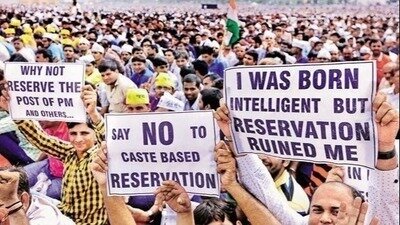
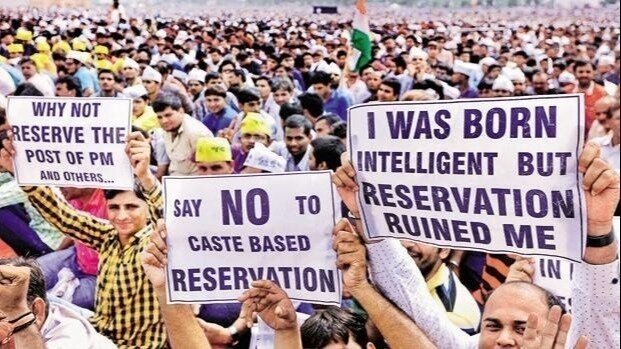
India's reservation policy, although conceived with noble intentions to rectify historical injustices and provide opportunities for those historically oppressed, has encountered several obstacles over the decades. Critics argue that reservation policies based solely on caste perpetuate divisions in society rather than fostering true equality. Moreover, these policies have been criticized for failing to effectively target the most economically disadvantaged, often benefitting more affluent members of reserved communities while leaving the poorest behind.
The Role of Socio-Economic Census
A Socio-Economic Census holds the key to addressing these criticisms and reforming the reservation policy in a meaningful way. By collecting comprehensive data on income levels, education attainment, occupation, and other relevant socio-economic indicators, the census can accurately identify those who are truly disadvantaged and in need of assistance. This data-driven approach ensures that reservation benefits reach those who are socio-economically marginalized, regardless of caste.
Promoting Social Justice
One of the fundamental principles of any reservation policy is to promote social justice and equality of opportunity. However, without accurate data on socio-economic status, it is challenging to ensure that these policies achieve their intended goals. The Socio-Economic Census will provide the empirical foundation needed to tailor reservation policies more effectively, ensuring that they reach those who are genuinely in need of support.
Empowering the Marginalized
Critics of the current reservation system argue that it has created a culture of entitlement rather than empowerment. By shifting the focus from caste-based quotas to socio-economic indicators, the Socio-Economic Census can promote empowerment through targeted interventions such as education scholarships, skill development programs, and financial assistance to entrepreneurs from economically weaker sections.
Ensuring Economic Growth and National Development
India's ambitious goals of becoming a global economic powerhouse hinge on its ability to harness the potential of all its citizens. A reformed reservation policy based on accurate socio-economic data will not only promote social cohesion but also enhance productivity and innovation by ensuring that talent and meritocracy prevail over entitlement and privilege.
Conclusion
In conclusion, the implementation of a Socio-Economic Census is a crucial step towards reforming India's reservation policy. By shifting the focus from caste-based quotas to socio-economic indicators, India can ensure that its policies truly uplift the disadvantaged, promote social justice, and pave the way for a more inclusive and prosperous society. It is imperative that we move beyond rhetoric and embrace evidence-based policymaking to address the complexities of socio-economic inequality effectively. The Socio-Economic Census represents a beacon of hope for a fairer and more equitable India, where opportunities are based on merit and need rather than historical privilege. Let us seize this opportunity to build a nation where every citizen has the chance to thrive and contribute to our collective prosperity

28
The Issue
India stands at a critical juncture in its socio-economic evolution, where the efficacy and impact of its reservation policies are under intense scrutiny. The reservation system, originally intended to uplift marginalized communities, has faced criticisms for its perceived failures in achieving equitable outcomes and fostering a culture of dependency rather than empowerment. To address these challenges and pave the way for a fairer, more inclusive society, the implementation of a comprehensive Socio-Economic Census (SEC) is not just necessary but imperative.
Understanding the Issue
India's reservation policy, although conceived with noble intentions to rectify historical injustices and provide opportunities for those historically oppressed, has encountered several obstacles over the decades. Critics argue that reservation policies based solely on caste perpetuate divisions in society rather than fostering true equality. Moreover, these policies have been criticized for failing to effectively target the most economically disadvantaged, often benefitting more affluent members of reserved communities while leaving the poorest behind.
The Role of Socio-Economic Census
A Socio-Economic Census holds the key to addressing these criticisms and reforming the reservation policy in a meaningful way. By collecting comprehensive data on income levels, education attainment, occupation, and other relevant socio-economic indicators, the census can accurately identify those who are truly disadvantaged and in need of assistance. This data-driven approach ensures that reservation benefits reach those who are socio-economically marginalized, regardless of caste.
Promoting Social Justice
One of the fundamental principles of any reservation policy is to promote social justice and equality of opportunity. However, without accurate data on socio-economic status, it is challenging to ensure that these policies achieve their intended goals. The Socio-Economic Census will provide the empirical foundation needed to tailor reservation policies more effectively, ensuring that they reach those who are genuinely in need of support.
Empowering the Marginalized
Critics of the current reservation system argue that it has created a culture of entitlement rather than empowerment. By shifting the focus from caste-based quotas to socio-economic indicators, the Socio-Economic Census can promote empowerment through targeted interventions such as education scholarships, skill development programs, and financial assistance to entrepreneurs from economically weaker sections.
Ensuring Economic Growth and National Development
India's ambitious goals of becoming a global economic powerhouse hinge on its ability to harness the potential of all its citizens. A reformed reservation policy based on accurate socio-economic data will not only promote social cohesion but also enhance productivity and innovation by ensuring that talent and meritocracy prevail over entitlement and privilege.
Conclusion
In conclusion, the implementation of a Socio-Economic Census is a crucial step towards reforming India's reservation policy. By shifting the focus from caste-based quotas to socio-economic indicators, India can ensure that its policies truly uplift the disadvantaged, promote social justice, and pave the way for a more inclusive and prosperous society. It is imperative that we move beyond rhetoric and embrace evidence-based policymaking to address the complexities of socio-economic inequality effectively. The Socio-Economic Census represents a beacon of hope for a fairer and more equitable India, where opportunities are based on merit and need rather than historical privilege. Let us seize this opportunity to build a nation where every citizen has the chance to thrive and contribute to our collective prosperity
Petition Updates
Share this petition
Petition created on 22 June 2024