

Petition for Redress of Grievances for Restitution for African Americans
The Issue
Dear United States Congress, the Speaker of the House, the President of the Senate, the President of the United States, the Department of Justice, the United States Commission on Civil Rights, and the United Nations,
I am writing to you on behalf of the descendants of slavery in our nation, seeking redress and acknowledgment of the injustices suffered by our ancestors. As we approach this issue, we are reminded of God's promise to the Israelites for restitution and justice.
Just as God intervened on behalf of the Israelites, delivering them from bondage and establishing them as a nation, so too may we discern a divine imperative for justice and restitution for those who have suffered under the yoke of slavery and systemic oppression.
In Exodus 3:7-10, God heard the cries of the Israelites who were enslaved in Egypt and promised them deliverance and a land flowing with milk and honey. This promise was not just about freedom but also about restitution for the suffering they endured under oppression.
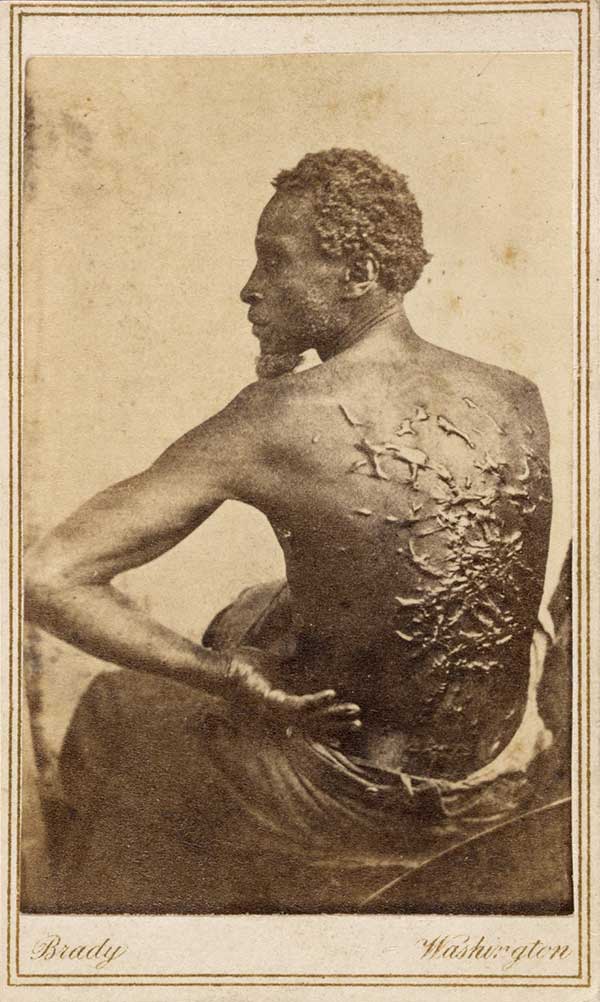
Similarly, the descendants of slavery in our nation have endured centuries of systemic oppression, exploitation, and injustice. From the transatlantic slave trade to centuries of racial discrimination and inequality, the effects of slavery continue to reverberate through generations. Additionally, our community has suffered under the brutal regime of Jim Crow laws, segregation, and racial violence, which systematically disenfranchised and marginalized us.
Our education system has also been a battleground for inequality, with segregated schools, unequal funding, and discriminatory practices denying generations of Black children access to quality education and perpetuating cycles of poverty and disadvantage. This has contributed to significant disparities in academic achievement and opportunities for advancement.
In employment, Black individuals continue to face discrimination in hiring, promotion, and wages, resulting in persistent disparities in income and wealth accumulation. Furthermore, discriminatory practices in housing, such as redlining and housing discrimination, have limited our community's ability to access safe and affordable housing and have perpetuated segregation and economic inequality.
We believe that it is time for the government to acknowledge and address the historical and ongoing impact of slavery and its legacies on our communities comprehensively. This includes but is not limited to reparations in the form of financial compensation, educational and economic opportunities, healthcare access, and policies aimed at rectifying the deep-seated inequalities that persist to this day.
Furthermore, we request autonomy for our communities to govern ourselves and address our unique needs and challenges. Autonomy would empower us to create and implement policies that promote our well-being, preserve our culture, and address the systemic injustices that continue to affect us.
Just as God fulfilled his promise to the Israelites, we call upon the government to fulfill its moral obligation to provide redress, restitution, autonomy, and comprehensive reforms in education, employment, and housing to the descendants of slavery. It is not just a matter of justice but also a step towards healing and reconciliation in our nation.
We urge you to take immediate and comprehensive action on this matter and work towards a future where all citizens can enjoy equality, dignity, autonomy, and access to quality education, employment, housing, and justice.
We, the so-called African Americans and descendants of slavery, are exercising our rights under the 1st Amendment of the United States Constitution. This amendment guarantees that "Congress shall make no laws respecting an establishment of religion, or prohibiting the free exercise thereof; or abridging the freedom of speech, or of the press; or the right of the people peaceably to assemble, and to petition the government for a redress of grievances."
Furthermore, we are exercising our enumerated rights that are protected by the law. The 9th Amendment of the United States Constitution ensures that "the enumeration in the Constitution, of certain rights, shall not be construed to deny or disparage others retained by the people." Drawing from Public Law 97-280, which recognizes the Bible as the Word of God, we assert our right to practice and express our religious beliefs as a people with a shared history and tradition.
Our argument is based on the history and tradition of our nation, as the Bible holds significant cultural and religious significance in our society. This is a retained right by us, originating from God, and we hold a sincere faith and belief in the scriptures, which are sacred in our religious tradition.
In support of our argument, we would like to reference the following legal foundations:
U.S. Constitution, 1st Amendment - Freedom of Religion, Speech, Press, Assembly, and Petition
U.S. Constitution, 9th Amendment - Protection of rights not explicitly listed in the Constitution
Public Law 97-280 - Recognizing the Bible as the Word of God
Religious Freedom Restoration Act (RFRA) of 1993 - Prohibits the government from substantially burdening a person's exercise of religion
Supreme Court cases upholding religious freedom (e.g., Burwell v. Hobby Lobby Stores, Inc., 573 U.S. 682 (2014); Church of the Lukumi Babalu Aye, Inc. v. City of Hialeah, 508 U.S. 520 (1993))
Additionally, we emphasize the importance of various biblical scriptures that guide our beliefs and practices, including passages such as Deuteronomy 6:4-9, Proverbs 22:6, and Ephesians 4:1-6. These verses, among others, serve as the foundation for our faith and our commitment to seeking justice and righteousness.
Furthermore, we must address the profound impact of the 14th Amendment on the descendants of slavery. This amendment, while ostensibly ensuring equal protection under the law, has historically forced the so-called African Americans to assimilate, which is a form of cultural genocide. When a minority or indigenous group is compelled to relinquish their cultural identity, language, norms, and customs to fit into the dominant group, it constitutes genocide. Forced assimilation often occurs rapidly due to the threat of violence, and cultural genocide is closely associated with imperialism and settler-colonialism. This includes forced religious conversion, child removal, and the outlawing of cultural expression.
Genocidal acts include:
Killing members of the group, including direct killing and actions causing death.
Causing serious bodily or mental harm, such as widespread torture, rape, sexual violence, forced or coerced use of drugs, and mutilation.
Deliberately inflicting conditions of life calculated to destroy the group, such as deprivation of resources needed for physical survival (clean water, food, clothing, shelter, medical services), which can be imposed through confiscation of harvests, blockades of foodstuffs, bombing of hospitals, bombing of civilian housing, and detention in camps.
Prevention of births, including involuntary sterilization, forced abortion, prohibition of marriage, and long-term separation of men and women to prevent procreation.
Forcible transfer of children, which can occur through direct force, removal of children to schools where their language or culture is prohibited, or through fear, violence, duress, detention, human trafficking, psychological oppression, or other methods of coercion.
These genocidal acts do not necessarily involve killing; causing serious bodily or mental harm, inflicting unlivable conditions, preventing births, and transferring children are acts of genocide when committed as part of a policy to destroy a group's existence.
In light of these legal and religious foundations, we respectfully assert our right to practice our beliefs, seek redress for historical injustices, and honor our shared cultural heritage as descendants of slavery. We call upon the government to take immediate and comprehensive action to address these issues and work towards a future where all citizens can enjoy equality, dignity, autonomy, and justice.
Sincerely,
We, the people, the American descendants of slavery.
Petition for Redress to the Government
1. Title Page
Title: Petition for Redress of Grievances for Restitution for African Americans
Date
Petitioner’s American Descendants of Slavery
Recipient: United States Congress, specifically the Speaker of the House and the President of the Senate and President of the United States, Department of Justice: The DOJ, United States Commission on Civil Rights, United Nations
2. Introduction
Purpose: State the purpose of the petition, which is to seek redress for the historical injustices committed against Negro, Color, African Americans, Black including slavery, segregation, and systemic discrimination.
Legal Basis: Cite the constitutional and legal principles that support this petition, such as the Ninth Amendment and the Equal Protection Clause of the Fourteenth Amendment.
3. Historical Context
Slavery and Segregation: A Historical Overview
Slavery in the United States dates back to 1619, when the first African slaves arrived in the colony of Virginia. Over the next two centuries, the institution of slavery expanded, primarily in the southern states, where enslaved Africans were forced to labor on plantations.
Pre-Civil War Era: During this period, enslaved Africans faced inhumane treatment and endured harsh working conditions. Slave codes were enacted to maintain control, and families were often separated through sale.
Civil War and Emancipation: The Civil War (1861-1865) resulted in the abolition of slavery with the ratification of the 13th Amendment in 1865. However, this did not immediately lead to equal rights for African Americans.
Reconstruction and Jim Crow Laws: After the Civil War, the Reconstruction Era saw some progress, but it was short-lived. Jim Crow laws were enacted in the late 19th century, enforcing racial segregation in public facilities, schools, and transportation.
Plessy v. Ferguson: In 1896, the Supreme Court upheld racial segregation under the "separate but equal" doctrine in Plessy v. Ferguson, further entrenching discrimination.
Civil Rights Movement: Throughout the 1950s and 1960s, African Americans organized and protested against segregation and discrimination. Key victories included the Supreme Court's 1954 decision in Brown v. Board of Education, overturning school segregation, and the Civil Rights Act of 1964, which prohibited discrimination based on race, color, religion, sex, or national origin.
Despite these advances, the legacy of slavery and segregation continues to impact African Americans through systemic inequalities, such as disparities in education, housing, healthcare, and criminal justice. The wealth gap between African Americans and white Americans is a result of centuries of discrimination, as African Americans were denied opportunities to accumulate and pass down wealth through generations. The ongoing struggle for racial justice highlights the need to address the lasting effects of these historical injustices.
Ongoing Discrimination: Persistent Inequalities Faced by African Americans
The historical injustices of slavery and segregation have contributed to persistent economic, social, and legal disparities that continue to affect African Americans today. Here are some key areas where these disparities remain prevalent:
Economic Disparities:* The wealth gap: According to the Federal Reserve's 2019 Survey of Consumer Finances, the median wealth of white families is $188,200, compared to just $24,100 for Black families. This vast disparity can be attributed to historical exclusion from economic opportunities, such as homeownership, and ongoing discrimination in employment and financial systems.
Employment: African Americans face higher unemployment rates and are often overrepresented in low-wage jobs, contributing to income inequality.
Social Disparities:
Education: Schools serving predominantly Black students are often underfunded and under-resourced, perpetuating disparities in educational outcomes.* Housing: African Americans continue to face discrimination in the housing market, including barriers to homeownership, unequal access to credit, and disproportionate exposure to environmental hazards.
Healthcare: Health disparities persist, with African Americans experiencing higher rates of chronic conditions, such as diabetes and heart disease, and having reduced access to quality healthcare services.
Legal Disparities:
Criminal Justice System: African Americans are overrepresented in the criminal justice system, facing higher rates of incarceration, harsher sentences, and racial bias in policing.
Voting Rights: Despite the Voting Rights Act of 1965, voter suppression tactics, such as restrictive voter ID laws and gerrymandering, continue to disproportionately impact African American communities.
These ongoing disparities demonstrate the need for comprehensive and targeted policies that address the systemic inequalities resulting from historical injustices. Reparations, alongside broader efforts to combat discrimination and promote racial justice, can play a crucial role in healing these deep-rooted societal wounds.
4. Constitutional and Legal Framework
Ninth Amendment: Argument
The Ninth Amendment states that "The enumeration in the Constitution, of certain rights, shall not be construed to deny or disparage others retained by the people." This implies that there are unenumerated rights not explicitly listed in the Constitution but retained by the people.
The right to restitution for historical injustices can be argued as one such unenumerated right. This right aligns with the fundamental constitutional principles of justice, equality, and the pursuit of happiness. It is rooted in the idea that individuals and communities should be able to seek redress for past wrongs that have significantly impacted their lives and well-being.
Moreover, the Bible and its teachings have played a significant role in shaping American cultural and legal traditions. In 1983, Congress passed Public Law 97-280, which declared that year as the "Year of the Bible," acknowledging the profound influence of the Bible on American society. The law stated that the Bible "has made a unique contribution in shaping the United States as a distinctive and blessed nation and people."
Given the deep historical and cultural significance of the Bible and its teachings in the United States, the right to restitution for historical injustices can be seen as a natural extension of the moral principles that have shaped the nation. Consequently, recognizing and protecting this right would be consistent with the spirit of the Ninth Amendment and the broader American legal tradition.
Equal Protection Clause (Fourteenth Amendment): the Fourteenth Amendment guarantees that no state shall "deny to any person within its jurisdiction the equal protection of the laws." This clause aims to ensure that all individuals are treated equally and fairly under the law, regardless of their race, gender, religion, or other characteristics.
Restitution for historical injustices can be viewed as a necessary measure to fulfill the promise of the Equal Protection Clause. This is because historical injustices, such as slavery and segregation, have resulted in systemic inequalities that continue to disadvantage certain groups today, particularly African Americans. These disparities in areas like education, housing, employment, and criminal justice contradict the principle of equal protection under the law.
By providing restitution for historical injustices, the government can take proactive steps to address and mitigate the lasting impacts of past discrimination and ensure that all individuals, regardless of their background, are afforded equal opportunities and protections. Restitution can help level the playing field and foster a more just and equitable society, thereby upholding the core values embodied in the Equal Protection Clause.
In this way, the call for restitution is not about granting preferential treatment to a particular group; rather, it is about rectifying systemic injustices and ensuring that the rights guaranteed by the Constitution are truly available to all.
Precedents and Legislative Efforts:
Korematsu v. United States, 584 F. Supp. 1406 (N.D. Cal. 1984): The case of Korematsu v. United States (584 F. Supp. 1406 (N.D. Cal. 1984)) provides a significant precedent for addressing historical injustices through reparations. Fred Korematsu, an American citizen of Japanese descent, challenged the constitutionality of Executive Order 9066, which led to the forced relocation and internment of Japanese Americans during World War II.
In this case, Korematsu's conviction for violating the exclusion order was overturned in 1984, and the court acknowledged the government's misrepresentation of facts and the violation of constitutional rights. This recognition of the injustice faced by Japanese Americans during WWII set the stage for the Civil Liberties Act of 1988.
The Civil Liberties Act of 1988 provided several forms of reparations to Japanese Americans who were interned during WWII, including:
An official apology from the U.S. government, acknowledging the injustice of internment.
A $20,000 payment to each surviving internee as a form of redress.
The creation of a public education fund to ensure that the history of internment and its lessons are not forgotten.
This case demonstrates that the government can acknowledge past wrongs, provide restitution, and work towards healing historical injustices. Similarly, advocates for addressing the injustices faced by African Americans argue that reparations can serve as a means to redress the lasting impacts of slavery, segregation, and ongoing discrimination, which aligns with the Equal Protection Clause's mandate to ensure equal protection under the law.
Civil Rights Act of 1964: The Civil Rights Act of 1964 is a landmark piece of legislation in the United States that serves as an essential example of legislative efforts to combat systemic discrimination. Signed into law by President Lyndon B. Johnson, the Civil Rights Act aimed to eliminate discrimination based on race, color, religion, sex, or national origin. The act addressed various aspects of discrimination, including:
Voting rights: The act reinforced the right to vote for all citizens regardless of race, outlawing discriminatory voting practices, such as poll taxes and literacy tests.
Public accommodations: The act prohibited discrimination in public facilities, such as hotels, restaurants, and theaters, ensuring equal access for all individuals.
Education: The act desegregated public schools, prohibiting discrimination based on race, color, sex, religion, or national origin.
Employment: The act established the Equal Employment Opportunity Commission (EEOC) to enforce laws against workplace discrimination and prohibited employers from discriminating against employees or job applicants based on protected characteristics.
The Civil Rights Act of 1964 has played a crucial role in dismantling systemic discrimination and promoting equal rights in various aspects of American life. It demonstrates how legislative efforts can directly challenge and change discriminatory practices, creating a more equitable society.
In the context of reparations for historical injustices, the Civil Rights Act provides an example of the government's ability to enact sweeping legislation aimed at addressing systemic discrimination. It shows that Congress has the power and responsibility to tackle deep-rooted inequalities, even when these issues may be politically and socially contentious. By building on the legacy of the Civil Rights Act and similar legislative efforts, advocates argue that reparations can further the goal of achieving equal protection under the law for African Americans and other marginalized groups.
5. Biblical and Moral Teachings
Justice and Fairness (Micah 6:8): The biblical call to act justly and love mercy underscores the importance of pursuing fairness and compassion in society, challenging us to address historical injustices and create a more equitable world.
Restitution for Wrongdoing (Exodus 22:1): The Bible's teachings on restitution are explicitly demonstrated in passages like Exodus 22:1, emphasizing the importance of taking responsibility for past wrongdoings and restoring what has been lost or damaged.
Equality and Compassion (Galatians 3:28): The message of unity and equality in Galatians 3:28 aligns with the pursuit of social equity and justice, advocating for the equal treatment and value of all individuals.
Love Your Neighbor (Matthew 22:39): The moral duty to address wrongs done to others is emphasized in Matthew 22:39, as restitution provides a tangible way to demonstrate love and compassion towards those who have been harmed by historical injustices.
Breaking Oppression (Isaiah 58:6): The call for justice and liberation from oppression in Isaiah 58:6 further supports the biblical foundation for pursuing restitution, seeking to break the chains of injustice and foster a more equitable and compassionate society.
Restitution and Justice Principles:
Exodus 22:1-14: These verses outline various laws on restitution, emphasizing that wrongs should be righted, and compensation should be made to those who have been wronged.
Exodus 22:1: "If someone steals an ox or a sheep and slaughters it or sells it, they must pay back five head of cattle for the ox and four sheep for the sheep."
Leviticus 6:1-7: This passage speaks about making restitution for wrongs and adding a fifth of the value to it.
Leviticus 6:4-5: "If they have sinned and realize their guilt and return what they took by robbery or what they obtained by oppression... they must make restitution in full, add a fifth of the value to it and give it all to the owner on the day they present their guilt offering."
Generational Consequences:
Exodus 20:5: This verse mentions the idea of iniquity affecting future generations.
Exodus 20:5: "You shall not bow down to them or worship them; for I, the Lord your God, am a jealous God, punishing the children for the sin of the parents to the third and fourth generation of those who hate me."
Numbers 14:18: This emphasizes that the consequences of sin can affect multiple generations.
Numbers 14:18: "The Lord is slow to anger, abounding in love and forgiving sin and rebellion. Yet he does not leave the guilty unpunished; he punishes the children for the sin of the parents to the third and fourth generation."
Personal Responsibility:
Ezekiel 18:20: This verse makes it clear that individuals are responsible for their own sins.
Ezekiel 18:20: "The one who sins is the one who will die. The child will not share the guilt of the parent, nor will the parent share the guilt of the child. The righteousness of the righteous will be credited to them, and the wickedness of the wicked will be charged against them."
Release and Compensation of Slaves:
Deuteronomy 15:12-15: These verses talk about releasing Hebrew slaves and providing them with resources.
Deuteronomy 15:13-14: "And when you release them, do not send them away empty-handed. Supply them liberally from your flock, your threshing floor and your winepress. Give to them as the Lord your God has blessed you."
Year of Jubilee:
Leviticus 25:10: This introduces the concept of the Year of Jubilee, where slaves were freed, and property was returned.
Leviticus 25:10: "Consecrate the fiftieth year and proclaim liberty throughout the land to all its inhabitants. It shall be a jubilee for you; each of you is to return to your family property and to your own clan."
These passages provide a framework for understanding biblical principles of justice, restitution, and the treatment of those who have been wronged. While they do not explicitly call for restitution for the descendants of slaves, these principles should be considered when discussing modern issues of restitution and compensation for historical injustices such as slavery.
6. Economic and Social Justice
Economic Disparities: A Legacy Of Historical Injustices
The economic disparities between African Americans and other groups in the United States are well-documented and can be attributed to the long-lasting impacts of historical injustices such as slavery, segregation, and ongoing discrimination. Some key statistics that illustrate these disparities include:
Wealth Gap: According to the Federal Reserve's 2019 Survey of Consumer Finances, the median wealth of white families is $188,200, compared to just $24,100 for Black families. This significant wealth gap can be traced back to the exclusion of African Americans from economic opportunities and the intergenerational transfer of wealth.
Income Inequality: Despite progress in educational attainment, African Americans continue to face income disparities. The U.S. Census Bureau reports that in 2021, the median household income for Black households was $46,774, compared to $72,923 for non-Hispanic white households.
Unemployment: African Americans face higher unemployment rates than other groups. In 2021, the Bureau of Labor Statistics reported that the unemployment rate for Black workers was 8.6%, compared to 4.5% for white workers.
Homeownership: The homeownership rate for Black Americans lags behind other groups, a result of historical discriminatory practices like redlining and ongoing barriers to accessing credit. The U.S. Census Bureau reports that in the first quarter of 2023, the Black homeownership rate was 45.1%, compared to 74.6% for non-Hispanic white households.
Retirement Savings: African Americans are less likely to have access to employer-sponsored retirement plans and face greater challenges saving for retirement. A study by the National Institute on Retirement Security found that the median retirement savings for Black households near retirement age is $46,100, compared to $152,400 for white households.
These economic disparities highlight the lasting impact of historical injustices and systemic racism on African Americans' ability to build wealth and achieve economic security. Restitution can serve as a means to address these disparities, providing resources and opportunities to help close the wealth gap and promote greater economic equity.
Social Equity: The Necessity Of Restitution
Social equity is the pursuit of fairness, justice, and equal opportunities in society, particularly for those who have been historically disadvantaged or marginalized. Restitution plays a crucial role in achieving social equity by addressing historical injustices and systemic inequalities that continue to impact vulnerable populations, such as African Americans.
Recognizing Historical Injustices: Restitution acknowledges the enduring effects of past wrongdoings, such as slavery and segregation, which have contributed to the current economic, social, and legal disparities faced by African Americans.
Redressing Systemic Inequalities: Restitution seeks to provide redress for the systemic barriers that have impeded African Americans' ability to accumulate wealth and enjoy equal opportunities in education, housing, and employment.
Healing and Reconciliation: By providing restitution, society can begin to heal the deep wounds caused by historical injustices and work towards reconciliation between different racial groups.
Creating a Level Playing Field: Restitution can help level the playing field by providing resources and opportunities to those who have been disadvantaged by systemic inequalities, ultimately fostering a more equitable and just society.
In sum, restitution is necessary for achieving social equity and justice because it addresses the root causes of persistent disparities and seeks to repair the harm caused by historical injustices. By doing so, society can move closer to realizing the ideals of fairness, equality, and justice for all its members.
7. Policy Proposals
Financial Compensation: Direct Payment to Desendants of Enslaved People
Direct financial compensation is one form of restitution that can be used to address the historical injustices faced by African Americans. By providing financial resources to the descendants of enslaved people, this approach seeks to close the racial wealth gap and promote economic equity. Some key considerations for implementing direct financial compensation include:
Eligibility Criteria: Establish clear guidelines to determine eligibility, such as requiring applicants to demonstrate their ancestry and provide evidence of the impact of slavery and discrimination on their family's economic status.
Reparations Fund: Establish a dedicated fund to finance the payments, which could be sourced from various channels, such as federal budget allocations, corporate contributions, or a wealth tax on the wealthiest Americans.
Payment Structure: Determine the amount of compensation and whether it will be a one-time payment, annual payments over a specific period, or a combination of both.
Distribution Mechanism: Set up an efficient, transparent, and accountable process to distribute the funds, potentially involving collaboration with community-based organizations or financial institutions.
Complementary Measures: Direct financial compensation should be coupled with other initiatives that address systemic barriers to economic opportunities, such as investments in education, housing, and employment programs.
Direct financial compensation to descendants of enslaved people is a concrete way to recognize and redress the economic exploitation of their ancestors. It provides a means to address the intergenerational wealth disparities resulting from slavery and ongoing discrimination, ultimately contributing to greater economic justice and social equity.
Educational and Economic Programs: Investing in Scholarship Grants, and Housing Assistance
Education and economic opportunities are crucial components of addressing the lasting impacts of historical injustices on African American communities. By implementing targeted programs and initiatives, society can promote greater equity and support the growth and development of these communities. Some potential programs include:
Scholarships: Establish scholarship funds specifically for African American students pursuing higher education, with a focus on fields that have historically excluded Black people or have the potential to address disparities (e.g., STEM, healthcare, law, and education).
Business Grants: Offer grants and low-interest loans to support African American entrepreneurs in starting or expanding businesses. These programs can also provide mentorship, training, and resources to help businesses succeed in the long term.
Housing Assistance: Implement housing programs that promote affordable homeownership and rental opportunities for African American families. These can include down payment assistance, low-interest mortgages, and rental subsidies, as well as efforts to increase access to quality, affordable housing in safe neighborhoods.
Job Training and Placement Programs: Develop initiatives that connect African American job seekers with high-quality employment opportunities and provide training in in-demand skills and industries. This can help address disparities in employment and income levels.
Community Development Financial Institutions (CDFIs): Invest in and partner with CDFIs that are dedicated to providing financial services and resources to low-income and underserved communities, including African American neighborhoods.
By prioritizing educational and economic programs like these, society can help redress the long-term consequences of historical injustices on African American communities and create a more equitable and prosperous future for all.
Community Investment: Strengthening Infrastructure, Education and Healthcare
Investing in African American communities is crucial for addressing historical injustices and promoting social equity. By focusing on key areas such as infrastructure, education, and healthcare, we can create lasting positive change and empower these communities to thrive. Some recommendations include:
Infrastructure: Invest in the development and maintenance of essential infrastructure, including transportation, public utilities, and green spaces. This will help to improve the quality of life and economic opportunities in these communities.
Education: Allocate funds to enhance the quality of public schools in African American neighborhoods, including updating facilities, hiring highly qualified teachers, and providing access to technology and resources. Implement culturally responsive curricula that promote inclusivity and equity.
Early Childhood Education: Ensure access to high-quality early childhood education programs, which are essential for long-term academic success and social development.
Healthcare: Improve access to affordable and quality healthcare in African American communities by investing in clinics, hospitals, and community health initiatives. Address disparities in healthcare outcomes by focusing on preventative care, chronic disease management, and mental health services.
Nutrition: Address food insecurity and nutrition-related health issues by investing in healthy food options, community gardens, and nutrition education programs.
Community Centers: Develop and support community centers that provide recreational activities, educational programs, and social services tailored to the needs of African American communities. These centers can serve as hubs for community engagement and empowerment.
By prioritizing community investments like these, we can create a more equitable and just society that supports the well-being and success of African American communities. This holistic approach will help to address the lasting effects of historical injustices and promote long-term positive change.
8. Conclusion
Summary
This petition highlights the urgent need for restitution to address the historical injustices faced by African Americans.
We have examined the lasting impacts of slavery, Jim Crow laws, and ongoing discrimination on the economic, social, and legal standing of African American communities.
Legal frameworks, such as international human rights law and the U.S. Constitution, provide a foundation for seeking redress for these injustices.
Biblical principles of justice, fairness, and restitution further reinforce the moral imperative to act.
Proposed measures include direct financial compensation, educational and economic programs, community investments, and social equity initiatives.
· Call to Action for Supporters
· By signing this petition, you are taking a stand for justice and equality, acknowledging the historical injustices faced by African Americans, and supporting their right to restitution. Your signature demonstrates a commitment to addressing the lasting impacts of these injustices and promoting a more inclusive and equitable society.
· As we unite in this effort, we call on the government to implement comprehensive measures that address the economic, social, and legal disparities that continue to affect African American communities today. This includes direct financial compensation, targeted investments in education, economic opportunities, and community development, as well as the promotion of social equity initiatives.
· Together, our collective voices can drive change and ensure that the government takes concrete steps to redress the wrongs of the past. Your support is crucial in building momentum and creating a brighter, more equitable future for all Americans. Sign the petition today, and join us in the pursuit of justice and healing for African American communities.
Call to Action for Supporters
· By signing this petition, you are taking a stand for justice and equality, acknowledging the historical injustices faced by African Americans, and supporting their right to restitution. Your signature demonstrates a commitment to addressing the lasting impacts of these injustices and promoting a more inclusive and equitable society.
· As we unite in this effort, we call on the government to implement comprehensive measures that address the economic, social, and legal disparities that continue to affect African American communities today. This includes direct financial compensation, targeted investments in education, economic opportunities, and community development, as well as the promotion of social equity initiatives.
· Together, our collective voices can drive change and ensure that the government takes concrete steps to redress the wrongs of the past. Your support is crucial in building momentum and creating a brighter, more equitable future for all Americans. Sign the petition today, and join us in the pursuit of justice and healing for African American communities.
9. Signatures
Petitioner’s Signature
Supporters’ Signatures: Collect signatures from individuals and organizations that support the petition.
Conclusion
In conclusion, the pursuit of restitution for African Americans is a critical step towards addressing historical injustices and promoting social equity. By framing this effort as a petition for redress to the government, we engage with the political and legal system, invoking constitutional rights, historical precedents, and moral imperatives to bolster the case for restitution.
The enduring impacts of slavery, segregation, and discrimination necessitate a comprehensive approach that encompasses financial compensation, educational and economic opportunities, community investments, and social equity initiatives. This multifaceted strategy acknowledges the depth and complexity of these historical wrongs while offering a path towards healing, reconciliation, and a more just society.
As we move forward, it is crucial to maintain an ongoing dialogue about the importance of restitution and the specific measures required to achieve it. By continuing to raise awareness, build support, and collaborate with stakeholders at all levels, we can work towards a future where the injustices of the past are addressed and all individuals have equal opportunities to thrive. Together, we can transform this petition for redress into meaningful action and lasting change for African American communities and the nation as a whole.



41
The Issue
Dear United States Congress, the Speaker of the House, the President of the Senate, the President of the United States, the Department of Justice, the United States Commission on Civil Rights, and the United Nations,
I am writing to you on behalf of the descendants of slavery in our nation, seeking redress and acknowledgment of the injustices suffered by our ancestors. As we approach this issue, we are reminded of God's promise to the Israelites for restitution and justice.
Just as God intervened on behalf of the Israelites, delivering them from bondage and establishing them as a nation, so too may we discern a divine imperative for justice and restitution for those who have suffered under the yoke of slavery and systemic oppression.
In Exodus 3:7-10, God heard the cries of the Israelites who were enslaved in Egypt and promised them deliverance and a land flowing with milk and honey. This promise was not just about freedom but also about restitution for the suffering they endured under oppression.
Similarly, the descendants of slavery in our nation have endured centuries of systemic oppression, exploitation, and injustice. From the transatlantic slave trade to centuries of racial discrimination and inequality, the effects of slavery continue to reverberate through generations. Additionally, our community has suffered under the brutal regime of Jim Crow laws, segregation, and racial violence, which systematically disenfranchised and marginalized us.
Our education system has also been a battleground for inequality, with segregated schools, unequal funding, and discriminatory practices denying generations of Black children access to quality education and perpetuating cycles of poverty and disadvantage. This has contributed to significant disparities in academic achievement and opportunities for advancement.
In employment, Black individuals continue to face discrimination in hiring, promotion, and wages, resulting in persistent disparities in income and wealth accumulation. Furthermore, discriminatory practices in housing, such as redlining and housing discrimination, have limited our community's ability to access safe and affordable housing and have perpetuated segregation and economic inequality.
We believe that it is time for the government to acknowledge and address the historical and ongoing impact of slavery and its legacies on our communities comprehensively. This includes but is not limited to reparations in the form of financial compensation, educational and economic opportunities, healthcare access, and policies aimed at rectifying the deep-seated inequalities that persist to this day.
Furthermore, we request autonomy for our communities to govern ourselves and address our unique needs and challenges. Autonomy would empower us to create and implement policies that promote our well-being, preserve our culture, and address the systemic injustices that continue to affect us.
Just as God fulfilled his promise to the Israelites, we call upon the government to fulfill its moral obligation to provide redress, restitution, autonomy, and comprehensive reforms in education, employment, and housing to the descendants of slavery. It is not just a matter of justice but also a step towards healing and reconciliation in our nation.
We urge you to take immediate and comprehensive action on this matter and work towards a future where all citizens can enjoy equality, dignity, autonomy, and access to quality education, employment, housing, and justice.
We, the so-called African Americans and descendants of slavery, are exercising our rights under the 1st Amendment of the United States Constitution. This amendment guarantees that "Congress shall make no laws respecting an establishment of religion, or prohibiting the free exercise thereof; or abridging the freedom of speech, or of the press; or the right of the people peaceably to assemble, and to petition the government for a redress of grievances."
Furthermore, we are exercising our enumerated rights that are protected by the law. The 9th Amendment of the United States Constitution ensures that "the enumeration in the Constitution, of certain rights, shall not be construed to deny or disparage others retained by the people." Drawing from Public Law 97-280, which recognizes the Bible as the Word of God, we assert our right to practice and express our religious beliefs as a people with a shared history and tradition.
Our argument is based on the history and tradition of our nation, as the Bible holds significant cultural and religious significance in our society. This is a retained right by us, originating from God, and we hold a sincere faith and belief in the scriptures, which are sacred in our religious tradition.
In support of our argument, we would like to reference the following legal foundations:
U.S. Constitution, 1st Amendment - Freedom of Religion, Speech, Press, Assembly, and Petition
U.S. Constitution, 9th Amendment - Protection of rights not explicitly listed in the Constitution
Public Law 97-280 - Recognizing the Bible as the Word of God
Religious Freedom Restoration Act (RFRA) of 1993 - Prohibits the government from substantially burdening a person's exercise of religion
Supreme Court cases upholding religious freedom (e.g., Burwell v. Hobby Lobby Stores, Inc., 573 U.S. 682 (2014); Church of the Lukumi Babalu Aye, Inc. v. City of Hialeah, 508 U.S. 520 (1993))
Additionally, we emphasize the importance of various biblical scriptures that guide our beliefs and practices, including passages such as Deuteronomy 6:4-9, Proverbs 22:6, and Ephesians 4:1-6. These verses, among others, serve as the foundation for our faith and our commitment to seeking justice and righteousness.
Furthermore, we must address the profound impact of the 14th Amendment on the descendants of slavery. This amendment, while ostensibly ensuring equal protection under the law, has historically forced the so-called African Americans to assimilate, which is a form of cultural genocide. When a minority or indigenous group is compelled to relinquish their cultural identity, language, norms, and customs to fit into the dominant group, it constitutes genocide. Forced assimilation often occurs rapidly due to the threat of violence, and cultural genocide is closely associated with imperialism and settler-colonialism. This includes forced religious conversion, child removal, and the outlawing of cultural expression.
Genocidal acts include:
Killing members of the group, including direct killing and actions causing death.
Causing serious bodily or mental harm, such as widespread torture, rape, sexual violence, forced or coerced use of drugs, and mutilation.
Deliberately inflicting conditions of life calculated to destroy the group, such as deprivation of resources needed for physical survival (clean water, food, clothing, shelter, medical services), which can be imposed through confiscation of harvests, blockades of foodstuffs, bombing of hospitals, bombing of civilian housing, and detention in camps.
Prevention of births, including involuntary sterilization, forced abortion, prohibition of marriage, and long-term separation of men and women to prevent procreation.
Forcible transfer of children, which can occur through direct force, removal of children to schools where their language or culture is prohibited, or through fear, violence, duress, detention, human trafficking, psychological oppression, or other methods of coercion.
These genocidal acts do not necessarily involve killing; causing serious bodily or mental harm, inflicting unlivable conditions, preventing births, and transferring children are acts of genocide when committed as part of a policy to destroy a group's existence.
In light of these legal and religious foundations, we respectfully assert our right to practice our beliefs, seek redress for historical injustices, and honor our shared cultural heritage as descendants of slavery. We call upon the government to take immediate and comprehensive action to address these issues and work towards a future where all citizens can enjoy equality, dignity, autonomy, and justice.
Sincerely,
We, the people, the American descendants of slavery.
Petition for Redress to the Government
1. Title Page
Title: Petition for Redress of Grievances for Restitution for African Americans
Date
Petitioner’s American Descendants of Slavery
Recipient: United States Congress, specifically the Speaker of the House and the President of the Senate and President of the United States, Department of Justice: The DOJ, United States Commission on Civil Rights, United Nations
2. Introduction
Purpose: State the purpose of the petition, which is to seek redress for the historical injustices committed against Negro, Color, African Americans, Black including slavery, segregation, and systemic discrimination.
Legal Basis: Cite the constitutional and legal principles that support this petition, such as the Ninth Amendment and the Equal Protection Clause of the Fourteenth Amendment.
3. Historical Context
Slavery and Segregation: A Historical Overview
Slavery in the United States dates back to 1619, when the first African slaves arrived in the colony of Virginia. Over the next two centuries, the institution of slavery expanded, primarily in the southern states, where enslaved Africans were forced to labor on plantations.
Pre-Civil War Era: During this period, enslaved Africans faced inhumane treatment and endured harsh working conditions. Slave codes were enacted to maintain control, and families were often separated through sale.
Civil War and Emancipation: The Civil War (1861-1865) resulted in the abolition of slavery with the ratification of the 13th Amendment in 1865. However, this did not immediately lead to equal rights for African Americans.
Reconstruction and Jim Crow Laws: After the Civil War, the Reconstruction Era saw some progress, but it was short-lived. Jim Crow laws were enacted in the late 19th century, enforcing racial segregation in public facilities, schools, and transportation.
Plessy v. Ferguson: In 1896, the Supreme Court upheld racial segregation under the "separate but equal" doctrine in Plessy v. Ferguson, further entrenching discrimination.
Civil Rights Movement: Throughout the 1950s and 1960s, African Americans organized and protested against segregation and discrimination. Key victories included the Supreme Court's 1954 decision in Brown v. Board of Education, overturning school segregation, and the Civil Rights Act of 1964, which prohibited discrimination based on race, color, religion, sex, or national origin.
Despite these advances, the legacy of slavery and segregation continues to impact African Americans through systemic inequalities, such as disparities in education, housing, healthcare, and criminal justice. The wealth gap between African Americans and white Americans is a result of centuries of discrimination, as African Americans were denied opportunities to accumulate and pass down wealth through generations. The ongoing struggle for racial justice highlights the need to address the lasting effects of these historical injustices.
Ongoing Discrimination: Persistent Inequalities Faced by African Americans
The historical injustices of slavery and segregation have contributed to persistent economic, social, and legal disparities that continue to affect African Americans today. Here are some key areas where these disparities remain prevalent:
Economic Disparities:* The wealth gap: According to the Federal Reserve's 2019 Survey of Consumer Finances, the median wealth of white families is $188,200, compared to just $24,100 for Black families. This vast disparity can be attributed to historical exclusion from economic opportunities, such as homeownership, and ongoing discrimination in employment and financial systems.
Employment: African Americans face higher unemployment rates and are often overrepresented in low-wage jobs, contributing to income inequality.
Social Disparities:
Education: Schools serving predominantly Black students are often underfunded and under-resourced, perpetuating disparities in educational outcomes.* Housing: African Americans continue to face discrimination in the housing market, including barriers to homeownership, unequal access to credit, and disproportionate exposure to environmental hazards.
Healthcare: Health disparities persist, with African Americans experiencing higher rates of chronic conditions, such as diabetes and heart disease, and having reduced access to quality healthcare services.
Legal Disparities:
Criminal Justice System: African Americans are overrepresented in the criminal justice system, facing higher rates of incarceration, harsher sentences, and racial bias in policing.
Voting Rights: Despite the Voting Rights Act of 1965, voter suppression tactics, such as restrictive voter ID laws and gerrymandering, continue to disproportionately impact African American communities.
These ongoing disparities demonstrate the need for comprehensive and targeted policies that address the systemic inequalities resulting from historical injustices. Reparations, alongside broader efforts to combat discrimination and promote racial justice, can play a crucial role in healing these deep-rooted societal wounds.
4. Constitutional and Legal Framework
Ninth Amendment: Argument
The Ninth Amendment states that "The enumeration in the Constitution, of certain rights, shall not be construed to deny or disparage others retained by the people." This implies that there are unenumerated rights not explicitly listed in the Constitution but retained by the people.
The right to restitution for historical injustices can be argued as one such unenumerated right. This right aligns with the fundamental constitutional principles of justice, equality, and the pursuit of happiness. It is rooted in the idea that individuals and communities should be able to seek redress for past wrongs that have significantly impacted their lives and well-being.
Moreover, the Bible and its teachings have played a significant role in shaping American cultural and legal traditions. In 1983, Congress passed Public Law 97-280, which declared that year as the "Year of the Bible," acknowledging the profound influence of the Bible on American society. The law stated that the Bible "has made a unique contribution in shaping the United States as a distinctive and blessed nation and people."
Given the deep historical and cultural significance of the Bible and its teachings in the United States, the right to restitution for historical injustices can be seen as a natural extension of the moral principles that have shaped the nation. Consequently, recognizing and protecting this right would be consistent with the spirit of the Ninth Amendment and the broader American legal tradition.
Equal Protection Clause (Fourteenth Amendment): the Fourteenth Amendment guarantees that no state shall "deny to any person within its jurisdiction the equal protection of the laws." This clause aims to ensure that all individuals are treated equally and fairly under the law, regardless of their race, gender, religion, or other characteristics.
Restitution for historical injustices can be viewed as a necessary measure to fulfill the promise of the Equal Protection Clause. This is because historical injustices, such as slavery and segregation, have resulted in systemic inequalities that continue to disadvantage certain groups today, particularly African Americans. These disparities in areas like education, housing, employment, and criminal justice contradict the principle of equal protection under the law.
By providing restitution for historical injustices, the government can take proactive steps to address and mitigate the lasting impacts of past discrimination and ensure that all individuals, regardless of their background, are afforded equal opportunities and protections. Restitution can help level the playing field and foster a more just and equitable society, thereby upholding the core values embodied in the Equal Protection Clause.
In this way, the call for restitution is not about granting preferential treatment to a particular group; rather, it is about rectifying systemic injustices and ensuring that the rights guaranteed by the Constitution are truly available to all.
Precedents and Legislative Efforts:
Korematsu v. United States, 584 F. Supp. 1406 (N.D. Cal. 1984): The case of Korematsu v. United States (584 F. Supp. 1406 (N.D. Cal. 1984)) provides a significant precedent for addressing historical injustices through reparations. Fred Korematsu, an American citizen of Japanese descent, challenged the constitutionality of Executive Order 9066, which led to the forced relocation and internment of Japanese Americans during World War II.
In this case, Korematsu's conviction for violating the exclusion order was overturned in 1984, and the court acknowledged the government's misrepresentation of facts and the violation of constitutional rights. This recognition of the injustice faced by Japanese Americans during WWII set the stage for the Civil Liberties Act of 1988.
The Civil Liberties Act of 1988 provided several forms of reparations to Japanese Americans who were interned during WWII, including:
An official apology from the U.S. government, acknowledging the injustice of internment.
A $20,000 payment to each surviving internee as a form of redress.
The creation of a public education fund to ensure that the history of internment and its lessons are not forgotten.
This case demonstrates that the government can acknowledge past wrongs, provide restitution, and work towards healing historical injustices. Similarly, advocates for addressing the injustices faced by African Americans argue that reparations can serve as a means to redress the lasting impacts of slavery, segregation, and ongoing discrimination, which aligns with the Equal Protection Clause's mandate to ensure equal protection under the law.
Civil Rights Act of 1964: The Civil Rights Act of 1964 is a landmark piece of legislation in the United States that serves as an essential example of legislative efforts to combat systemic discrimination. Signed into law by President Lyndon B. Johnson, the Civil Rights Act aimed to eliminate discrimination based on race, color, religion, sex, or national origin. The act addressed various aspects of discrimination, including:
Voting rights: The act reinforced the right to vote for all citizens regardless of race, outlawing discriminatory voting practices, such as poll taxes and literacy tests.
Public accommodations: The act prohibited discrimination in public facilities, such as hotels, restaurants, and theaters, ensuring equal access for all individuals.
Education: The act desegregated public schools, prohibiting discrimination based on race, color, sex, religion, or national origin.
Employment: The act established the Equal Employment Opportunity Commission (EEOC) to enforce laws against workplace discrimination and prohibited employers from discriminating against employees or job applicants based on protected characteristics.
The Civil Rights Act of 1964 has played a crucial role in dismantling systemic discrimination and promoting equal rights in various aspects of American life. It demonstrates how legislative efforts can directly challenge and change discriminatory practices, creating a more equitable society.
In the context of reparations for historical injustices, the Civil Rights Act provides an example of the government's ability to enact sweeping legislation aimed at addressing systemic discrimination. It shows that Congress has the power and responsibility to tackle deep-rooted inequalities, even when these issues may be politically and socially contentious. By building on the legacy of the Civil Rights Act and similar legislative efforts, advocates argue that reparations can further the goal of achieving equal protection under the law for African Americans and other marginalized groups.
5. Biblical and Moral Teachings
Justice and Fairness (Micah 6:8): The biblical call to act justly and love mercy underscores the importance of pursuing fairness and compassion in society, challenging us to address historical injustices and create a more equitable world.
Restitution for Wrongdoing (Exodus 22:1): The Bible's teachings on restitution are explicitly demonstrated in passages like Exodus 22:1, emphasizing the importance of taking responsibility for past wrongdoings and restoring what has been lost or damaged.
Equality and Compassion (Galatians 3:28): The message of unity and equality in Galatians 3:28 aligns with the pursuit of social equity and justice, advocating for the equal treatment and value of all individuals.
Love Your Neighbor (Matthew 22:39): The moral duty to address wrongs done to others is emphasized in Matthew 22:39, as restitution provides a tangible way to demonstrate love and compassion towards those who have been harmed by historical injustices.
Breaking Oppression (Isaiah 58:6): The call for justice and liberation from oppression in Isaiah 58:6 further supports the biblical foundation for pursuing restitution, seeking to break the chains of injustice and foster a more equitable and compassionate society.
Restitution and Justice Principles:
Exodus 22:1-14: These verses outline various laws on restitution, emphasizing that wrongs should be righted, and compensation should be made to those who have been wronged.
Exodus 22:1: "If someone steals an ox or a sheep and slaughters it or sells it, they must pay back five head of cattle for the ox and four sheep for the sheep."
Leviticus 6:1-7: This passage speaks about making restitution for wrongs and adding a fifth of the value to it.
Leviticus 6:4-5: "If they have sinned and realize their guilt and return what they took by robbery or what they obtained by oppression... they must make restitution in full, add a fifth of the value to it and give it all to the owner on the day they present their guilt offering."
Generational Consequences:
Exodus 20:5: This verse mentions the idea of iniquity affecting future generations.
Exodus 20:5: "You shall not bow down to them or worship them; for I, the Lord your God, am a jealous God, punishing the children for the sin of the parents to the third and fourth generation of those who hate me."
Numbers 14:18: This emphasizes that the consequences of sin can affect multiple generations.
Numbers 14:18: "The Lord is slow to anger, abounding in love and forgiving sin and rebellion. Yet he does not leave the guilty unpunished; he punishes the children for the sin of the parents to the third and fourth generation."
Personal Responsibility:
Ezekiel 18:20: This verse makes it clear that individuals are responsible for their own sins.
Ezekiel 18:20: "The one who sins is the one who will die. The child will not share the guilt of the parent, nor will the parent share the guilt of the child. The righteousness of the righteous will be credited to them, and the wickedness of the wicked will be charged against them."
Release and Compensation of Slaves:
Deuteronomy 15:12-15: These verses talk about releasing Hebrew slaves and providing them with resources.
Deuteronomy 15:13-14: "And when you release them, do not send them away empty-handed. Supply them liberally from your flock, your threshing floor and your winepress. Give to them as the Lord your God has blessed you."
Year of Jubilee:
Leviticus 25:10: This introduces the concept of the Year of Jubilee, where slaves were freed, and property was returned.
Leviticus 25:10: "Consecrate the fiftieth year and proclaim liberty throughout the land to all its inhabitants. It shall be a jubilee for you; each of you is to return to your family property and to your own clan."
These passages provide a framework for understanding biblical principles of justice, restitution, and the treatment of those who have been wronged. While they do not explicitly call for restitution for the descendants of slaves, these principles should be considered when discussing modern issues of restitution and compensation for historical injustices such as slavery.
6. Economic and Social Justice
Economic Disparities: A Legacy Of Historical Injustices
The economic disparities between African Americans and other groups in the United States are well-documented and can be attributed to the long-lasting impacts of historical injustices such as slavery, segregation, and ongoing discrimination. Some key statistics that illustrate these disparities include:
Wealth Gap: According to the Federal Reserve's 2019 Survey of Consumer Finances, the median wealth of white families is $188,200, compared to just $24,100 for Black families. This significant wealth gap can be traced back to the exclusion of African Americans from economic opportunities and the intergenerational transfer of wealth.
Income Inequality: Despite progress in educational attainment, African Americans continue to face income disparities. The U.S. Census Bureau reports that in 2021, the median household income for Black households was $46,774, compared to $72,923 for non-Hispanic white households.
Unemployment: African Americans face higher unemployment rates than other groups. In 2021, the Bureau of Labor Statistics reported that the unemployment rate for Black workers was 8.6%, compared to 4.5% for white workers.
Homeownership: The homeownership rate for Black Americans lags behind other groups, a result of historical discriminatory practices like redlining and ongoing barriers to accessing credit. The U.S. Census Bureau reports that in the first quarter of 2023, the Black homeownership rate was 45.1%, compared to 74.6% for non-Hispanic white households.
Retirement Savings: African Americans are less likely to have access to employer-sponsored retirement plans and face greater challenges saving for retirement. A study by the National Institute on Retirement Security found that the median retirement savings for Black households near retirement age is $46,100, compared to $152,400 for white households.
These economic disparities highlight the lasting impact of historical injustices and systemic racism on African Americans' ability to build wealth and achieve economic security. Restitution can serve as a means to address these disparities, providing resources and opportunities to help close the wealth gap and promote greater economic equity.
Social Equity: The Necessity Of Restitution
Social equity is the pursuit of fairness, justice, and equal opportunities in society, particularly for those who have been historically disadvantaged or marginalized. Restitution plays a crucial role in achieving social equity by addressing historical injustices and systemic inequalities that continue to impact vulnerable populations, such as African Americans.
Recognizing Historical Injustices: Restitution acknowledges the enduring effects of past wrongdoings, such as slavery and segregation, which have contributed to the current economic, social, and legal disparities faced by African Americans.
Redressing Systemic Inequalities: Restitution seeks to provide redress for the systemic barriers that have impeded African Americans' ability to accumulate wealth and enjoy equal opportunities in education, housing, and employment.
Healing and Reconciliation: By providing restitution, society can begin to heal the deep wounds caused by historical injustices and work towards reconciliation between different racial groups.
Creating a Level Playing Field: Restitution can help level the playing field by providing resources and opportunities to those who have been disadvantaged by systemic inequalities, ultimately fostering a more equitable and just society.
In sum, restitution is necessary for achieving social equity and justice because it addresses the root causes of persistent disparities and seeks to repair the harm caused by historical injustices. By doing so, society can move closer to realizing the ideals of fairness, equality, and justice for all its members.
7. Policy Proposals
Financial Compensation: Direct Payment to Desendants of Enslaved People
Direct financial compensation is one form of restitution that can be used to address the historical injustices faced by African Americans. By providing financial resources to the descendants of enslaved people, this approach seeks to close the racial wealth gap and promote economic equity. Some key considerations for implementing direct financial compensation include:
Eligibility Criteria: Establish clear guidelines to determine eligibility, such as requiring applicants to demonstrate their ancestry and provide evidence of the impact of slavery and discrimination on their family's economic status.
Reparations Fund: Establish a dedicated fund to finance the payments, which could be sourced from various channels, such as federal budget allocations, corporate contributions, or a wealth tax on the wealthiest Americans.
Payment Structure: Determine the amount of compensation and whether it will be a one-time payment, annual payments over a specific period, or a combination of both.
Distribution Mechanism: Set up an efficient, transparent, and accountable process to distribute the funds, potentially involving collaboration with community-based organizations or financial institutions.
Complementary Measures: Direct financial compensation should be coupled with other initiatives that address systemic barriers to economic opportunities, such as investments in education, housing, and employment programs.
Direct financial compensation to descendants of enslaved people is a concrete way to recognize and redress the economic exploitation of their ancestors. It provides a means to address the intergenerational wealth disparities resulting from slavery and ongoing discrimination, ultimately contributing to greater economic justice and social equity.
Educational and Economic Programs: Investing in Scholarship Grants, and Housing Assistance
Education and economic opportunities are crucial components of addressing the lasting impacts of historical injustices on African American communities. By implementing targeted programs and initiatives, society can promote greater equity and support the growth and development of these communities. Some potential programs include:
Scholarships: Establish scholarship funds specifically for African American students pursuing higher education, with a focus on fields that have historically excluded Black people or have the potential to address disparities (e.g., STEM, healthcare, law, and education).
Business Grants: Offer grants and low-interest loans to support African American entrepreneurs in starting or expanding businesses. These programs can also provide mentorship, training, and resources to help businesses succeed in the long term.
Housing Assistance: Implement housing programs that promote affordable homeownership and rental opportunities for African American families. These can include down payment assistance, low-interest mortgages, and rental subsidies, as well as efforts to increase access to quality, affordable housing in safe neighborhoods.
Job Training and Placement Programs: Develop initiatives that connect African American job seekers with high-quality employment opportunities and provide training in in-demand skills and industries. This can help address disparities in employment and income levels.
Community Development Financial Institutions (CDFIs): Invest in and partner with CDFIs that are dedicated to providing financial services and resources to low-income and underserved communities, including African American neighborhoods.
By prioritizing educational and economic programs like these, society can help redress the long-term consequences of historical injustices on African American communities and create a more equitable and prosperous future for all.
Community Investment: Strengthening Infrastructure, Education and Healthcare
Investing in African American communities is crucial for addressing historical injustices and promoting social equity. By focusing on key areas such as infrastructure, education, and healthcare, we can create lasting positive change and empower these communities to thrive. Some recommendations include:
Infrastructure: Invest in the development and maintenance of essential infrastructure, including transportation, public utilities, and green spaces. This will help to improve the quality of life and economic opportunities in these communities.
Education: Allocate funds to enhance the quality of public schools in African American neighborhoods, including updating facilities, hiring highly qualified teachers, and providing access to technology and resources. Implement culturally responsive curricula that promote inclusivity and equity.
Early Childhood Education: Ensure access to high-quality early childhood education programs, which are essential for long-term academic success and social development.
Healthcare: Improve access to affordable and quality healthcare in African American communities by investing in clinics, hospitals, and community health initiatives. Address disparities in healthcare outcomes by focusing on preventative care, chronic disease management, and mental health services.
Nutrition: Address food insecurity and nutrition-related health issues by investing in healthy food options, community gardens, and nutrition education programs.
Community Centers: Develop and support community centers that provide recreational activities, educational programs, and social services tailored to the needs of African American communities. These centers can serve as hubs for community engagement and empowerment.
By prioritizing community investments like these, we can create a more equitable and just society that supports the well-being and success of African American communities. This holistic approach will help to address the lasting effects of historical injustices and promote long-term positive change.
8. Conclusion
Summary
This petition highlights the urgent need for restitution to address the historical injustices faced by African Americans.
We have examined the lasting impacts of slavery, Jim Crow laws, and ongoing discrimination on the economic, social, and legal standing of African American communities.
Legal frameworks, such as international human rights law and the U.S. Constitution, provide a foundation for seeking redress for these injustices.
Biblical principles of justice, fairness, and restitution further reinforce the moral imperative to act.
Proposed measures include direct financial compensation, educational and economic programs, community investments, and social equity initiatives.
· Call to Action for Supporters
· By signing this petition, you are taking a stand for justice and equality, acknowledging the historical injustices faced by African Americans, and supporting their right to restitution. Your signature demonstrates a commitment to addressing the lasting impacts of these injustices and promoting a more inclusive and equitable society.
· As we unite in this effort, we call on the government to implement comprehensive measures that address the economic, social, and legal disparities that continue to affect African American communities today. This includes direct financial compensation, targeted investments in education, economic opportunities, and community development, as well as the promotion of social equity initiatives.
· Together, our collective voices can drive change and ensure that the government takes concrete steps to redress the wrongs of the past. Your support is crucial in building momentum and creating a brighter, more equitable future for all Americans. Sign the petition today, and join us in the pursuit of justice and healing for African American communities.
Call to Action for Supporters
· By signing this petition, you are taking a stand for justice and equality, acknowledging the historical injustices faced by African Americans, and supporting their right to restitution. Your signature demonstrates a commitment to addressing the lasting impacts of these injustices and promoting a more inclusive and equitable society.
· As we unite in this effort, we call on the government to implement comprehensive measures that address the economic, social, and legal disparities that continue to affect African American communities today. This includes direct financial compensation, targeted investments in education, economic opportunities, and community development, as well as the promotion of social equity initiatives.
· Together, our collective voices can drive change and ensure that the government takes concrete steps to redress the wrongs of the past. Your support is crucial in building momentum and creating a brighter, more equitable future for all Americans. Sign the petition today, and join us in the pursuit of justice and healing for African American communities.
9. Signatures
Petitioner’s Signature
Supporters’ Signatures: Collect signatures from individuals and organizations that support the petition.
Conclusion
In conclusion, the pursuit of restitution for African Americans is a critical step towards addressing historical injustices and promoting social equity. By framing this effort as a petition for redress to the government, we engage with the political and legal system, invoking constitutional rights, historical precedents, and moral imperatives to bolster the case for restitution.
The enduring impacts of slavery, segregation, and discrimination necessitate a comprehensive approach that encompasses financial compensation, educational and economic opportunities, community investments, and social equity initiatives. This multifaceted strategy acknowledges the depth and complexity of these historical wrongs while offering a path towards healing, reconciliation, and a more just society.
As we move forward, it is crucial to maintain an ongoing dialogue about the importance of restitution and the specific measures required to achieve it. By continuing to raise awareness, build support, and collaborate with stakeholders at all levels, we can work towards a future where the injustices of the past are addressed and all individuals have equal opportunities to thrive. Together, we can transform this petition for redress into meaningful action and lasting change for African American communities and the nation as a whole.
The Decision Makers


Petition Updates
Share this petition
Petition created on June 5, 2024