

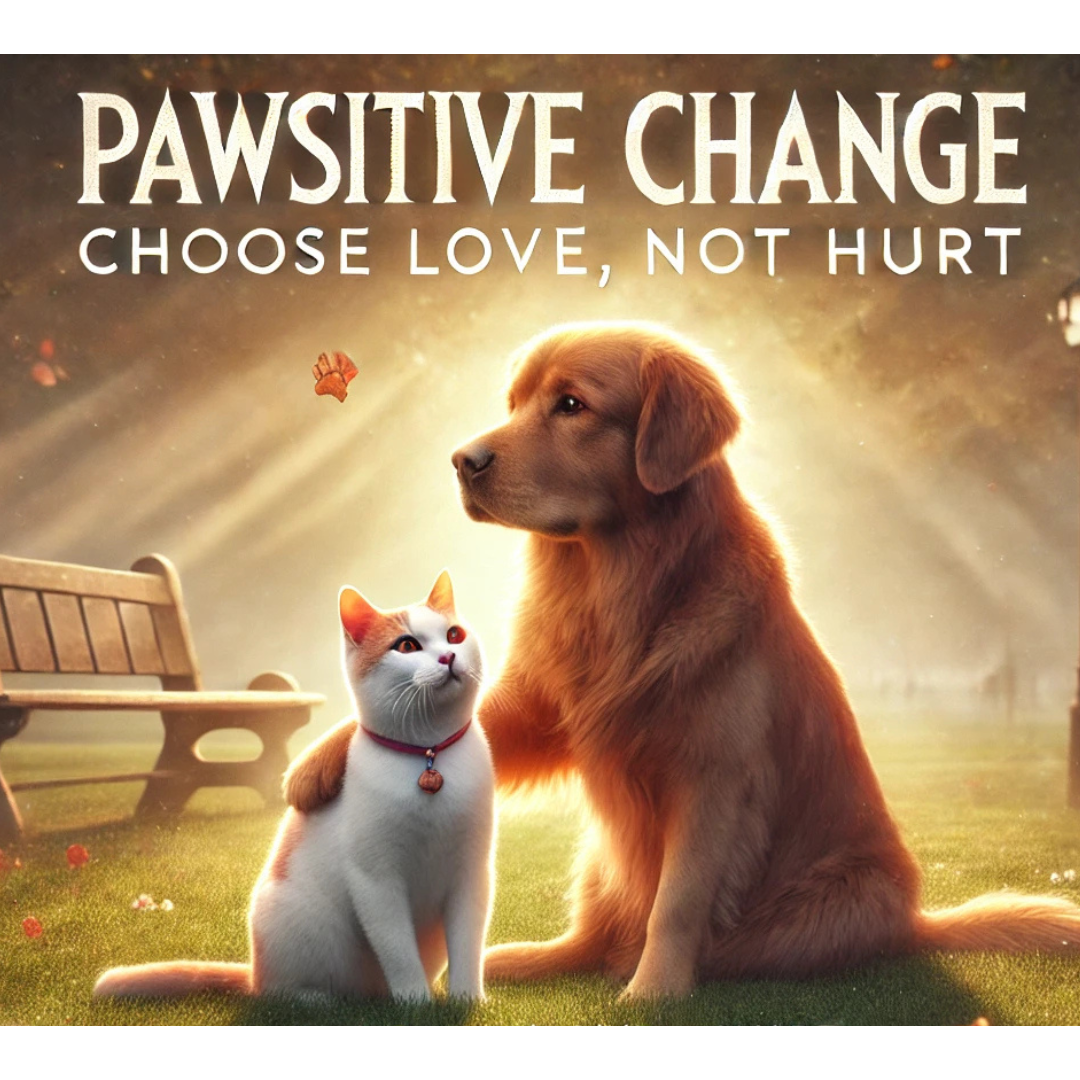
Pawsitive Change: Choose Love, Not Hurt - Protect Animals against Animal Abuse
The Issue
Cats and dogs, living 10 to 20 years, are among our most loyal companions, bringing joy and happiness into our lives. Sadly, animal abuse remains a serious issue in Malaysia. In early 2024, a viral video showed a stray dog being kicked and hit by a group of youths, sparking public outrage and concern from animal rights organizations. Another recent case involved cats being maliciously killed, with the perpetrators still at large. These incidents raise urgent questions about the effectiveness of the Animal Act 1953 and the Animal Welfare Act 2015 in preventing cruelty. If such acts go unchecked, stray animals will continue to suffer as silent victims.
To address this, Junior Chamber International (JCI) Lahad Datu launched the "Pawsitive Change" project to raise public awareness of animal abuse. Stray animals may not have a voice, but we do, and it’s our responsibility to advocate for their protection.
Animals contribute to the planet’s balance and, like us, are living beings deserving of respect and compassion. Inflicting harm on defenseless creatures is both unjust and inhumane. Respecting life in all its forms is crucial to building a harmonious world. Together, we can create a society where cruelty has no place, and all beings are treated with dignity.
Causes:
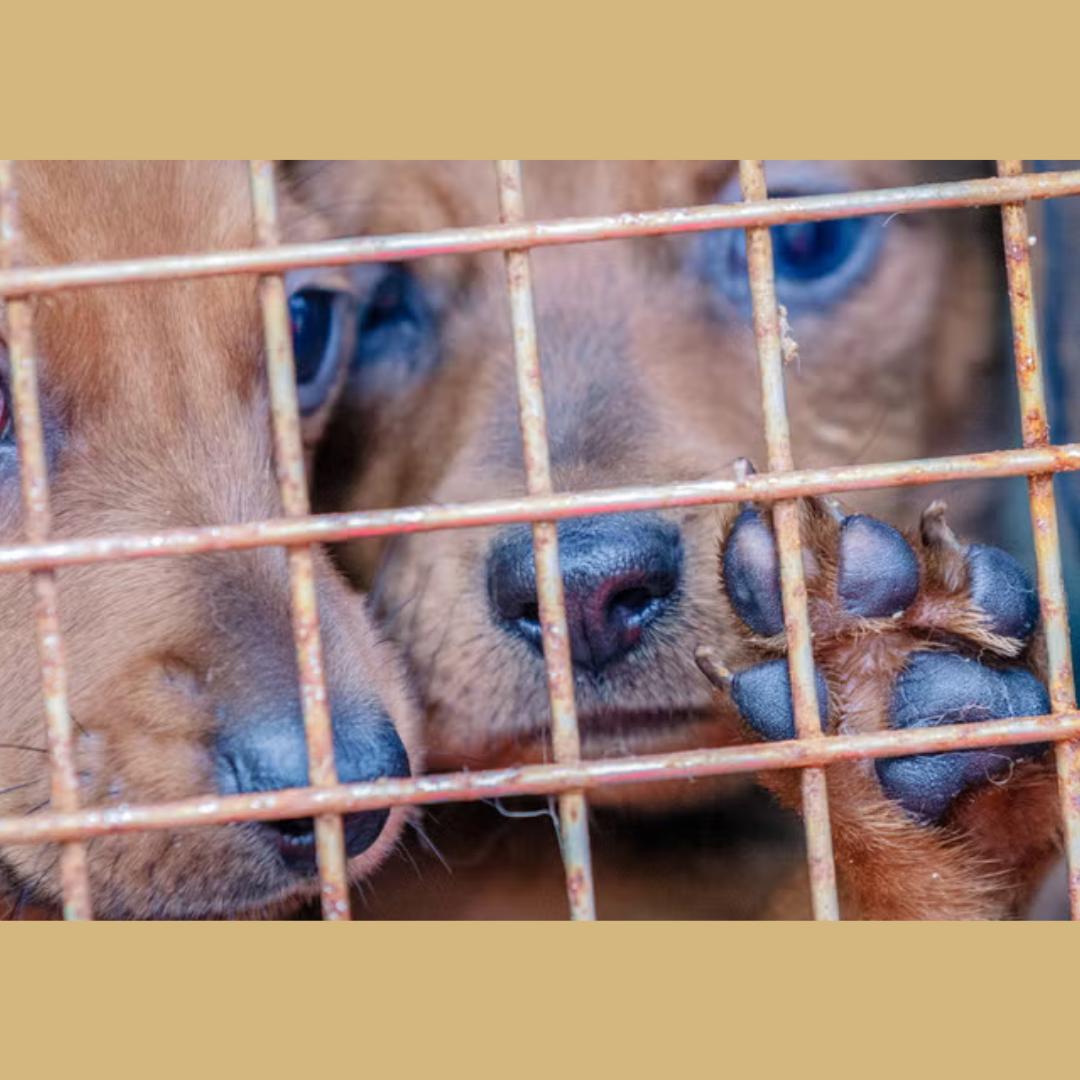
Animal abuse in Malaysia stems from several key causes. A major factor is the lack of awareness about animal welfare, particularly in rural areas, where many view animals as property rather than sentient beings deserving care. Ignorance, traditional practices, and cultural norms often lead to neglect or mistreatment, as proper education on humane treatment is lacking.
Illegal wildlife trafficking also contributes significantly to animal abuse. Malaysia’s rich biodiversity makes it a hotspot for poaching and the illegal trade of endangered species like tigers, pangolins, and exotic birds. These animals endure extreme cruelty, as they are captured, transported under horrific conditions, and sold to meet demand for exotic pets, traditional medicine, or animal products. This lucrative black market fuels further exploitation.
Additionally, stray animal overpopulation exacerbates the issue. Abandoned dogs and cats often face hunger, disease, and cruelty, whether from humans who see them as nuisances or other dangers on the streets. Overpopulation is worsened by irresponsible pet ownership, such as failing to spay or neuter animals or abandoning unwanted pets, leaving them vulnerable to abuse.
Impacts:
The impacts of animal abuse are far-reaching. Animals suffer physically and emotionally, and ecosystems are disrupted, particularly when endangered species are involved. For society, animal abuse reflects a lack of empathy and can desensitize individuals to violence, often correlating with other harmful behaviors like domestic abuse. It also strains animal welfare organizations and law enforcement, diverting resources from prevention to crisis response.
Solutions:
1. Strengthening Legislation and Enforcement
While Malaysia’s Animal Welfare Act of 2015 exists, enforcement remains inconsistent. Laws must be comprehensive and punitive enough to deter offenders, covering all areas of animal welfare, from pets to wildlife. The Department of Veterinary Services (DVS) must ensure that authorities have proper training to investigate and prosecute cruelty cases effectively. For example, Penang saw 253 dog abuse cases and 134 cat abuse cases in 2021. In February 2024, a hawker was jailed for one day and fined RM12,000 for dragging a mongrel with a chain while riding his motorcycle. In 2023, three individuals were charged under the Animal Welfare Act for bludgeoning a dog to death. Stronger enforcement can prevent such incidents.
2. Public Awareness and Education
Ignorance is a root cause of animal abuse. Public education campaigns are essential to teach respect, compassion, and responsible pet ownership. Schools, media, and community organizations can raise awareness about animals' needs and feelings. For example, public campaigns could highlight the ecological importance of wildlife and the consequences of illegal trade. Programs that involve pets in mental health initiatives can also foster empathy and reduce abuse. Educating the public is key to fostering a culture that values and protects animals.
3. Support for Animal Welfare Organizations
NGOs and animal shelters in Malaysia play a key role in rescuing and rehabilitating abused animals. Supporting organizations such as the Malaysian National Animal Welfare Foundation (MNAWF), Persatuan Haiwan Terbiar Malaysia (SAFM), and the Society for the Prevention of Cruelty to Animals (SPCA) through funding, volunteerism, or awareness campaigns can help provide resources to rescue animals and spread the message of animal welfare. Collaboration with animal welfare groups, the government, and local communities can also strengthen efforts to combat animal abuse. SAFM encourages the public to report animal abuse by documenting evidence, such as photos or videos, which can serve as strong proof when reporting to authorities.
4. Promotion of Adoption and Reduction of Stray Populations
Encouraging the adoption of stray animals rather than purchasing pets from breeders can help reduce the number of animals that end up in abusive situations. Implementing effective stray animal control programs such as Trap-Neuter-Return (TNR) which is a catch-and-release neutering initiative by SPCA can prevent the overpopulation of strays and reduce the vulnerability of these animals to abuse.
5. Encouraging Cultural Change
Changing societal attitudes toward animals is a gradual but essential process. In some communities, animals are viewed as property or tools rather than sentient beings deserving of respect. Advocating for a cultural shift that recognizes animals as companions with rights to live free from suffering can change how they are treated. Leadership and character are rooted in respect, compassion, and justice. A leader who is cruel to animals cannot truly be a good leader. Cruelty toward animals reflects a lack of empathy and moral integrity—qualities that are essential for responsible leadership. If someone cannot show kindness and respect for innocent creatures, how can they be trusted to lead with fairness and humanity?
A member of our team shared a personal experience. He was once chased by a stray dog while walking past a park. As he ran from the park toward his home, the dog continued to chase him. When he finally reached his house, he quickly closed the gate to prevent the dog from getting any closer. His sister asked why he didn’t use a stick or a stone to drive the dog away. He simply replied, that dog will get hurt.
We have the power to choose whether to love or harm an animal, and that choice is ours to make. Together, we can create a future where respect, love, and protection define our relationships with animals, and where cruelty and violence have no place. Let’s make a positive change—for the animals, for our communities, for the world, and for the future. Change begins with me!
Sign this petition to pledge your support for a kinder, more compassionate world. Stand with us in protecting the innocent and upholding the humanity within us all.

1,114
The Issue
Cats and dogs, living 10 to 20 years, are among our most loyal companions, bringing joy and happiness into our lives. Sadly, animal abuse remains a serious issue in Malaysia. In early 2024, a viral video showed a stray dog being kicked and hit by a group of youths, sparking public outrage and concern from animal rights organizations. Another recent case involved cats being maliciously killed, with the perpetrators still at large. These incidents raise urgent questions about the effectiveness of the Animal Act 1953 and the Animal Welfare Act 2015 in preventing cruelty. If such acts go unchecked, stray animals will continue to suffer as silent victims.
To address this, Junior Chamber International (JCI) Lahad Datu launched the "Pawsitive Change" project to raise public awareness of animal abuse. Stray animals may not have a voice, but we do, and it’s our responsibility to advocate for their protection.
Animals contribute to the planet’s balance and, like us, are living beings deserving of respect and compassion. Inflicting harm on defenseless creatures is both unjust and inhumane. Respecting life in all its forms is crucial to building a harmonious world. Together, we can create a society where cruelty has no place, and all beings are treated with dignity.
Causes:
Animal abuse in Malaysia stems from several key causes. A major factor is the lack of awareness about animal welfare, particularly in rural areas, where many view animals as property rather than sentient beings deserving care. Ignorance, traditional practices, and cultural norms often lead to neglect or mistreatment, as proper education on humane treatment is lacking.
Illegal wildlife trafficking also contributes significantly to animal abuse. Malaysia’s rich biodiversity makes it a hotspot for poaching and the illegal trade of endangered species like tigers, pangolins, and exotic birds. These animals endure extreme cruelty, as they are captured, transported under horrific conditions, and sold to meet demand for exotic pets, traditional medicine, or animal products. This lucrative black market fuels further exploitation.
Additionally, stray animal overpopulation exacerbates the issue. Abandoned dogs and cats often face hunger, disease, and cruelty, whether from humans who see them as nuisances or other dangers on the streets. Overpopulation is worsened by irresponsible pet ownership, such as failing to spay or neuter animals or abandoning unwanted pets, leaving them vulnerable to abuse.
Impacts:
The impacts of animal abuse are far-reaching. Animals suffer physically and emotionally, and ecosystems are disrupted, particularly when endangered species are involved. For society, animal abuse reflects a lack of empathy and can desensitize individuals to violence, often correlating with other harmful behaviors like domestic abuse. It also strains animal welfare organizations and law enforcement, diverting resources from prevention to crisis response.
Solutions:
1. Strengthening Legislation and Enforcement
While Malaysia’s Animal Welfare Act of 2015 exists, enforcement remains inconsistent. Laws must be comprehensive and punitive enough to deter offenders, covering all areas of animal welfare, from pets to wildlife. The Department of Veterinary Services (DVS) must ensure that authorities have proper training to investigate and prosecute cruelty cases effectively. For example, Penang saw 253 dog abuse cases and 134 cat abuse cases in 2021. In February 2024, a hawker was jailed for one day and fined RM12,000 for dragging a mongrel with a chain while riding his motorcycle. In 2023, three individuals were charged under the Animal Welfare Act for bludgeoning a dog to death. Stronger enforcement can prevent such incidents.
2. Public Awareness and Education
Ignorance is a root cause of animal abuse. Public education campaigns are essential to teach respect, compassion, and responsible pet ownership. Schools, media, and community organizations can raise awareness about animals' needs and feelings. For example, public campaigns could highlight the ecological importance of wildlife and the consequences of illegal trade. Programs that involve pets in mental health initiatives can also foster empathy and reduce abuse. Educating the public is key to fostering a culture that values and protects animals.
3. Support for Animal Welfare Organizations
NGOs and animal shelters in Malaysia play a key role in rescuing and rehabilitating abused animals. Supporting organizations such as the Malaysian National Animal Welfare Foundation (MNAWF), Persatuan Haiwan Terbiar Malaysia (SAFM), and the Society for the Prevention of Cruelty to Animals (SPCA) through funding, volunteerism, or awareness campaigns can help provide resources to rescue animals and spread the message of animal welfare. Collaboration with animal welfare groups, the government, and local communities can also strengthen efforts to combat animal abuse. SAFM encourages the public to report animal abuse by documenting evidence, such as photos or videos, which can serve as strong proof when reporting to authorities.
4. Promotion of Adoption and Reduction of Stray Populations
Encouraging the adoption of stray animals rather than purchasing pets from breeders can help reduce the number of animals that end up in abusive situations. Implementing effective stray animal control programs such as Trap-Neuter-Return (TNR) which is a catch-and-release neutering initiative by SPCA can prevent the overpopulation of strays and reduce the vulnerability of these animals to abuse.
5. Encouraging Cultural Change
Changing societal attitudes toward animals is a gradual but essential process. In some communities, animals are viewed as property or tools rather than sentient beings deserving of respect. Advocating for a cultural shift that recognizes animals as companions with rights to live free from suffering can change how they are treated. Leadership and character are rooted in respect, compassion, and justice. A leader who is cruel to animals cannot truly be a good leader. Cruelty toward animals reflects a lack of empathy and moral integrity—qualities that are essential for responsible leadership. If someone cannot show kindness and respect for innocent creatures, how can they be trusted to lead with fairness and humanity?
A member of our team shared a personal experience. He was once chased by a stray dog while walking past a park. As he ran from the park toward his home, the dog continued to chase him. When he finally reached his house, he quickly closed the gate to prevent the dog from getting any closer. His sister asked why he didn’t use a stick or a stone to drive the dog away. He simply replied, that dog will get hurt.
We have the power to choose whether to love or harm an animal, and that choice is ours to make. Together, we can create a future where respect, love, and protection define our relationships with animals, and where cruelty and violence have no place. Let’s make a positive change—for the animals, for our communities, for the world, and for the future. Change begins with me!
Sign this petition to pledge your support for a kinder, more compassionate world. Stand with us in protecting the innocent and upholding the humanity within us all.
Supporter Voices
Petition Updates
Share this petition
Petition created on 27 January 2025