history of Lahore, Pakistan
The Issue
Lahore's origins can be traced back to a place between the 1st and 7th centuries AD. Historians, however, speculate that Lahore was actually founded by Lohe, son of Rama, called the Hindu god in Ramayana. According to Sir Robert Montgomery, the importance of Lahore grew between the 2nd and 4th centuries. According to the Greek geographer Ptolemy, Lahore was founded sometime in the late 1st century. According to the book, ood-e-Aalamakhor appeared as a city in 882 AD.
Lahore residents say when they want to highlight the unique character of their city: "Lahore is Lahore." The traditional capital of Punjab for thousands of years has been the cultural center of North India, stretching from Peshawar to New Delhi. It also has this prominent position in Pakistan. Lahore is a city of poets, artists and the center of the film industry. It is home to the largest number of educational institutions in the country and some of the finest gardens on the continent.
The city as we know it today reached its peak during Mughal's reign, especially during Akbar the Great, who made it his capital. His son Jehangir is buried on the outskirts and his mausoleum is one of the places visited by both tourists and lahorites. Nearby is the mausoleum of the famous Mughal Empress Nur Jehan, who is famous for introducing the rose and initiating several cultural movements in the subcontinent.
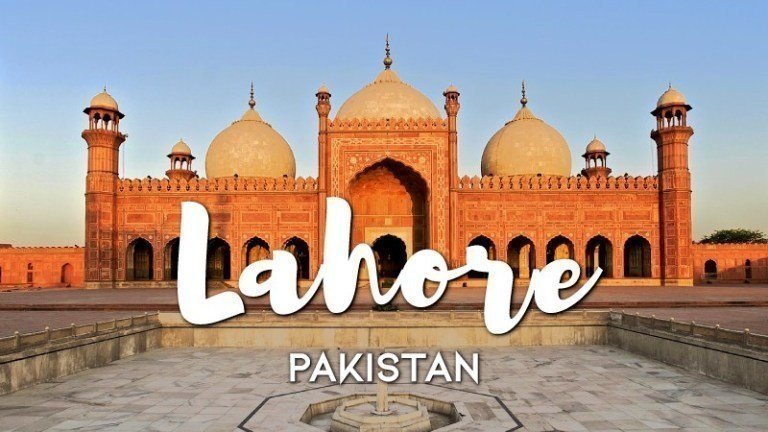
Akbar the Great held his court in Lahore for 14 years from 1584 to 1598 and built the Lahore fort as well as the city wall with 12 gates. Some of them have survived to this day. Jehangir and Shah Jehan, builders of the Taj Mahal in Agra and Shalamar Gardens in Srinagar and Lahore, built palaces and tombs. The last great Mughal emperor Aurangzeb (1838 - 1707) built Lahore's most famous monument, the great mosque Badshahi. At the time, the Ravi River, now a few miles from Lahore, affected the fort and the mosque. A stream known as the "old river" still flows here. The Sikhs ruled it in the 18th and 19th centuries, and although it was their capital, they had a habit of destroying Muslim monuments and had little interest in the garden. They are said to have taken enough marble from the Mughal monuments in Lahore to build the Golden Temple in Amritsar twice. Most of the precious stones that adorned the palaces and forts were also removed.

The Issue
Lahore's origins can be traced back to a place between the 1st and 7th centuries AD. Historians, however, speculate that Lahore was actually founded by Lohe, son of Rama, called the Hindu god in Ramayana. According to Sir Robert Montgomery, the importance of Lahore grew between the 2nd and 4th centuries. According to the Greek geographer Ptolemy, Lahore was founded sometime in the late 1st century. According to the book, ood-e-Aalamakhor appeared as a city in 882 AD.
Lahore residents say when they want to highlight the unique character of their city: "Lahore is Lahore." The traditional capital of Punjab for thousands of years has been the cultural center of North India, stretching from Peshawar to New Delhi. It also has this prominent position in Pakistan. Lahore is a city of poets, artists and the center of the film industry. It is home to the largest number of educational institutions in the country and some of the finest gardens on the continent.
The city as we know it today reached its peak during Mughal's reign, especially during Akbar the Great, who made it his capital. His son Jehangir is buried on the outskirts and his mausoleum is one of the places visited by both tourists and lahorites. Nearby is the mausoleum of the famous Mughal Empress Nur Jehan, who is famous for introducing the rose and initiating several cultural movements in the subcontinent.
Akbar the Great held his court in Lahore for 14 years from 1584 to 1598 and built the Lahore fort as well as the city wall with 12 gates. Some of them have survived to this day. Jehangir and Shah Jehan, builders of the Taj Mahal in Agra and Shalamar Gardens in Srinagar and Lahore, built palaces and tombs. The last great Mughal emperor Aurangzeb (1838 - 1707) built Lahore's most famous monument, the great mosque Badshahi. At the time, the Ravi River, now a few miles from Lahore, affected the fort and the mosque. A stream known as the "old river" still flows here. The Sikhs ruled it in the 18th and 19th centuries, and although it was their capital, they had a habit of destroying Muslim monuments and had little interest in the garden. They are said to have taken enough marble from the Mughal monuments in Lahore to build the Golden Temple in Amritsar twice. Most of the precious stones that adorned the palaces and forts were also removed.
The Decision Makers
Petition Updates
Share this petition
Petition created on 3 June 2021