Dear Mindy Kaling, scrap the stereotypes and improve Never Have I Ever
Dear Mindy Kaling, scrap the stereotypes and improve Never Have I Ever
The Issue
27 April 2020 was considered a milestone in terms of cultural representation for American web television. It was the premiere date for "Never Have I Ever," Netflix's new comedy series created by Mindy Kaling, who viewers know and love from "The Office" and "The Mindy Project." It's not hard to believe why people admire her work: it's funny, raw and honest. However, her newest creation, "Never Have I Ever," might be light-hearted and entertaining, but fails to send the message home, primarily because the highly inaccurate representation of Indians.
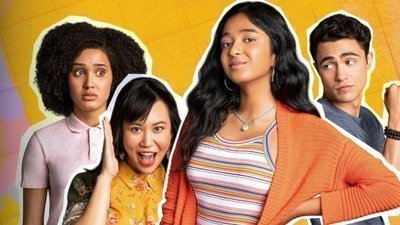
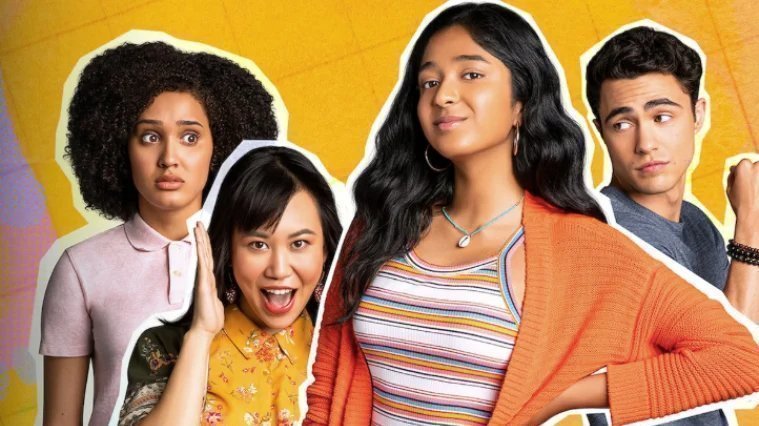
The series chronicles the misadventures of our protagonist, Devi Vishwakumar (Maitreyi Ramakrishnan), a sophomore who tries to fulfil her aim of getting a boyfriend and climbing up the social ladder, something that is definitely not new to teen dramas. Her mother, Nalini (Poorna Jagannathan), has recently been widowed after the death of her husband, Mohan (Sendhil Ramamurthy), which took an emotional toll on Devi, and left her paralysed for a large part of her freshman year, a plot point which could have been deeply explored but was seemingly abandoned after a few episodes. Other characters include Devi's two best friends, Fabiola Torres (Lee Rodriguez) and Eleanor Wong (Ramona Young); her cousin, Kamala (Richa Moorjani), who, despite being a graduate of CalTech and having a loving boyfriend, is being forced into an arranged marriage; Devi's academic rival, Ben Gross (Jaren Lewinson); and her crush, Paxton Hall-Yoshida (Darren Barnet). It's a large ensemble of diverse characters, but issues still seep through.
Being of Indian origin and having lived in India for a little more than a decade, I couldn't help but notice the extremely problematic message being conveyed through several scenes which depicted false conventions of Indian society, with the most prominent being the one of the Ganesh Puja, which was chock-full of inaccuracies. Firstly, the saris were highly cliched. Secondly, why was there a clip of Durga Puja? Thirdly, prior to the Ganesh Puja, Devi goes to a cafe wearing her sari, and a typical upper middle-class, privileged white family's daughter wants a picture with Devi for her Instagram feed, because she looks like "Princess Jasmine." There was a major opportunity here to discuss how the sari she is wearing is part of her culture, and not a costume which someone can use to get more likes. But unsurprisingly, Devi agrees. Most importantly, there is the topic of arranged marriages. At the Ganesh Puja, a woman was ostracised for marrying an American-Muslim man - against her parents' wishes - and getting divorced, and when Kamala asks her for advice, instead of imparting words of encouragement, she tells her exactly what you would expect from a stereotypical Indian aunty: do what your family wants you to do.
There is nothing wrong with arranged marriages, but there is something seriously wrong with how it was portrayed on the show. When Kamala is about to meet her prospective in-laws, she wears a blazer and jeans, but Nalini tells her to wear a sari and talk about what she knows how to cook, rather than her work at CalTech. Not only does Kamala not want to get married, but she is also in a relationship with Steve (Eddie Liu), who she very conveniently forgets about when she realises what her possible husband, Prashant (Rushi Kota), looks like.
Another problem is the characterisation of Nalini, who, for some reason, is shown be a tyrant. She forces Devi to move to India, embarrasses her in front of Paxton, and is never satisfied with her overachieving daughter. However, this, too, feeds into another Indian stereotype of parents being evil. This is mainly because of the show's perspective, which is dominated by Devi's problems, and while she is inarguably the show's protagonist, the strength of having such a large ensemble cast is the opportunity it provides to explore everyone's difficulties. While there was an episode which humanised Ben through his "money doesn't buy you happiness" storyline, each character has their own issues which are mentioned only briefly. Nalini's own grief and trauma of losing her husband, Fabiola struggling to come out to her parents, Eleanor coping with her mother abandoning her and Paxton's relationship with her sister, Rebecca (Lily D. Moore), who has Down's syndrome, are all mentioned in either the form of one-liners or a few scenes, but are never discussed to the same extent as the issues faced by Devi, which sometimes appear as trivial and superficial in comparison to what these other characters are dealing with.
And of course, the accents. I don't need to explain what is wrong with them. Watch just one scene and it feels like nails on a chalkboard.
It would be easy to tell Netflix to cancel the series, but then there would be one less show with people of colour as its lead characters. Just because a show has some initial problems doesn't mean it can't become better in its future seasons. And frankly, I want to know the end result of the love triangle that formed in the end.
So instead, I want to ask the show to learn from its mistakes, and improve itself.

26
The Issue
27 April 2020 was considered a milestone in terms of cultural representation for American web television. It was the premiere date for "Never Have I Ever," Netflix's new comedy series created by Mindy Kaling, who viewers know and love from "The Office" and "The Mindy Project." It's not hard to believe why people admire her work: it's funny, raw and honest. However, her newest creation, "Never Have I Ever," might be light-hearted and entertaining, but fails to send the message home, primarily because the highly inaccurate representation of Indians.
The series chronicles the misadventures of our protagonist, Devi Vishwakumar (Maitreyi Ramakrishnan), a sophomore who tries to fulfil her aim of getting a boyfriend and climbing up the social ladder, something that is definitely not new to teen dramas. Her mother, Nalini (Poorna Jagannathan), has recently been widowed after the death of her husband, Mohan (Sendhil Ramamurthy), which took an emotional toll on Devi, and left her paralysed for a large part of her freshman year, a plot point which could have been deeply explored but was seemingly abandoned after a few episodes. Other characters include Devi's two best friends, Fabiola Torres (Lee Rodriguez) and Eleanor Wong (Ramona Young); her cousin, Kamala (Richa Moorjani), who, despite being a graduate of CalTech and having a loving boyfriend, is being forced into an arranged marriage; Devi's academic rival, Ben Gross (Jaren Lewinson); and her crush, Paxton Hall-Yoshida (Darren Barnet). It's a large ensemble of diverse characters, but issues still seep through.
Being of Indian origin and having lived in India for a little more than a decade, I couldn't help but notice the extremely problematic message being conveyed through several scenes which depicted false conventions of Indian society, with the most prominent being the one of the Ganesh Puja, which was chock-full of inaccuracies. Firstly, the saris were highly cliched. Secondly, why was there a clip of Durga Puja? Thirdly, prior to the Ganesh Puja, Devi goes to a cafe wearing her sari, and a typical upper middle-class, privileged white family's daughter wants a picture with Devi for her Instagram feed, because she looks like "Princess Jasmine." There was a major opportunity here to discuss how the sari she is wearing is part of her culture, and not a costume which someone can use to get more likes. But unsurprisingly, Devi agrees. Most importantly, there is the topic of arranged marriages. At the Ganesh Puja, a woman was ostracised for marrying an American-Muslim man - against her parents' wishes - and getting divorced, and when Kamala asks her for advice, instead of imparting words of encouragement, she tells her exactly what you would expect from a stereotypical Indian aunty: do what your family wants you to do.
There is nothing wrong with arranged marriages, but there is something seriously wrong with how it was portrayed on the show. When Kamala is about to meet her prospective in-laws, she wears a blazer and jeans, but Nalini tells her to wear a sari and talk about what she knows how to cook, rather than her work at CalTech. Not only does Kamala not want to get married, but she is also in a relationship with Steve (Eddie Liu), who she very conveniently forgets about when she realises what her possible husband, Prashant (Rushi Kota), looks like.
Another problem is the characterisation of Nalini, who, for some reason, is shown be a tyrant. She forces Devi to move to India, embarrasses her in front of Paxton, and is never satisfied with her overachieving daughter. However, this, too, feeds into another Indian stereotype of parents being evil. This is mainly because of the show's perspective, which is dominated by Devi's problems, and while she is inarguably the show's protagonist, the strength of having such a large ensemble cast is the opportunity it provides to explore everyone's difficulties. While there was an episode which humanised Ben through his "money doesn't buy you happiness" storyline, each character has their own issues which are mentioned only briefly. Nalini's own grief and trauma of losing her husband, Fabiola struggling to come out to her parents, Eleanor coping with her mother abandoning her and Paxton's relationship with her sister, Rebecca (Lily D. Moore), who has Down's syndrome, are all mentioned in either the form of one-liners or a few scenes, but are never discussed to the same extent as the issues faced by Devi, which sometimes appear as trivial and superficial in comparison to what these other characters are dealing with.
And of course, the accents. I don't need to explain what is wrong with them. Watch just one scene and it feels like nails on a chalkboard.
It would be easy to tell Netflix to cancel the series, but then there would be one less show with people of colour as its lead characters. Just because a show has some initial problems doesn't mean it can't become better in its future seasons. And frankly, I want to know the end result of the love triangle that formed in the end.
So instead, I want to ask the show to learn from its mistakes, and improve itself.
26
The Decision Makers
Petition Updates
Share this petition
Petition created on 10 June 2020