
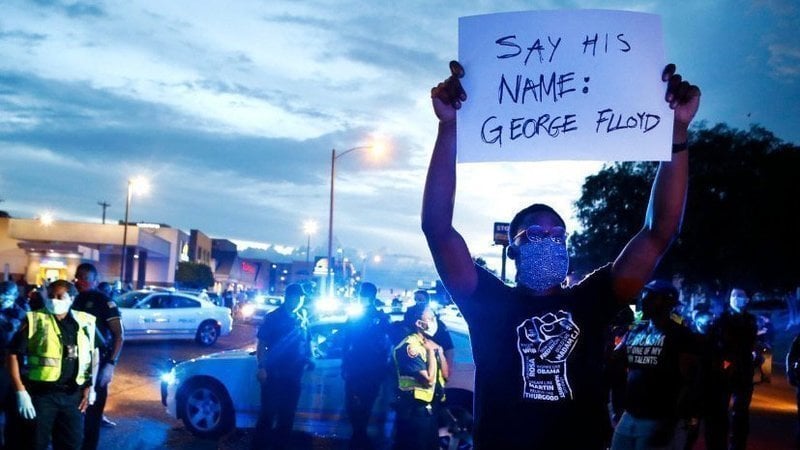
Demands to increase accountability of Memphis Police Dept.
The Issue
Police are entrusted with weapons and deadly force when deemed necessary. The people of Memphis ask for increased accountability from the Memphis Police Department.
1. Police officers should begin all encounters by telling the civilians that the interaction is being recorded.
According to law, body cameras are worn by MPD officers during all encounters. The MPD 2020 Policy and Procedure Manual advises that each civilian encounter should begin with the statement, “Ma’am/Sir, I am advising you that our interaction is being recorded” (Chapter XIII, Section 15, Page 3), but in my experience with MPD it has not. Fear escalates many situations, and this simple statement could keep not all but some interactions from becoming dangerous. In the same way Miranda rights must be read to civilians being detained, we ask that we require this statement to be read prior to all other conversation. It is already required by the manual except when “unsafe, impractical, or impossible.” We only ask that we enforce it.
2. The In-Car Video System should remain on at all times.
Officers are allowed to turn off the ICV if the encounter will take place out of the view of the squad car (MPD 2020 Policy and Procedure Manual Chapter XIII, Section 15, Page 6-7). This means that the majority of encounters that do not take place on the side of the road are not filmed by the ICV. The manual requires the officer to turn the ICV back on if the incident returns to the view of the car, but if the incident has taken an unexpected turn, the officer would not have time to do this anyway.
The benefit of an ICV is that it provides a third person POV of an interaction rather than a first person POV like the body cameras. Incidents that play out unexpectedly may start in a house and end on the street. Cameras increase police accountability to the public, and We firmly believe that if we are trusting police officers with deadly weapons, we should maximize their accountability. The video from the car should not be turned off until the end of the shift.
3. Empower the Civilian Law Enforcement Review Board to do the following:
a) Subpoena the Memphis Police Department
The CLERB was created to allow Memphians to have some measure of control over their police department. In theory, civilians with a complaint against the police regarding excessive force, improper arrest, or any other MPD misconduct can file a claim with the CLERB which will then investigate. All members of the review board are Memphians unaffiliated with the police department. While it is good that this board exists, it is virtually powerless if it is unable to subpoena MPD. The board must have access to all resources and footage pertinent to a claim, and the board should not need the permission of the group it seeks to control in order to obtain said resources.
b) Review cases at the same time as Inspectional Services Bureau.
The ISB is a Memphis Police organization. Although it is good to have internal accountability, the CLERB was created because police officers should answer to the people first and foremost. Currently, the ISB is required to review all cases before the civilian review board can begin an investigation. Some people distrust the police and its internal review process because of a long history of conflict. We ask for immediate accountability to the people of Memphis.
c) Discipline MPD officers directly or recommend discipline to city council.
The CLERB currently only has the ability to recommend discipline to the MPD Director. If the purpose of the board is to hold the police accountable to the people, the discipline of the officer found to be at fault should not be decided by anyone affiliated with Memphis Police. We ask that the board either be granted power to discipline officers directly or that its recommendation be rerouted to city council. We must have external disciplinary powers for the officers who we are trusting with our lives.

Petition Closed
The Issue
Police are entrusted with weapons and deadly force when deemed necessary. The people of Memphis ask for increased accountability from the Memphis Police Department.
1. Police officers should begin all encounters by telling the civilians that the interaction is being recorded.
According to law, body cameras are worn by MPD officers during all encounters. The MPD 2020 Policy and Procedure Manual advises that each civilian encounter should begin with the statement, “Ma’am/Sir, I am advising you that our interaction is being recorded” (Chapter XIII, Section 15, Page 3), but in my experience with MPD it has not. Fear escalates many situations, and this simple statement could keep not all but some interactions from becoming dangerous. In the same way Miranda rights must be read to civilians being detained, we ask that we require this statement to be read prior to all other conversation. It is already required by the manual except when “unsafe, impractical, or impossible.” We only ask that we enforce it.
2. The In-Car Video System should remain on at all times.
Officers are allowed to turn off the ICV if the encounter will take place out of the view of the squad car (MPD 2020 Policy and Procedure Manual Chapter XIII, Section 15, Page 6-7). This means that the majority of encounters that do not take place on the side of the road are not filmed by the ICV. The manual requires the officer to turn the ICV back on if the incident returns to the view of the car, but if the incident has taken an unexpected turn, the officer would not have time to do this anyway.
The benefit of an ICV is that it provides a third person POV of an interaction rather than a first person POV like the body cameras. Incidents that play out unexpectedly may start in a house and end on the street. Cameras increase police accountability to the public, and We firmly believe that if we are trusting police officers with deadly weapons, we should maximize their accountability. The video from the car should not be turned off until the end of the shift.
3. Empower the Civilian Law Enforcement Review Board to do the following:
a) Subpoena the Memphis Police Department
The CLERB was created to allow Memphians to have some measure of control over their police department. In theory, civilians with a complaint against the police regarding excessive force, improper arrest, or any other MPD misconduct can file a claim with the CLERB which will then investigate. All members of the review board are Memphians unaffiliated with the police department. While it is good that this board exists, it is virtually powerless if it is unable to subpoena MPD. The board must have access to all resources and footage pertinent to a claim, and the board should not need the permission of the group it seeks to control in order to obtain said resources.
b) Review cases at the same time as Inspectional Services Bureau.
The ISB is a Memphis Police organization. Although it is good to have internal accountability, the CLERB was created because police officers should answer to the people first and foremost. Currently, the ISB is required to review all cases before the civilian review board can begin an investigation. Some people distrust the police and its internal review process because of a long history of conflict. We ask for immediate accountability to the people of Memphis.
c) Discipline MPD officers directly or recommend discipline to city council.
The CLERB currently only has the ability to recommend discipline to the MPD Director. If the purpose of the board is to hold the police accountable to the people, the discipline of the officer found to be at fault should not be decided by anyone affiliated with Memphis Police. We ask that the board either be granted power to discipline officers directly or that its recommendation be rerouted to city council. We must have external disciplinary powers for the officers who we are trusting with our lives.
The Decision Makers

Petition Updates
Share this petition
Petition created on June 2, 2020