Mandate the Installation of Public Trash Bins Across Metro Manila
Mandate the Installation of Public Trash Bins Across Metro Manila
The Issue
I love the Philippines, but why is there so much visible trash (i.e. Metro Manila)? Is it a cultural norm, or is it due to a lack of garbage cans and/or city employees?
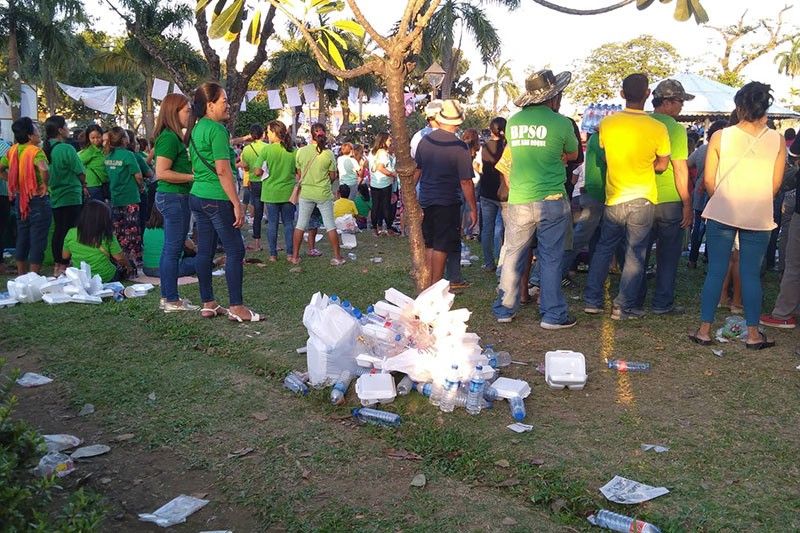
As a regular visitor to the vibrant city of Metro Manila, I am deeply bothered by the prevalence of indiscriminate littering. The casual strewing of trash everywhere, due to a lack of accessible trash cans, deeply tarnishes the charm of this city.
The city struggles with solid waste management, producing approximately 9,213 tons of waste daily and only has an approximate 83% collection efficiency rate (Philippine Statistics Authority). Hence, the litter in the streets subverts the otherwise efforts to efficiently manage waste. Furthermore, this issue is not only aesthetic - it poses serious environmental and health concerns.
While exiting laws mandate that non-organic waste like metals and plastics be segregated and channelled to recyclers, the reality is that the country does not have enough recycling facilities to absorb the city’s entire load of non-organic waste. What happens is that the bulk of metals and plastics are directed to junk shops who try to repurpose them. Those unsold are simply dumped in open trash pits and in our waterways.
From a public health perspective, unattended waste can become breeding grounds for disease vectors such as rats and mosquitos. Environmental setbacks include blockages on the drainage system leading to flooding during rainy seasons. Not to mention, improperly disposed waste contributes to long-term environmental degradation, impairing the natural beauty of the city.
A number of reasons, such as waste management procedures, cultural attitudes, and infrastructure issues, contribute to the obvious rubbish in areas like Metro Manila. Such as:
- Facilities for the Public
- Lack of garbage Cans: In many regions, there are not enough public garbage receptacles, which can contribute to littering as people have nowhere to dispose of their waste.
- Maintenance Problems: Trash cans may not be routinely emptied, which causes overflow and garbage surrounding them even when they are available.
2. Cultural Aspect.
- Attitudes Toward garbage: In certain situations, there could not be enough knowledge or instruction about the significance of environmental stewardship and appropriate garbage disposal.
- Social Norms: Littering may become accepted in crowded cities, particularly if people see others engaging in the behavior with no consequences.
In conclusion, I deeply appeal to the local government units of Metro Manila to institute policies mandating the installation of public trash bins across the city. Let's act now to maintain cleanliness, promote public health, and preserve the inherent beauty of Metro Manila. We urge you to sign this petition to assist in our appeal to the local government for this essential initiative.

55
The Issue
I love the Philippines, but why is there so much visible trash (i.e. Metro Manila)? Is it a cultural norm, or is it due to a lack of garbage cans and/or city employees?
As a regular visitor to the vibrant city of Metro Manila, I am deeply bothered by the prevalence of indiscriminate littering. The casual strewing of trash everywhere, due to a lack of accessible trash cans, deeply tarnishes the charm of this city.
The city struggles with solid waste management, producing approximately 9,213 tons of waste daily and only has an approximate 83% collection efficiency rate (Philippine Statistics Authority). Hence, the litter in the streets subverts the otherwise efforts to efficiently manage waste. Furthermore, this issue is not only aesthetic - it poses serious environmental and health concerns.
While exiting laws mandate that non-organic waste like metals and plastics be segregated and channelled to recyclers, the reality is that the country does not have enough recycling facilities to absorb the city’s entire load of non-organic waste. What happens is that the bulk of metals and plastics are directed to junk shops who try to repurpose them. Those unsold are simply dumped in open trash pits and in our waterways.
From a public health perspective, unattended waste can become breeding grounds for disease vectors such as rats and mosquitos. Environmental setbacks include blockages on the drainage system leading to flooding during rainy seasons. Not to mention, improperly disposed waste contributes to long-term environmental degradation, impairing the natural beauty of the city.
A number of reasons, such as waste management procedures, cultural attitudes, and infrastructure issues, contribute to the obvious rubbish in areas like Metro Manila. Such as:
- Facilities for the Public
- Lack of garbage Cans: In many regions, there are not enough public garbage receptacles, which can contribute to littering as people have nowhere to dispose of their waste.
- Maintenance Problems: Trash cans may not be routinely emptied, which causes overflow and garbage surrounding them even when they are available.
2. Cultural Aspect.
- Attitudes Toward garbage: In certain situations, there could not be enough knowledge or instruction about the significance of environmental stewardship and appropriate garbage disposal.
- Social Norms: Littering may become accepted in crowded cities, particularly if people see others engaging in the behavior with no consequences.
In conclusion, I deeply appeal to the local government units of Metro Manila to institute policies mandating the installation of public trash bins across the city. Let's act now to maintain cleanliness, promote public health, and preserve the inherent beauty of Metro Manila. We urge you to sign this petition to assist in our appeal to the local government for this essential initiative.
55
Petition Updates
Share this petition
Petition created on February 25, 2025