Mandate Specialized Services for Delaware Students with Incarcerated Parents

Mandate Specialized Services for Delaware Students with Incarcerated Parents
The Issue
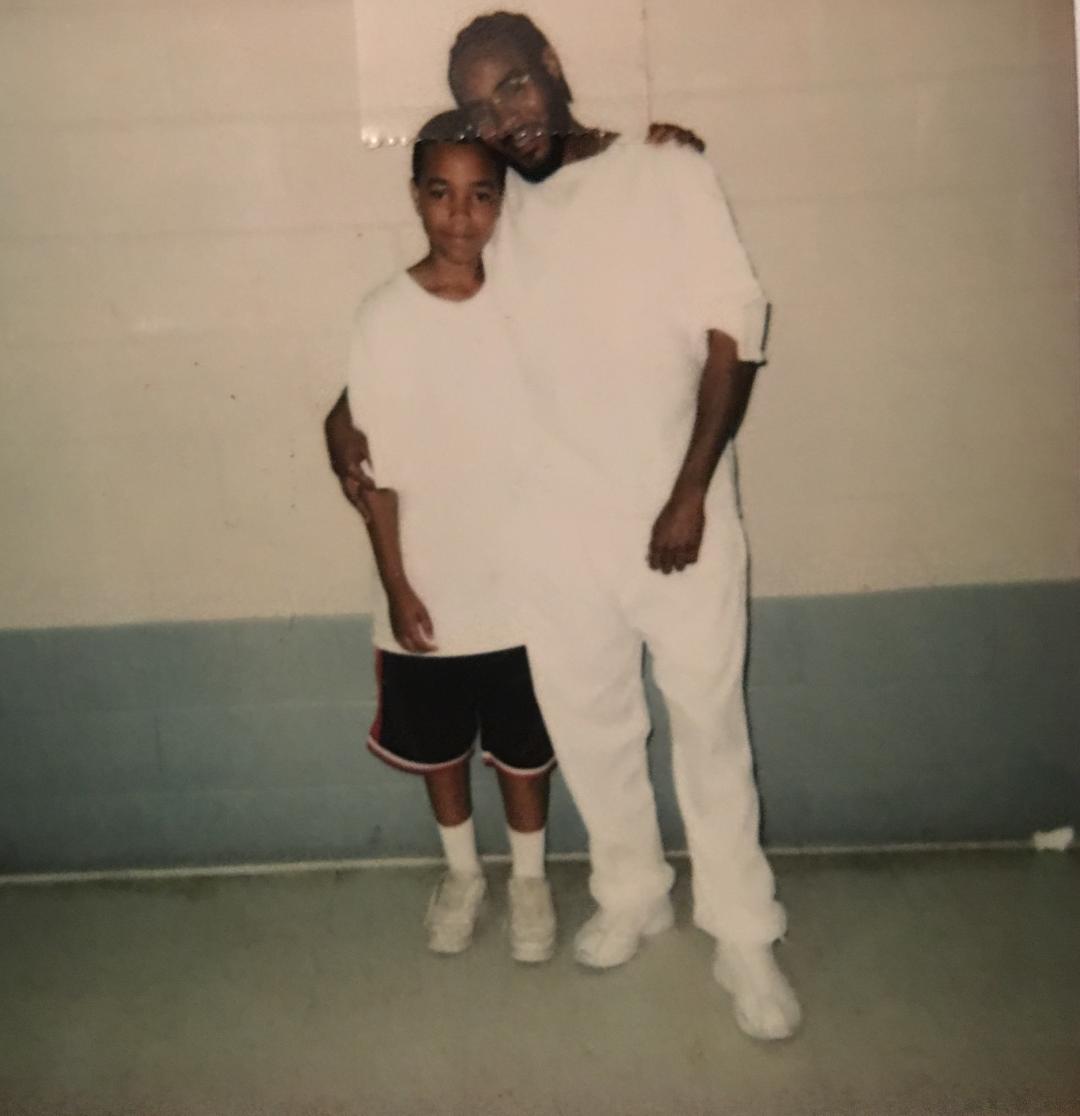
Children all across Delaware are facing this reality.
In 1994, when I was only 2 years old, my father was sentenced to 14 years in prison. Throughout my journey through the Delaware education system, I felt the weight of this reality, yet no one in my school system ever addressed it.
It's time to recognize the unique challenges faced by students like me, who have a parent or guardian behind bars.
Studies show that having an incarcerated parent can seriously affect a child's mental, emotional, and educational development, leading to lower school engagement and higher risks of suspension or expulsion.
This impact is felt by a significant number of students. In 2015, it was estimated that over 5 million children in the United States had experienced parental incarceration at some point in their lives. Inferring from national trends, thousands of these children are likely residing in Delaware.
We call on all Delaware schools to:
- Identify children with an incarcerated parent or guardian.
- Provide specialized services to support their academic and emotional success.
Having a parent in prison should not define a child's educational experience or limit their potential.
Please, lend your voice to this overlooked group of students. Sign and share on social media this petition organized by Out Of The Ashes LLC and support children affected by parental incarceration.
The Numbers:
- Research indicates that children with incarcerated parents are more likely to exhibit symptoms of stress and anxiety. According to a study by the National Institute of Justice, 70% of these children report significant levels of anxiety.
- Children with incarcerated parents are at a higher risk of depression. The Annie E. Casey Foundation found that these children are twice as likely to suffer from depression compared to their peers.
- Studies show that children with an incarcerated parent are more prone to behavioral problems. The Bureau of Justice Statistics reports that these children are 3 times more likely to exhibit aggressive behavior.
- The National Survey of Children's Health found that children with incarcerated parents are 4 times more likely to have attention problems and are often diagnosed with ADHD.
- Research by the Urban Institute indicates that children with incarcerated parents are more likely to experience a decline in academic performance, with 50% reporting lower grades after their parent's incarceration.
- The National Center for Education Statistics found that children with an incarcerated parent have a 75% higher absenteeism rate compared to their peers.
- A study by the Pew Charitable Trusts shows that families with an incarcerated parent experience a 22% drop in income on average, leading to financial instability that affects children's access to educational resources.
- According to the American Psychological Association, children with incarcerated parents receive 20% less academic support at home due to the increased stress and workload on the remaining caregiver.
- The National Resource Center on Children and Families of the Incarcerated reports that children with incarcerated parents have a 30% smaller support network, limiting their access to academic help.
- Research by the Journal of Marriage and Family indicates that the home environment of children with incarcerated parents is 40% more likely to be unstable, contributing to challenges in maintaining academic success.

208
The Issue
Children all across Delaware are facing this reality.
In 1994, when I was only 2 years old, my father was sentenced to 14 years in prison. Throughout my journey through the Delaware education system, I felt the weight of this reality, yet no one in my school system ever addressed it.
It's time to recognize the unique challenges faced by students like me, who have a parent or guardian behind bars.
Studies show that having an incarcerated parent can seriously affect a child's mental, emotional, and educational development, leading to lower school engagement and higher risks of suspension or expulsion.
This impact is felt by a significant number of students. In 2015, it was estimated that over 5 million children in the United States had experienced parental incarceration at some point in their lives. Inferring from national trends, thousands of these children are likely residing in Delaware.
We call on all Delaware schools to:
- Identify children with an incarcerated parent or guardian.
- Provide specialized services to support their academic and emotional success.
Having a parent in prison should not define a child's educational experience or limit their potential.
Please, lend your voice to this overlooked group of students. Sign and share on social media this petition organized by Out Of The Ashes LLC and support children affected by parental incarceration.
The Numbers:
- Research indicates that children with incarcerated parents are more likely to exhibit symptoms of stress and anxiety. According to a study by the National Institute of Justice, 70% of these children report significant levels of anxiety.
- Children with incarcerated parents are at a higher risk of depression. The Annie E. Casey Foundation found that these children are twice as likely to suffer from depression compared to their peers.
- Studies show that children with an incarcerated parent are more prone to behavioral problems. The Bureau of Justice Statistics reports that these children are 3 times more likely to exhibit aggressive behavior.
- The National Survey of Children's Health found that children with incarcerated parents are 4 times more likely to have attention problems and are often diagnosed with ADHD.
- Research by the Urban Institute indicates that children with incarcerated parents are more likely to experience a decline in academic performance, with 50% reporting lower grades after their parent's incarceration.
- The National Center for Education Statistics found that children with an incarcerated parent have a 75% higher absenteeism rate compared to their peers.
- A study by the Pew Charitable Trusts shows that families with an incarcerated parent experience a 22% drop in income on average, leading to financial instability that affects children's access to educational resources.
- According to the American Psychological Association, children with incarcerated parents receive 20% less academic support at home due to the increased stress and workload on the remaining caregiver.
- The National Resource Center on Children and Families of the Incarcerated reports that children with incarcerated parents have a 30% smaller support network, limiting their access to academic help.
- Research by the Journal of Marriage and Family indicates that the home environment of children with incarcerated parents is 40% more likely to be unstable, contributing to challenges in maintaining academic success.
208
Supporter Voices
Petition Updates
Share this petition
Petition created on July 17, 2024