

MALNUTRITION
MALNUTRITION
The Issue
MALNUTRITION is a condition in which the body does not receive enough nutrients due to insufficient intake, poor absorption, or excessive loss.
MALNUTRITION affects people of all ages, but it is especially perilous for children under five, pregnant women, and those with weakened immune systems. Malnutrition can be prevented or treated by providing adequate nutrition, clean water, and healthcare.
MALNUTRITION is a widespread problem in both developed and developing countries. It is a complex issue with numerous underlying causes, such as poverty, food insecurity, inadequate healthcare, and a lack of access to education and resources.
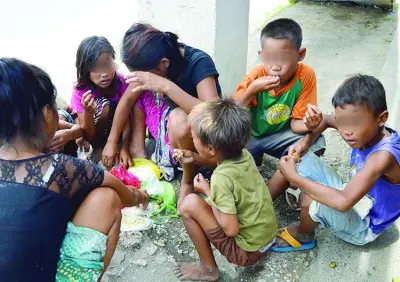
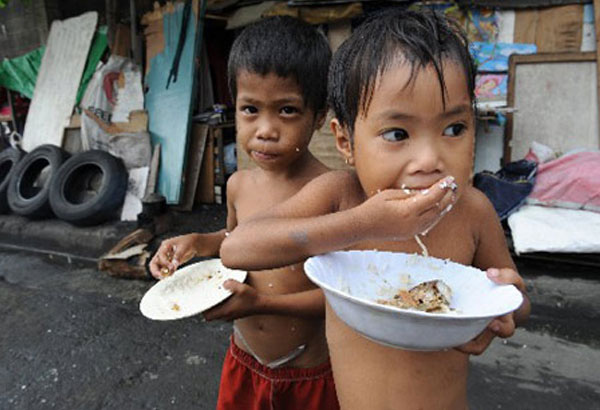
MALNOURISHMENT kills 95 children in the Philippines every day. Twenty-seven out of every 1,000 Filipino children die before reaching the age of five. One-third of Filipino children are stunted, or underdeveloped for their age.
MALNUTRITION can result from a variety of factors, including:
- Lack of access to nutritious food: Malnutrition can result from a lack of access to nutritious food, particularly in low-income areas and areas affected by natural disasters or conflicts.
- Poor feeding practices, such as inadequate breastfeeding or inappropriate complementary feeding, can contribute to malnutrition, especially in children under the age of five.
- Underlying health conditions, such as gastrointestinal diseases or infections, can impair nutrient absorption and contribute to malnutrition.
- Poverty and inequality can limit access to resources such as nutritious food, healthcare, and education, resulting in malnutrition.
- Lack of education: Malnutrition can be exacerbated by a lack of education, particularly about proper feeding practices and the importance of a balanced diet.
- Climate change and environmental degradation: Climate change and environmental degradation can have an impact on food production and availability, particularly in agriculturally dependent areas, leading to malnutrition.
To ensure long-term solutions, it is critical to address the underlying causes of malnutrition. A multi-faceted approach that involves addressing poverty and inequality, improving access to nutritious food, promoting proper feeding practices, and increasing education and awareness can help prevent and alleviate malnutrition.
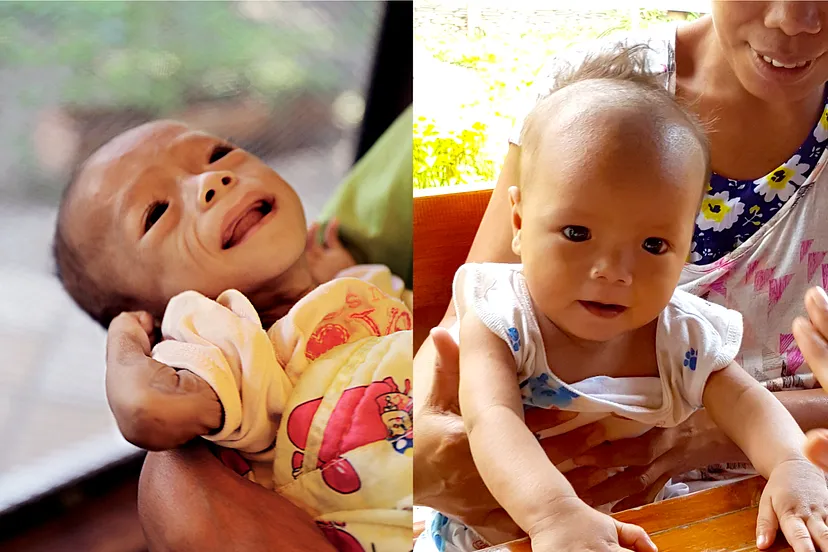
It is critical to maintain a balanced and healthy diet that provides the necessary nutrients for optimal health to avoid malnutrition. Here are some suggestions for avoiding malnutrition:
- Eat a variety of foods: Include a variety of foods in your diet, such as fruits and vegetables, whole grains, and lean protein.
- Drink clean and fresh water to prevent dehydration.
- Practice proper food hygiene: To prevent foodborne illnesses that can lead to malnutrition, practice proper food hygiene, such as washing hands and food preparation surfaces.
- Seek medical advice: If you are experiencing malnutrition symptoms or have concerns about your nutritional status, seek medical advice from a healthcare professional.
- Strengthen the health system so that healthcare services are accessible and affordable to all people, including those in rural and remote areas, and that regular check-ups and screenings for malnutrition are provided.
- Encourage mothers to breastfeed their babies exclusively for the first six months of their lives, and then to continue breastfeeding while introducing complementary foods.
- Give nutritional supplements, such as iron and vitamin A, to people who are at risk of malnutrition, especially pregnant women and young children.
These solutions must be implemented in a coordinated and sustained manner, with the participation of government agencies, civil society organizations, healthcare providers, and communities themselves. We can help ease malnutrition and improve population health and well-being by taking a multifaceted approach tailored to the specific needs and context of the Philippines.
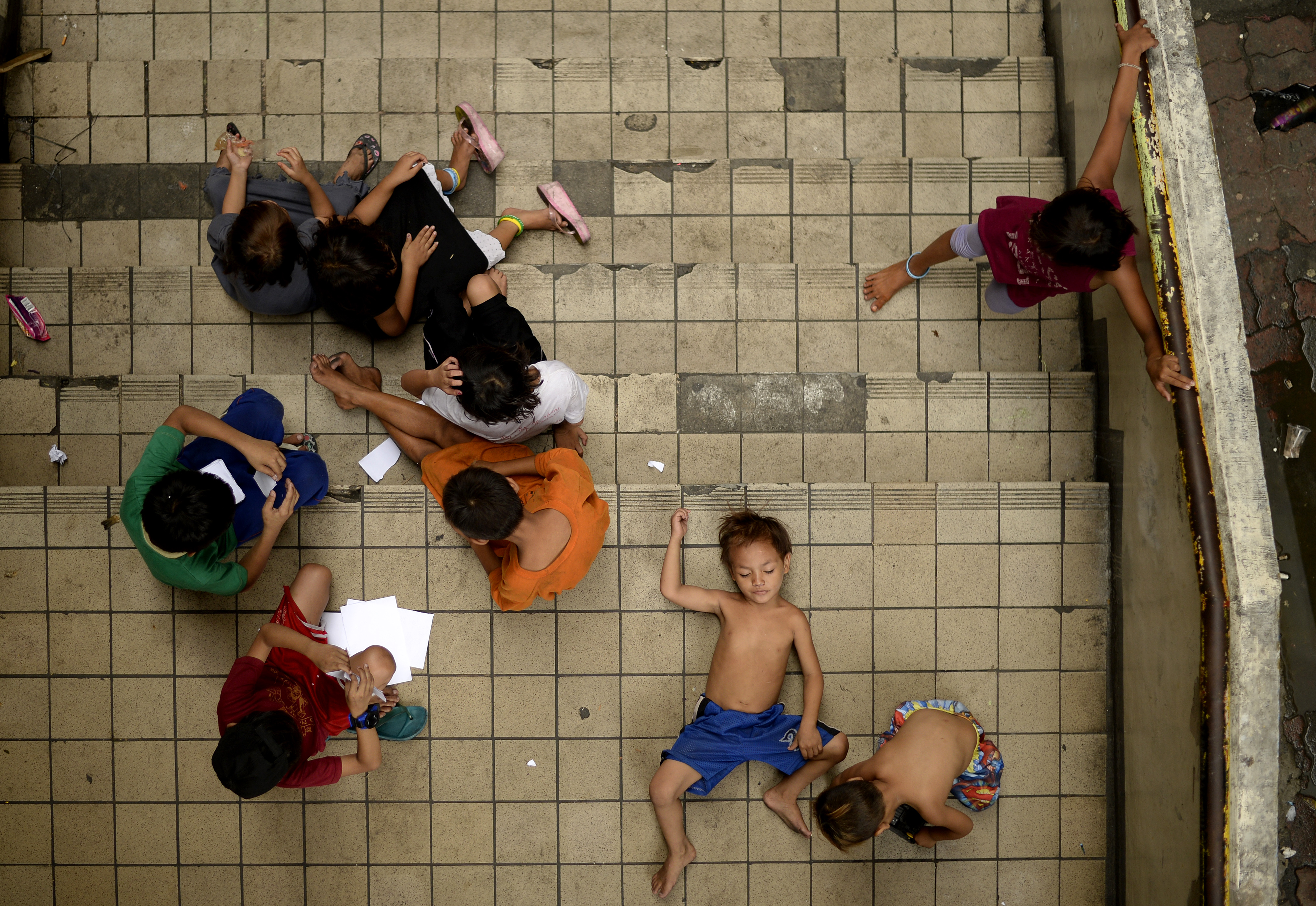
Several initiatives and programs are available to help avoid or alleviate malnutrition, along with:
- Food fortification: Including essential nutrients in staple foods, such as iodine in salt, can help ensure that people get the nutrients they require.
- Micronutrient supplementation: Giving vitamins A and iron to vulnerable populations can help prevent nutrient deficiencies.
- Community-based nutrition programs: These programs offer nutrition education, breastfeeding and complementary feeding support, and access to healthy foods.
- Food assistance, such as school meal programs or food vouchers, can help low-income people gain access to nutritious foods.
- Health interventions: Providing healthcare, such as treatment for infections or medical conditions that interfere with nutrient absorption, can help improve overall health and prevent malnutrition.
- WASH interventions: Improving access to clean water and sanitation can help prevent infections and illnesses that can hamper nutrient absorption.
- Programs for disaster relief and emergency response: These programs provide food and nutrition assistance during emergencies such as natural disasters and conflicts.
To address malnutrition, a multi-sectoral approach is required, with interventions ranging from food fortification to healthcare to disaster relief. Governments, non-governmental organizations, and communities can all work together to ensure that everyone has access to adequate nutrition and the opportunity to live a healthy life.
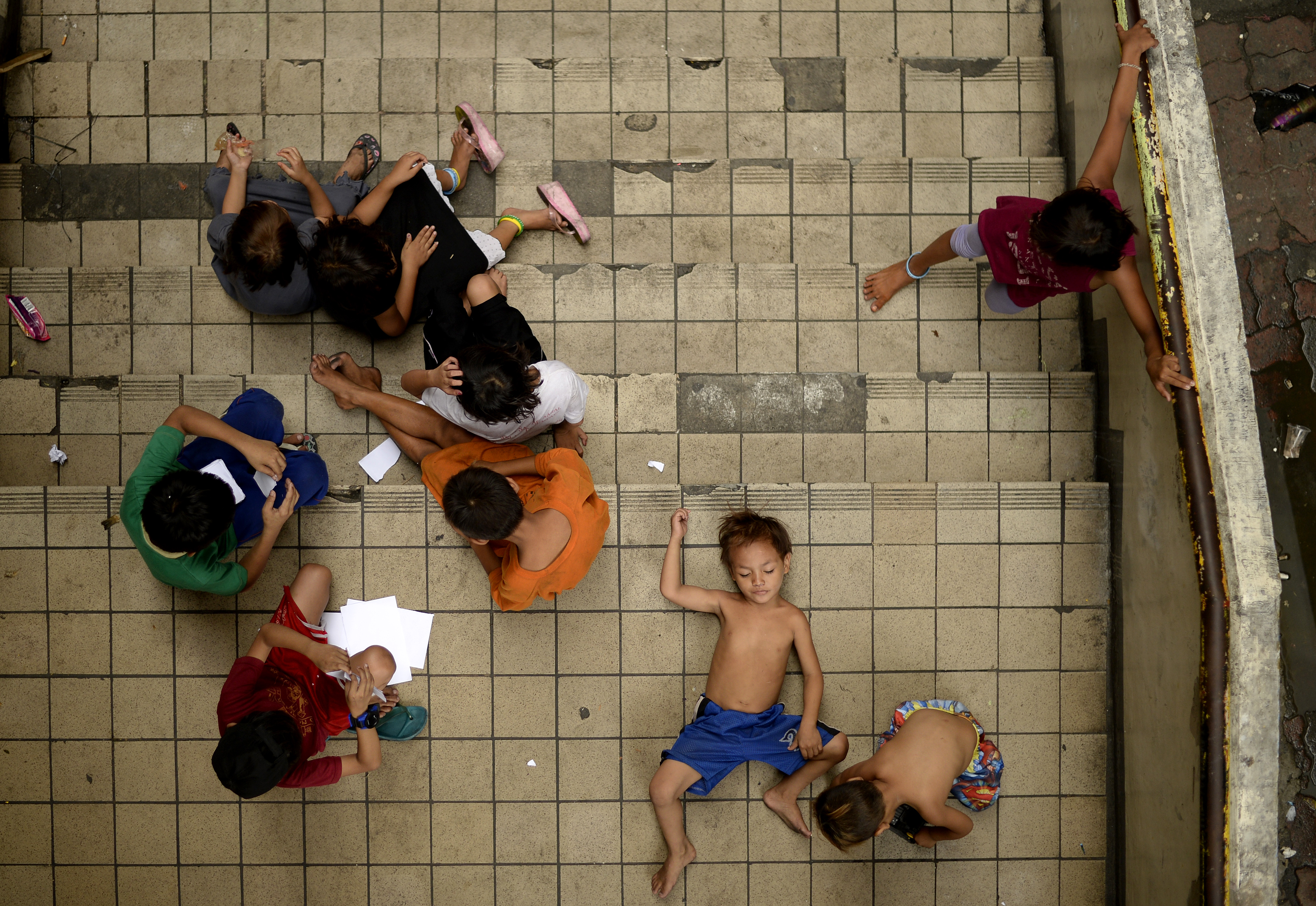
We need to raise awareness about malnutrition in the Philippines because the majority of children are malnourished. It can be harmful to one's physical and mental health. These are some of the reasons why everyone should be concerned about malnutrition:
- Malnutrition weakens the immune system, increasing the risk of infections and illnesses, including chronic diseases like cardiovascular disease, diabetes, and cancer.
- Promoting healthy growth and development: Malnutrition in children can result in stunted growth and impaired cognitive development, which can have long-term consequences.
- Improving mental health: Malnutrition can cause or worsen mental health problems like depression and anxiety.
- Reducing healthcare costs: Malnutrition can increase healthcare costs by necessitating medical treatment for related illnesses and conditions.
- We can improve individual and community health and well-being, reduce healthcare costs, and promote social and economic prosperity if we are aware of malnutrition and its consequences.
There are several methods for raising awareness about malnutrition and educating people about the importance of proper nutrition. Here are a few ideas:
- Use social media apps that have a large audience easily and quickly, such as Facebook, Instagram, and Twitter. You can raise public awareness about malnutrition by describing how many people are affected, as well as the causes and effects.
- Collaborate with local organizations such as schools, community centers, and health clinics to host nutrition and malnutrition events and workshops.
- Host a campaign to raise awareness about malnutrition. Posters, flyers, and other promotional materials can be used to spread the word.
- Work with healthcare providers to educate patients about the importance of adequate nutrition and to provide resources and support for healthy eating.
Through this kind of strategy, we can spread awareness about Malnutrition and how can affect the health of people, especially children.
SOURCE:
https://medium.com/@unicefphils/treating-filipino-children-with-severe-malnutrition-a304afc714d9
https://news.abs-cbn.com/business/08/30/16/malnutrition-costs-philippines-p328-b-a-year-study
https://www.worldvision.org.ph/stories/curbing-child-malnutrition-in-sarangani-province/
https://www.streamtech.com.ph/news/fiber-internet-prevent-malnutrition-philippines/
https://www.aljazeera.com/news/2013/11/23/philippine-children-face-malnutrition-risk/
Help The Filipino Children (wordpress.com)

The Issue
MALNUTRITION is a condition in which the body does not receive enough nutrients due to insufficient intake, poor absorption, or excessive loss.
MALNUTRITION affects people of all ages, but it is especially perilous for children under five, pregnant women, and those with weakened immune systems. Malnutrition can be prevented or treated by providing adequate nutrition, clean water, and healthcare.
MALNUTRITION is a widespread problem in both developed and developing countries. It is a complex issue with numerous underlying causes, such as poverty, food insecurity, inadequate healthcare, and a lack of access to education and resources.
MALNOURISHMENT kills 95 children in the Philippines every day. Twenty-seven out of every 1,000 Filipino children die before reaching the age of five. One-third of Filipino children are stunted, or underdeveloped for their age.
MALNUTRITION can result from a variety of factors, including:
- Lack of access to nutritious food: Malnutrition can result from a lack of access to nutritious food, particularly in low-income areas and areas affected by natural disasters or conflicts.
- Poor feeding practices, such as inadequate breastfeeding or inappropriate complementary feeding, can contribute to malnutrition, especially in children under the age of five.
- Underlying health conditions, such as gastrointestinal diseases or infections, can impair nutrient absorption and contribute to malnutrition.
- Poverty and inequality can limit access to resources such as nutritious food, healthcare, and education, resulting in malnutrition.
- Lack of education: Malnutrition can be exacerbated by a lack of education, particularly about proper feeding practices and the importance of a balanced diet.
- Climate change and environmental degradation: Climate change and environmental degradation can have an impact on food production and availability, particularly in agriculturally dependent areas, leading to malnutrition.
To ensure long-term solutions, it is critical to address the underlying causes of malnutrition. A multi-faceted approach that involves addressing poverty and inequality, improving access to nutritious food, promoting proper feeding practices, and increasing education and awareness can help prevent and alleviate malnutrition.
It is critical to maintain a balanced and healthy diet that provides the necessary nutrients for optimal health to avoid malnutrition. Here are some suggestions for avoiding malnutrition:
- Eat a variety of foods: Include a variety of foods in your diet, such as fruits and vegetables, whole grains, and lean protein.
- Drink clean and fresh water to prevent dehydration.
- Practice proper food hygiene: To prevent foodborne illnesses that can lead to malnutrition, practice proper food hygiene, such as washing hands and food preparation surfaces.
- Seek medical advice: If you are experiencing malnutrition symptoms or have concerns about your nutritional status, seek medical advice from a healthcare professional.
- Strengthen the health system so that healthcare services are accessible and affordable to all people, including those in rural and remote areas, and that regular check-ups and screenings for malnutrition are provided.
- Encourage mothers to breastfeed their babies exclusively for the first six months of their lives, and then to continue breastfeeding while introducing complementary foods.
- Give nutritional supplements, such as iron and vitamin A, to people who are at risk of malnutrition, especially pregnant women and young children.
These solutions must be implemented in a coordinated and sustained manner, with the participation of government agencies, civil society organizations, healthcare providers, and communities themselves. We can help ease malnutrition and improve population health and well-being by taking a multifaceted approach tailored to the specific needs and context of the Philippines.
Several initiatives and programs are available to help avoid or alleviate malnutrition, along with:
- Food fortification: Including essential nutrients in staple foods, such as iodine in salt, can help ensure that people get the nutrients they require.
- Micronutrient supplementation: Giving vitamins A and iron to vulnerable populations can help prevent nutrient deficiencies.
- Community-based nutrition programs: These programs offer nutrition education, breastfeeding and complementary feeding support, and access to healthy foods.
- Food assistance, such as school meal programs or food vouchers, can help low-income people gain access to nutritious foods.
- Health interventions: Providing healthcare, such as treatment for infections or medical conditions that interfere with nutrient absorption, can help improve overall health and prevent malnutrition.
- WASH interventions: Improving access to clean water and sanitation can help prevent infections and illnesses that can hamper nutrient absorption.
- Programs for disaster relief and emergency response: These programs provide food and nutrition assistance during emergencies such as natural disasters and conflicts.
To address malnutrition, a multi-sectoral approach is required, with interventions ranging from food fortification to healthcare to disaster relief. Governments, non-governmental organizations, and communities can all work together to ensure that everyone has access to adequate nutrition and the opportunity to live a healthy life.
We need to raise awareness about malnutrition in the Philippines because the majority of children are malnourished. It can be harmful to one's physical and mental health. These are some of the reasons why everyone should be concerned about malnutrition:
- Malnutrition weakens the immune system, increasing the risk of infections and illnesses, including chronic diseases like cardiovascular disease, diabetes, and cancer.
- Promoting healthy growth and development: Malnutrition in children can result in stunted growth and impaired cognitive development, which can have long-term consequences.
- Improving mental health: Malnutrition can cause or worsen mental health problems like depression and anxiety.
- Reducing healthcare costs: Malnutrition can increase healthcare costs by necessitating medical treatment for related illnesses and conditions.
- We can improve individual and community health and well-being, reduce healthcare costs, and promote social and economic prosperity if we are aware of malnutrition and its consequences.
There are several methods for raising awareness about malnutrition and educating people about the importance of proper nutrition. Here are a few ideas:
- Use social media apps that have a large audience easily and quickly, such as Facebook, Instagram, and Twitter. You can raise public awareness about malnutrition by describing how many people are affected, as well as the causes and effects.
- Collaborate with local organizations such as schools, community centers, and health clinics to host nutrition and malnutrition events and workshops.
- Host a campaign to raise awareness about malnutrition. Posters, flyers, and other promotional materials can be used to spread the word.
- Work with healthcare providers to educate patients about the importance of adequate nutrition and to provide resources and support for healthy eating.
Through this kind of strategy, we can spread awareness about Malnutrition and how can affect the health of people, especially children.
SOURCE:
https://medium.com/@unicefphils/treating-filipino-children-with-severe-malnutrition-a304afc714d9
https://news.abs-cbn.com/business/08/30/16/malnutrition-costs-philippines-p328-b-a-year-study
https://www.worldvision.org.ph/stories/curbing-child-malnutrition-in-sarangani-province/
https://www.streamtech.com.ph/news/fiber-internet-prevent-malnutrition-philippines/
https://www.aljazeera.com/news/2013/11/23/philippine-children-face-malnutrition-risk/
Help The Filipino Children (wordpress.com)
Petition Closed
Share this petition
Petition Updates
Share this petition
Petition created on March 28, 2023