

Make August 1st National Marcus Gunn Winking Jaw Syndrome Awareness Day
Make August 1st National Marcus Gunn Winking Jaw Syndrome Awareness Day
The Issue
Hello, My name is Jazlyn Torrance, and I am 20 year old girl born with the rare phenomenon called Marcus Gunn Winking Jaw Syndrome.
I am writing this petition to bring more awareness to this syndrome by making August 1st the national day of MGWJS awareness. Why august 1st you may ask? Because that was the day that a Scottish ophthalmologist named Dr. Robert Marcus Gunn Discovered this phenomenon in 1883.
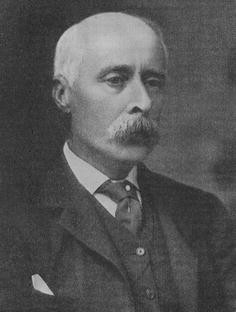
A photograph of Dr. Robert Marcus Gunn All rights to this image belong to the Journal of Neurology
Marcus Gunn Winking Jaw Syndrome (also known as MGWJS) is a rare phenomenon that affects around 2,000-5,000 documented cases of people around the world. Other less common names for MGJWS include Marcus Gunn ptosis, Marcus Gunn jaw winking trigemino-oculomotor synkinesis, Maxillopalpebral synkinesis, and Pterygoid-levator synkinesis.
Marcus Gunn Winking Jaw Syndrome is an abnormal connection of the trigeminal nerve that helps to move the jaw. With how little this rare phenomenon has been researched, there is currently no explaination as to why or how this syndrome forms. This syndrome was initially reported by Scottish ophthalmologist Dr. Robert Marcus Gunn in a case involving a 15 year old girl on 08/01/1883 as unilateral ptosis (drooping eyelid of various degrees) associated with the upper eyelid contraction on the same side.
MGWJS Is found at birth, predominantly discovered while the babies eyelid is moving up and down while being bottle-fed/nursing, or while making movements of the jaw. Another noticeable trait would be Congenital Ptosis and/or blepharoptosis. This is because MGWJS is associated with involuntary movements of the upper eyelid during movements of the jaw. It usually affects one eye, but may present in both eyes also. Marcus Gunn jaw winking syndrome may also cause one eye to look bigger than the other given the presence of blepharoptosis
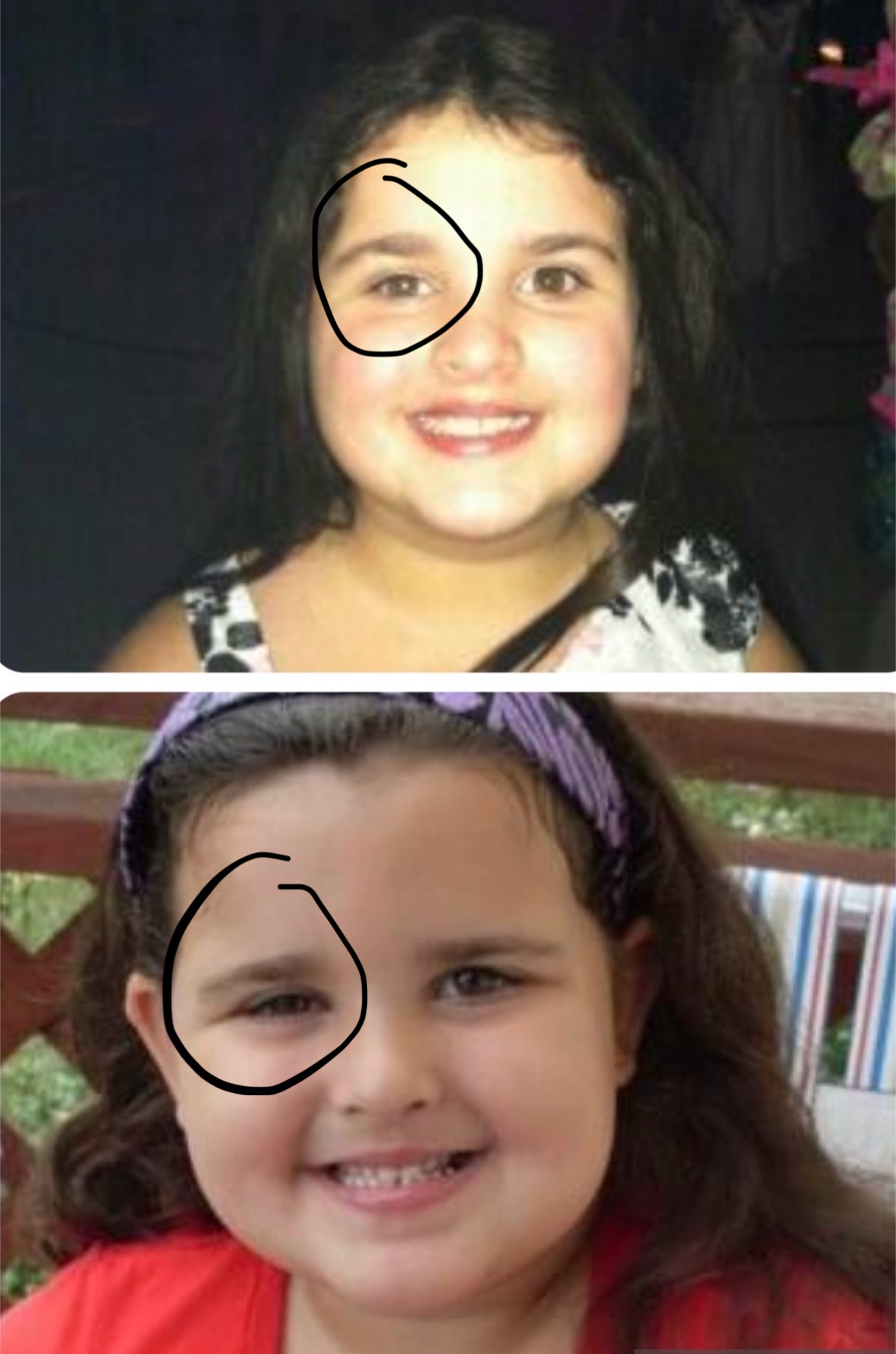
Two photographs of me in my youth displaying congenital ptosis/blepharoptosis (the drooping of the eyelid, causing one of my eyes to look bigger than the other)
MGWJS is one of the congenital cranial dysinnervation disorders (CCDD), and these individuals have variable degrees of blepharoptosis in the resting, primary position. Blepharoptosis is defined as the abnormal low position or drooping of the eyelid. Some cases of Marcus Gunn syndrome require a surgery to help the eyelid to not remain shut. Another fact about Marcus Gunn syndrome is the phenomenon of Marcus Gunn pupils. Marcus Gunn pupil, also known as relative afferent pupillary defect or RAPD, can be detected by testing the pupils with a light source. Regular pupils regularly dilate with light, whereas Marcus Gunn pupils will not properly constrict in one eye. This relates to a problem with the retina or optic nerve causing less construction/retraction of said pupil. One will remain large, as the other will properly shrink to dilate to the light.
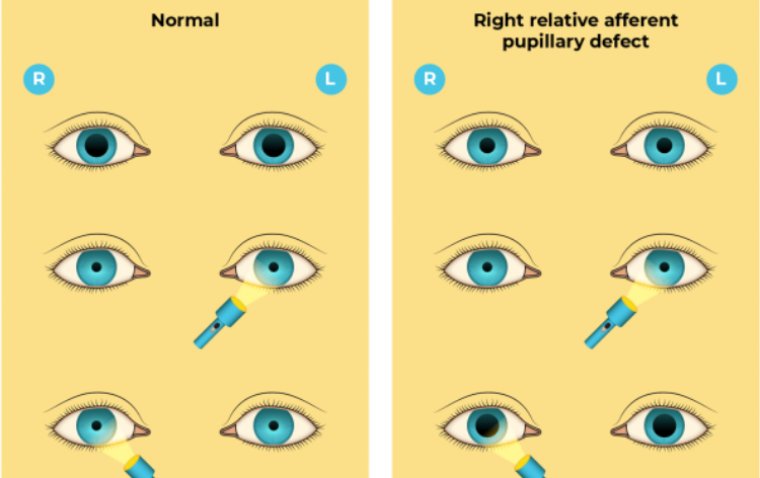
Example of Relative afferent pupillary affect all rights to this image belong to Ophthalmology Breaking News
With Congenital Ptosis relating to drooping eyelids, I believe that even more people experiencing other symptoms attached to their Congenital Ptosis diagnosis may also potentially have Marcus Gunn syndrome. But again, given its rarity and limited research/knowledge, a diagnosis could easily fall short. Congenital Ptosis affects 7.9 out of 100,000 patients. My question is, how many of those patients could potentially have MGWJS?
If we were able to get MGWJS onto the national day calendar, there are many research and awareness benefits that can arise. Noted on their website, all successfully submitted and recognized national holidays can receive the following:
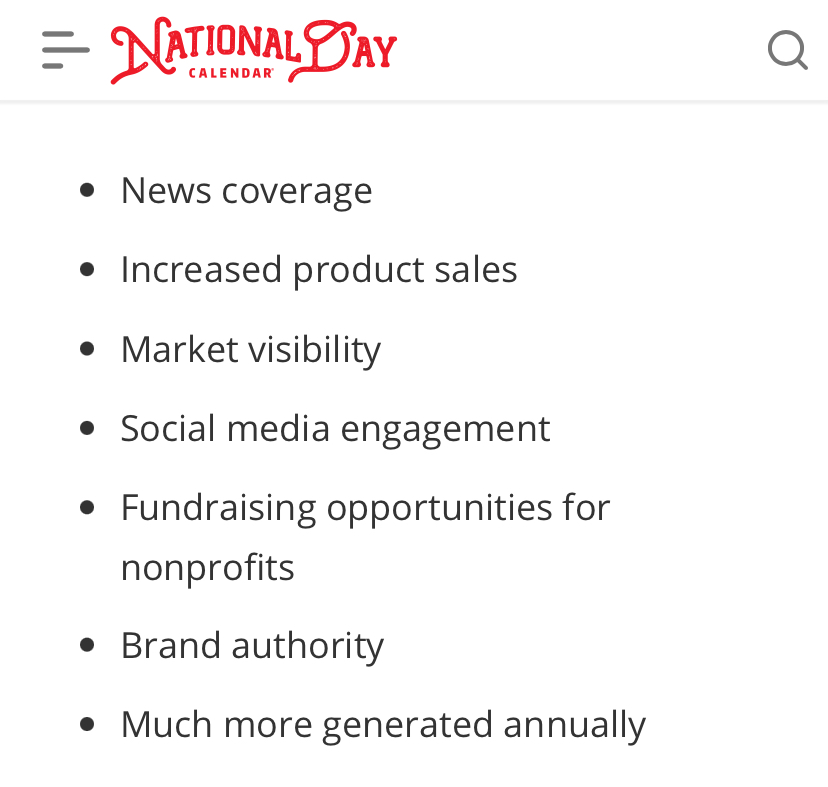
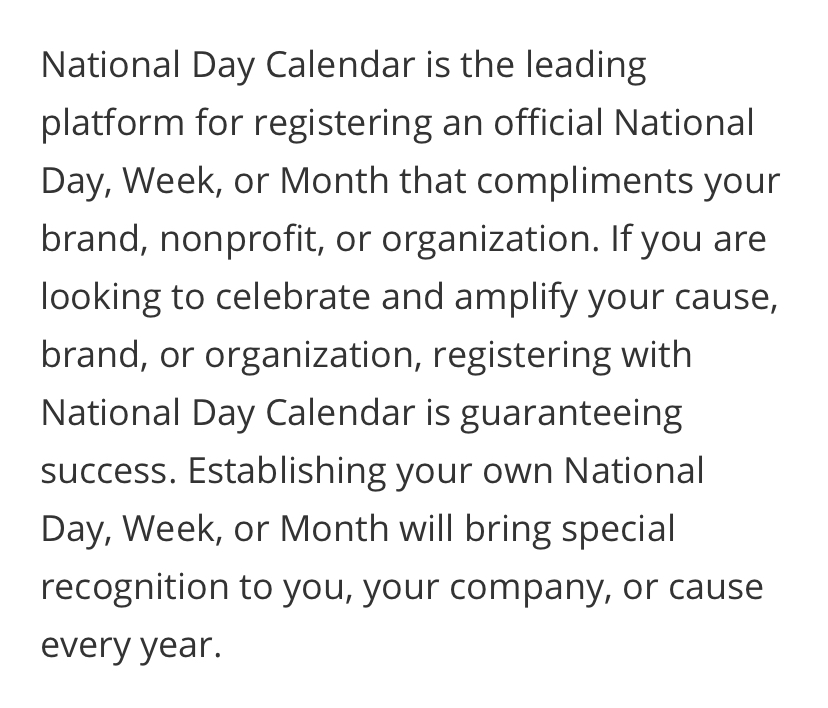
Amplifying the awareness of Marcus Gunn Syndrome, bringing more recognition to the rare phenomenon, and finally, fundraising opportunities, brings me back to my previously stated point:
How much more research could successfully be conducted? How many proper diagnosis’s could be obtained?
All in all, I truly feel as if more recognition should be brought to light, as it is truly a syndrome that should have more awareness brought to it. More knowledge may produce more research, helping so many people who currently are diagnosed, as well as future candidates searching for an answer for their little ones or even themselves.
Thank you for taking the time to read and learn about my rare syndrome. Please consider signing this petition to bring more awareness, and let’s help make August 1st the national day of Marcus Gunn jaw winking syndrome awareness!
A photograph for awareness created by myself

289
The Issue
Hello, My name is Jazlyn Torrance, and I am 20 year old girl born with the rare phenomenon called Marcus Gunn Winking Jaw Syndrome.
I am writing this petition to bring more awareness to this syndrome by making August 1st the national day of MGWJS awareness. Why august 1st you may ask? Because that was the day that a Scottish ophthalmologist named Dr. Robert Marcus Gunn Discovered this phenomenon in 1883.
A photograph of Dr. Robert Marcus Gunn All rights to this image belong to the Journal of Neurology
Marcus Gunn Winking Jaw Syndrome (also known as MGWJS) is a rare phenomenon that affects around 2,000-5,000 documented cases of people around the world. Other less common names for MGJWS include Marcus Gunn ptosis, Marcus Gunn jaw winking trigemino-oculomotor synkinesis, Maxillopalpebral synkinesis, and Pterygoid-levator synkinesis.
Marcus Gunn Winking Jaw Syndrome is an abnormal connection of the trigeminal nerve that helps to move the jaw. With how little this rare phenomenon has been researched, there is currently no explaination as to why or how this syndrome forms. This syndrome was initially reported by Scottish ophthalmologist Dr. Robert Marcus Gunn in a case involving a 15 year old girl on 08/01/1883 as unilateral ptosis (drooping eyelid of various degrees) associated with the upper eyelid contraction on the same side.
MGWJS Is found at birth, predominantly discovered while the babies eyelid is moving up and down while being bottle-fed/nursing, or while making movements of the jaw. Another noticeable trait would be Congenital Ptosis and/or blepharoptosis. This is because MGWJS is associated with involuntary movements of the upper eyelid during movements of the jaw. It usually affects one eye, but may present in both eyes also. Marcus Gunn jaw winking syndrome may also cause one eye to look bigger than the other given the presence of blepharoptosis
Two photographs of me in my youth displaying congenital ptosis/blepharoptosis (the drooping of the eyelid, causing one of my eyes to look bigger than the other)
MGWJS is one of the congenital cranial dysinnervation disorders (CCDD), and these individuals have variable degrees of blepharoptosis in the resting, primary position. Blepharoptosis is defined as the abnormal low position or drooping of the eyelid. Some cases of Marcus Gunn syndrome require a surgery to help the eyelid to not remain shut. Another fact about Marcus Gunn syndrome is the phenomenon of Marcus Gunn pupils. Marcus Gunn pupil, also known as relative afferent pupillary defect or RAPD, can be detected by testing the pupils with a light source. Regular pupils regularly dilate with light, whereas Marcus Gunn pupils will not properly constrict in one eye. This relates to a problem with the retina or optic nerve causing less construction/retraction of said pupil. One will remain large, as the other will properly shrink to dilate to the light.
Example of Relative afferent pupillary affect all rights to this image belong to Ophthalmology Breaking News
With Congenital Ptosis relating to drooping eyelids, I believe that even more people experiencing other symptoms attached to their Congenital Ptosis diagnosis may also potentially have Marcus Gunn syndrome. But again, given its rarity and limited research/knowledge, a diagnosis could easily fall short. Congenital Ptosis affects 7.9 out of 100,000 patients. My question is, how many of those patients could potentially have MGWJS?
If we were able to get MGWJS onto the national day calendar, there are many research and awareness benefits that can arise. Noted on their website, all successfully submitted and recognized national holidays can receive the following:
Amplifying the awareness of Marcus Gunn Syndrome, bringing more recognition to the rare phenomenon, and finally, fundraising opportunities, brings me back to my previously stated point:
How much more research could successfully be conducted? How many proper diagnosis’s could be obtained?
All in all, I truly feel as if more recognition should be brought to light, as it is truly a syndrome that should have more awareness brought to it. More knowledge may produce more research, helping so many people who currently are diagnosed, as well as future candidates searching for an answer for their little ones or even themselves.
Thank you for taking the time to read and learn about my rare syndrome. Please consider signing this petition to bring more awareness, and let’s help make August 1st the national day of Marcus Gunn jaw winking syndrome awareness!
A photograph for awareness created by myself
289
The Decision Makers

Supporter Voices
Petition Updates
Share this petition
Petition created on November 14, 2024